As part of #shareEGU20, EGU’s massive online experiment that will take place from 4-8 May, we are strongly committed to the principles of inclusivity and diversity and therefore require all our members and attendees to treat each other with basic courtesy and respect. This is why you may notice on all our guidelines we state that anyone who participates in #shareEGU20 must behave according to the ...[Read More]
GeoLog
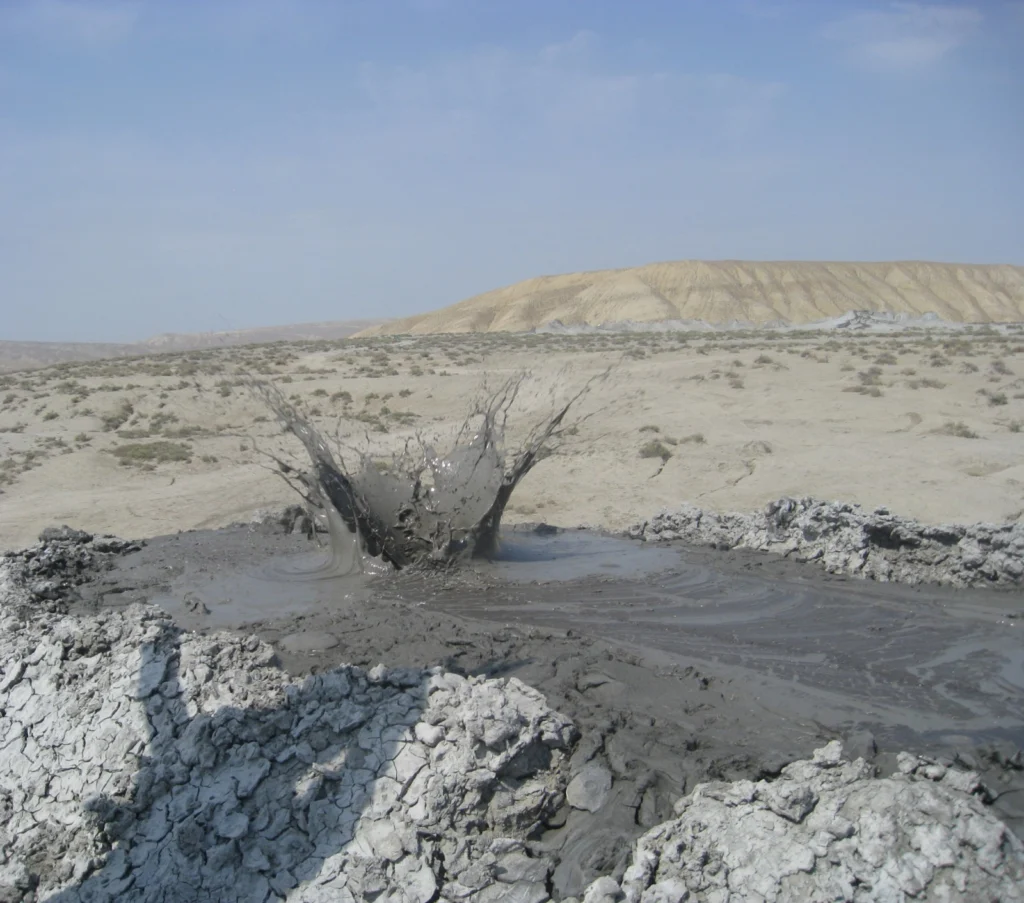
Imaggeo on Mondays: Azerbaijan Mud Volcano
Azerbaijan one of the best places in the world to find mud volcanoes, because of the number that are in the country. Mud volcanoes are broadly spread across Azerbaijan. About 350 of approximate 800 mud volcanoes in the world are found in the Azerbaijani Republic. This includes both underground and submarine mud volcanoes, which also famed in Azerbaijan. There are more than 140 submarine mud ...[Read More]
#shareEGU20: presentation material format and copyright questions
Due to the ongoing coronavirus outbreak, EGU has made the decision to cancel this year’s physical General Assembly in Vienna and instead offer a partial alternative meeting online, called #shareEGU20. Over the next few weeks in the run up to #shareEGU20, which will be held from the 4 – 8 May 2020, we will be posting regular updates and information about how to get involved, what EGU ca ...[Read More]
#shareEGU20: uploading your materials, a webinar and walk-through
Due to the ongoing coronavirus outbreak, EGU has made the decision to cancel this year’s physical General Assembly in Vienna and instead offer a partial alternative meeting online, called #shareEGU20. Over the next few weeks in the run up to #shareEGU20, which will be held from the 4 – 8 May 2020, we will be posting regular updates and information about how to get involved, what EGU ca ...[Read More]
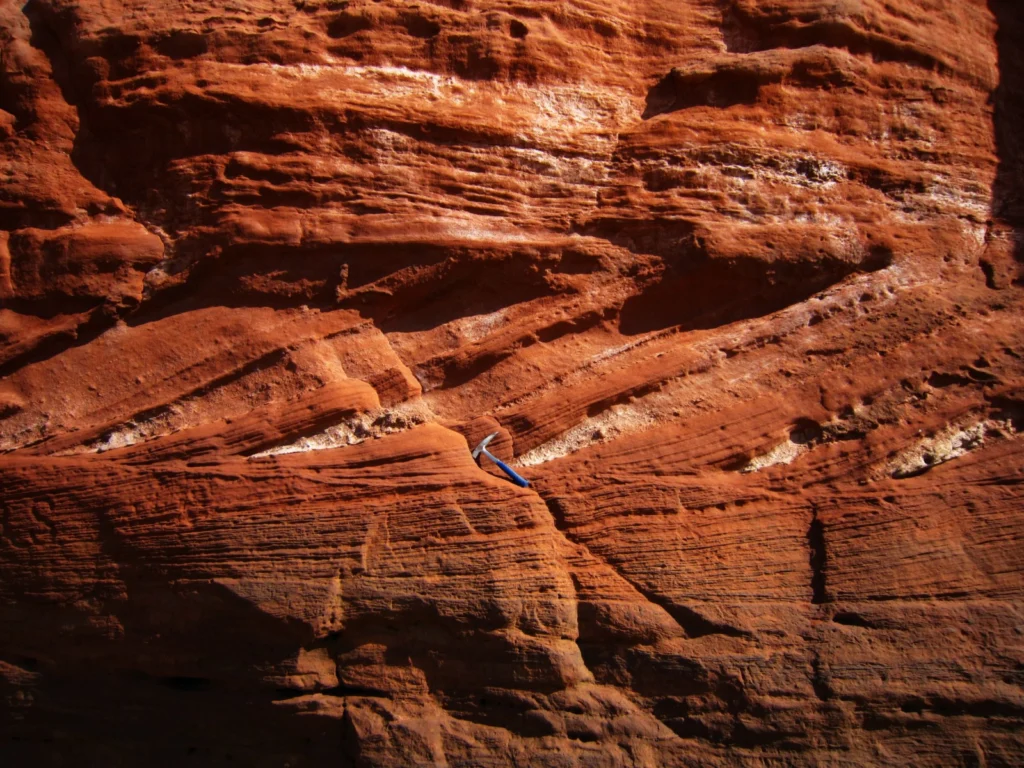
Imaggeo on Mondays: Red triassic sandstone
As child growing up on the south coast of Devon in the UK, I never really realised that our beaches were unusual. A glorious, glowing orange-red colour, the cliffs that you can see in this photograph by Sarah Weick produced similarly red sand beaches and warm ochre soils. The bright colour is the result of the sandstone and conglomerates of these rocks, collectively called the New Red Sandstones, ...[Read More]
#shareEGU20: let’s get creative and share EGU art!
Due to the ongoing coronavirus outbreak, EGU has made the decision to cancel this year’s physical General Assembly in Vienna and instead offer a partial alternative meeting online, called #shareEGU20. Over the next few weeks in the run up to #shareEGU20, which will be held from the 4 – 8 May 2020, we will be posting regular updates and information about how to get involved, what EGU ca ...[Read More]
#shareEGU20: planning your week of digital interaction!
Earlier this week, we announced that the new and revised schedule for #shareEGU20 has been released. If you missed that announcement you can take a look at the website for that here, it’s ok, we will wait… Now that you have had a quick look, maybe found your abstract, or session, you probably have a few questions. Over the next few weeks we will be trying to answer as many of these question ...[Read More]
Imaggeo On Mondays: Psychedelic Foraminifera
This is a transmitted light microscope image of a thin section – a 50-micron thick sliver of rock. This sample was collected from Jebel Hafit, a mountain which straddles the United Arab Emirates and Oman border. Jebel Hafit is approximately 900 m high and is made up of Eocene to Miocene age carbonate rocks which were mainly deposited in a shallow water, tropical setting. More specifically, this im ...[Read More]
Travels in Geology: A World Turned Upside Down
Last weekend, with a strict, stay-at-home coronavirus order looming on the horizon, I decided to practice social distancing by escaping on one last hike. Since I’m currently in Colorado, I chose to climb North Table Mountain, the remnant of an ancient basalt lava flow located on the outskirts of Denver. Locally this mesa, along with its twin located a short distance to the south, are popula ...[Read More]
A message from EGU President Alberto Montanari on what geoscientists can do to help mitigate the impact of COVID-19
What can the Earth, planetary and space sciences do to help mitigate the impact of COVID-19? While I am considering this challenging question, I am looking out of the window of my home in Italy, in Reggio Emilia. I am close to the epidemic center of the Italian outbreak of COVID-19. I have been at home for the last two weeks without going out, something which I have never experienced before. Sudde ...[Read More]