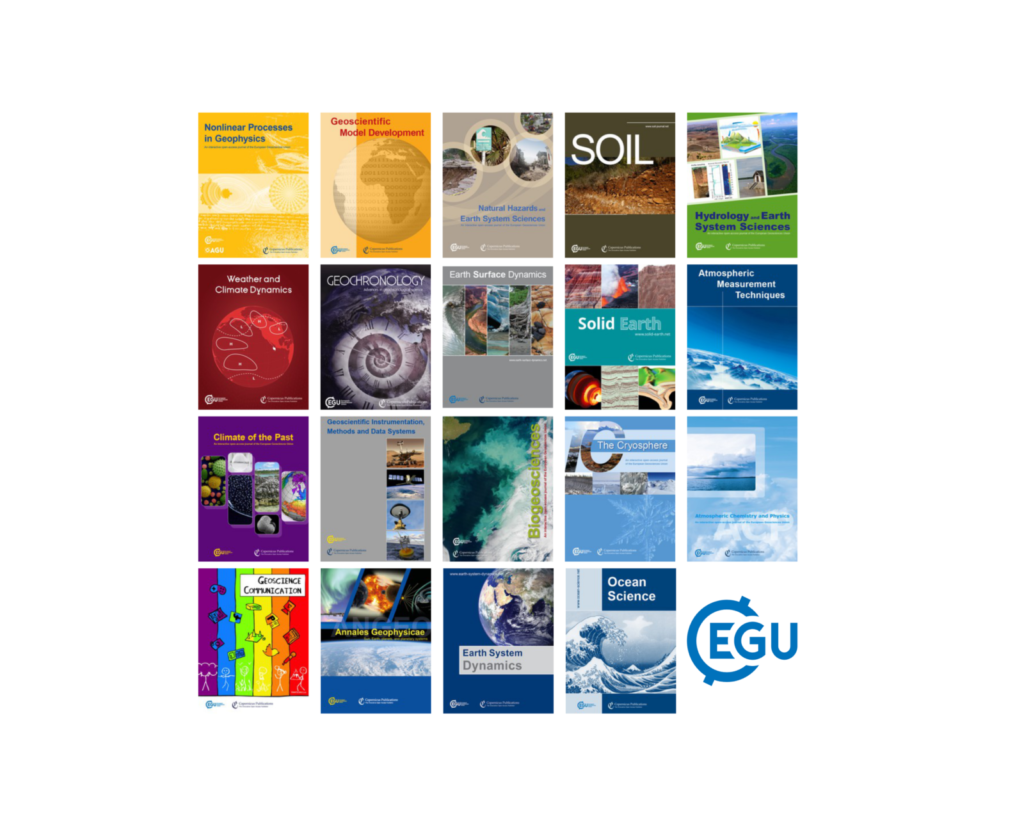
Each month we feature specific Divisions of EGU and during the monthly GeoRoundup we put the journals that publish science from those Divisions at the top of the Highlights roundup. For July, the Divisions we are featuring are: Earth Magnetism & Rock Physics (EMRP) and Seismology (SM). They are served by the journals: Solid Earth …[Read More]
GeoLog
GeoPolicy: Science Activism vs. Science Advice – choosing your path to policy impact
Science is a vital part of the policymaking process. It enables decision-makers to better understand the policy options that they have and the potential consequences of any actions or inaction. While it is just one factor that policymakers should consider during their decision-making process, it is an important one! This month’s GeoPolicy blog post will …[Read More]
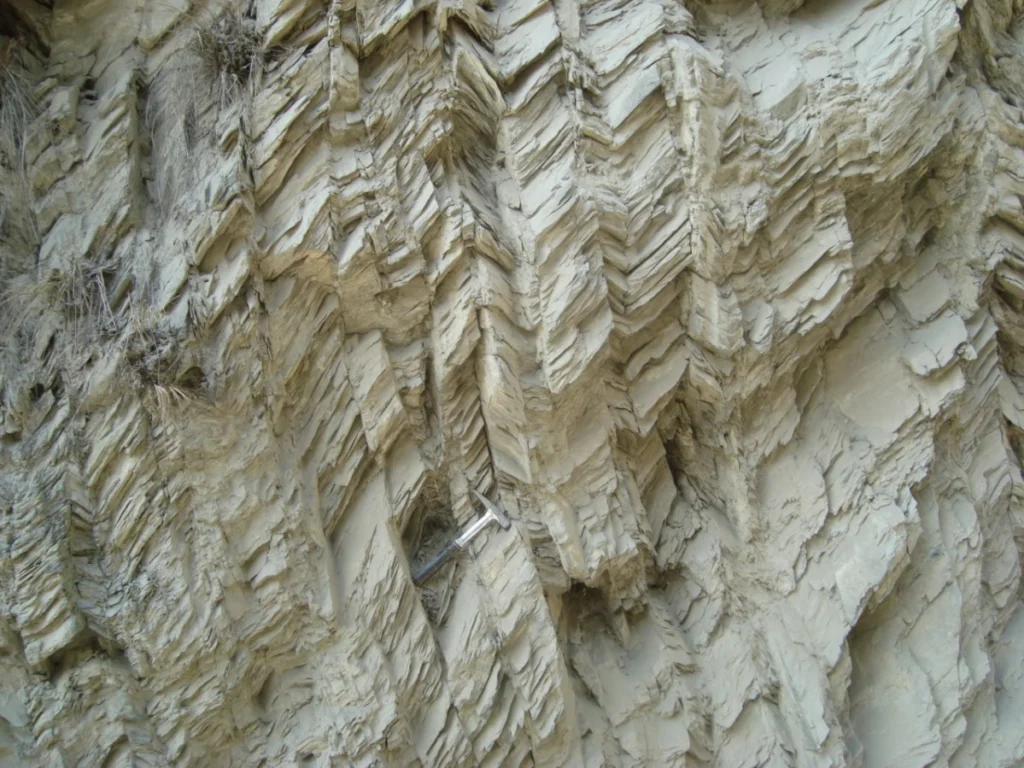
Imaggeo On Monday: High amplitude ‘V-shaped’ kink fold with axial plane cleavage
The Himalayan-Tibetan orogeny has been considered the youngest collisional fold belt in the Earth and a classic example of intercontinental collision orogeny. It is comprised of different litho-tectonic units manifested by normal/thrust faults and suture zones (Valdiya, K.S., 1977). The Himalayan region has experienced multifaced deformation, spectacular rock assemblages with high-pressure-temperature metamorphism, and an earthquake …[Read More]
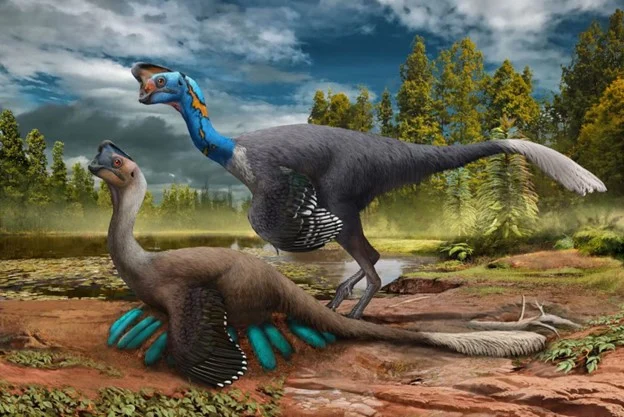
100 years since we learned dinosaurs laid eggs, what do we know now?
In July 1923, 100 years ago this month, scientists and explorers made an extraordinary discovery that forever changed our view of dinosaurs. An expedition to the Gobi Desert in Mongolia unearthed fossilized dinosaur eggs, in a nest, confirming that dinosaurs laid eggs like the reptiles that scientists at the time thought dinosaurs were. The find …[Read More]
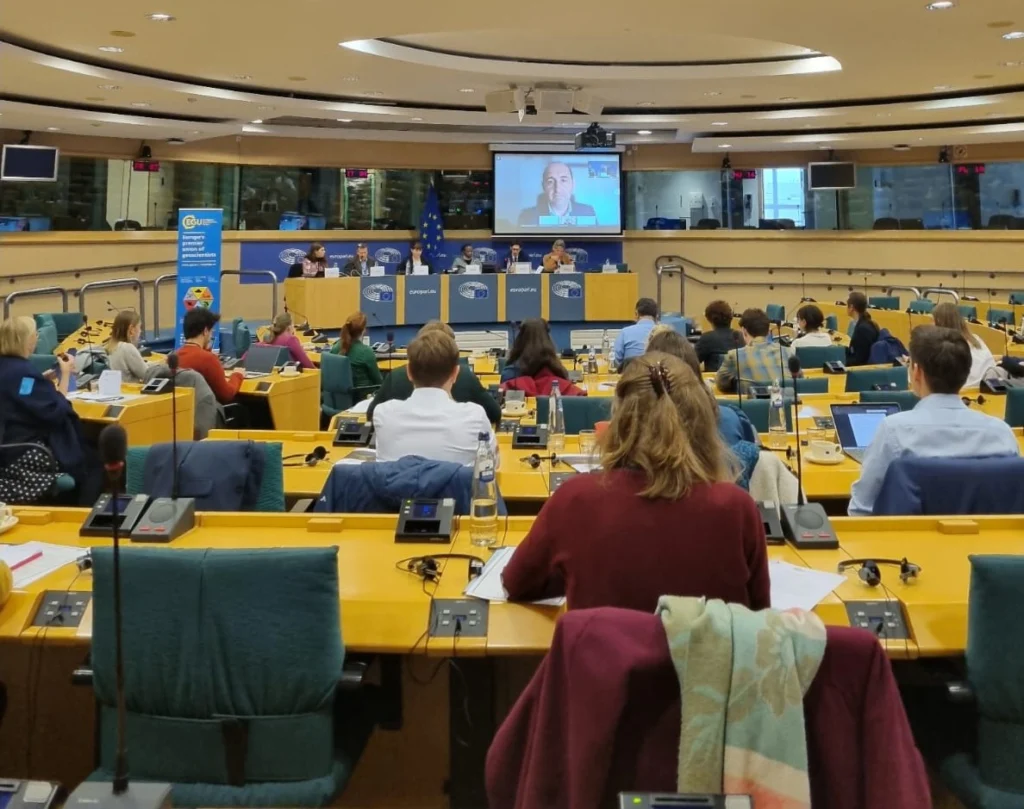
You can shape the EGU24 programme by organising a session!
Most people know that the EGU General Assembly is Europe’s largest geoscientific conference bringing together Earth, planetary, and space scientists from all over the world. But did you know that YOU can take an active part in organising its scientific programme? From now until 14 September 2023, we are accepting proposals for scientific sessions, Union …[Read More]
Imaggeo On Monday: Nature’s impressionist painting
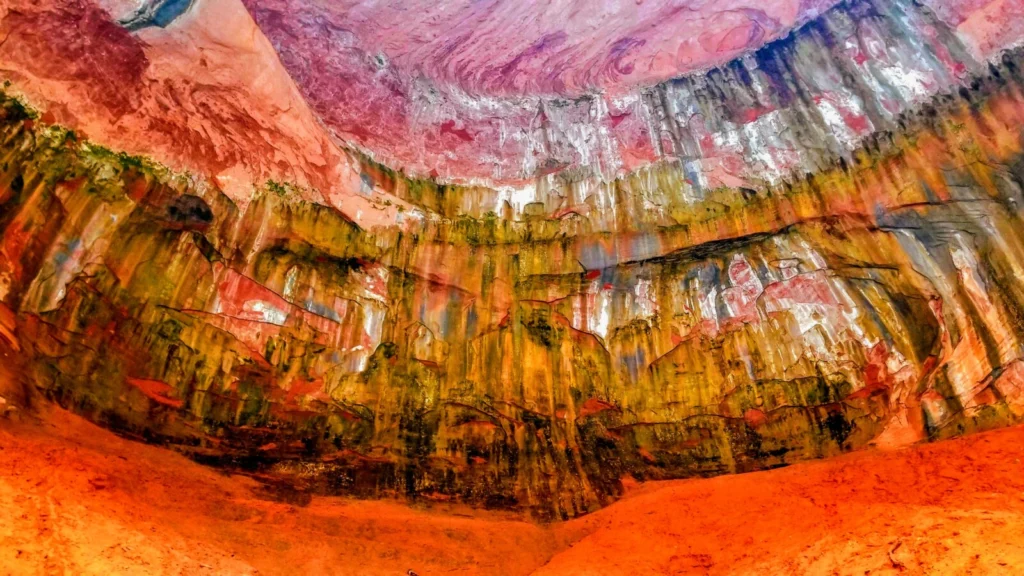
The image shows an incredible blend of colors in a natural cave in Kolob Canyons near Zion National Park, Utah. Formed by the oxidation of minerals lining the walls of the cave and snow melt, the sight feels like a natural inspiration for impressionist painting. This well-hidden gem is a lesser known treasure at the …[Read More]
GeoTalk: meet Dinko Sindija, researcher of seismic signals and Seismology ECS Representative!
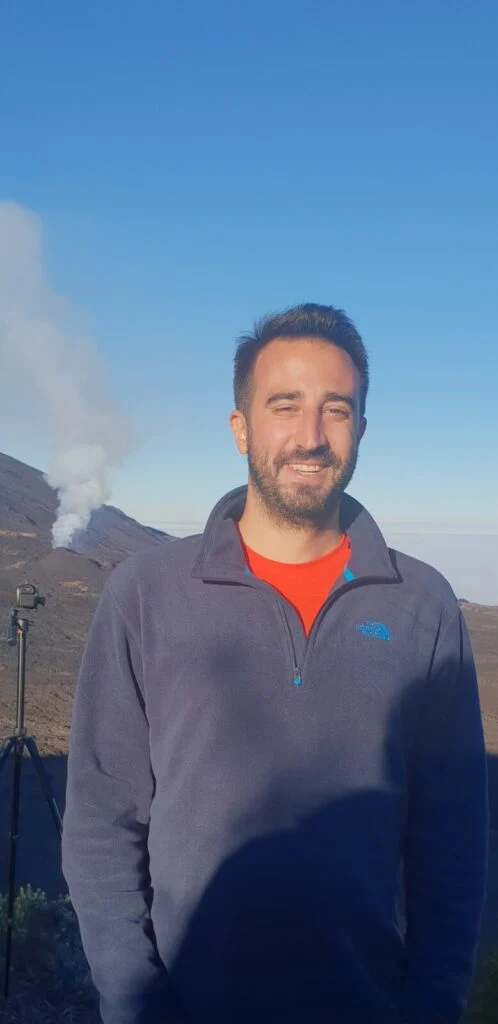
Hello Dinko. Thank you for agreeing to this interview! Before we dig deeper, could you tell our readers a little bit about yourself and your background? Well thanks for having me. My name is Dinko and I’m a seismologist, doing a PostDoc at the Department of Geophysics at the University of Zagreb. Currently, I work …[Read More]
Two centuries later, the world is yet to fully understand Nikola Tesla
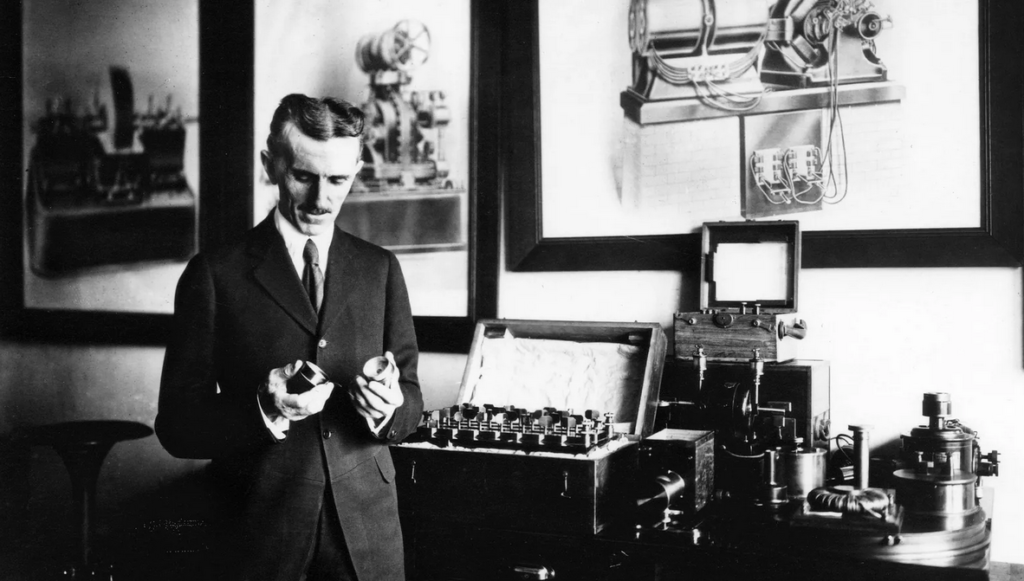
Most people associate Tesla with the multi-billion American automotive and clean energy company, and by that extension, with Elon Musk. But with today (July 10th) being Nikola Tesla Day, it gives us a rare opportunity to discover the man behind the name – the Serbian American scientist who contributed to scientific progress and advances in …[Read More]
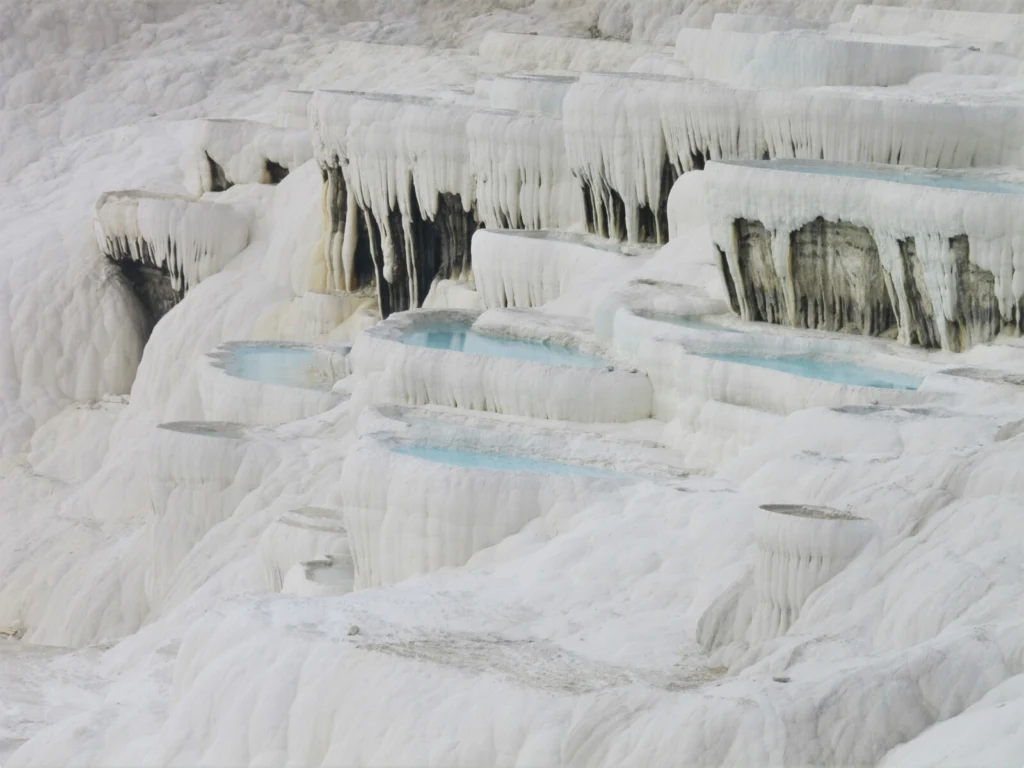
Imaggeo On Monday: Pamukkale, the cotton castle
Pamukkale, the cotton castle by Paula Ballikaya. (distributed via imaggeo.egu.eu). Terraces of rock are crowned with the candle wax-like deposits of travertine, the white, fibrous limestone which characterises the Pamukkale UNESCO World Heritage Site and which is featured in the photo above. Despotised and moulded over 400,000 years by the calcite-rich mineral water flowing from …[Read More]
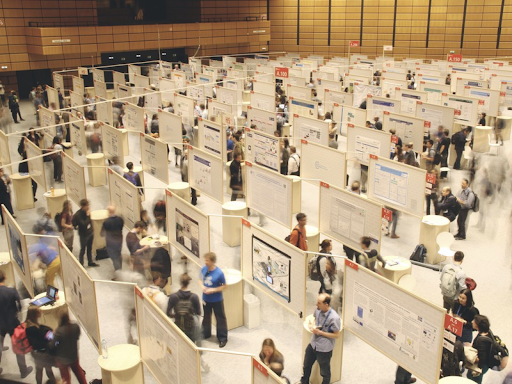
My reflections of EGU’s evolving General Assembly over the years
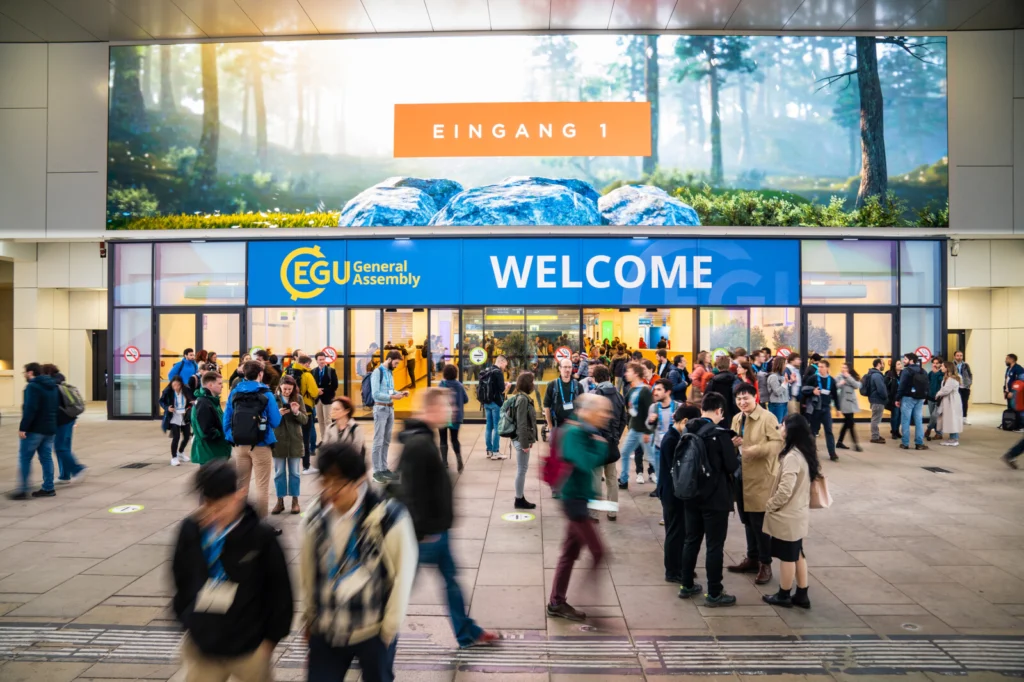
The wind, funnelled downwards by the surrounding skyscrapers, whipped along Wagramer Strasse, as early morning traffic thundered by. Past the Orthodox Church and then slightly uphill to the Kaisermühlen VIC underground station, where a stream of one-way traffic was already in full force, everybody proudly displaying their blue lanyards and most carrying the large black …[Read More]