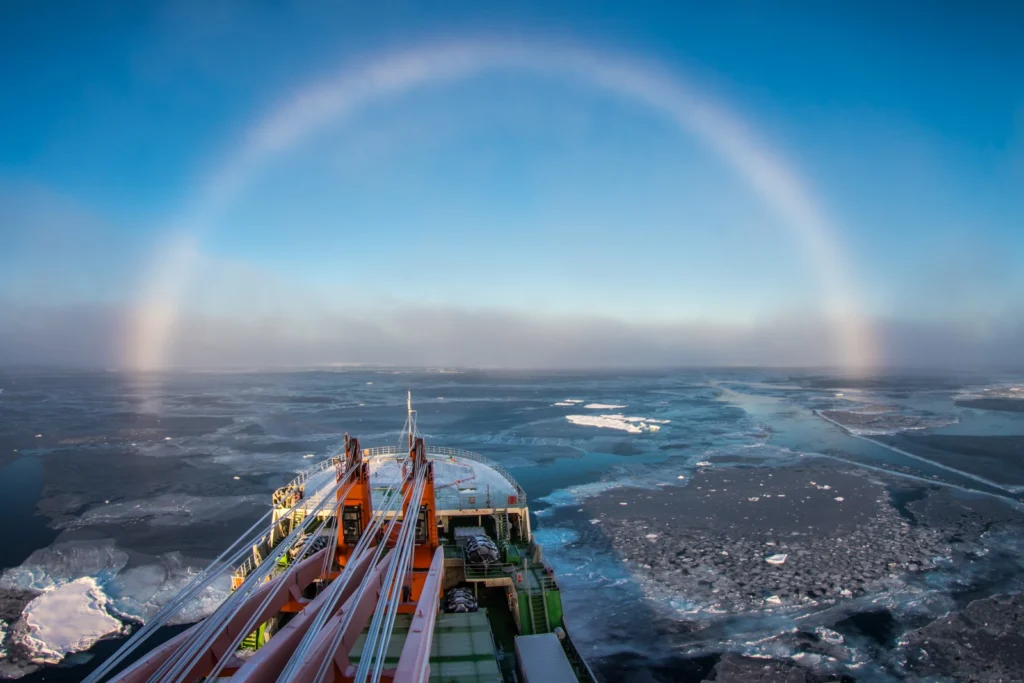
Shipping goods across the oceans is cost-effective and super-efficient; that’s why over 80% of world trade is carried by sea (according to the International Maritime Organisation). But the shipping industry also contributes significant amounts of air pollutants to marine and coastal environments. A new study, published in the EGU’s open access journal Earth System Dynamics, …[Read More]
GeoLog
Five top tips to apply for small grants
Stephanie Zihms, the ECS Representative for the EMRP Division (and incoming Union Level Representative) has applied for a range of small scale grants (<£15,000, ca. 16,965€). At this year’s General Assembly, she was one of two speakers at the ‘How to write a research grant’ short course, where she shared insights from her successes and …[Read More]
Imaggeo on Mondays: Of ancient winds and sands
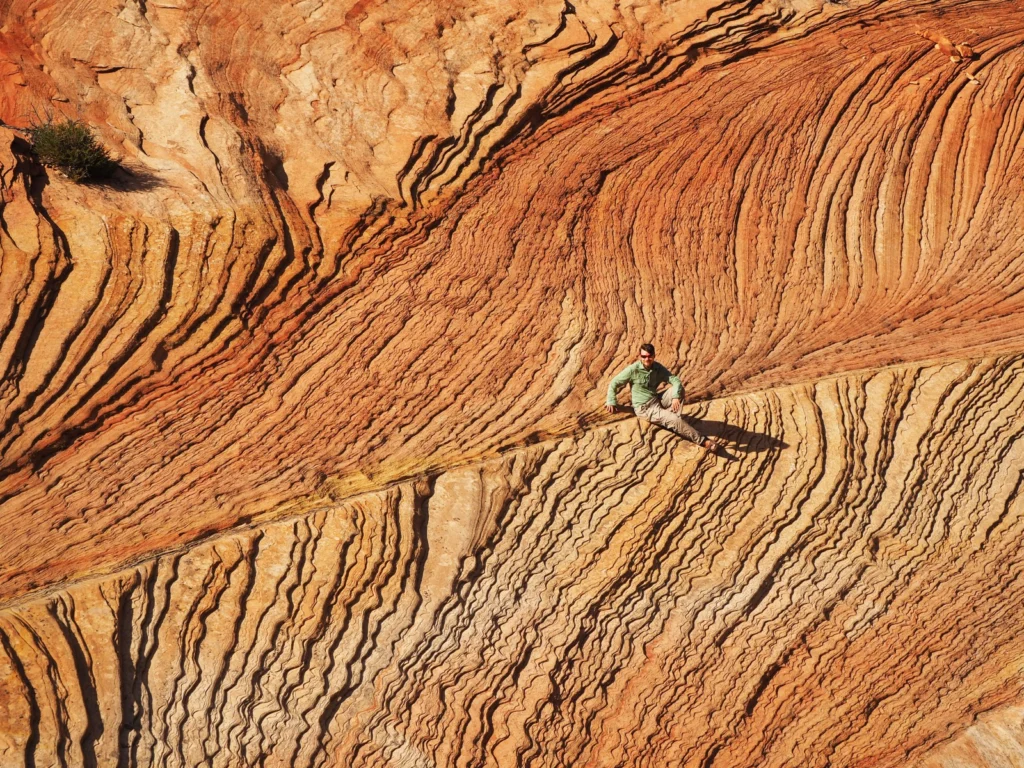
Snippets of our planet’s ancient past are frozen in rocks around the world. By studying the information locked in formations across the globe, geoscientist unpick the history of Earth. Though the layers in today’s featured image may seem abstract to the untrained eye, Elizaveta Kovaleva (a researcher at the University of the Free State in …[Read More]
Try something different at EGU 2018– choose a PICO session!
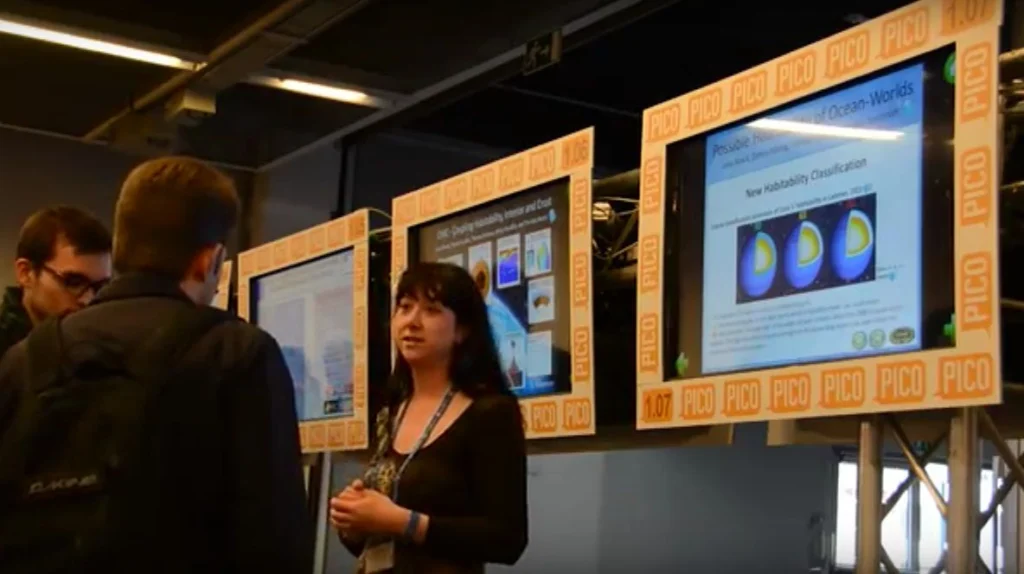
Some of the sessions scheduled for the upcoming EGU General Assembly are PICO only sessions. This means that, rather than being oral or poster format, they involve Presenting Interactive COntent (PICO). The aim of these presentations is to highlight the essence of a particular research area – just enough to get the audience excited about …[Read More]
October GeoRoundUp: the best of the Earth sciences from around the web
Display "Following Carbon Dioxide Through the Atmosphere" from YouTube Click here to display content from YouTube. Learn more in YouTube’s privacy policy (opens in a new tab). Please enable JavaScript in your browser to load this content. Always display content from YouTube Open "Following Carbon Dioxide Through the Atmosphere" directly Carbon dioxide plays a significant …[Read More]
Imaggeo on Mondays: Magnetic interaction
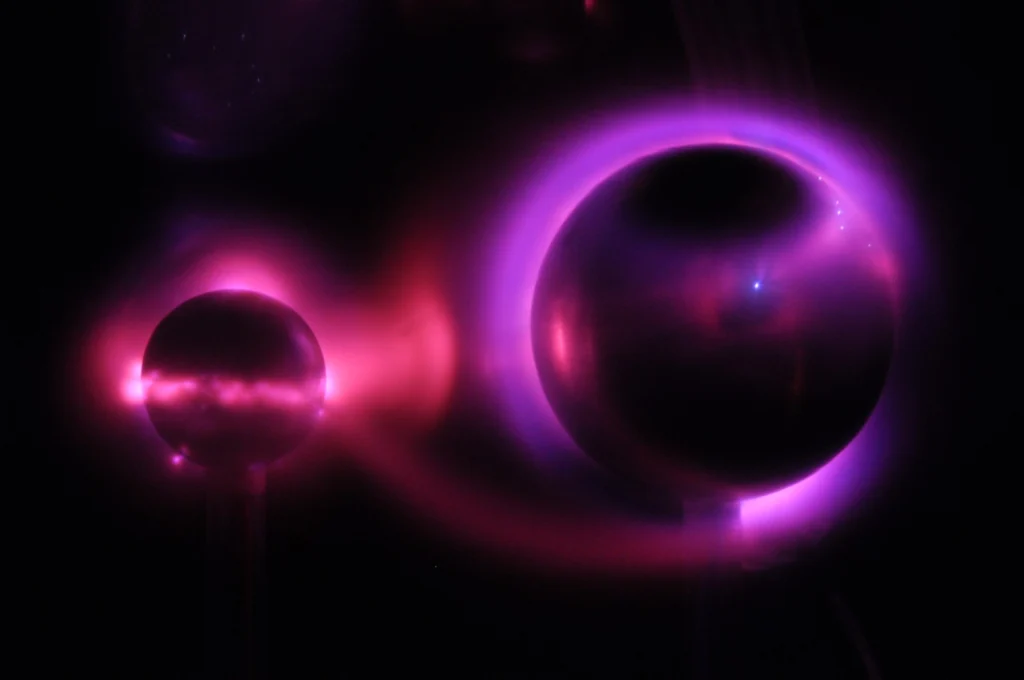
Space weather is a ubiquitous, but little known, natural hazard. Though not as tangible as a volcanic eruption, storm or tsunami wave, space weather has the potenital to cause huge economic losses across the globe. In Europe alone, the interaction of solar wind with our planet’s magnetosphere, ionosphere and thermosphere, could lead to disrutions to …[Read More]
GeoPolicy: The importance of scientific foresight
Many of the issues that society currently faces are complex and research on just one angle or area does not provide sufficient information to address the problem. These challenges are compounded when more than one region (or even the entire planet) is impacted. Many of the decisions and legislations passed by governments today will go …[Read More]
GeoSciences Column: Forests in flux – log-jams in the Amazon
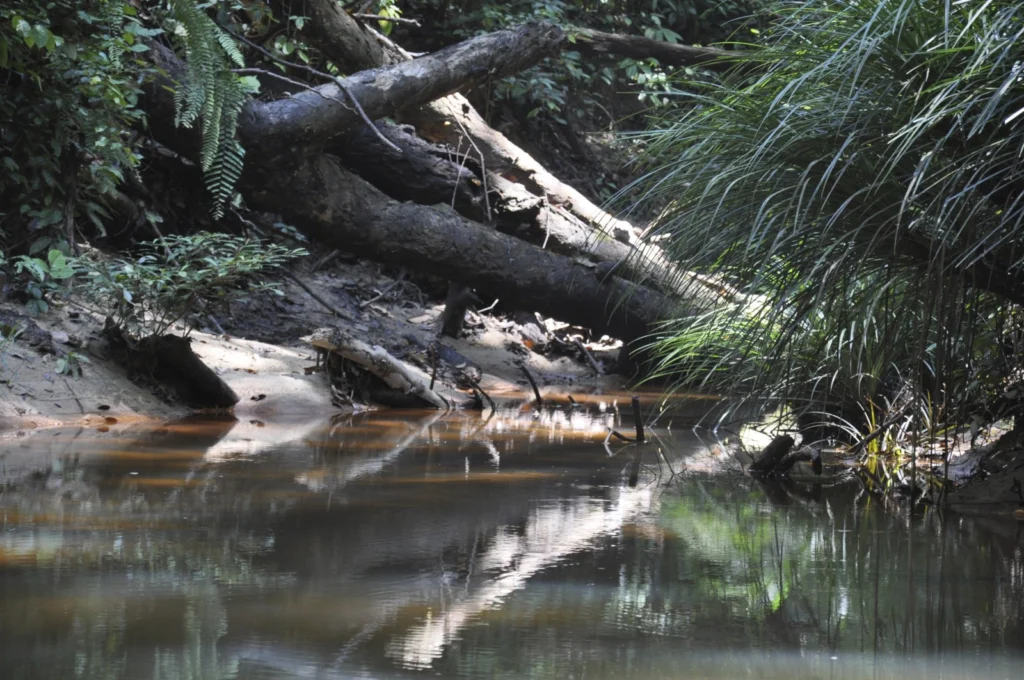
Collapsing dams are a staple of disaster films, but the form that these take in natural systems is also surprisingly varied. Streams and rivers can be blocked by a range of rapid and gradual inputs. One of the lesser-known causes of stream blockage is through the accumulation of large woody debris – tree trunks and …[Read More]
EGU2018: Financial support to attend the General Assembly
The EGU is committed to promoting the participation of both early career scientists and established researchers from low and middle-income countries who wish to present their work at the EGU General Assembly. In order to encourage participation of scientists from both these groups, a limited amount of the overall budget of the EGU General Assembly …[Read More]
Imaggeo on Mondays: Ice forming on Chesapeake Bay
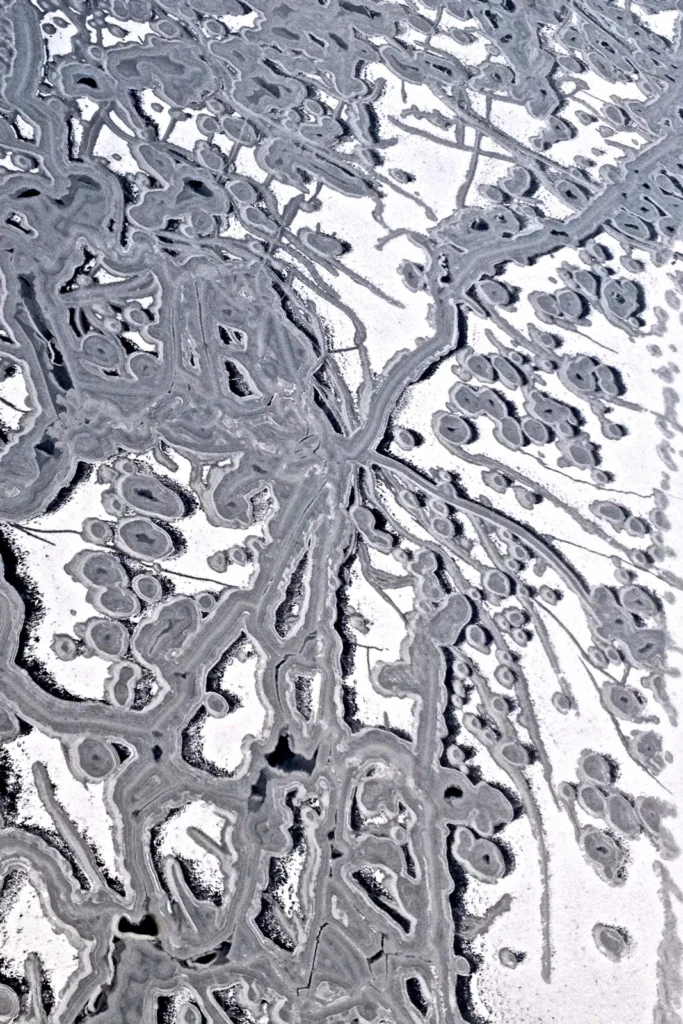
Sandwiched between the U.S states of Mayland, Delaware, Pennsylvania, New York State, the District of Columbia and Virginia, lies Chesapeake Bay, the largest estuary in North America. It is of huge ecological importance: “the bay, its rivers, wetlands and forests provide homes, food and protection for countless animals and plants”, says the Chesapeake Bay Program. …[Read More]