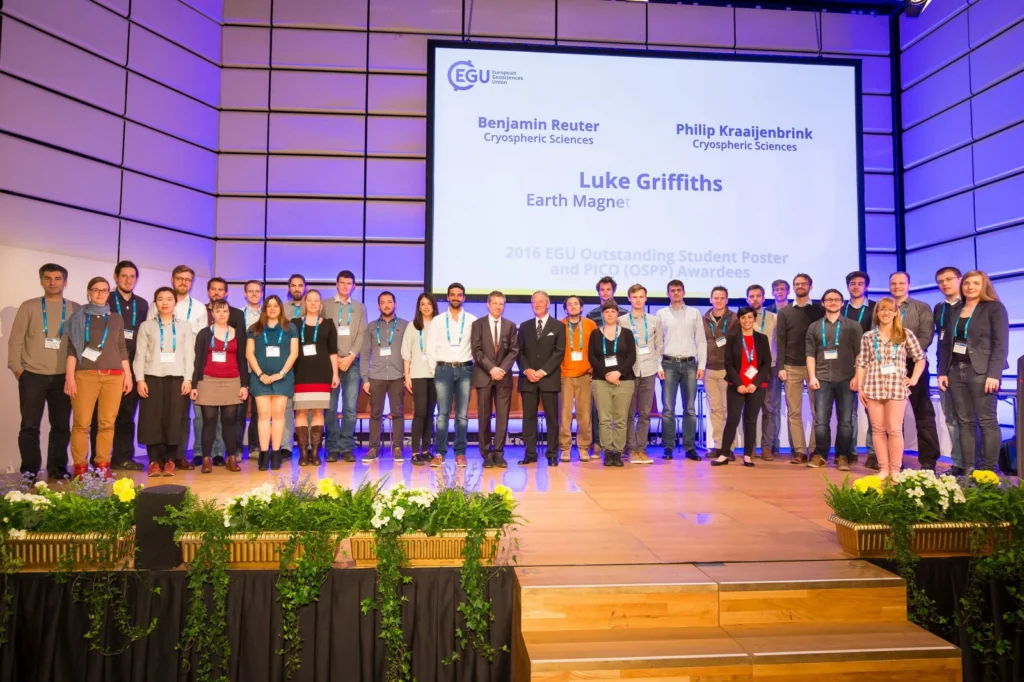
Geotalk is a regular feature highlighting early career researchers and their work. Following the EGU General Assembly, we spoke to Yadong Sun, the winner of a 2017 Arne Richter Award for Outstanding Early Career Scientists, about his work on understanding mass-extinctions. Using a unique combination of sedimentological, palaeontological and geochemical techniques Yadong was able to …[Read More]
GeoLog
Geoscience communication: A smart investment
In this post, originally published in June 2017 on the blog of the Geological Society of America (GSA), Terri Cook, a science and travel writer and former winner of the EGU’s Science Journalism Fellowship, argues the importance of quality science communication as a means for scientists to make their research accessible to a broad audience. …[Read More]
Imaggeo on Mondays: One of the oldest evergreen rainforests in the world
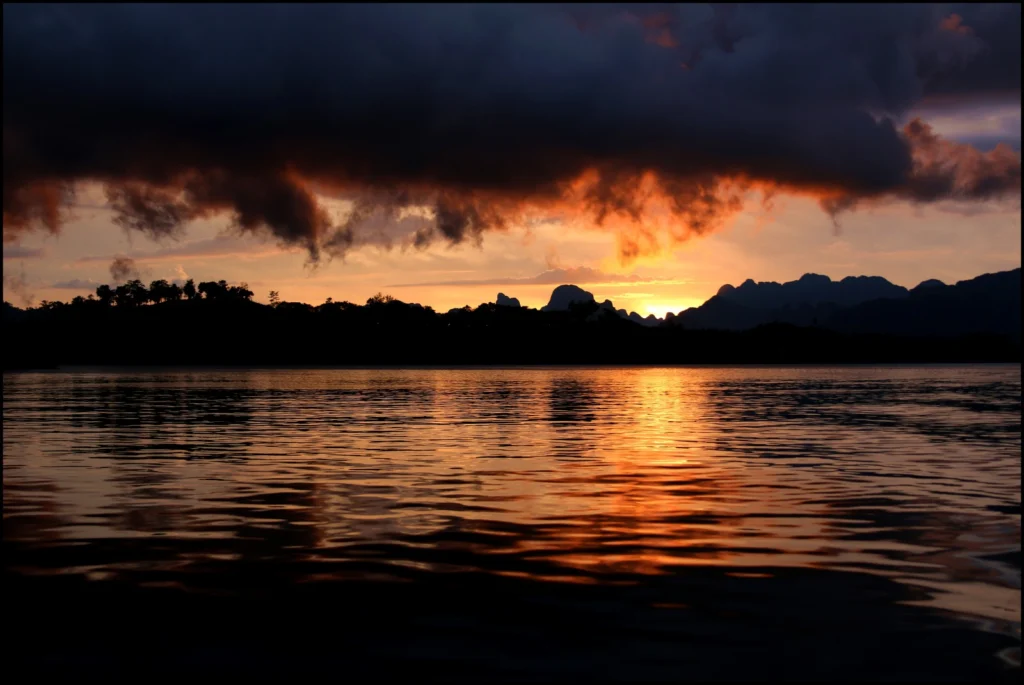
A blazing sky and shimmers cast by water ripples frame the spectacular beauty of one of the world’s oldest treasures: an evergreen rainforest in Thailand. Today’s featured image was captured by Frederik Tack, of the Institute for Space Aeronomy in Brussels. This picture was taken during sunset between the limestone mountains with the sunlight reflecting on …[Read More]
Join us at EGU 2018: Call-for-abstracts is now open!
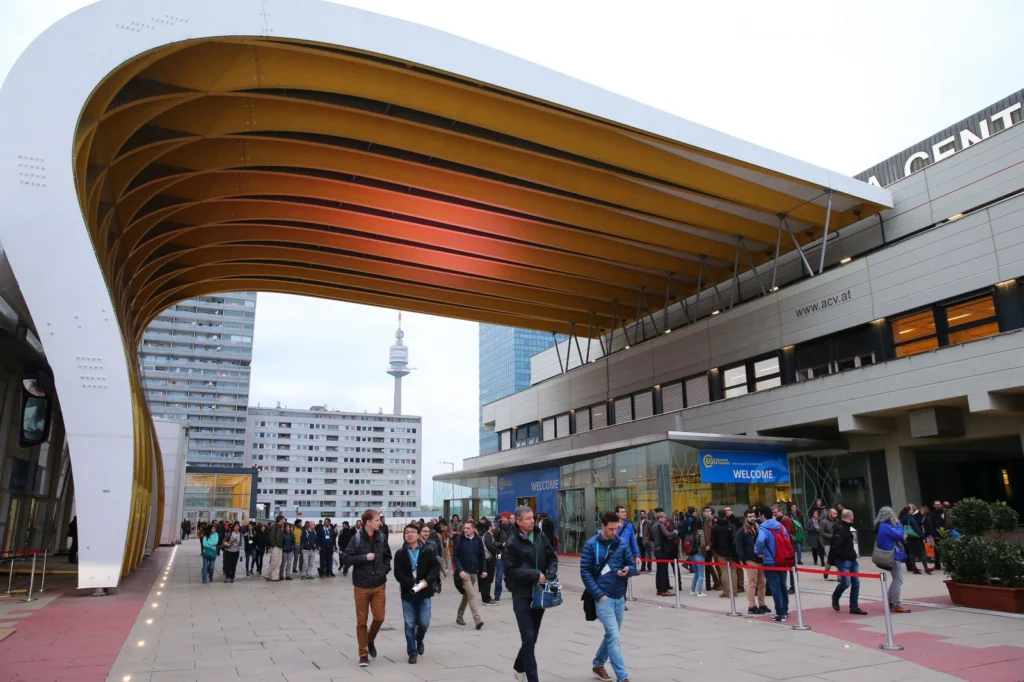
From now, up until 10 January 2018, you can submit your abstract for the upcoming EGU General Assembly (EGU 2018). In addition to established scientists, PhD students and other early career researchers are welcome to submit abstracts to present their research at the conference. Further, the EGU encourages undergraduate and master students to submit abstracts …[Read More]
We are hiring: be our next Communications Officer!
Do you have an interest in the Earth, space and planetary sciences and love blogging and using social media channels to communicate that passion? Then our latest job opening might be just right for you! We are looking for a Communications Officer to work with the EGU Media and Communications Manager in maintaining and further …[Read More]
How certain plants survive mass extinction events: study
We often read about Earth’s mass extinction events and how they wiped out vast numbers of animal species, leaving survivors to evolve and repopulate the planet. But it’s rarer to hear about how plants managed these catastrophes. A new study published last month by a team at University College Dublin, Ireland, in the journal Nature …[Read More]
EGU announces 2018 awards and medals
From 8th to the 14th October a number of countries across the globe celebrate Earth Science Week, so it is a fitting time to celebrate the exceptional work of Earth, planetary and space scientist around the world. Yesterday, the EGU announced the 49 recipients of next year’s Union Medals and Awards, Division Medals, and Division …[Read More]
Imaggeo on Mondays: The unique bogs of Patagonia
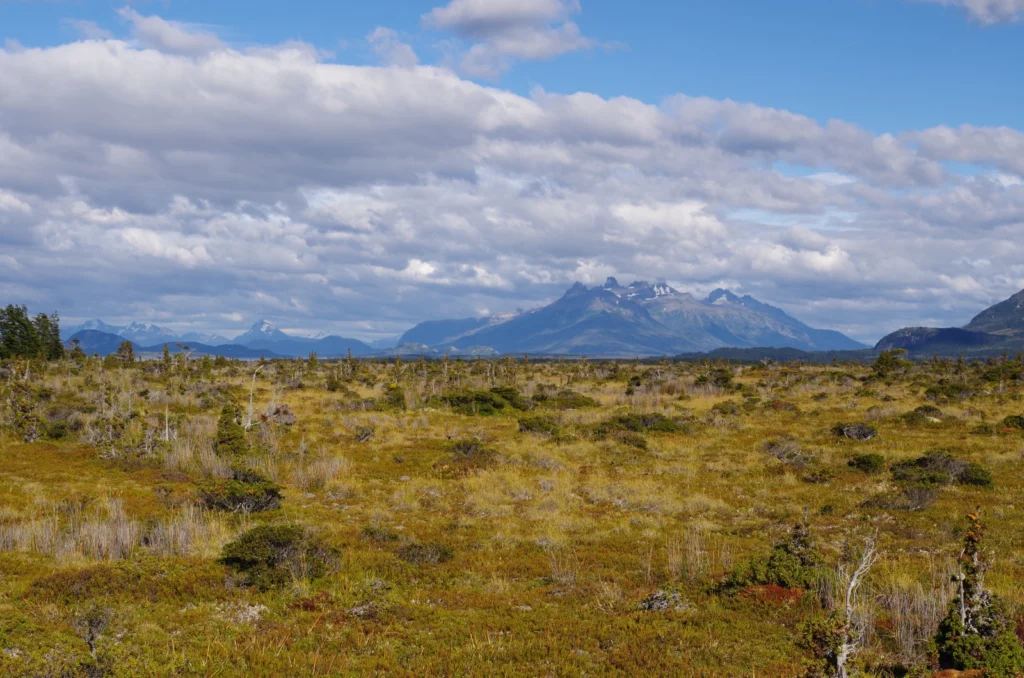
Patagonia, the region in southernmost tip of South America, is as diverse as it is vast. Divided by the Andes, the arid steppes, grasslands and deserts of Argentina give way to the temperate rainforests, fjords and glaciers of Chile. Also on the Chilean side are rolling hills and valleys of marshy topography: Patagonia’s bogs. Today, …[Read More]
Malawi High School Teacher’s Workshop on Natural Hazards
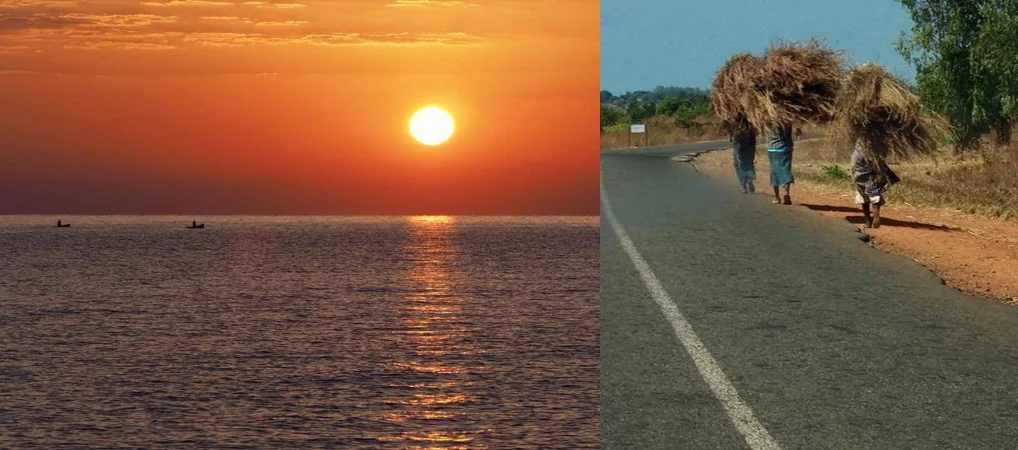
In July 2017, Professor Bruce Malamud and Dr Faith Taylor from King’s College London travelled to Mzuzu, Malawi to work in collaboration with Mr James Kushe from Mzuzu University, Malawi. They delivered an EGU funded workshop at Mzuzu University to high school teachers on natural hazards, with major funding provided by EGU, and also supported …[Read More]
Imaggeo on Mondays: Measuring the wind direction
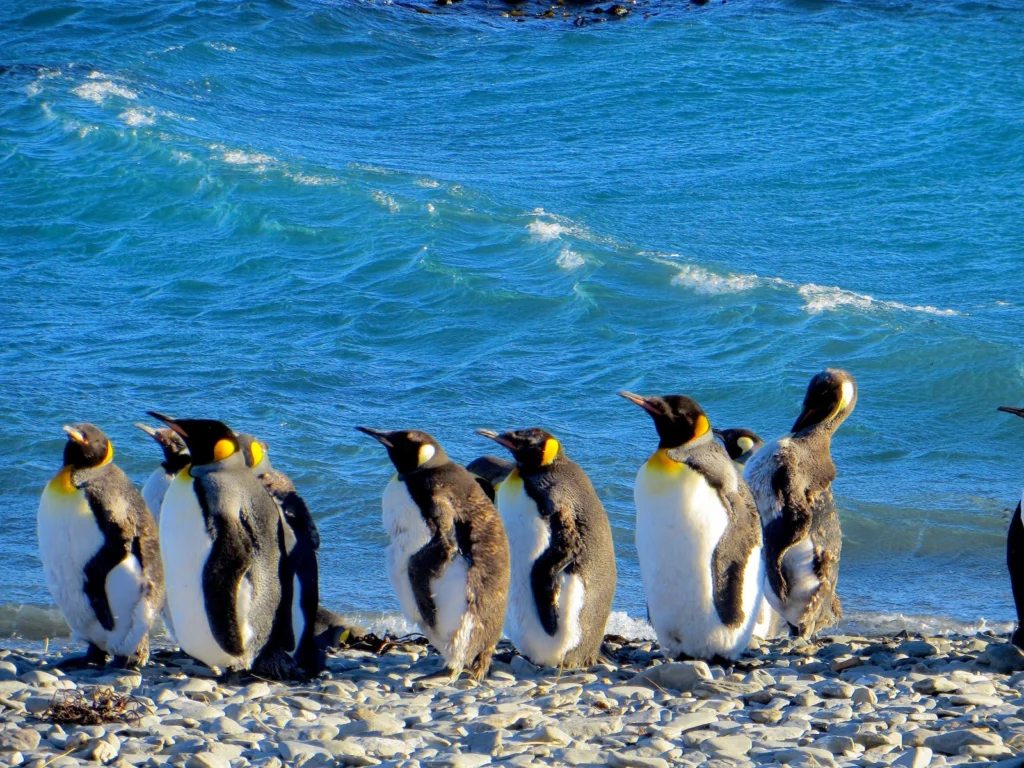
Remote, rugged, raw and beautiful beyond measure, the island of South Georgia rises from the wild waters of the South Atlantic, 1300 km south east of the Falkland Islands. The Allardyce Range rises imposingly, south of Cumberland Bay, dominating the central part of the island. At its highest, it towers 2935 m (Mount Paget) above …[Read More]