GeoLog

GeoLog

NASA’s InSight mission: detecting ‘earthquakes*’ on the surface of Mars
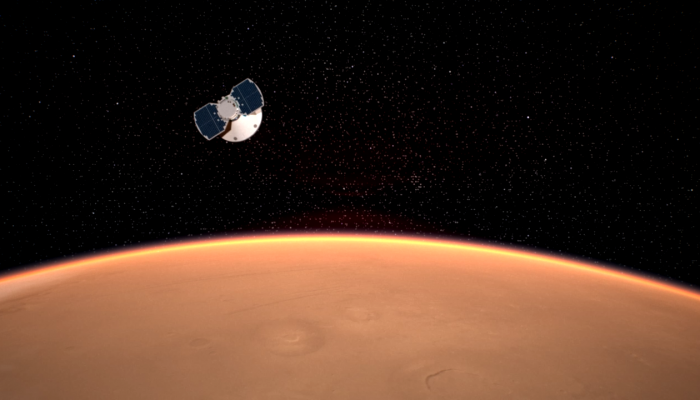
NASA’s InSight mission: detecting ‘earthquakes*’ on the surface of Mars
In three days’ time, NASA’s InSight Lander is expected to plunge through Mars’ atmosphere before parachuting down to a controlled landing on the flat plains of the Elysium Planitia. Once the dust has settled, a solar powered robotic arm will painstakingly unload the precious instruments stored onboard onto the planet’s surface, carefully guided by scientists back on Earth. These instruments are de ...[Read More]

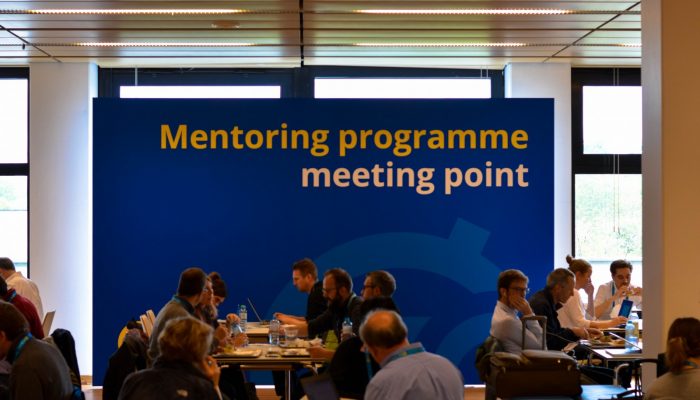
Mentoring programme at EGU 2019

Mentoring programme at EGU 2019

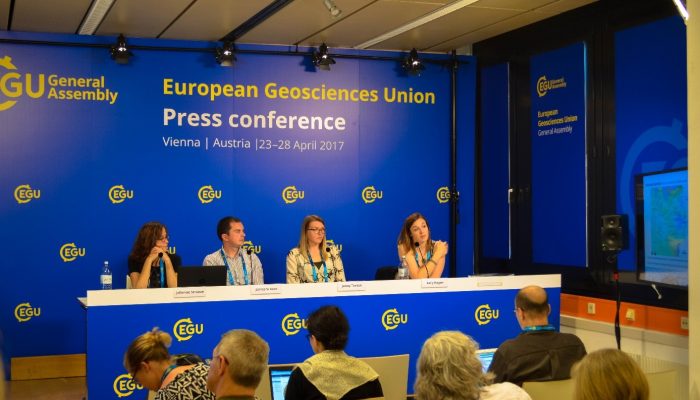
With more than 15,000 participants, 4,700 oral presentations, 11,000 posters and 1,400 PICO presentations, all under one roof, the EGU General Assembly can be an overwhelming experience. There is a network of corridors to navigate, as well as a wide range of workshops, splinter and townhall meetings to choose from. With that in mind, we’ve put in place some initiatives to make the experience of th ...[Read More]

Job opportunity at the EGU General Assembly: press assistant

Job opportunity at the EGU General Assembly: press assistant

We have two vacancies for science-communication or science-journalism students in Europe to work at the press centre of the 2019 General Assembly, which is taking place in Vienna, Austria, from 7–12 April. Applications from geoscience students with experience in science communication are also very welcome. This is a paid opportunity for budding science communicators to gain experience in the worki ...[Read More]

Imaggeo on Mondays: On the way to Tristan’s penguins

Imaggeo on Mondays: On the way to Tristan’s penguins

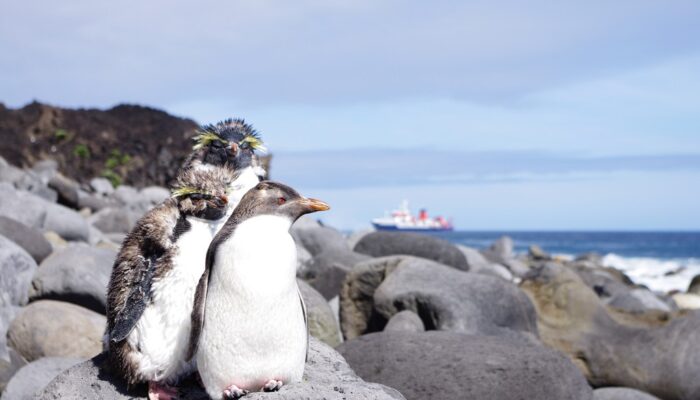
Tristan da Cunha is a remote volcanic island in the south Atlantic Ocean. In fact, it is the most remote inhabited archipelago in the world. Tristan is still volcanically active; the last time it erupted was in 1961. After the eruption, which luckily did not have any casualties, the whole population of around 260 people evacuated the island for some time, but they all returned back to the island b ...[Read More]

GeoTalk: Sharing geoscience with kids and educators

GeoTalk: Sharing geoscience with kids and educators

GeoTalk interviews usually feature the work of early career researchers, but this month we deviate from the standard format to speak to Marina Drndarski, a biology teacher at the primary school Drinka Pavlović in Belgrade, Serbia. Marina has been involved with EGU’s geoscience education activities for more than five years; she is an active contributor to Planet Press articles, bitesize press relea ...[Read More]

A first-timer’s guide to the 2019 General Assembly

A first-timer’s guide to the 2019 General Assembly

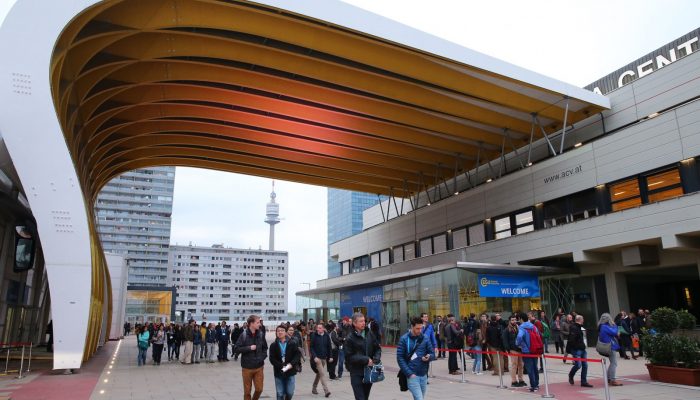
Will this be your first time at an EGU General Assembly? With more than 15,000 participants in a massive venue, the conference can be a confusing and, at times, overwhelming place. To help you find your way, we have compiled an introductory handbook filled with history, presentation pointers, travel tips and a few facts about Vienna and its surroundings. Download your copy of the EGU General Assem ...[Read More]

A better framework for disasters

A better framework for disasters

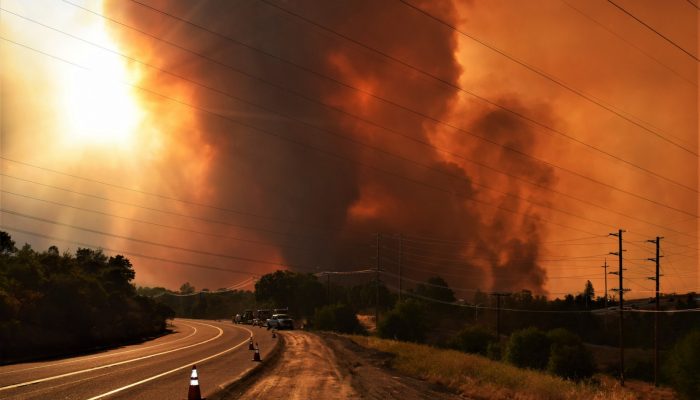
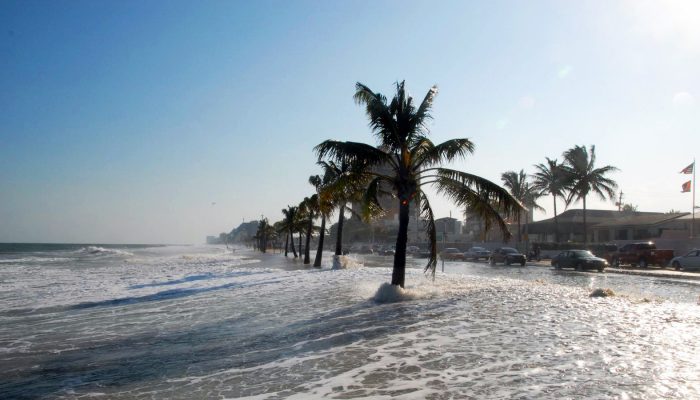
The end of the Northern hemisphere summer tends to be a good time to regroup from natural hazards, as the frequency and intensity of storms, as well as the incidence of wildfires, tends to trail off. At the time of writing, however, Hurricane Willa had just crashed into Mexico, while Typhoon Yutu has just hit the Northern Mariana Islands so hard that any equipment designed to record wind-speed had ...[Read More]

Imaggeo on Mondays: Small scale processes, large scale landforms

Imaggeo on Mondays: Small scale processes, large scale landforms

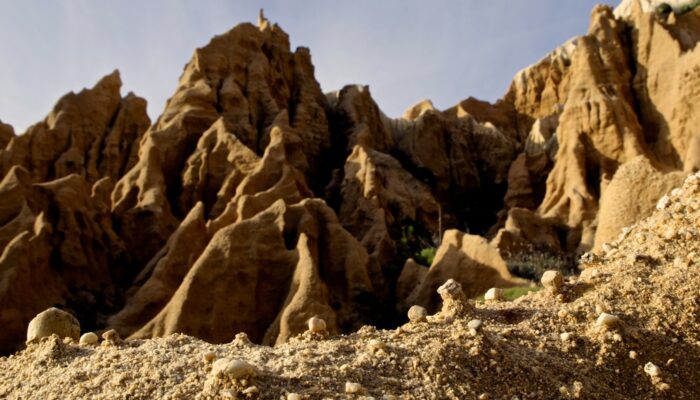
This picture was taken in a sea cliff gully landscape at the Portuguese coast. It shows the microrelief which small scale wash and erosional processes produce in these poorly consolidated sediments. These small scale landforms could be interpreted as initial stages of larger scale gully landforms, which can be seen in the back. This highlights the importance of regarding scales and scale linkages ...[Read More]

October GeoRoundUp: the best of the Earth sciences from around the web

October GeoRoundUp: the best of the Earth sciences from around the web

Drawing inspiration from popular stories on our social media channels, major geoscience headlines, as well as unique and quirky research, this monthly column aims to bring you the latest Earth and planetary science news from around the web. Major story In October, the UN Intergovernmental Panel on Climate Change (IPCC) released a landmark report and summary statement that detailed the severe conse ...[Read More]