GeoLog

Stratigraphy, Sedimentology and Palaeontology

Imaggeo on Mondays: Velociraptor in the Zagros Mountains
Imaggeo on Mondays: Velociraptor in the Zagros Mountains
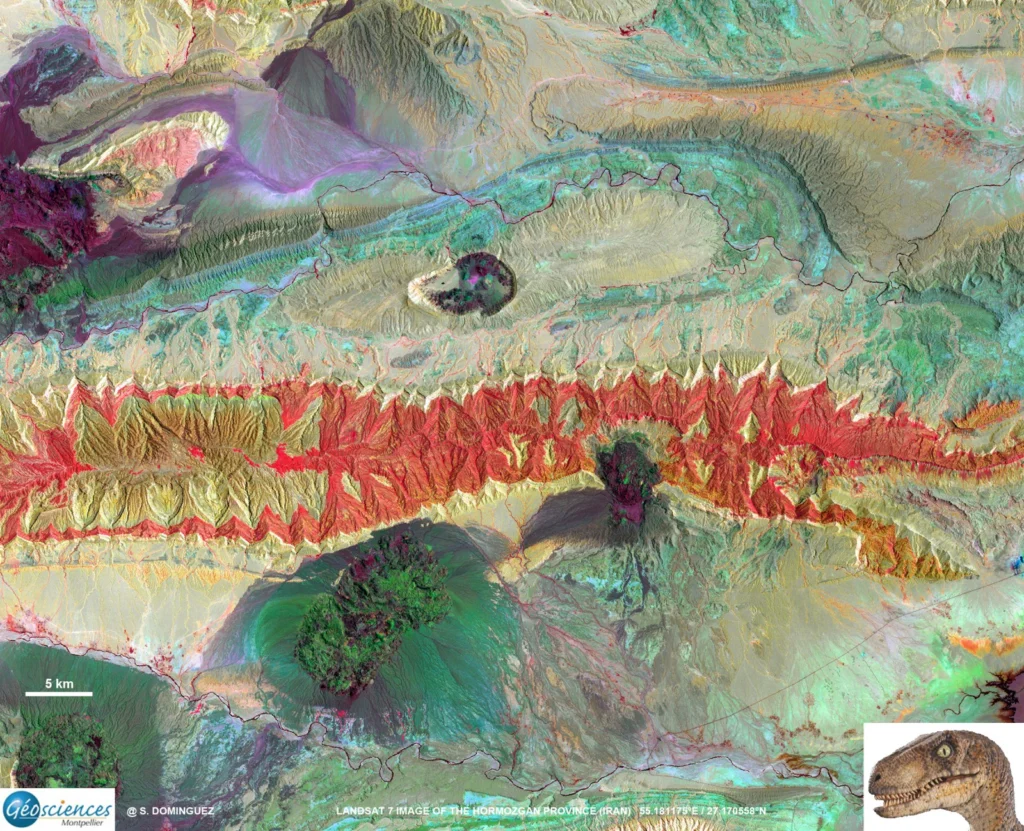
How many times have you turned your head up to the sky and spotted familiar shapes in the clouds? Viewing structures from afar can reveal interesting, common and, sometimes, funny patterns. Satellite images are often used to map geological terrains. They offer a bird’s eye view of the planet and the opportunity to see broad …[Read More]

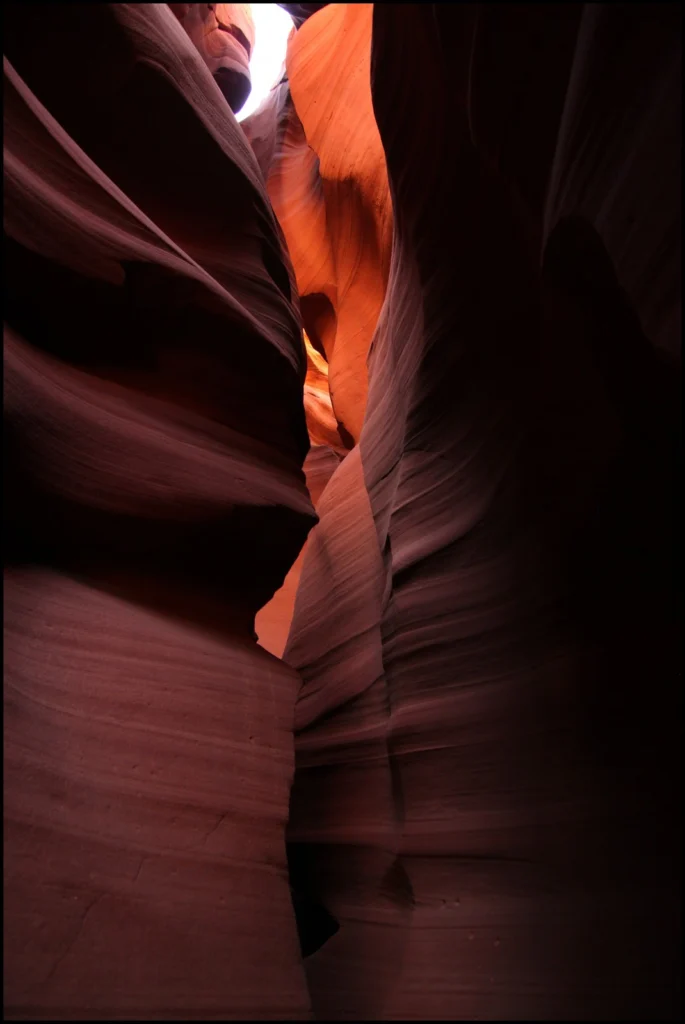
Imaggeo on Mondays: The place where water runs through rocks

Imaggeo on Mondays: The place where water runs through rocks

Antelope Canyon, located in Arizona, USA, was formed by erosion of the Navajo Sandstone, primarily due to flash flooding and secondarily due to other sub-aerial processes (think of physical weathering processes such as freeze-thaw weathering exfoliation and salt crystallisation). Rainwater runs into the extensive basin above the slot canyon sections, picking up speed and sand …[Read More]

Imaggeo on Mondays: Sunset over the Labrador Sea

Imaggeo on Mondays: Sunset over the Labrador Sea

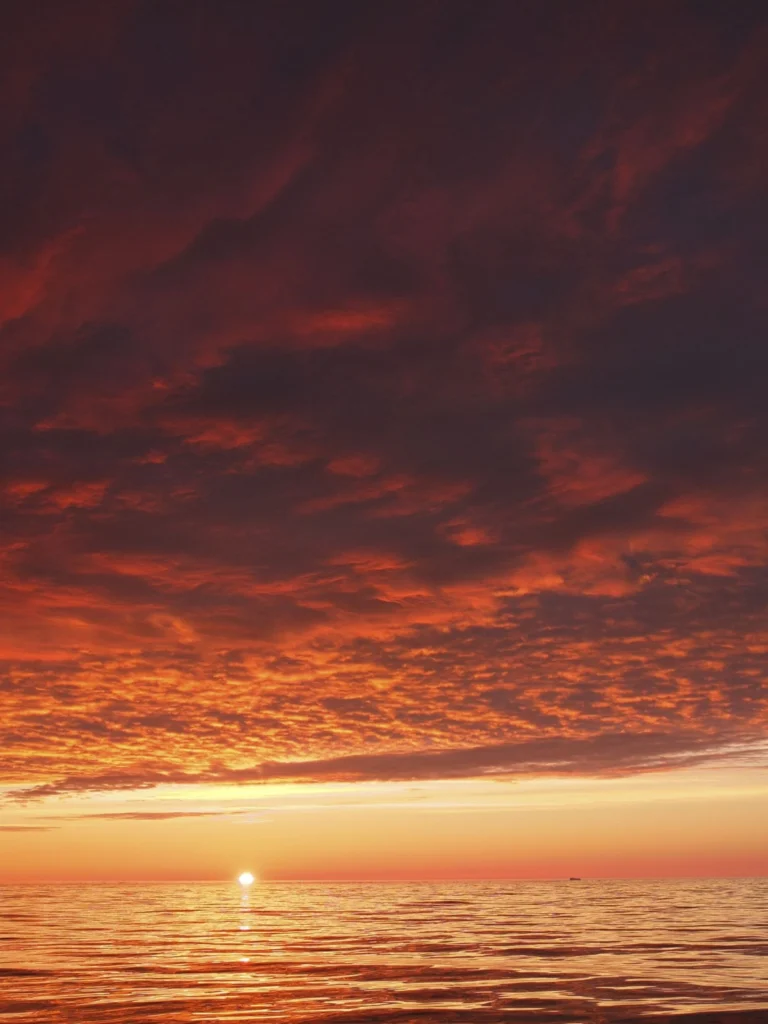
Ruby skies and calm waters are the backdrop for this week’s Imaggeo image – one of the ten finalist images in this year’s EGU Photo contest. “I took the picture while on a scientific cruise in West Greenland in 2013,” explains Christof Pearce, a postdoctoral researcher at Stockholm University. “We spent most of the time …[Read More]

Imaggeo on Mondays: Escullos

Imaggeo on Mondays: Escullos

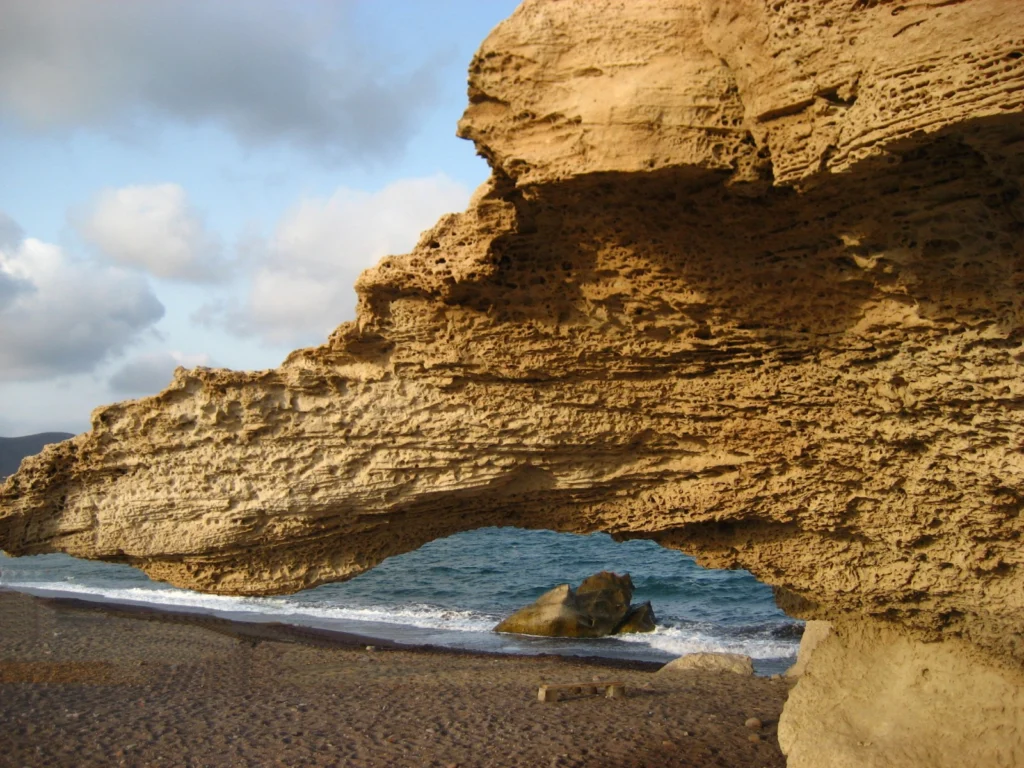
This picture shows a Quaternary aeolianite fossil dune at the Escullos beach, in the Nature Reserve of Cabo de Gata (Almeria, Spain). Originally a soft accumulation of sand grains, shaped by the wind into large mounds and ridges, the dunes eventually turn into rock. As the sediments compact under their own pressure and expel any …[Read More]

Imaggeo on Mondays: Painted Hills after the storm.

Imaggeo on Mondays: Painted Hills after the storm.

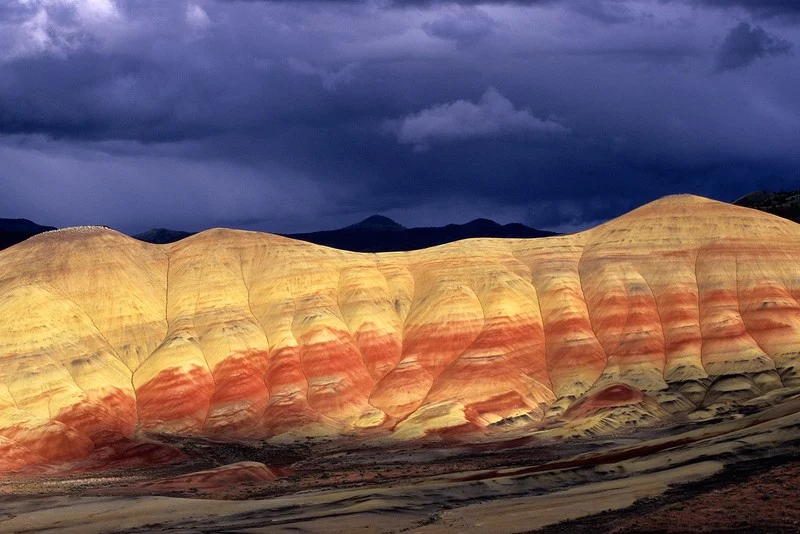
The geological record preserved at John Day Fossil beds, in Oregon, USA, is very special. Rarely can you study a continuous succession through changing climates quite like you can at this National Park in the USA. It is a treasure trove of some 60,000 plant and animal fossil specimens that were preserved over a period …[Read More]

Imaggeo on Mondays: Fossil dunes

Desert winds continually rework the sands on their surface, shifting grains up the stoss side of a dune to pile the sand higher… until the pile gets too steep and collapses under its own weight. This slipping of material along the front of the dune, allows it to move forward and migrate. The movement of …[Read More]