GeoLog

Science Communication

GeoPolicy: Reaching out on Twitter – casually engage with policymakers!

GeoPolicy: Reaching out on Twitter – casually engage with policymakers!
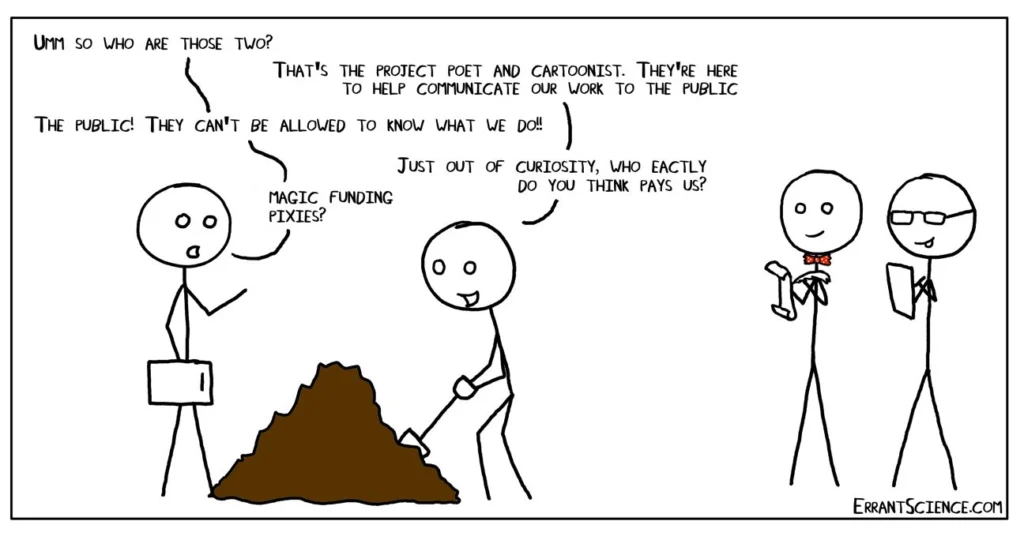
Reaching out to policymakers and sharing your research with them can seem like a daunting task! While there are many formal outlets for engaging with policymakers (such as completing questionnaires, contributing to workshops and participating in paring schemes), there are also more casual methods that can be done sporadically and with less effort. One example of this is engaging with policymakers ...[Read More]

Arts and culture at EGU 2018

Arts and culture at EGU 2018

As well as a stimulating scientific programme (remember the call-for-abstracts is currently open!), the upcoming General Assembly will also feature exciting cultural activities. Read on for a whistle-stop tour of what to expect, and of course, stay tuned to our social media channels, and follow the official hashtag (#EGU18) for more information on the run-up to the conference. A poet in residence ...[Read More]

GeoPolicy: COP23 – key updates and outcomes

GeoPolicy: COP23 – key updates and outcomes

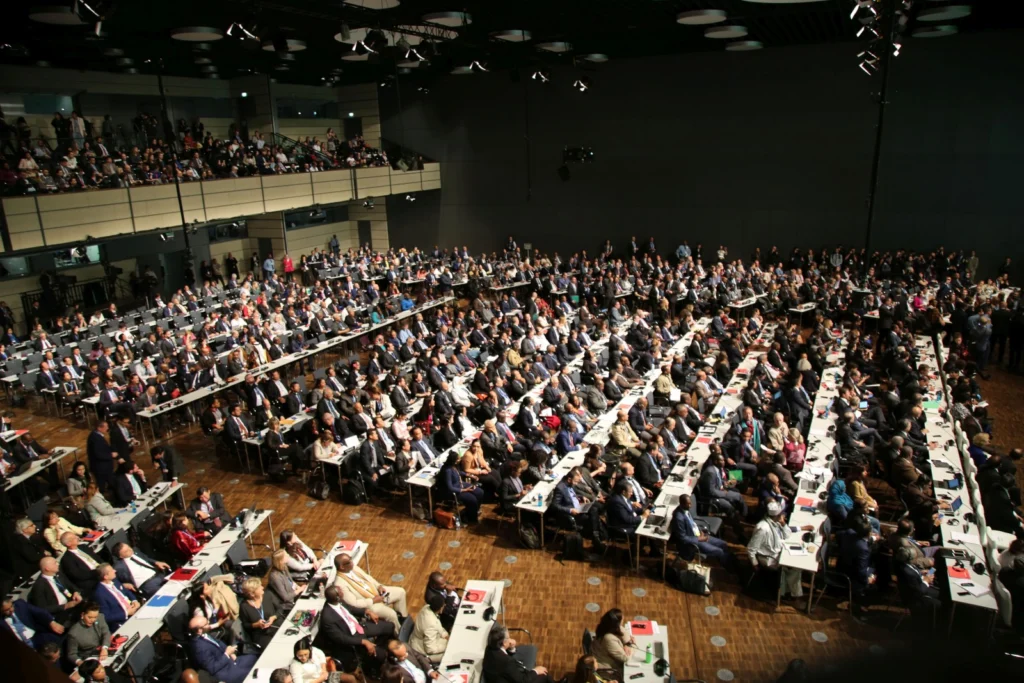
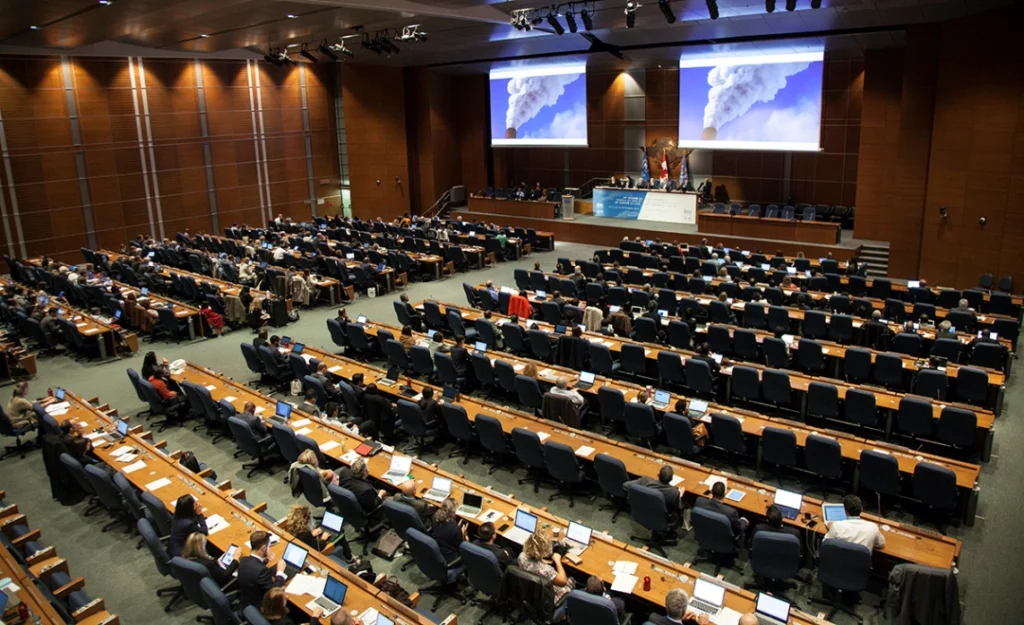
What is COP23? Anthropogenic climate change is threatening life on this planet as we know it. It’s a global issue… and not one that is easily solved. The Conference of the Parties (COP) provides world leaders, policy workers, scientists and industry leaders with the space to share ideas and decide on how to tackle climate change and generate global transformative change. COP23 will predominantly f ...[Read More]

GeoPolicy: The importance of scientific foresight

GeoPolicy: The importance of scientific foresight

Many of the issues that society currently faces are complex and research on just one angle or area does not provide sufficient information to address the problem. These challenges are compounded when more than one region (or even the entire planet) is impacted. Many of the decisions and legislations passed by governments today will go on to impact how these issues either develop or are resolved ye ...[Read More]

Geoscience communication: A smart investment

Geoscience communication: A smart investment

In this post, originally published in June 2017 on the blog of the Geological Society of America (GSA), Terri Cook, a science and travel writer and former winner of the EGU’s Science Journalism Fellowship, argues the importance of quality science communication as a means for scientists to make their research accessible to a broad audience. One way to achieve this is working with a science jo ...[Read More]

We are hiring: be our next Communications Officer!

We are hiring: be our next Communications Officer!

Do you have an interest in the Earth, space and planetary sciences and love blogging and using social media channels to communicate that passion? Then our latest job opening might be just right for you! We are looking for a Communications Officer to work with the EGU Media and Communications Manager in maintaining and further developing media- and science-related communications between the EGU and ...[Read More]

Malawi High School Teacher’s Workshop on Natural Hazards

Malawi High School Teacher’s Workshop on Natural Hazards

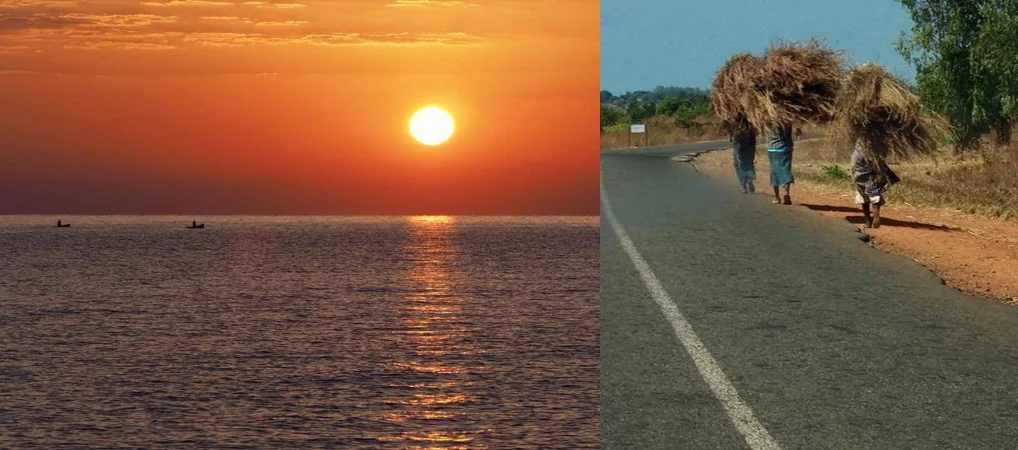
In July 2017, Professor Bruce Malamud and Dr Faith Taylor from King’s College London travelled to Mzuzu, Malawi to work in collaboration with Mr James Kushe from Mzuzu University, Malawi. They delivered an EGU funded workshop at Mzuzu University to high school teachers on natural hazards, with major funding provided by EGU, and also supported by Urban ARK and Mzuzu University. Faith and Bruce expl ...[Read More]

GeoPolicy: IPCC decides on fresh approach for next major report

GeoPolicy: IPCC decides on fresh approach for next major report

This month’s GeoPolicy post is a guest post from Sarah Connors, a Science Officer in the Intergovernmental Panel on Climate Change (IPCC) Working Group 1 Technical Support Unit (and former EGU Science Policy Officer). The IPCC is starting its sixth cycle, in which hundreds of scientists take stock of the world’s climate change knowledge by assessing the current scientific literature and then summa ...[Read More]

Is it an earthquake, a nuclear test or a hurricane? How seismometers help us understand the world we live in

Is it an earthquake, a nuclear test or a hurricane? How seismometers help us understand the world we live in

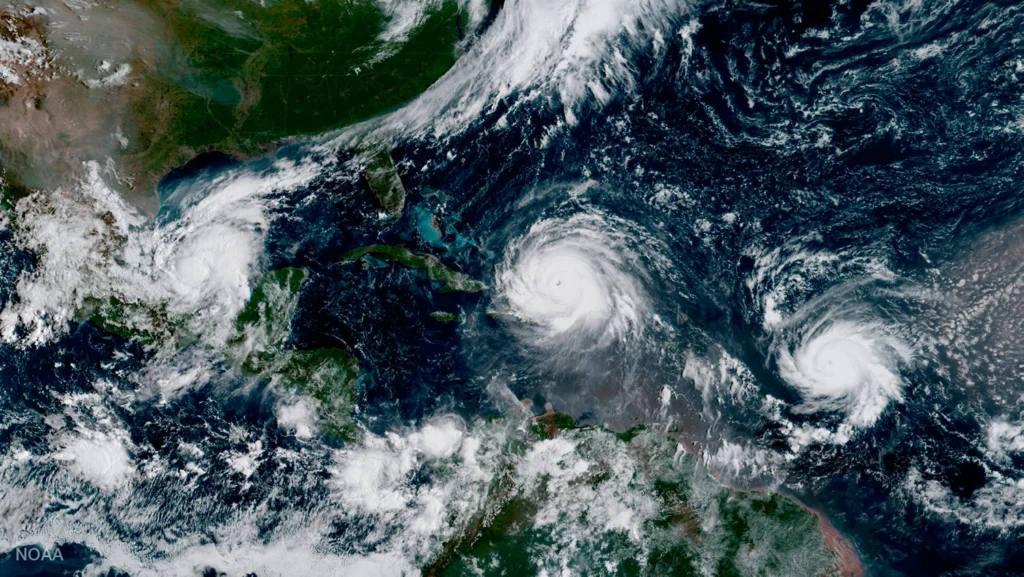
Although traditionally used to study earthquakes, like today’s M 8.1 in Mexico,  seismometers have now become so sophisticated they are able to detect the slightest ground movements; whether they come from deep within the bowels of the planet or are triggered by events at the surface. But how, exactly, do earthquake scientists decipher the signals picked up by seismometers across the world? And mo ...[Read More]