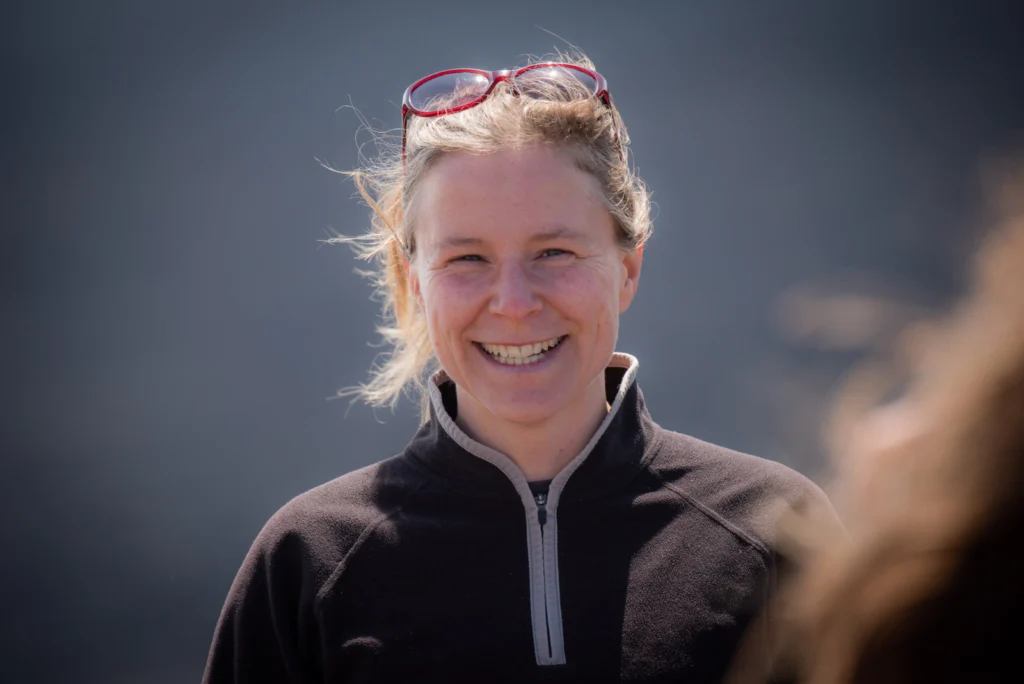
Hi Morelia. Thank you for joining us today! Could you tell our readers a bit about yourself and your research? Hi, I am Junior Professor for Marine Geomechanics at GEOMAR Helmholtz Centre for Ocean Research Kiel and Kiel University in Germany. I graduated at the University of Bremen (Germany) and did my PhD in 2013 …[Read More]
Regular Features
Imaggeo On Monday: Comb through the mysteries of Comb Ridge, Utah
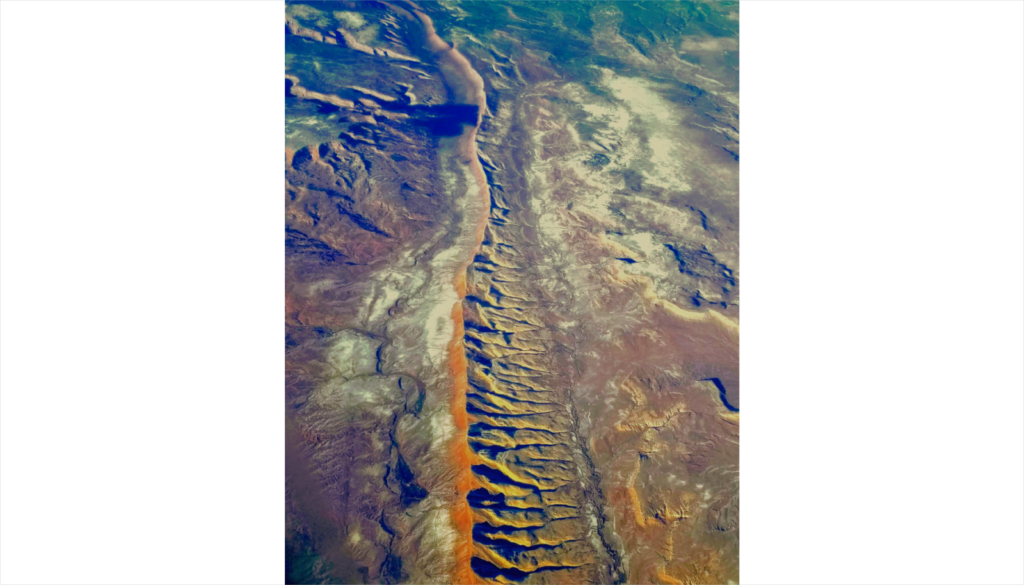
Scientists have combed through the mysteries offered by this ridge for a long time. This is an aerial image of the linear north-south ridge in South-Eastern Utah. First mapped by modern geoscientists in the late 19th century, the ridge is home to numerous Puebloan cliff dwellings and petroglyphs. It is a National Natural landmark and …[Read More]
The theory of continental drift and how it changed the geosciences forever
German scientist Alfred Wegener spent most of his life defending a shocking theory: that all the world’s continents were once part of the same land mass before they drifted away. For many years after he passed, his theory continued to be shunned, ridiculed, and labelled as pseudoscience. And then, several decades later, geologists began to …[Read More]
Imaggeo On Monday: Scary sea ice drilling in the antarctic darkness!
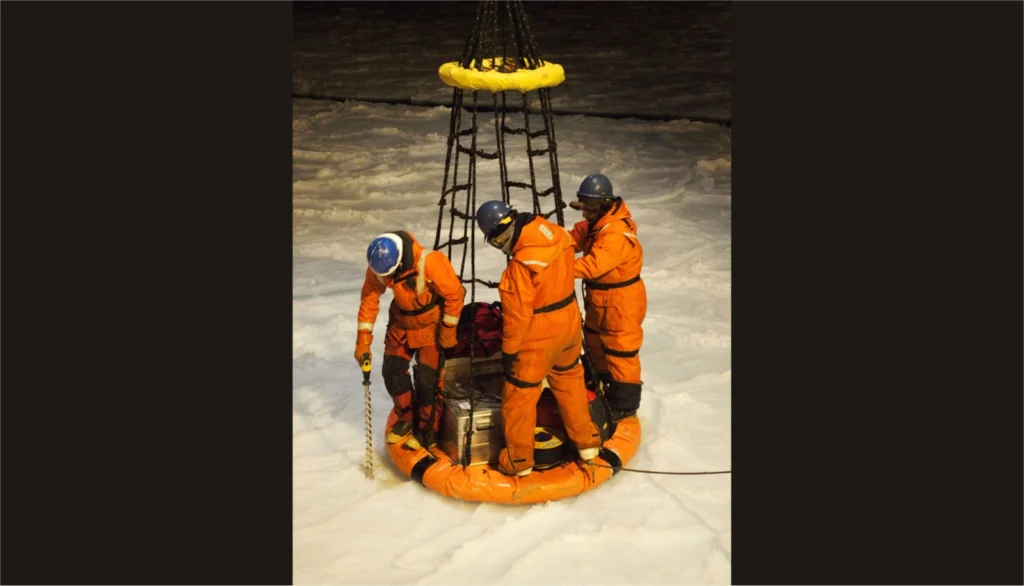
This picture was taken from the N.B. Palmer ice breaker during the PIPERS expedition in the austral winter of 2017. Two researchers and a marine technician were drilling cores in the sea ice of the Ross Sea. The ice was too thin and started to crack (see the fault in the background), so the team …[Read More]
GeoRoundup: the highlights of EGU Journals published during October!
Each month we feature specific Divisions of EGU and during the monthly GeoRoundup we put the journals that publish science from those Divisions at the top of the Highlights roundup. For October, the Divisions we are featuring are: Natural Hazards (NH), Seismology (SM) and Geochemistry, Mineralogy, Petrology and Volcanology (GMPV). They are served by the journals: …[Read More]
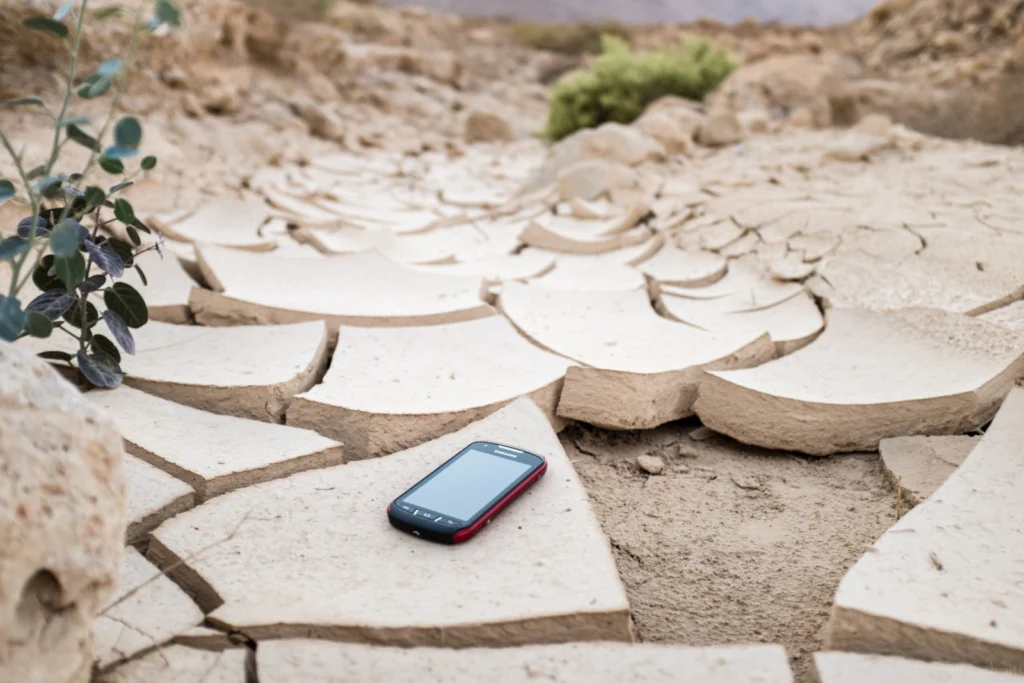
Imaggeo On Monday: Drought – a prerequisite for hazardous flash floods
The drying out of the soil leads to the hazard of flash floods in the wadis of the Dead Sea Valley during sparse but strong rain events. During longer precipitation-free periods and extreme low relative humidity, driven by mesoscale wind, the soil crust ultimately tends to break into piece. Photo by Stefan Schmitt, description from …[Read More]
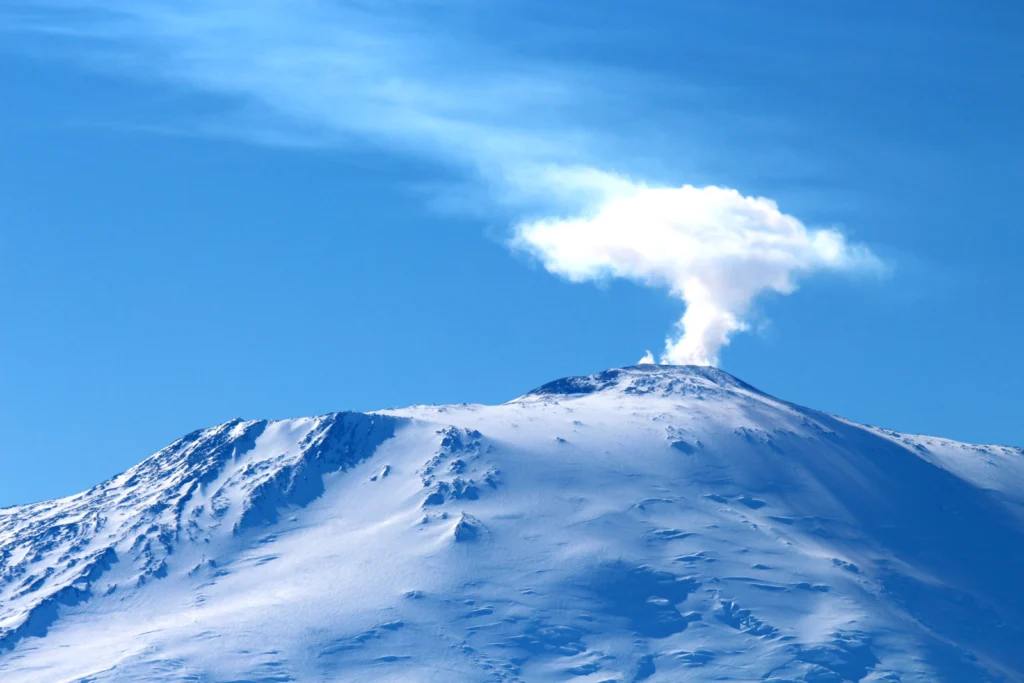
Imaggeo On Monday: Plume of steam rising from the crater of Mount Erebus, Antarctica
Plume rising from Mount Erebus on a rare calm day. This 3794 m high volcano is the most active in Antarctica and close to the American base at McMurdo. Photo by Martyn Unsworth, description from imaggeo.egu.eu. Imaggeo is the EGU’s online open access geosciences image repository. All geoscientists (and others) can submit their photographs and videos to …[Read More]
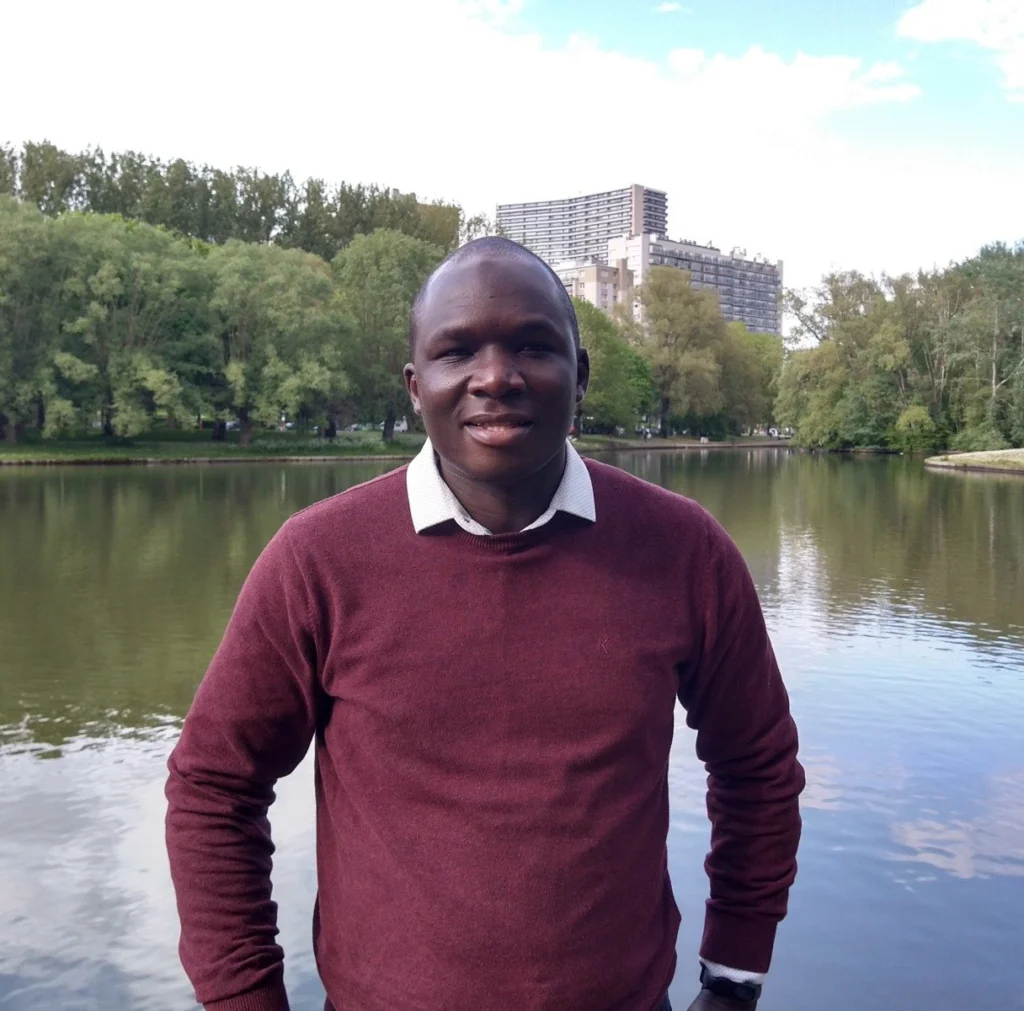
GeoTalk: meet Blaise Nyandwi, researcher in public perceptions of volcanic hazards!
Thanks for joining us today Blaise! To begin, could you talk about your background and why you pursued research on people’s perceptions of natural hazards? I have a background in geology and environmental sciences. Goma is my hometown and I work as a lecturer at the University of Goma. Living and working in a city …[Read More]
Imaggeo On Monday: Morning view of volcanoes in Java, Indonesia
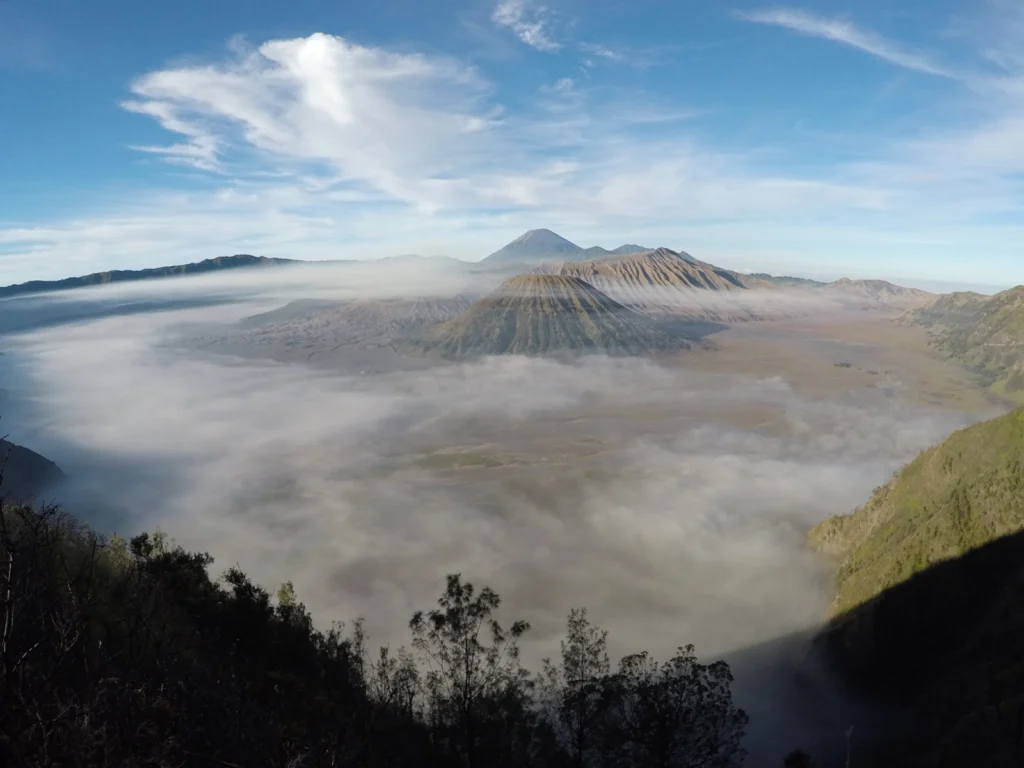
Tengger Caldera is a volcanic complex consisting of five overlapping stratovolcanoes (Mounts Batok, Bromo, Kursi, Watangan and Widodaren) forming out of the ancient volcano Tengger, which was formed about 820,000 years ago, situated in East Java, Indonesia. In this panoramic view are visible Mount Batok (in the front; an inactive volcano with lush green vegetation …[Read More]
Glacial lake outburst floods: What we know about this destructive ice hazard
Glacial lake outburst floods are among the most concerning consequences of retreating glaciers in mountain ranges around the world. Although the phenomenon isn’t a new one, it has increasingly become the focus of research efforts in the last two decades, with many scientists seeing these floods as an emblematic symptom of climate change. This blog …[Read More]