For the most part, EGU’s policy activities focus on science advice, science for policy, and occasionally a policy for science initiative! But Science Diplomacy is another adjacent area that is often asked about. This month’s GeoPolicy Blog post will give an overview of Science Diplomacy, its different strands, and how scientists can engage with it! What do we mean by science diplomacy? Scie ...[Read More]
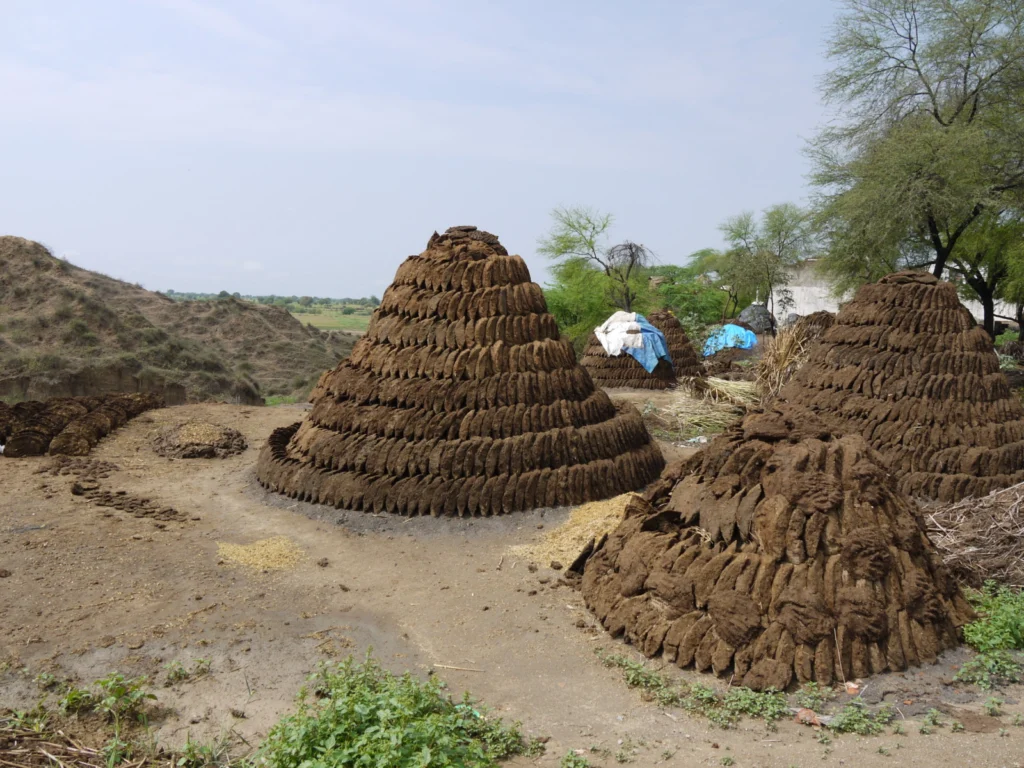
Imaggeo On Monday: Works of art – works of muck
Dung cakes made from buffalo manure are artfully piled up in a village in Madhya Pradesh. Used as fuel for cooking fires, they are a sustainable energy source in rural areas of India, but add to air pollution by biomass burning. Photo by Irene Marzolff, as described on imaggeo.egu.eu. Imaggeo is the EGU’s online open access geosciences image repository. All geoscientists (and others) ...[Read More]
How a Spanish newspaper experiment is improving public understanding of climate change
Climate change is not a new phenomenon. Nor is global warming. So why do researchers report a poor public understanding of this subject around the world? According to a recently published study, 70% of the people surveyed said they were concerned about rising global temperatures but had little knowledge about the climate crisis. When asked how much they knew about the origin and effects of global ...[Read More]
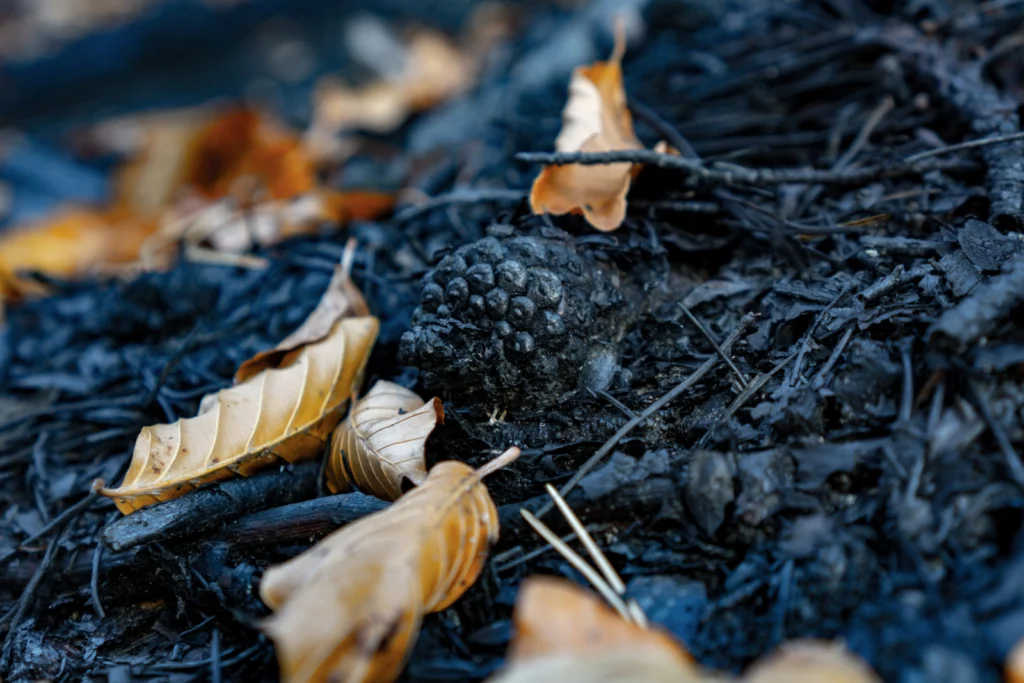
Imaggeo On Monday: Beech leaves on burned ground
A charred pine cone lies on the ground of a mixed beech-pine forest following a forest fire in the Rax-Schneeberg region of Austria in 2021. The charred pine cone and litter are surrounded by unburned yellow beech leaves that fell to the ground after the surface fire. Pyrogenic carbon such as the charred pine cone can remain stable in the environment for extended periods of time and can affect bio ...[Read More]
GeoRoundup: the highlights of EGU Journals published during July!
Each month we feature specific Divisions of EGU and during the monthly GeoRoundup we will be putting the journals that publish science from those Divisions at the top of the Highlights roundup. For July, the Divisions we are featuring are: Atmospheric Science (AS), Hydrological Sciences (HS) and Geomorphology (GM). They are served by the journals: Geoscientific Model Development (GMD), Annales Geo ...[Read More]
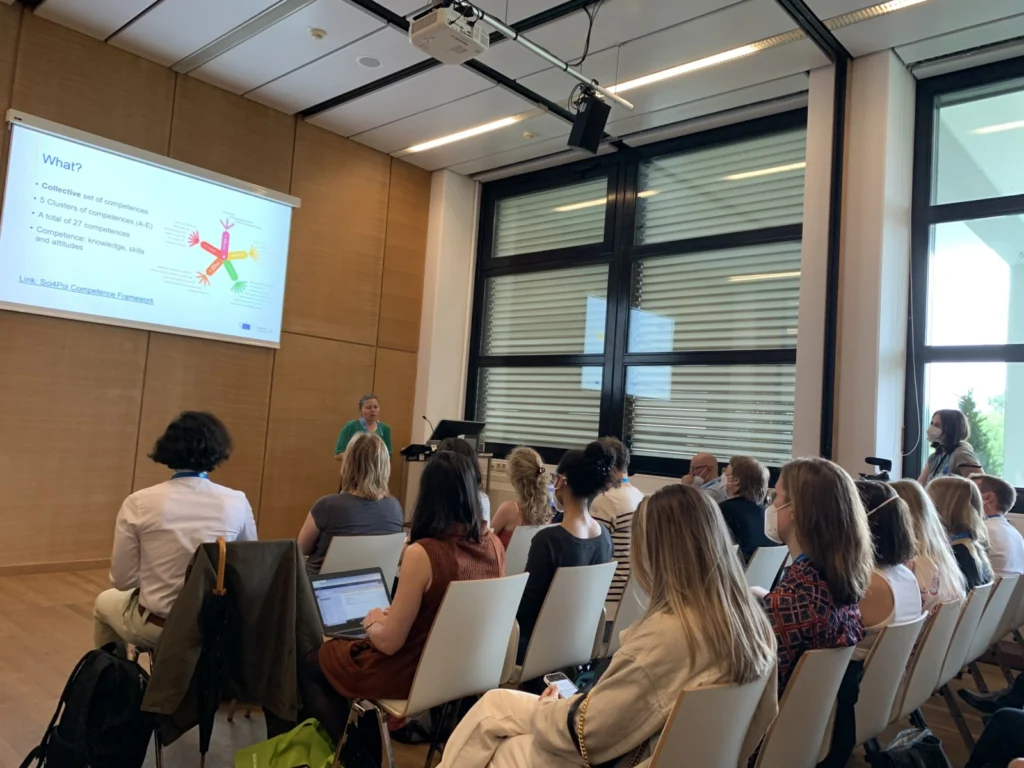
GeoPolicy: Competencies for researchers to achieve policy impact
This month’s GeoPolicy Blog post features the Competence Framework ‘Science for Policy’ for researchers developed by the European Commission Joint Research Centre (JRC). This newly developed framework introduces the different competences scientists can collectively build to increase their policy impact, and how it can be used by research institutions and organisations. Throughout this post, ...[Read More]
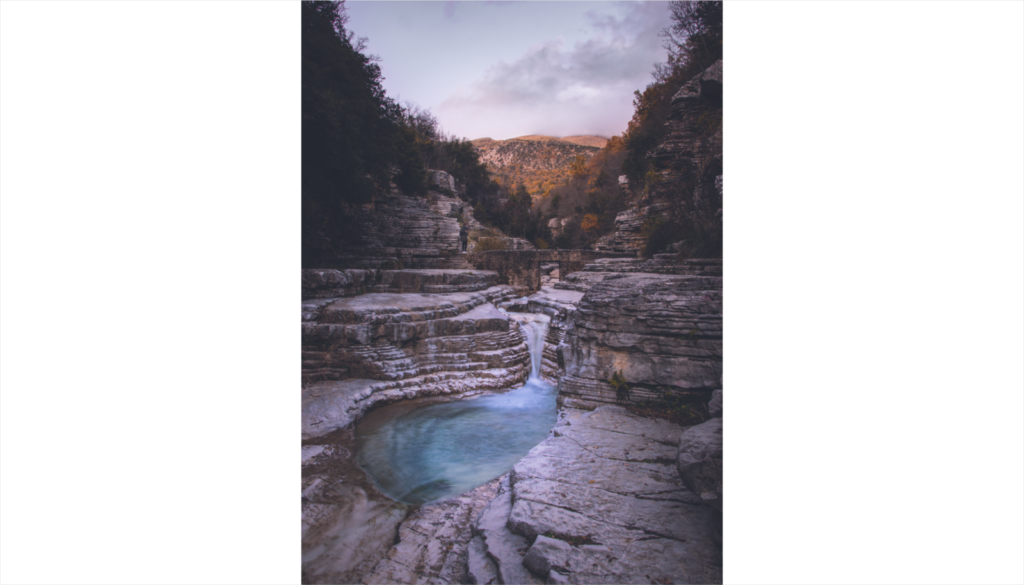
Imaggeo On Monday: The Papingo’s rock pools
The Papingo’s rock pools are located at the mountainous area of Epirus in northwestern Greece, at an altitude of 980 meters. The Rogovo stream, over the years, has eroded the limestone rocks creating a complex of water falls and cavities (natural rock pools) with clear and cold running water, which the locals call “ovires”. Photo by Athanasios Serafeim, as described on imaggeo.egu.eu. ...[Read More]
GeoTalk: meet Abraham Dabengwa, Early Career savanna conservationist!
Hello Abraham. Thank you for speaking with us today! Could you tell our readers a bit about yourself and your research? Thanks, Simon! It’s a pleasure to be invited to share about my work. Well, where do I begin? For starters, I’m a Genus Postdoctoral Fellow at the University of the Witwatersrand in Johannesburg, South Africa. I describe myself as an early-career African ecologist with a keen inte ...[Read More]
Imaggeo On Monday: Ninepin Group: the spectacular hexagonal columns
The picture shows the world’s rarest hexagonal rhyolitic volcanic rock columns on the northern island of the Ninepin Group in the easternmost waters of Hong Kong. These rocks columns are believed to form about 140 million years ago after a major volcanic eruption near Sai Kung. When the volcanic ash and lava slowly cooled down, joints and cracks started to develop on the surface and then extended ...[Read More]
Spring, Summer, Winter…Haze?
Around the world, societies have many different ways to define the seasons, but for most people a season is identified by a set of culturally specified events, such as the arrival of migratory birds, certain anticipated weather patterns, or a range of expected temperatures. Over recent years many studies have examined the various ways that anthropogenic climate change has affected the way that our ...[Read More]