GeoLog

Natural Hazards

Congratulations to the winners of the EGU Best Blog Posts of 2021

Congratulations to the winners of the EGU Best Blog Posts of 2021

At EGU, we like to believe that a new year is more meaningful when we pause to look back at the year gone by – just a brief glimpse to appreciate all our good work and progress! 2021 was certainly an excellent year for our blogging network at EGU. Across the EGU’s official blog, GeoLog and division blogs we had so many inspiring, thought-provoking and even entertaining posts this year. Thank you t ...[Read More]

What if a tsunami’s magnetic field could predict the height of the wave?

What if a tsunami’s magnetic field could predict the height of the wave?

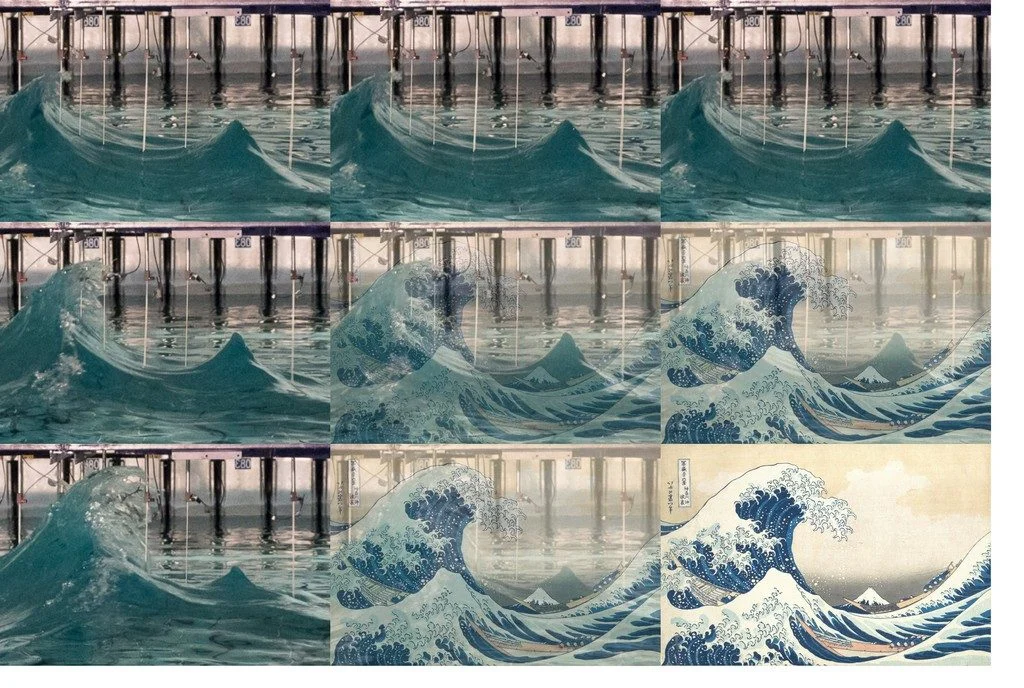
It’s been well established that tsunamis generate magnetic fields as they move seawater (which is conductive unlike freshwater) through the Earth’s magnetic field. Although researchers previously predicted that the tsunami’s magnetic field would arrive before a change in sea level, they lacked the means to simultaneously measure magnetics and sea level to confirm this phenomenon. Now, a new study ...[Read More]

Imaggeo on Mondays: Magnetic interaction

Imaggeo on Mondays: Magnetic interaction

Space weather is a ubiquitous, but little known, natural hazard. Though not as tangible as a volcanic eruption, storm or tsunami wave, space weather has the potenital to cause huge economic losses across the globe. In Europe alone, the interaction of solar wind with our planet’s magnetosphere, ionosphere and thermosphere, could lead to disrutions to space-based telecommunications, broadcasti ...[Read More]

Imaggeo On Monday: An ever evolving landscape – Orog Nuur, Mongolia

Imaggeo On Monday: An ever evolving landscape – Orog Nuur, Mongolia

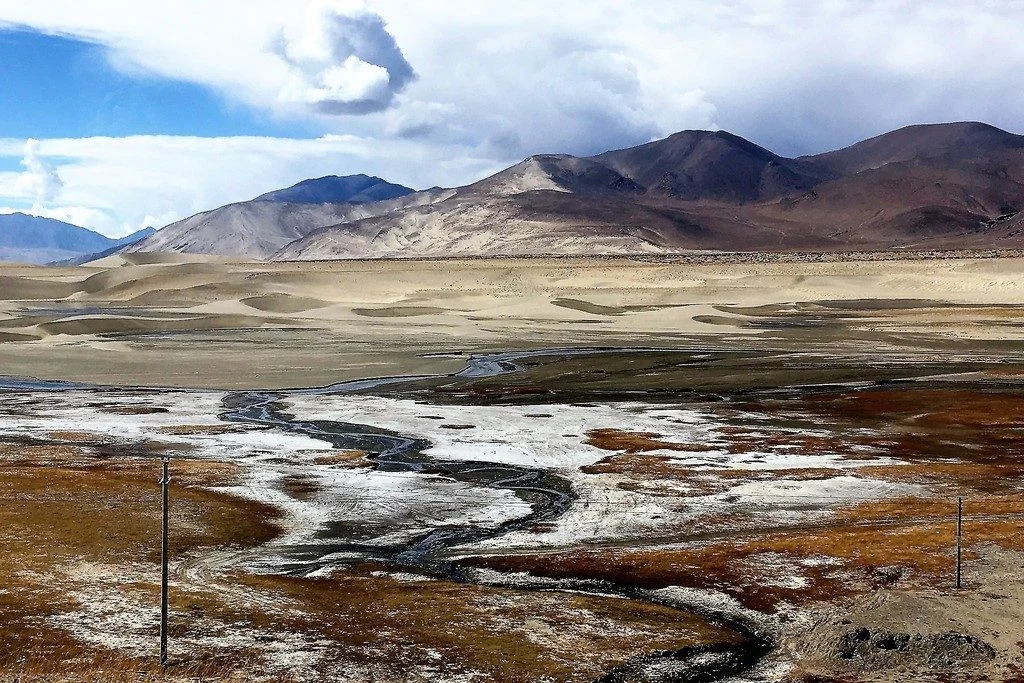
At the transition from the Gobi Altay ranges to the Valley of the Lakes in South West Mongolia, the Ikh Bogd mountain towers almost 3000 m above the aridifying endorheic Orog Nuur Basin. The actively deforming mountain front shows traces of multiple earthquakes, which in turn affect the alluvial sediments deposited in the basin. Simultaneously, strong south-eastward winds create beautiful barchan ...[Read More]