In 2010 EGU held our first annual Photo Competition at the General Assembly in Vienna. Since then hundreds of photos have been shared on imaggeo by geoscientists and researchers just like you, with a lucky few being selected each year to be highlighted during the meeting and voted on by our members. These images can be of anything to do with geology or geoscience – we get many beautif ...[Read More]
Imaggeo
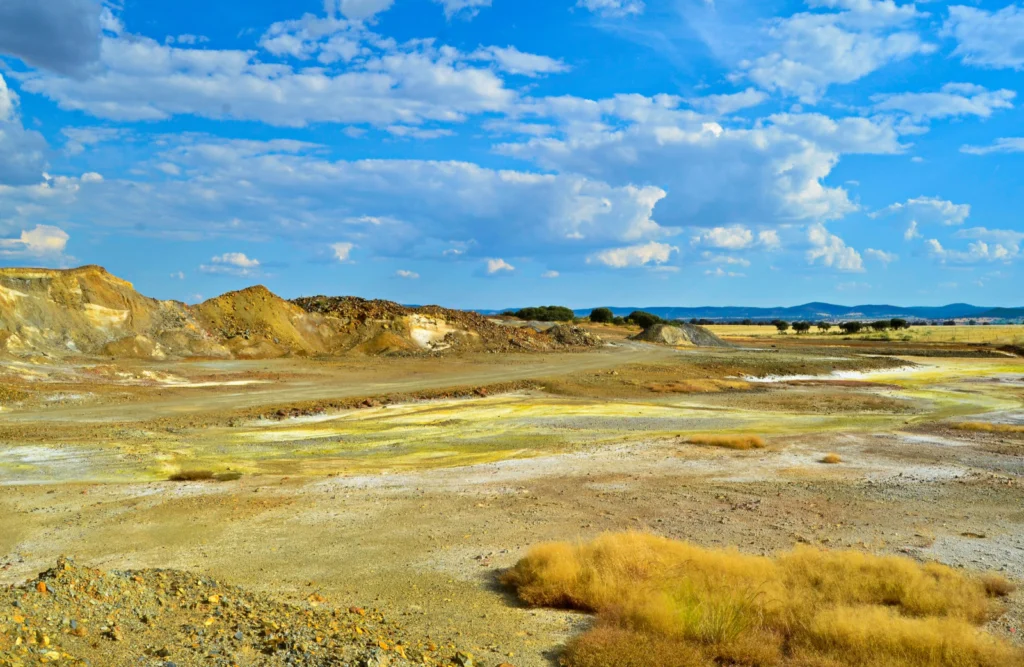
Imaggeo On Monday: Effect of acid drainage on soil
Acid drainage coming from the gangue piles of a metal sulfide mine. The resilient vegetation consists of isolated patches of Spergularia rubra and Molineriella laevis. Description by Juan Antonio Campos, after the description on imaggeo.egu.eu. Imaggeo is the EGU’s online open access geosciences image repository. All geoscientists (and others) can submit their photographs and videos to this ...[Read More]
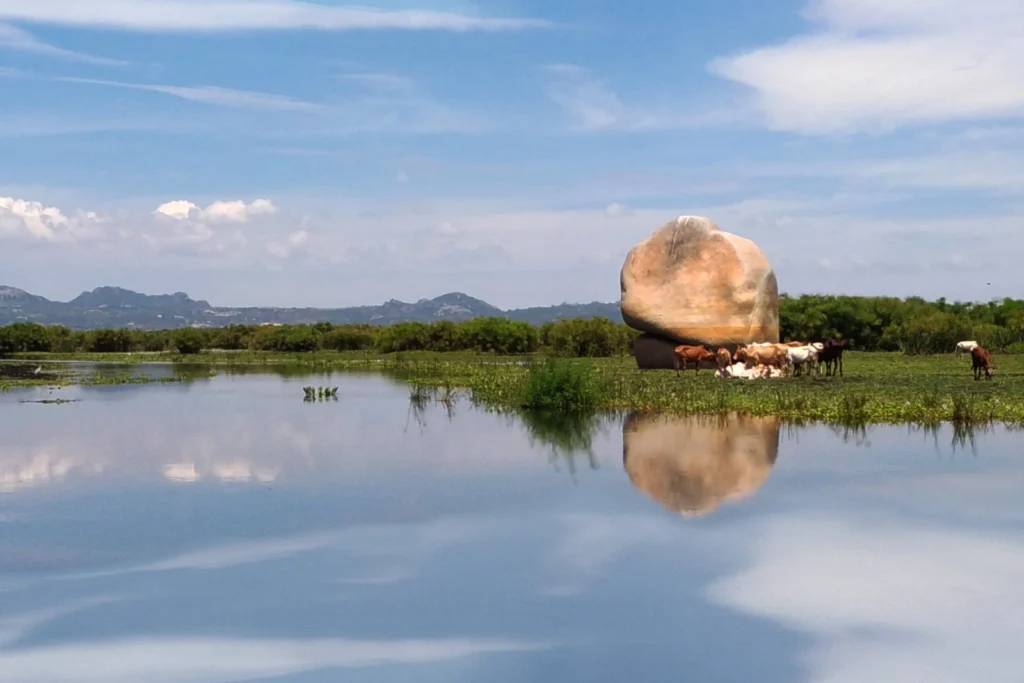
Imaggeo On Monday: A steady silent witness
I took this picture during a sunny field work day in the Mara Wetland, Tanzania. The granitic inselberg appeared to me as a huge silent witness not only of siltation and inundation of the wetland but also of the human actions. Slash-and-burn is widely used to deforest lands and riparian vegetation for new crops and grazing fields along the Mara River. The induced habitat degradation is jeopardizin ...[Read More]
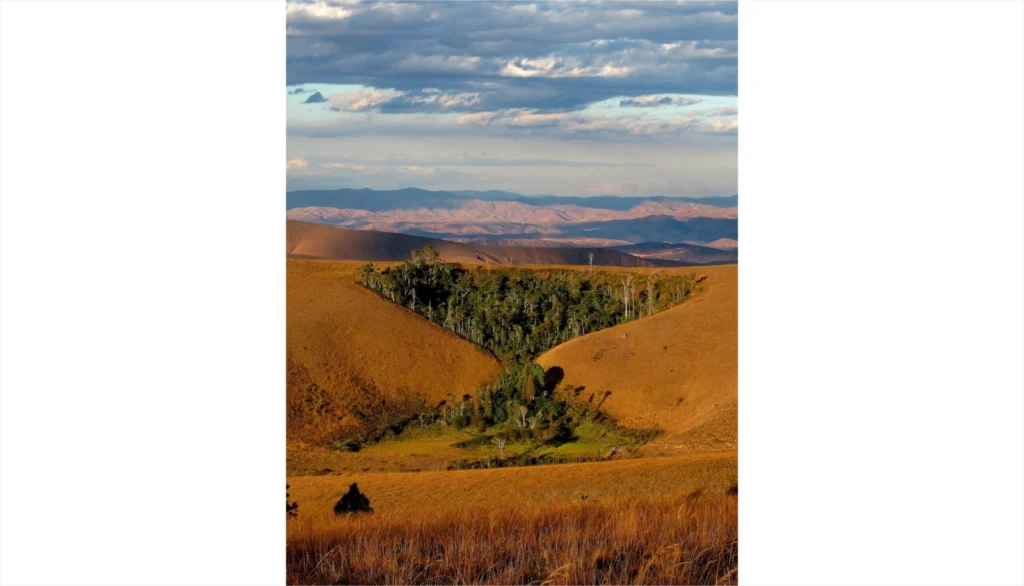
Imaggeo On Monday: Stands of Time
Within the heart of the Malagasy Hauts-Plateaux, the rolling grasslands are pitted by deep incisions locally referred to as lavaka (‘hole’ in Malagasy). These mass failure features provide vast quantities of terrestrial matter to local freshwater arteries, accounting for over 80% of the annual sediment load of the Betsiboka River. The collapse of the overlying laterite exposes a comparatively nutr ...[Read More]
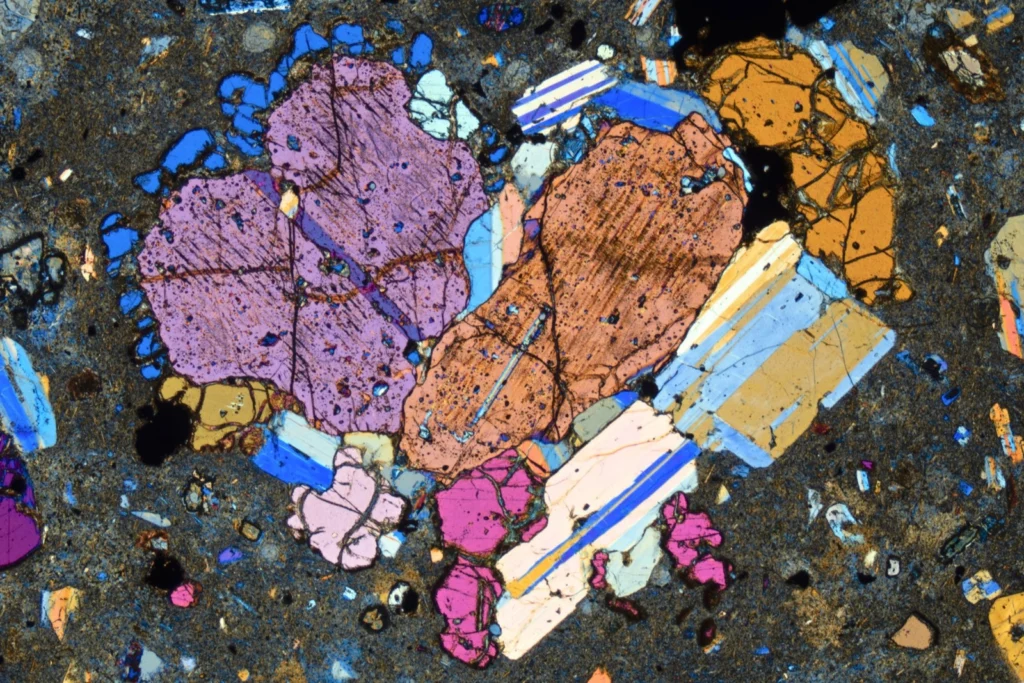
Imaggeo On Monday: The Heart of a Stone
Heart-shaped glomerocryst (aggregate of phenocrysts) made of plagioclase and pyroxene in a cordierite-bearing dacitic lava from Lipari (Eolie Islands). I study the crustal xenoliths of these lavas to understand the processes accompanying high-temperature metamorphism and crustal melting. But I came across this spectacular glomerocryst and couldn’t help but take a picture! Polarized light pho ...[Read More]
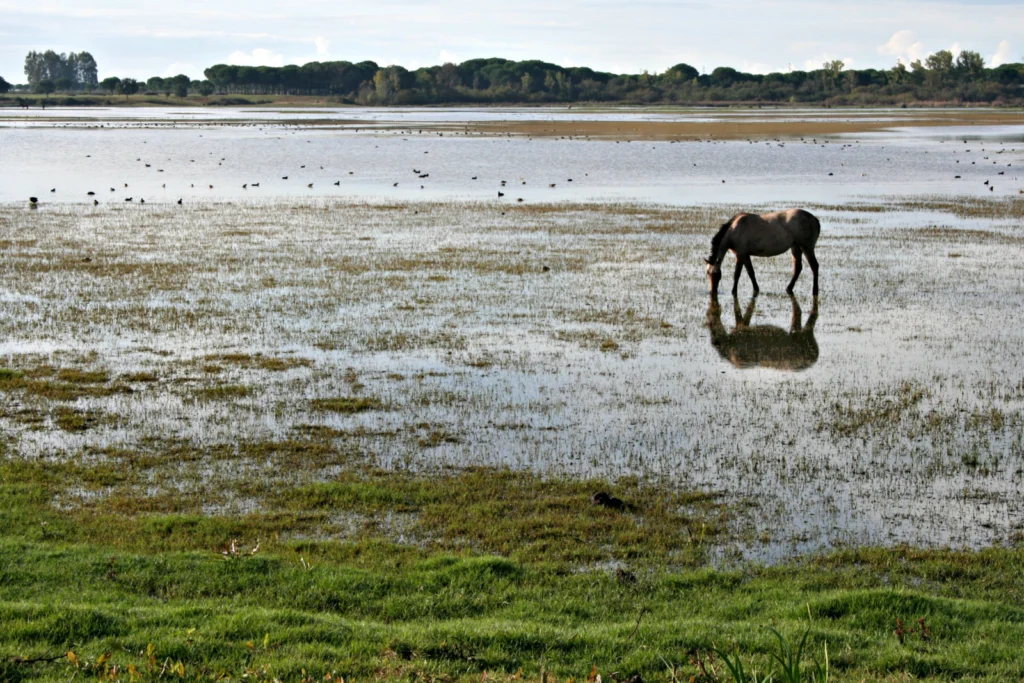
Imaggeo On Monday: Salt marsh in El Rocío (Huelva, SW Spain)
The coast line of Huelva is furrowed by wetlands and sprinkled with salt flats. These areas are a sanctuary for wildlife and are visited by migrating birds travelling between Europe and Africa. In these wetlands grow the salt cedar, the Phoenician juniper, the mastic tree, the Montpellier cistus, the rockrose, the kermes oak, rosemary, cordgrass, reeds and bulrushes. The picture shows part of the ...[Read More]
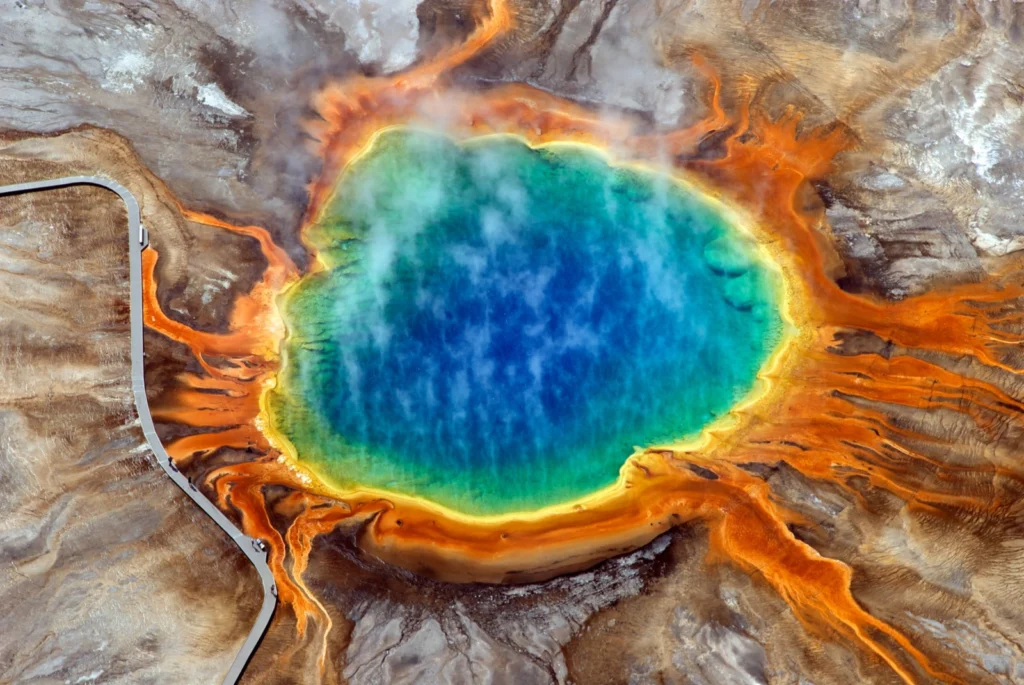
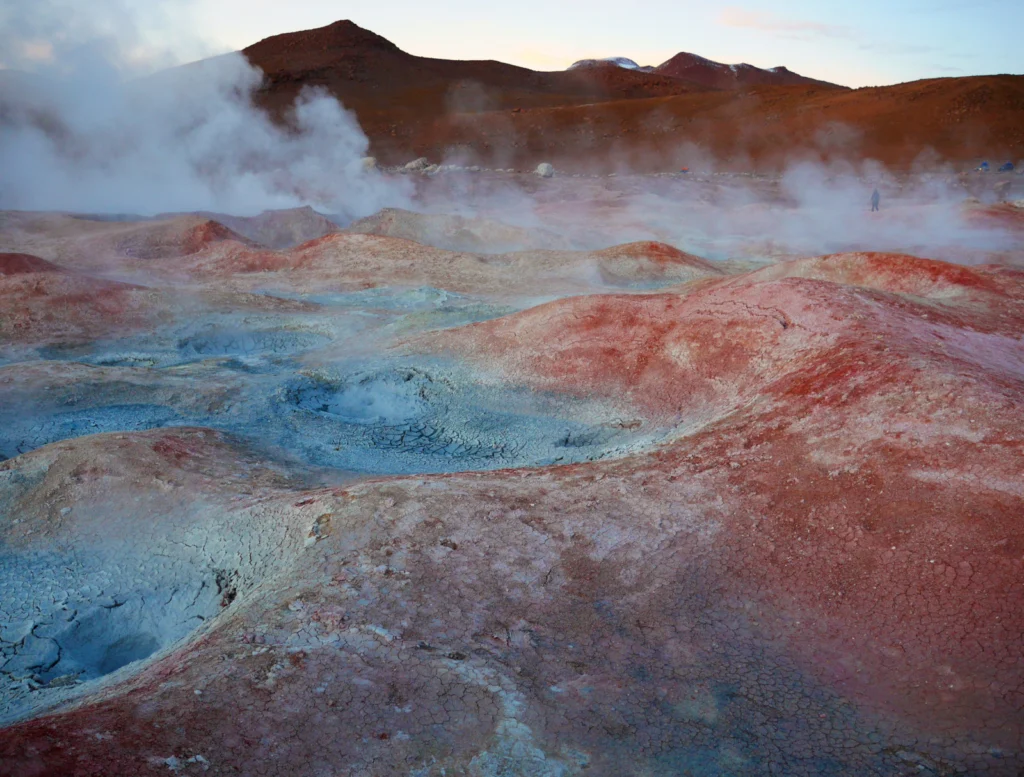
Imaggeo On Monday: Intriguing artwork by heat-loving microbes
The geothermal area Sol de Mañana is part of the Altiplano–Puna volcanic complex shared between Bolivia and Chile. The area is characterized by volcanic activity and the sulphur springs host mud lakes and steam pools. The different colours stem from thermophilic, hyperthermophilic and acidophilic bacteria that colonize areas of varying temperatures. Description by Julia Miloczki, after the ...[Read More]
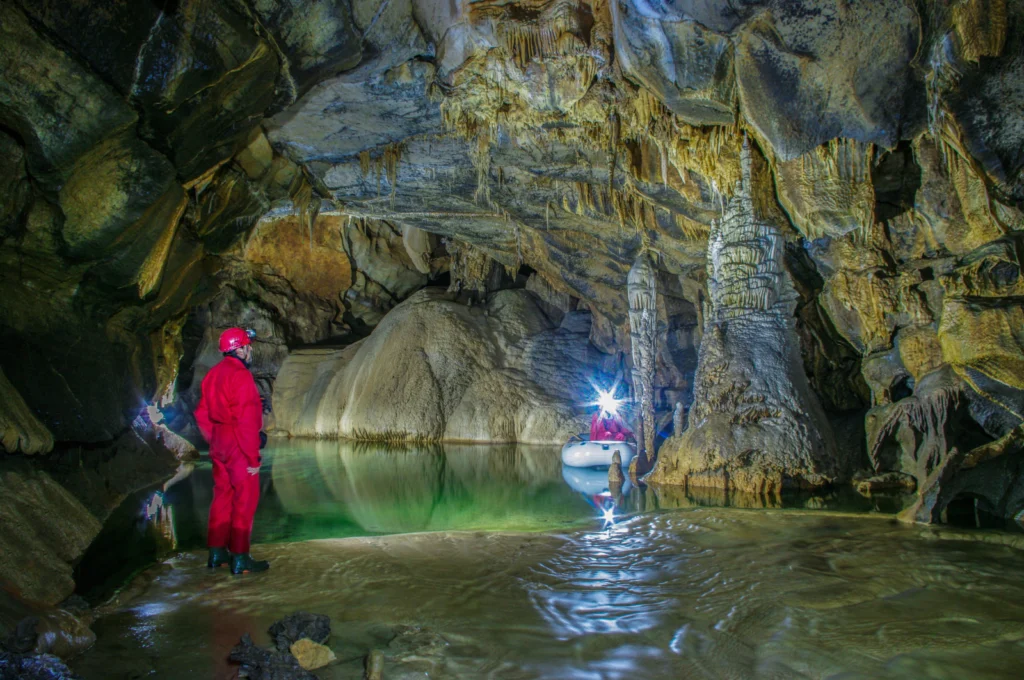
Imaggeo On Monday: Križna jama
The Križna jama Cave on the east side of the periodic Cerknica Lake in Slovenia is an underground karstic cave primarily famous as a rich site of bones of the extinct cave bear, Ursus speleus. The eight kilometer long cave is full of stalagmites and stalactites (sometimes called drip-stone decorations) and also boasts 50 underground lakes separated by sinter barriers through which crystal clear wa ...[Read More]
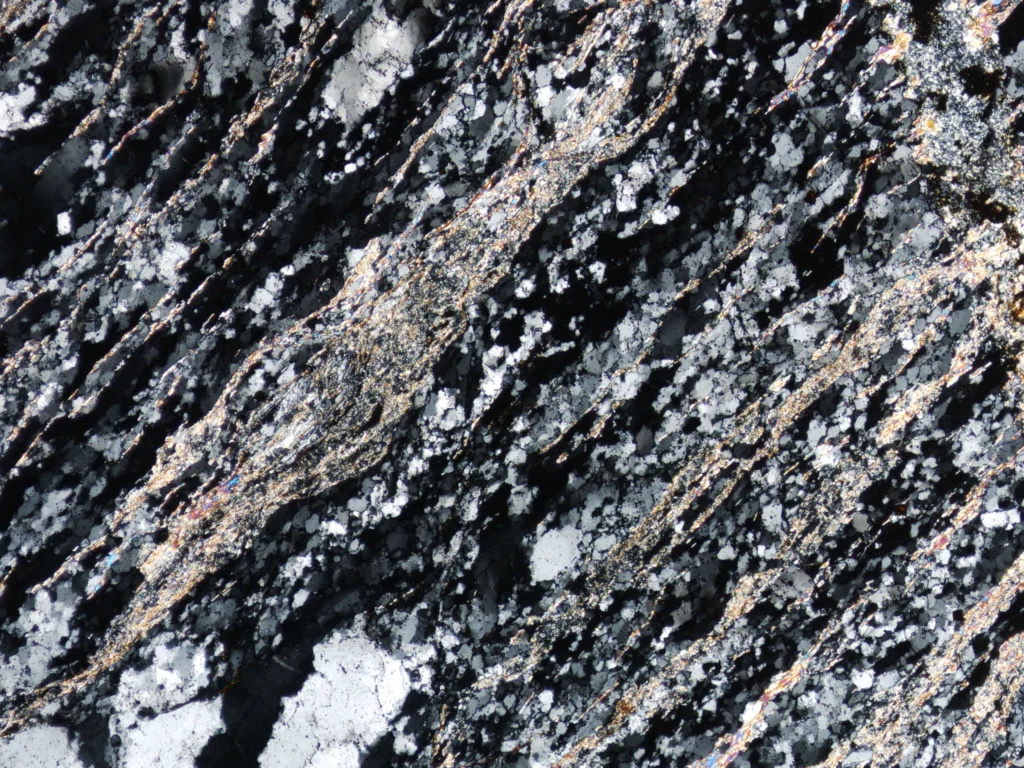
Imaggeo On Monday: Quartz – sericite mylonite, Calamita, Elba
Concomitant thrusting and magmatism resulted in the development of ductile mylonites in the Calamita Schists, part of the contact aureole of the Late Miocene Porto Azzurro pluton. This mylonite is made up of stretched and recrystallized quartz layers, interlayered with thin sericite-rich levels. Sericite resulted from the crushing of contact-metamorphic minerals such as andalusite, cordierite, and ...[Read More]
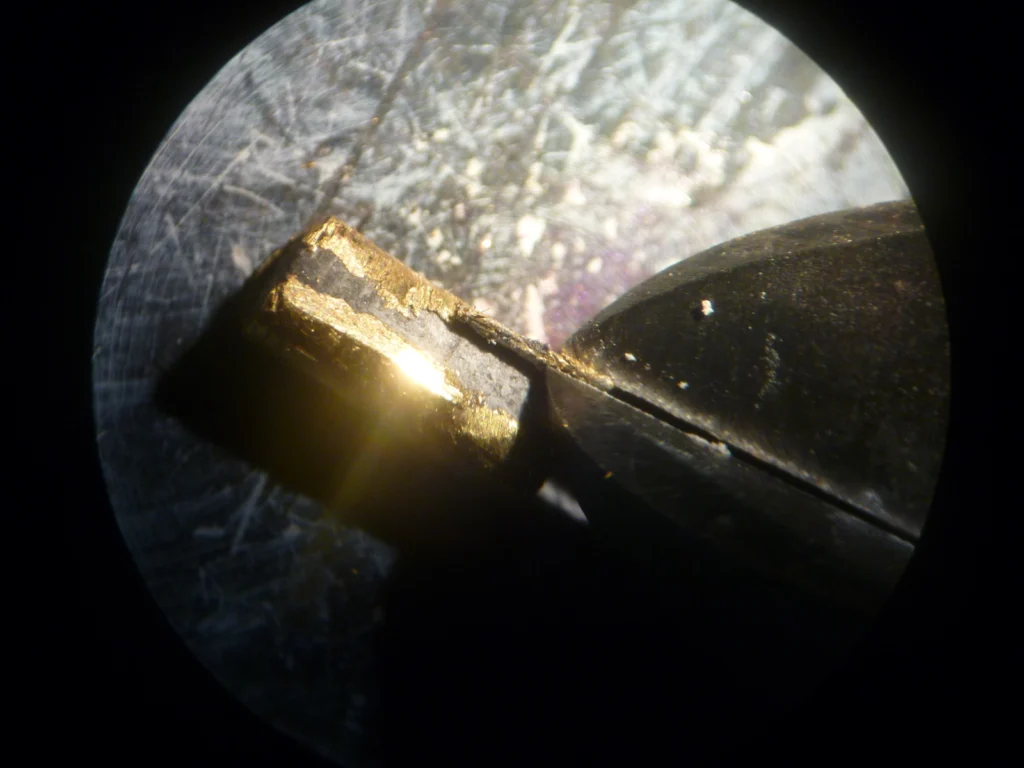
Imaggeo On Monday: Artificial peridotite takes its gold coat off
Sometimes in order to test a theory about how processes work below the surface of the Earth, scientists need to recreate minerals found in very specific circumstances. This photograph was taken through a binocular microscope during a critical step of the creation of artificial peridotite: extraction of the artificial peridotite from its gold capsule. The sample is a little cylinder, 3 mm long with ...[Read More]