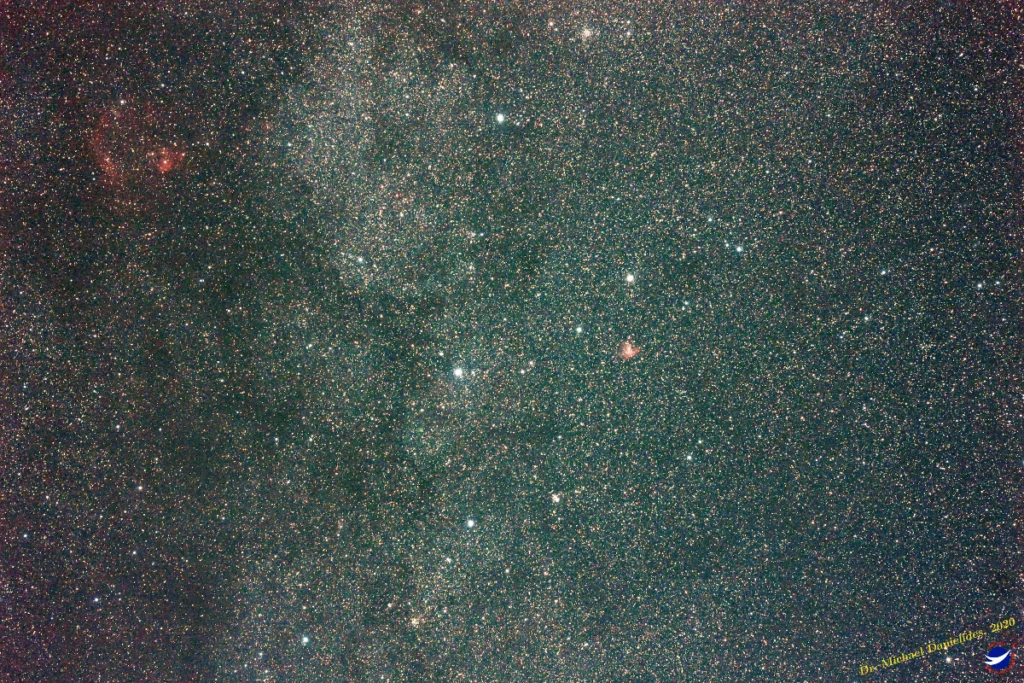
Cassiopeia with Milky Way in the background on September 9th, 2020. The image was taken in north-eastern state of Germany (Mecklenburg – Lower Pomerania) near the Town of Jarmen. The region has little light pollution and the evening had a clear sky (sky quality measure was 21.15). The image was taken at about 22:00 hrs local time. An EOS 1100D with a 50/1.6 lens was used. The exposure time w ...[Read More]
Imaggeo
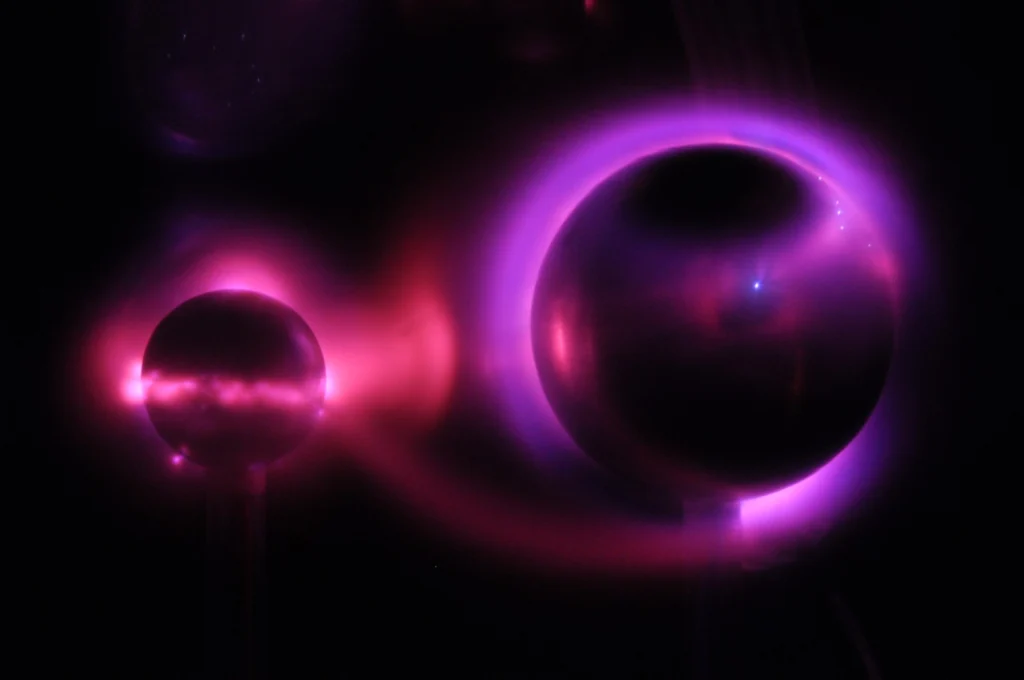
Imaggeo on Mondays: Magnetic interaction
Space weather is a ubiquitous, but little known, natural hazard. Though not as tangible as a volcanic eruption, storm or tsunami wave, space weather has the potenital to cause huge economic losses across the globe. In Europe alone, the interaction of solar wind with our planet’s magnetosphere, ionosphere and thermosphere, could lead to disrutions to space-based telecommunications, broadcasti ...[Read More]
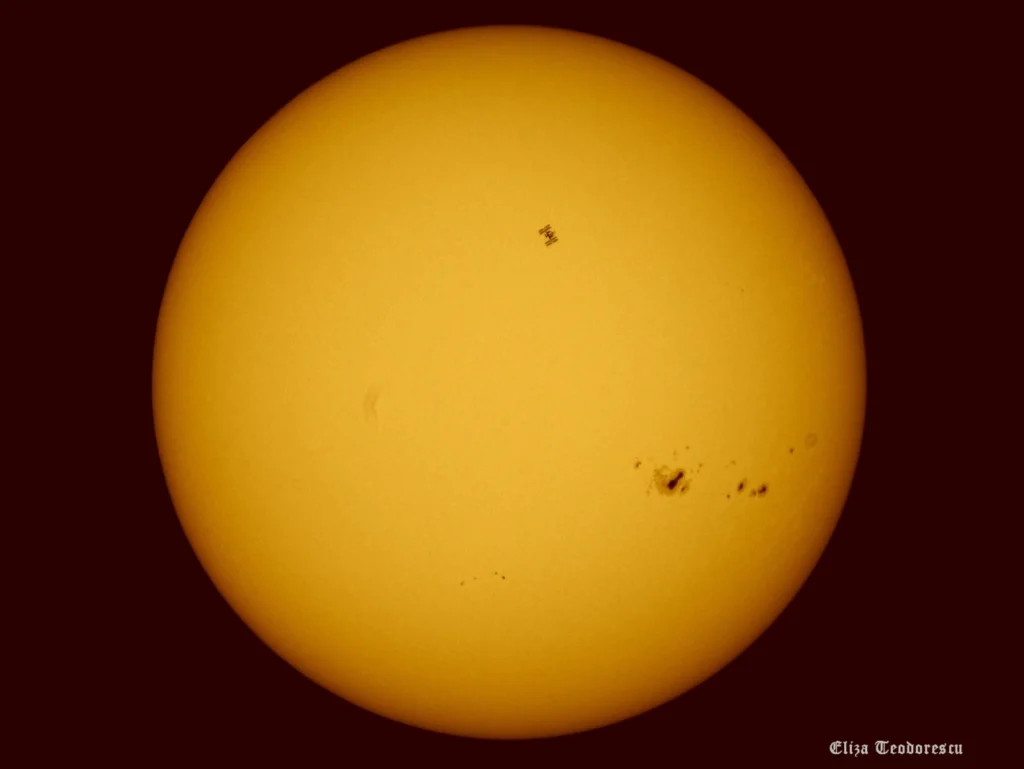
Imaggeo On Monday: International Space Station transiting the Sun
The International Space Station, a human-made, life-supporting habitat, and a most complex and unique scientific laboratory, orbits the Earth in only 90 minutes – that is 16 times a day! Even so, only occasionally, we earthlings have the privilege of seeing it’s dark outline against the much brighter surfaces of the Sun or Moon. Timing is of crucial importance if you want to see this, ...[Read More]
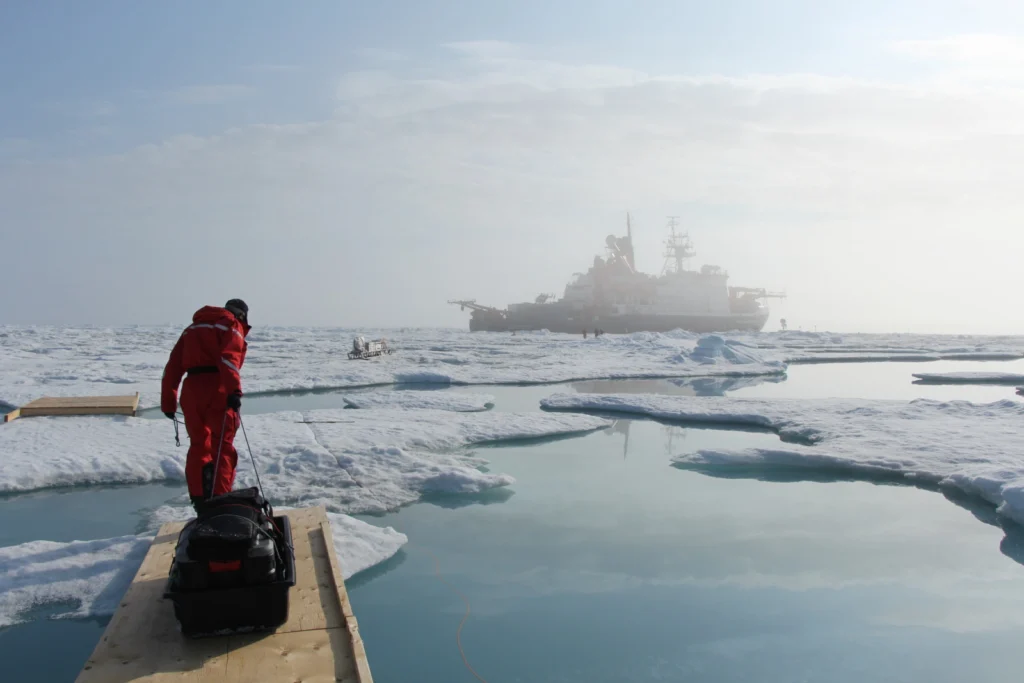
Imaggeo On Monday: After a long day in the field
Working on the sea ice can be quite exhausting. Scientists face cold temperatures and wind, constantly scanning for polar bears, while trying to squeeze valuable data out of frozen instruments. At the end of the day you might have not found what you wanted, but every single bit of information brought back truly helps in understanding our complex World. Over 12 months, 442 experts worked in ...[Read More]
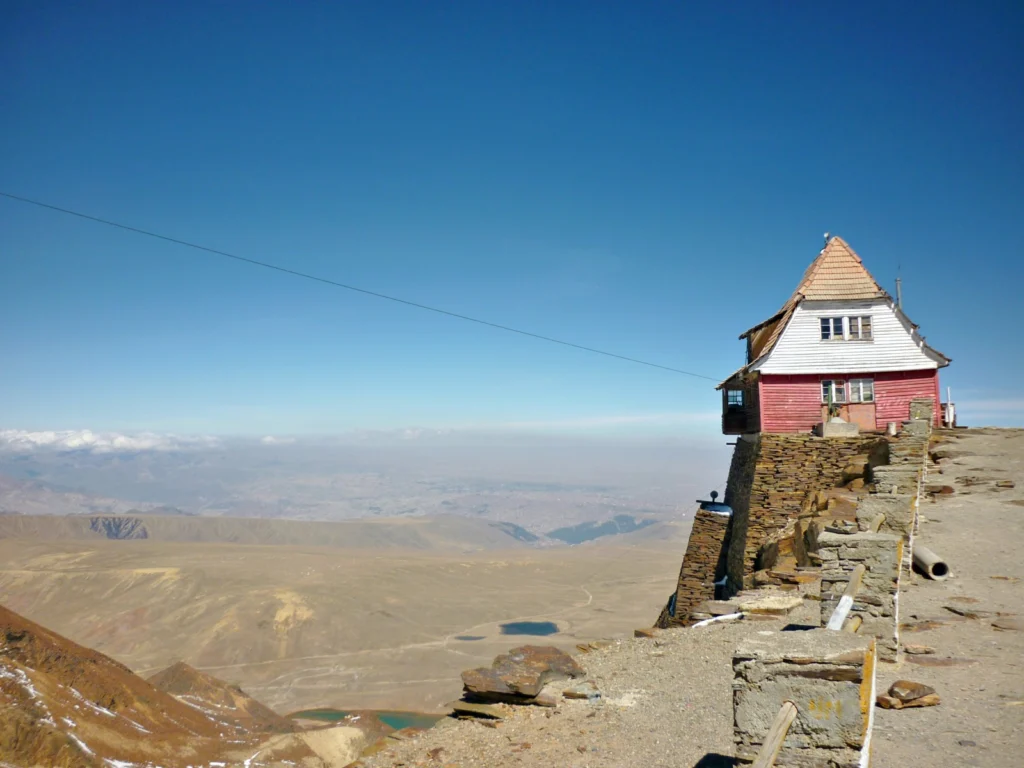
Imaggeo On Monday: the vanished glacier
Chacaltaya ski hut, Bolivian Andes, 5400 m above sea level. The world’s former highest ski resort where the Chacaltaya glacier once stood, situated in the Cordillera Real, close to La Paz. Chacaltaya vanished in 2009, six years earlier than scientists had predicted. The disappearance of the glacier is a sign of what to come for the glaciers of the Andes, with glacier retreat and disappearanc ...[Read More]
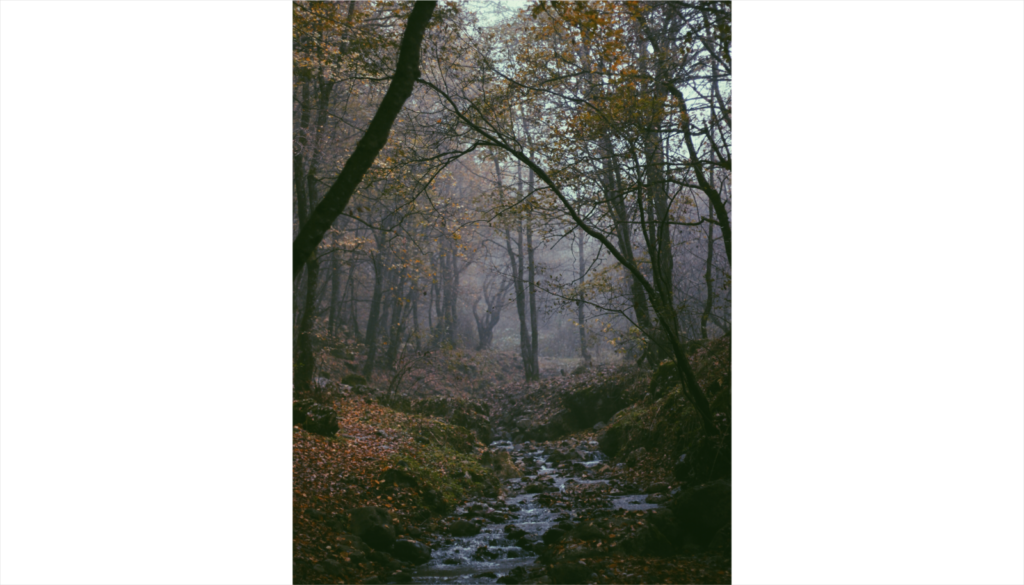
Imaggeo On Monday: The Virgin Forest of Arasbârân
This photo was taken standing in the middle of Arasbârân Forest, a beautiful virgin forest in Kaleybar, East Azerbaijan province, Iran. In Autumn and Spring, it gets extremely rainy around this area, thus begins the flowing of ephemeral streams, like the one that is captured in this photo. Located between the Caspian Sea, Aras River and the Mediterranean region, this forest has got exceptional con ...[Read More]
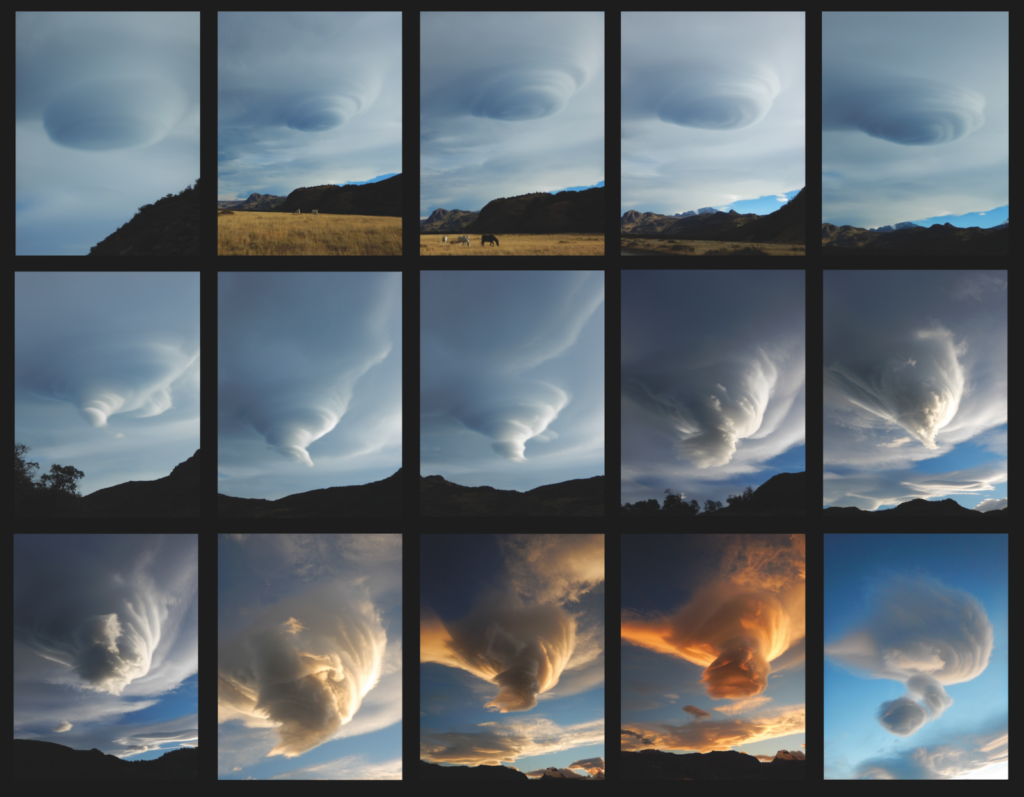
Imaggeo On Monday: The evolution of a cloud during a day
A cloud in the lee of the Patagonian Andes observed during an entire day. The shape of the cloud changed from lenticular to whirl- and funnel-shaped. Description by Christoph Mayr, after the description on imaggeo.egu.eu. Konstantinos Kourtidis also added a comment to the image, explaining more about how lenticular clouds like these can form: “That’s a great photo sequence. The ...[Read More]
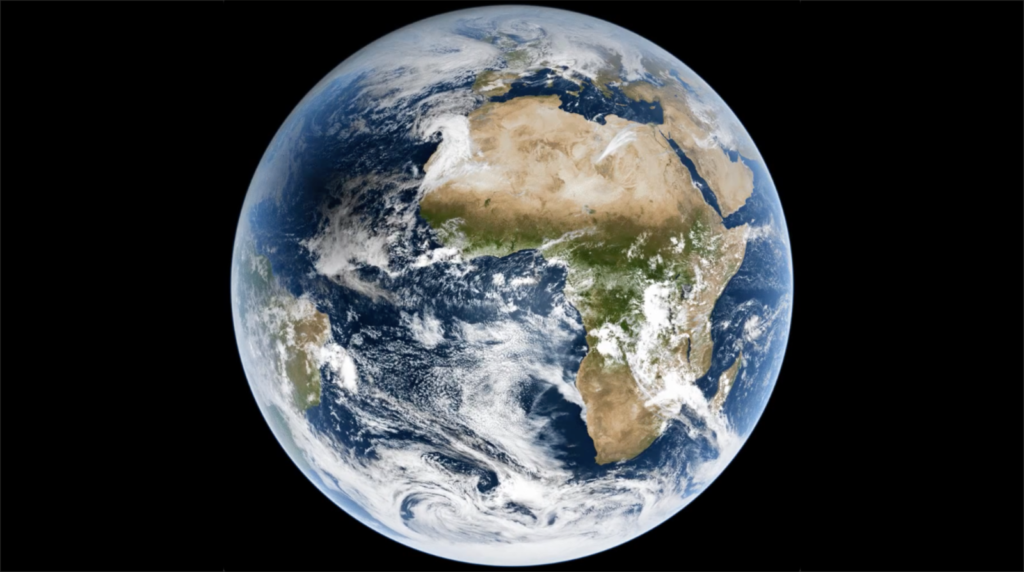
Imaggeo On Monday: Solar eclipse of November 3, 2013, observed from a geostationary orbit
The solar eclipse of November 3, 2013, as observed from the MSG satellite, in geostationary orbit 36000km above the equator. The eclipsed area, where the shadow of the full Moon reached the Earth’s surface, moved over the Atlantic Ocean and Africa. This eclipse was classified as a hybrid eclipse because it started out as an annular eclipse and became a total eclipse over equatorial Africa. W ...[Read More]
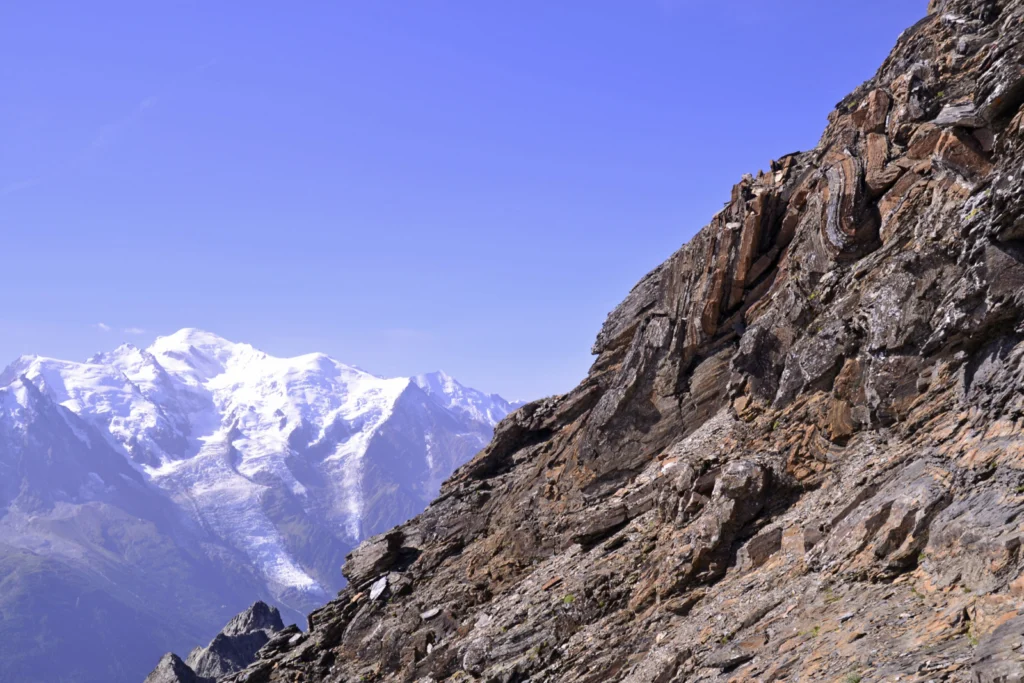
Imaggeo On Monday: Alps highest peak meets folded sea floor
During the late Jurassic, this dolostone was formerly at the sea floor, but after millions years of tectonic movements and natural forces, these rocks now appear at 3000m! Mont Blanc, the highest peak of the Alps is less than 20km away, and is visible in the background. Thank to the Alpine collision, this former sea floor was thrusted over gneiss and granite to make both geologists and mountaineer ...[Read More]
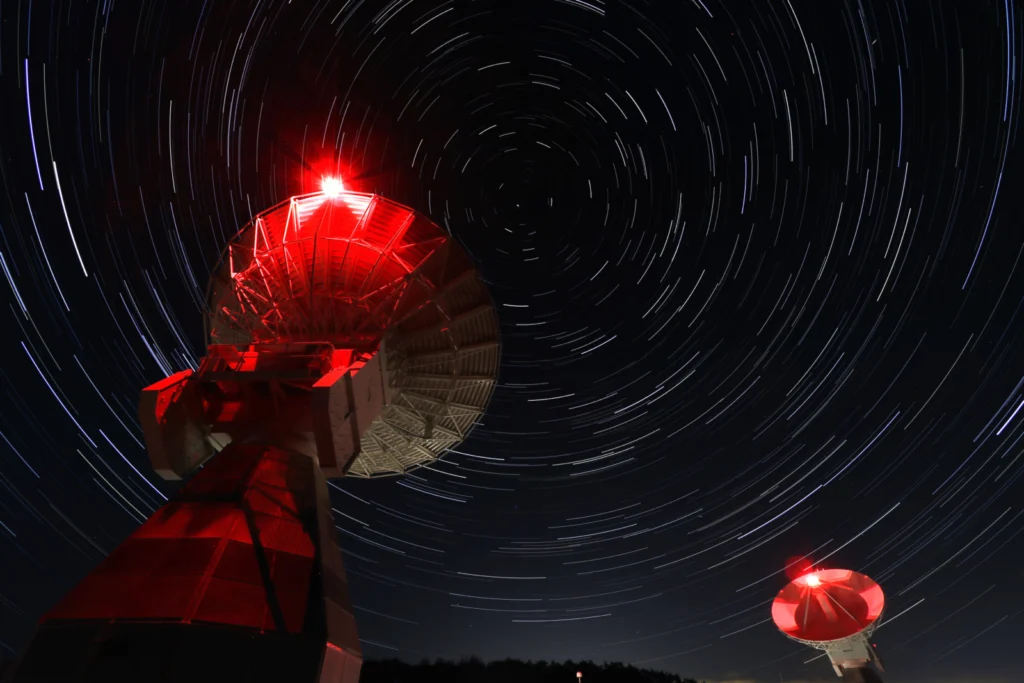
Imaggeo On Monday: Onsala Twin Telescopes
“The Onsala Twin Telescopes are part of the global geodetic Very Long Baseline Interferometry (VLBI) network. Radio telescopes all around the globe are observing extra-galactic radio sources simultaneously to determine Earth orientation parameters, source positions and station coordinates, as well as velocities. Geodetic Very Long Baseline Interferometry is used to maintain the International ...[Read More]