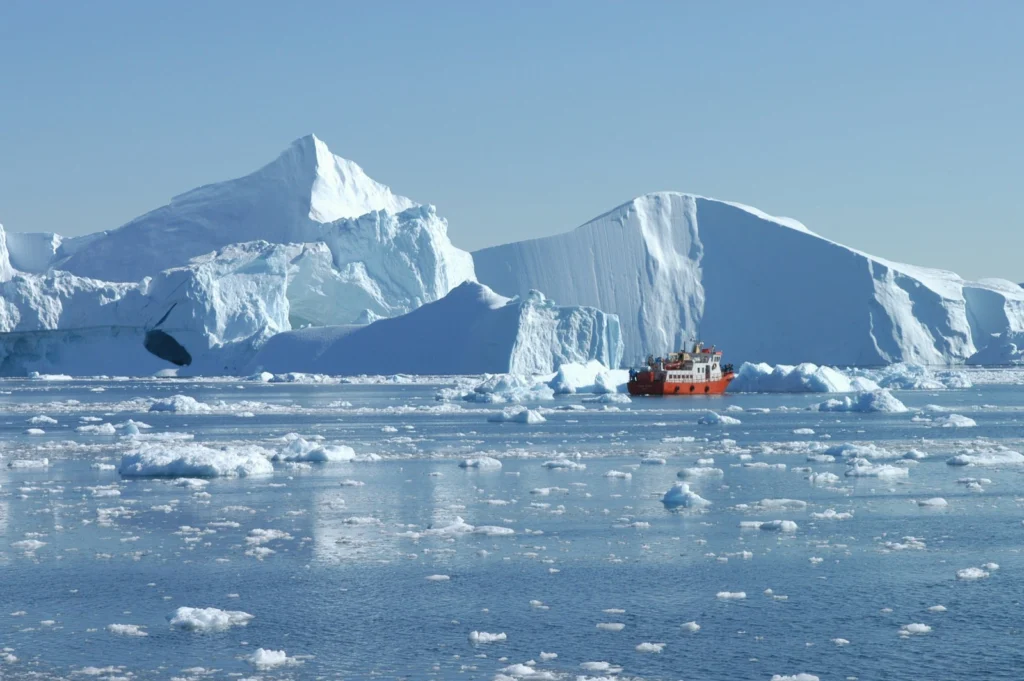
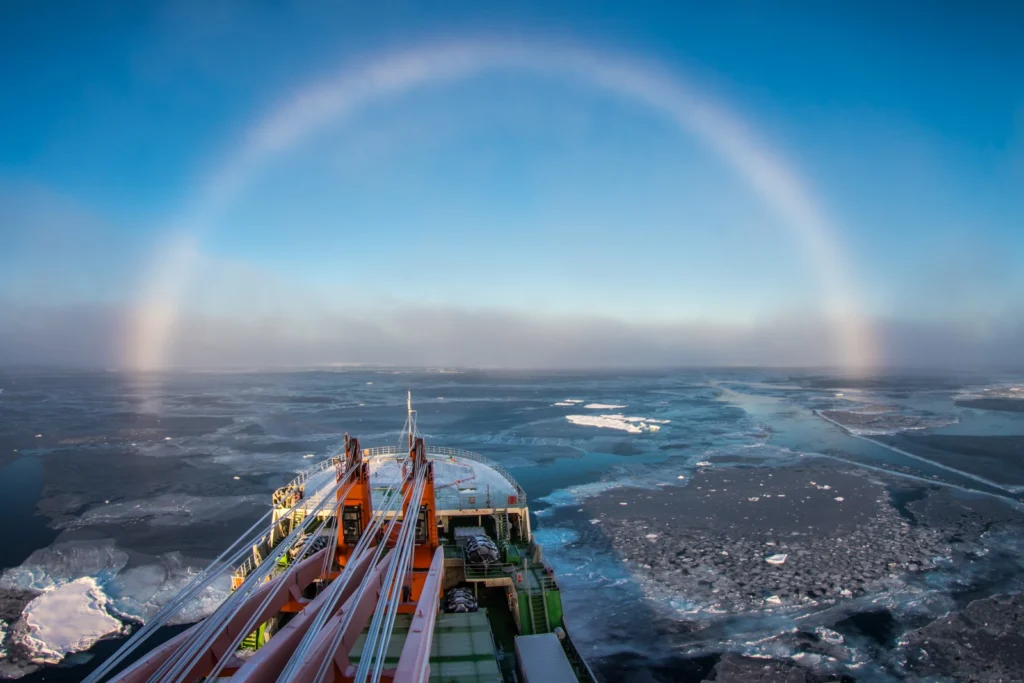
Yesterday (8 June) was globally observed as World Oceans Day. The United Nations announced that it is joining forces with decision-makers, indigenous leaders, scientists, private sector executives, civil society, celebrities, and youth activists to put the ocean first. This year’s theme is “Planet Ocean: tides are changing,” to encourage everyone – whether as individuals or groups – to respect the ...[Read More]
Why single solution strategies cannot solve the plastic pollution problem
It appears that plastics have well and truly invaded even our most inaccessible environments: the deepest point in the ocean (the Mariana trench) and the highest mountain peak in the world (Mt. Everest) both contain pieces of plastic from human activities miles away. With plastic waste flowing into aquatic ecosystems expected to nearly triple by 2040, it is safe to say that nature is in “emergency ...[Read More]
When nature isn’t “natural”: Reflections on World Wetlands Day
In 1821, peat cutters discovered a body similar to a mummy, pinned down by two wooden stakes deep in the mud. The body’s face still held red hair and a beard, their teeth were well preserved, and a hoop of willow was wrapped around their throat. But this wasn’t the dry, hot climate of Egypt but a cold and rain-sodden bog of Ireland. Later assessment suggested that these were the remain ...[Read More]
Sustainable Energy Geoscientist reflects on UN’s COP27
This year, from 6 to 20 November, the United Nation’s COP27 took place in Sharm el-Sheikh in Egypt. The conference hosted several high-level and side events, key negotiations and press conferences, attended by more than 100 Heads of State and Governments and over 35,000 participants who deliberated climate action strategies around the world. I had the chance to speak with Dr Munira Raji about her ...[Read More]