GeoLog

Field Work

Footprints reveal climate’s mark on mudflats
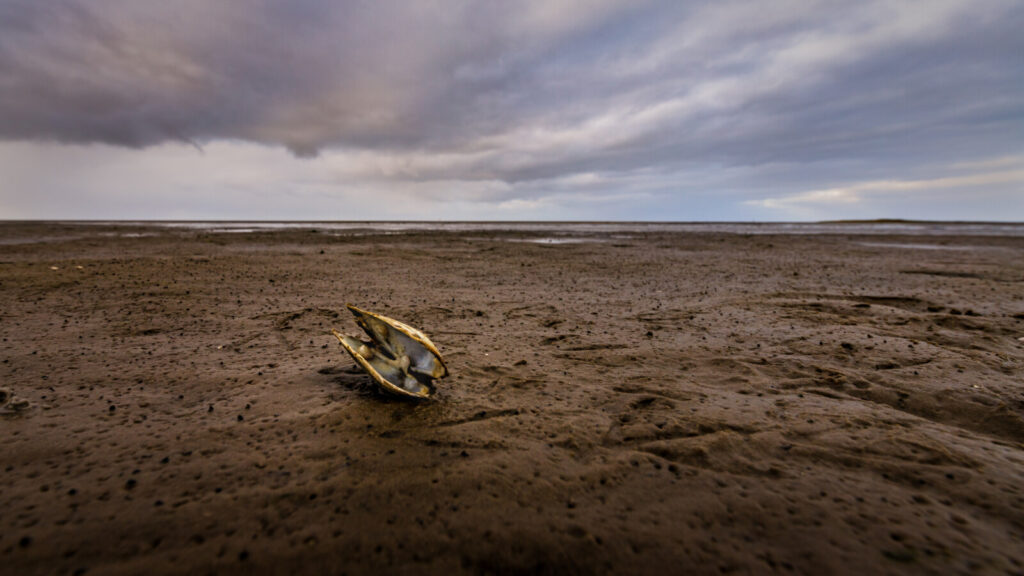
Footprints reveal climate’s mark on mudflats
Tidal flats, the muddy reaches of estuaries unveiled at low tide, support rich ecosystems and fisheries worldwide. But these habitats are under threat from climate change, as sea level rise overwhelms the landscape and heavy rainfall scours away the sediment – impacts that scientists are only just beginning to explore. In an effort to understand how shellfisheries are affected by climate change, a ...[Read More]

GeoTalk: Anjana Khatwa, author of ‘The Whispers of Rock’

GeoTalk: Anjana Khatwa, author of ‘The Whispers of Rock’

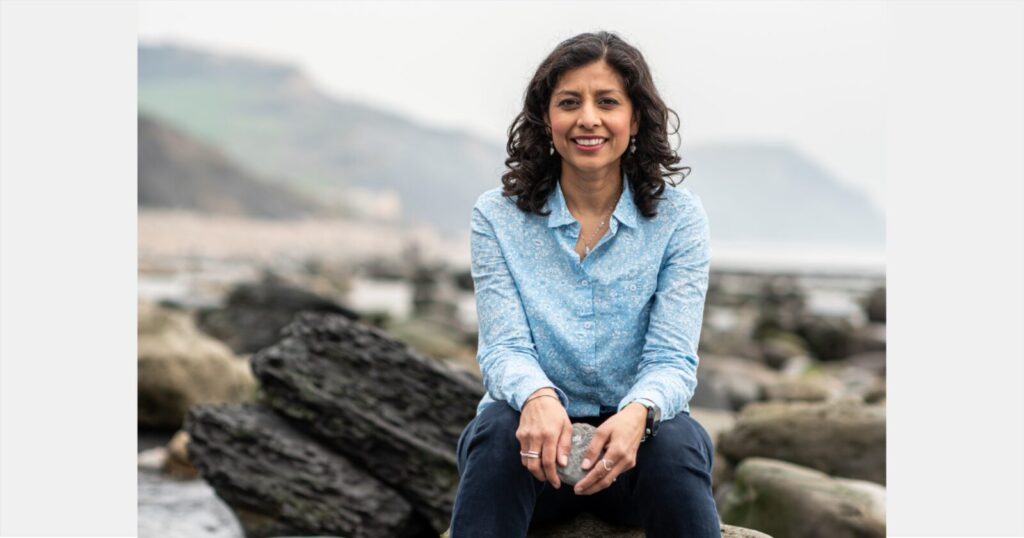
This month for GeoTalk we were lucky enough to speak with Anjana Khatwa, the author of a new geoscience book ‘The Whispers of Rock’. Dr Anjana Khatwa is an award-winning Earth Scientist, science communicator, writer, presenter and advocate for diversity in natural heritage spaces. For over twenty years, Anjana has worked as a learning and engagement professional in the natural heritage ...[Read More]

Holding it in (the learning, not the pee) – The gendered importance of toilet breaks for geoscience students during field-courses

Holding it in (the learning, not the pee) – The gendered importance of toilet  breaks for geoscience students during field-courses

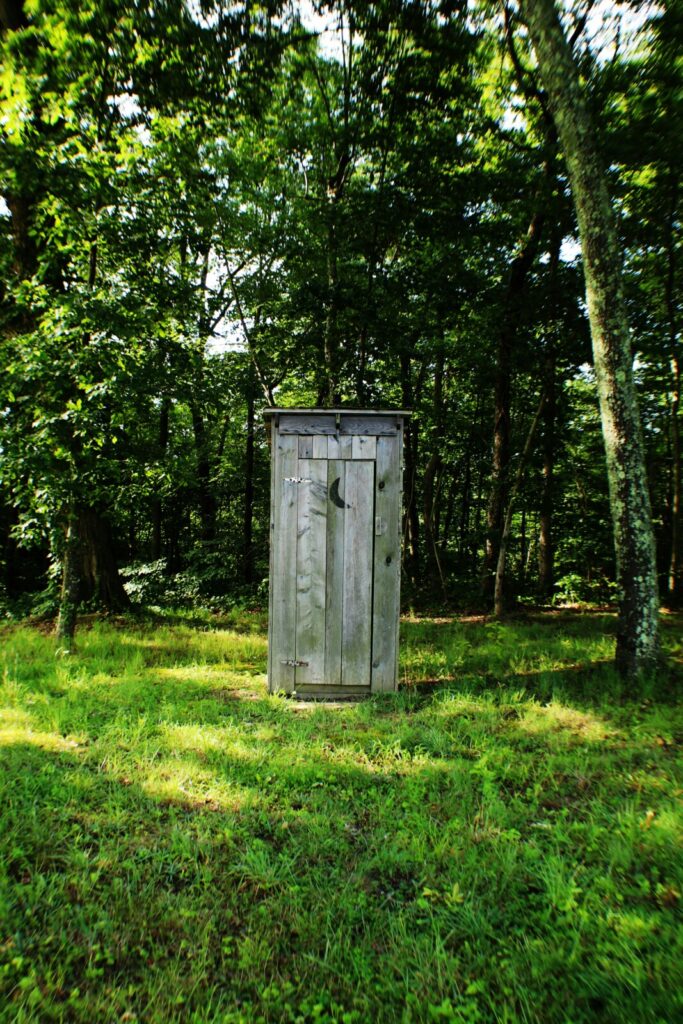
Field-based teaching is a cornerstone of geoscience education. Concepts such as scale, complexity, spatial awareness, 3D geometries, methods, skills, and techniques are inherently difficult to teach from a lecture theatre. However, achieving the benefits of field-based teaching might require a learning module not always considered as a prerequisite: planning and providing information about bathroo ...[Read More]

GeoTalk: Adriano Sofo, soil chemist and microbiologist, National Geographic Explorer, and EGU Biodiversity Task Force member

GeoTalk: Adriano Sofo, soil chemist and microbiologist, National Geographic Explorer, and EGU Biodiversity Task Force member

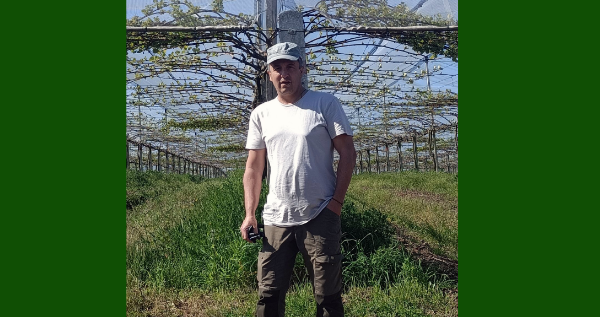
Adriano, welcome to GeoTalk! As an Associate Professor of Agricultural Chemistry and Plant Biology, you work a lot on microbiology and chemistry related to soil management. Can you tell us a bit about how your work is relevant for society? Thank you, Chloe! It is a pleasure. My research in soil chemistry and microbiology directly contributes to understanding factors influencing crop yield and qual ...[Read More]

GeoPolicy: Fluvial geomorphology and its potential for policy impact

GeoPolicy: Fluvial geomorphology and its potential for policy impact

In this month’s GeoPolicy blog post, Dr Grace Skirrow outlines how researchers can share their expertise with environmental regulators to have policy impact and the role that fluvial geomorphology can play in policy decisions. Fluvial Geomorphology and why it is relevant for policymakers Fluvial Geomorphology (“fluvial”, derived from the Latin “fluvialis”, meaning “of the river”) is the study of l ...[Read More]

The geological period that no one talks about: menstruation in the field

The geological period that no one talks about: menstruation in the field

Try typing the phrase ‘period in geosciences’ into Google. You’ll get something like ‘divisions of geological time’, and how we divide ancient earth time into eras, periods and epochs. We learn about this in the first year and again in every subsequent year of geological training. We are both geochronologists, so this is a topic we are deeply familiar with. But we are also both women. To us, and e ...[Read More]

Pride on board: working on an ocean-going research vessel as an LGBTQI+ person

Pride on board: working on an ocean-going research vessel as an LGBTQI+ person

Working from home during the pandemic has allowed many of us to look back on past experiences and to long for the days when our work in marine science took us to amazing places all around the world. Pride month is another great opportunity for reflection and to consider how things have changed for us as LGBTQI+ individuals and the community within STEM, including, on the International Day of the S ...[Read More]

Why is research in Antarctica so important?

Why is research in Antarctica so important?

On the 1st December 1959 the Antarctic Treaty was signed by 12 nations, setting aside nearly 10% of the Earth “forever to be used exclusively for peaceful purposes… in the interests of all mankind.” In the years that followed more and more countries signed the agreement, until today when the agreement has been signed by 54 countries around the globe.  In 2010, the Foundation for ...[Read More]

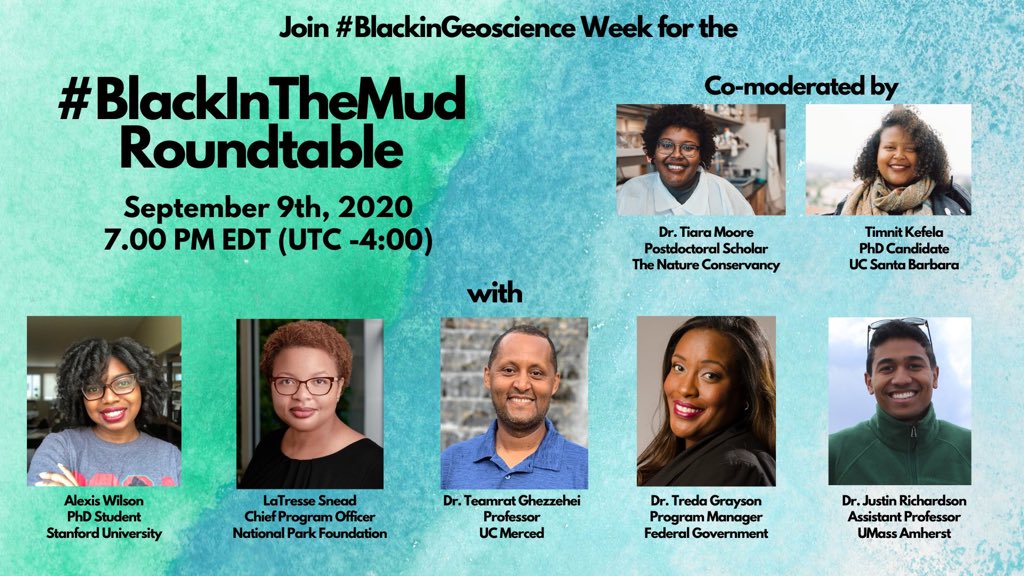
GeoTalk: #BlackInTheMud panellists reflect on Black in Geoscience Week 2020

GeoTalk: #BlackInTheMud panellists reflect on Black in Geoscience Week 2020

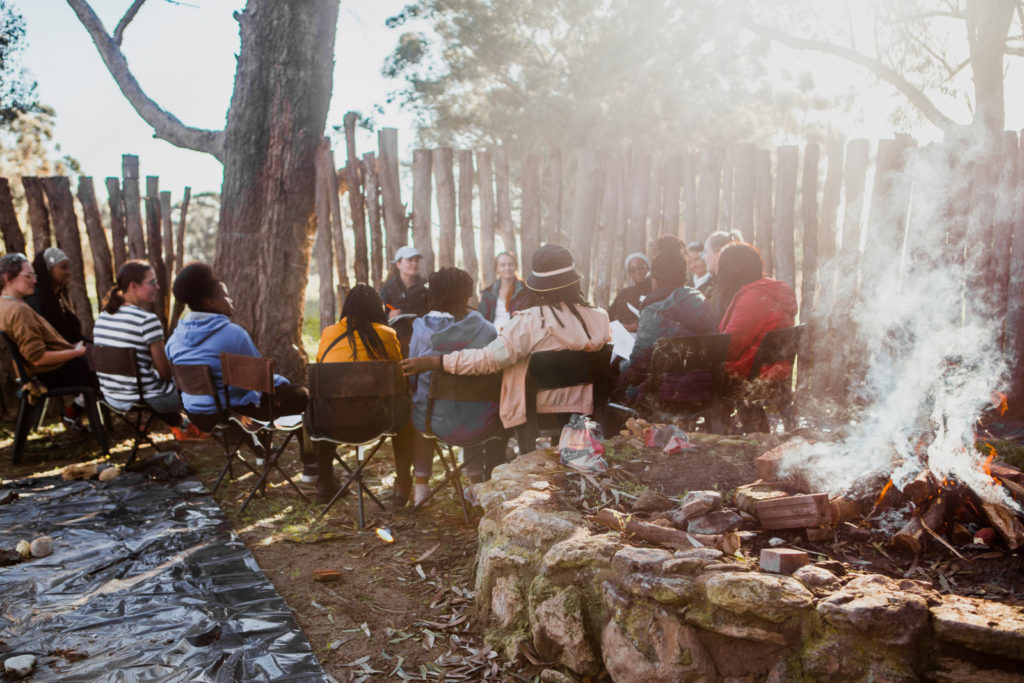
After telling a personal and traumatizing field experience to my fellow colleagues of color, I found that we all had shared similar events! Shocked and outraged, I wanted to find a place to expose and highlight these events thus the #BlackInTheMud panel was created. This event was inspired by this picture. And it’s so funny because this photo has been used, until it’s almost like a stock photo on ...[Read More]

LGBTQIA+ in the field

LGBTQIA+ in the field

As a part of any field-based science work, whether it be as an individual scientist, research team or with students, we must first conduct a risk assessment. This often focuses on the physical dangers that you, your colleagues or students may encounter whilst working in stressful and sometimes unfamiliar environments. More recently, field-based risk assessments for physical/environmental scientist ...[Read More]