GeoLog

Field Work

Imaggeo on Mondays: The ephemeral salt crystals
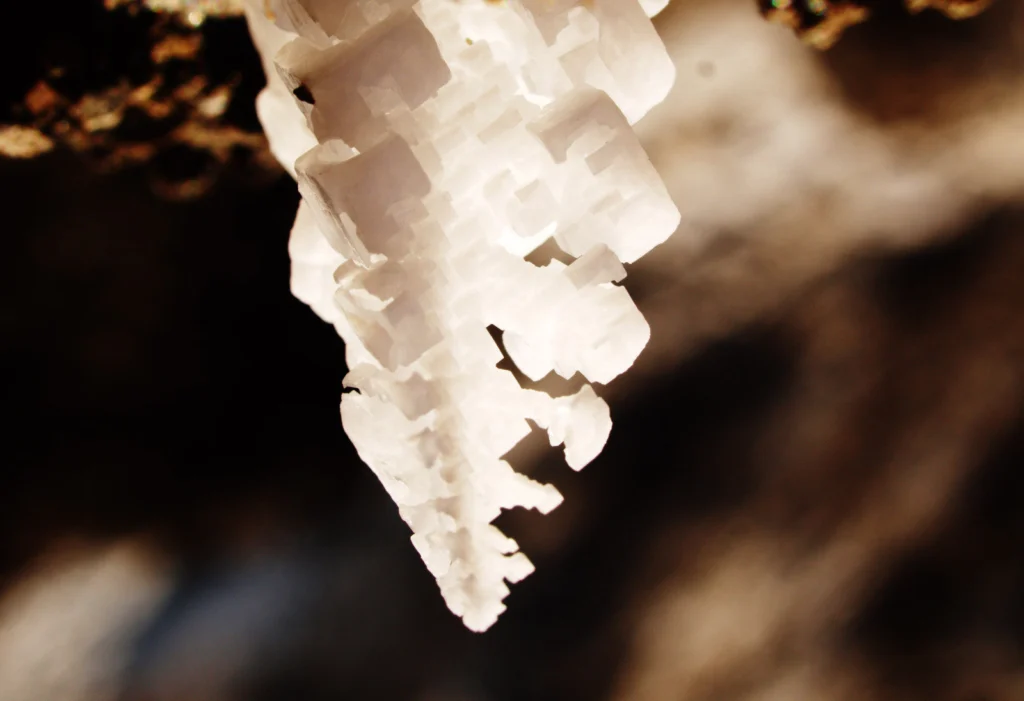
Imaggeo on Mondays: The ephemeral salt crystals
Rock salt stalactites (Speleothems) are the indicators of entrance in a salt cave. These crystal stalactites precipitate from brine only at the entrance in the salt caves, as that is the only place where the physical and chemical properties of the air and the brine dripping from the ceiling allow these crystals to grow and …[Read More]

Imaggeo on Mondays: Robotics at the service of the polar science

Imaggeo on Mondays: Robotics at the service of the polar science

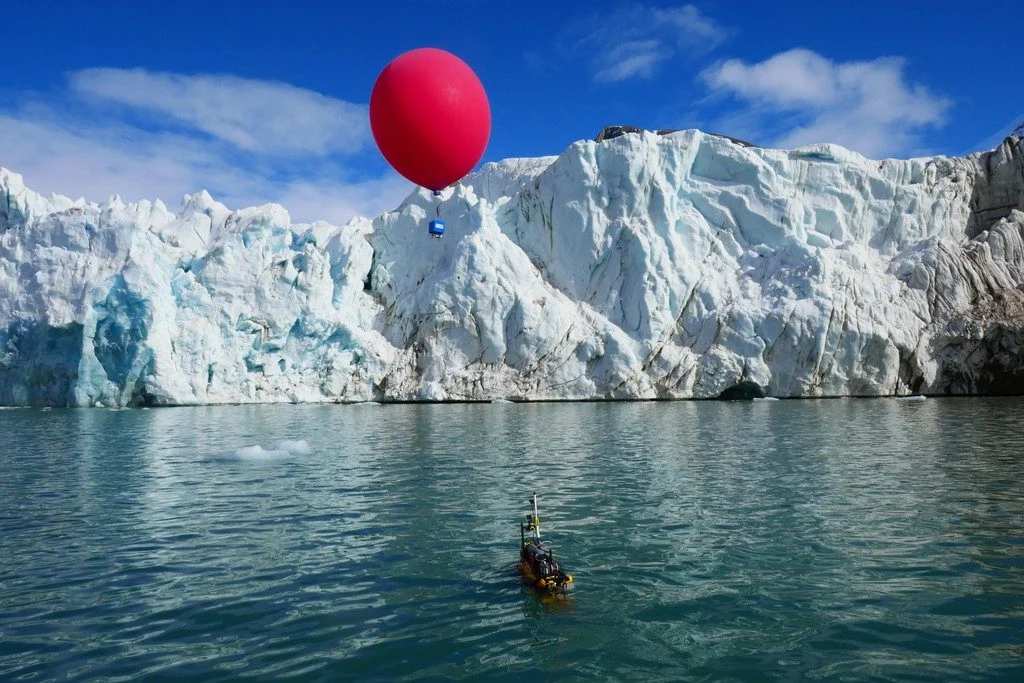
This picture was taken in the Arctic in May 2018. It shows the unmanned marine vehicle Proteus in front of the tidewater glacier Conwaybreen in the Kongsfjorden in Spitsbergen in the Svalbard Archipelago. The front of tidewater glaciers is an almost vertical wall of ice standing over the sea where direct measurements are very critical …[Read More]

Weathering the storm from a research vessel

Weathering the storm from a research vessel

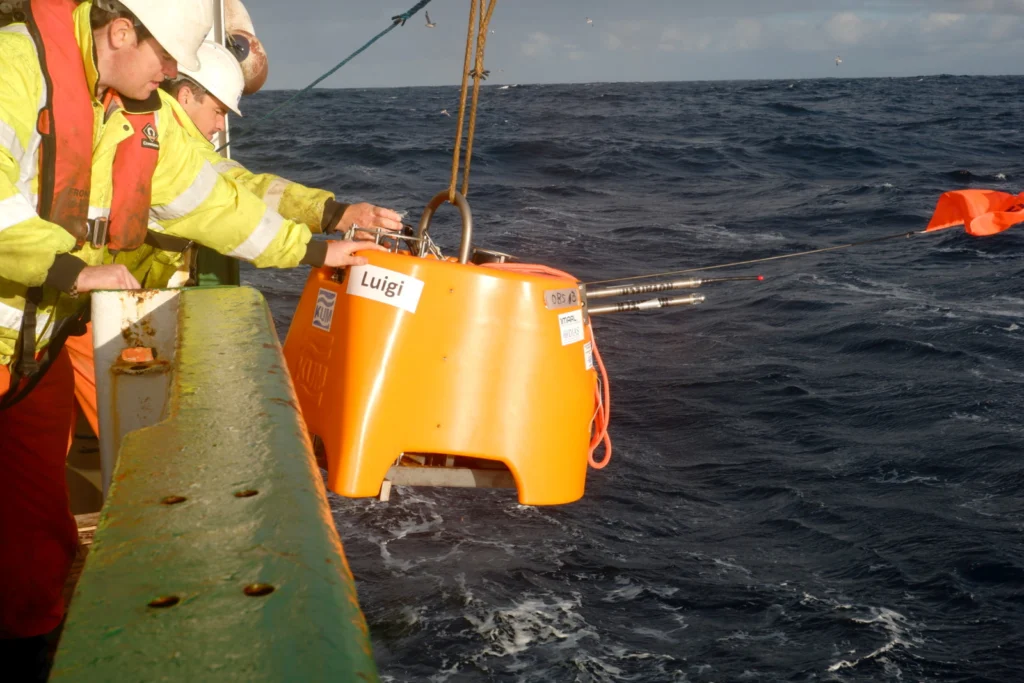
Fieldwork can take geoscientists to some of the most remote corners of the Earth in some of the harshest conditions imaginable, but stories from the field hardly make it into a published paper. In this blog post, Raffaele Bonadio, a PhD student in seismology at the Dublin Institute for Advanced Studies in Ireland, shares a …[Read More]

Imaggeo on Mondays: Our QUEST for innovative tools to understand changing environments and climates

Imaggeo on Mondays: Our QUEST for innovative tools to understand changing environments and climates

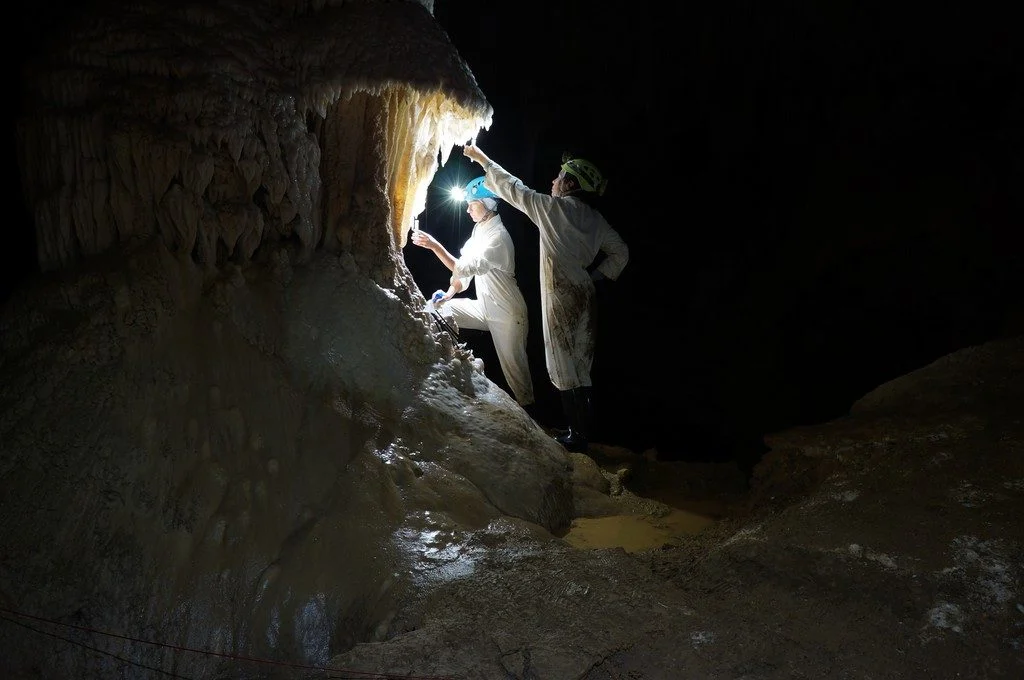
The photo shown here shows typical sampling work underground. You can see Ola Kwiecien and Cinthya Nava Fernandez, researchers at Ruhr University Bochum in Germany, collecting dripwater in New Zealand’s Waipuna Cave as part of a four-year EU-funded monitoring programme. Our research aims at developing innovative geochemical indicators that we can use to quantify changes …[Read More]

Imaggeo on Mondays: A painted forest fire

Imaggeo on Mondays: A painted forest fire

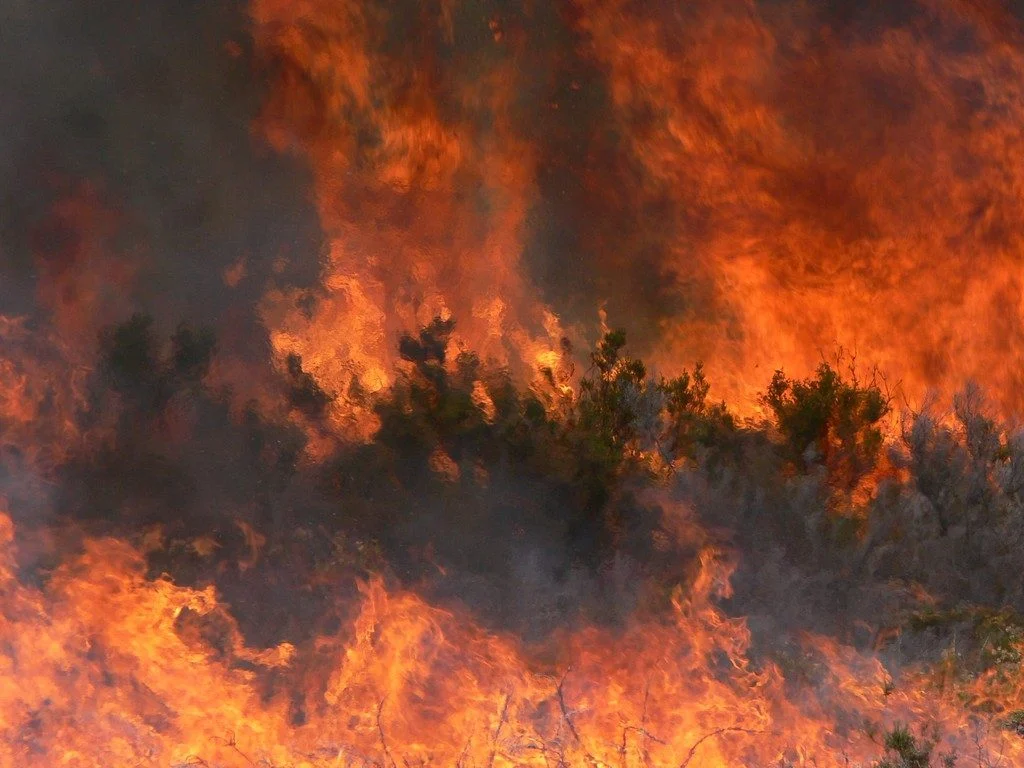
This week’s featured image may appear to be a painted landscape, but the picture is in fact a photo, taken ten years ago by Victoria Arcenegui, an associate professor at Miguel Hernández University in Spain, during a controlled forest fire in northern Portugal. The blaze is actually hot enough to distort the image, making some …[Read More]

Imaggeo on Mondays: Indonesian mangroves and tsunamis

Imaggeo on Mondays: Indonesian mangroves and tsunamis

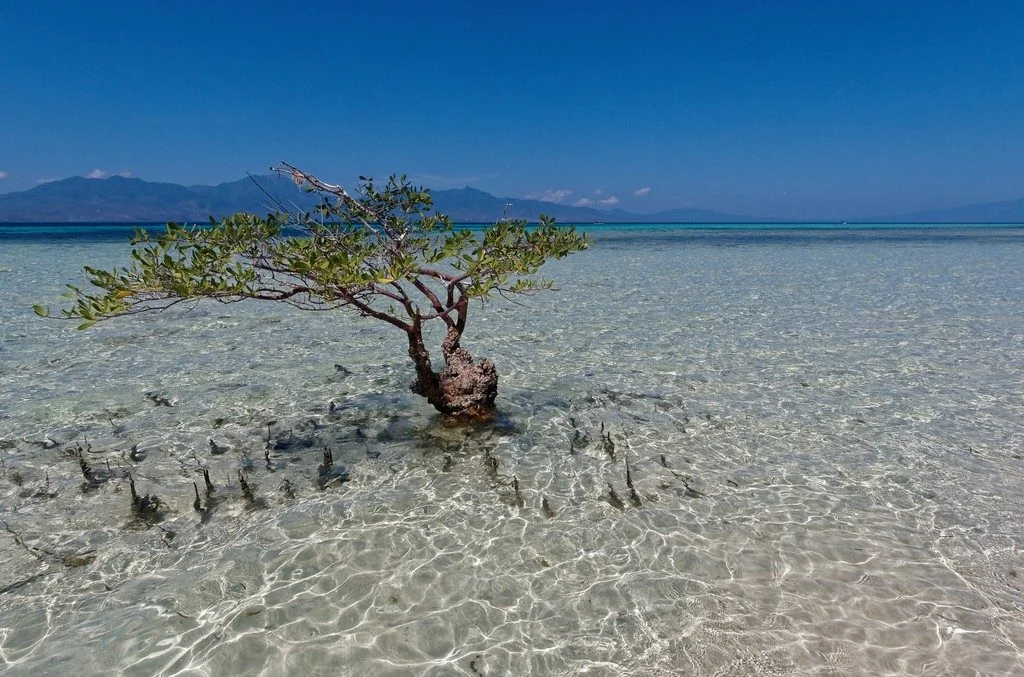
Pictured here is a solitary mangrove tree, rooted off the northern coast of the Indonesian island Flores. While this tree has the shallow sandy reef to itself, mangroves are often found clumped together in large forests covering tropical and subtropical coastlines. The propped-up roots of mangrove trees often tangle together, creating a dense natural barrier …[Read More]

Back for the first time: measuring change at Narrabeen–Collaroy Beach

Back for the first time: measuring change at Narrabeen–Collaroy Beach

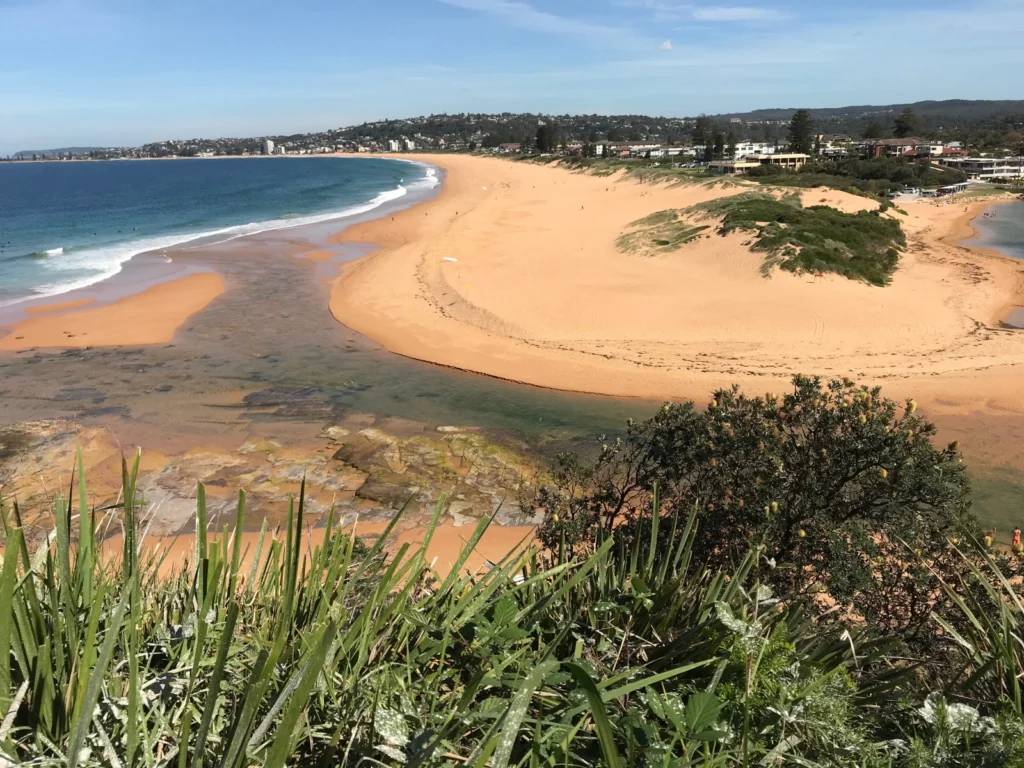
Narrabeen–Collaroy Beach in New South Wales, Australia, just north of Sydney, is home to one of the longest-running shoreline-measurement programmes in the world. With colleagues at the University of New South Wales (UNSW) Sydney, Eli Lazarus, an associate professor in geomorphology at the University of Southampton, UK, has been analysing over 40 years of data …[Read More]

Imaggeo on Mondays: Up close and personal with Svalbard glaciers

Imaggeo on Mondays: Up close and personal with Svalbard glaciers

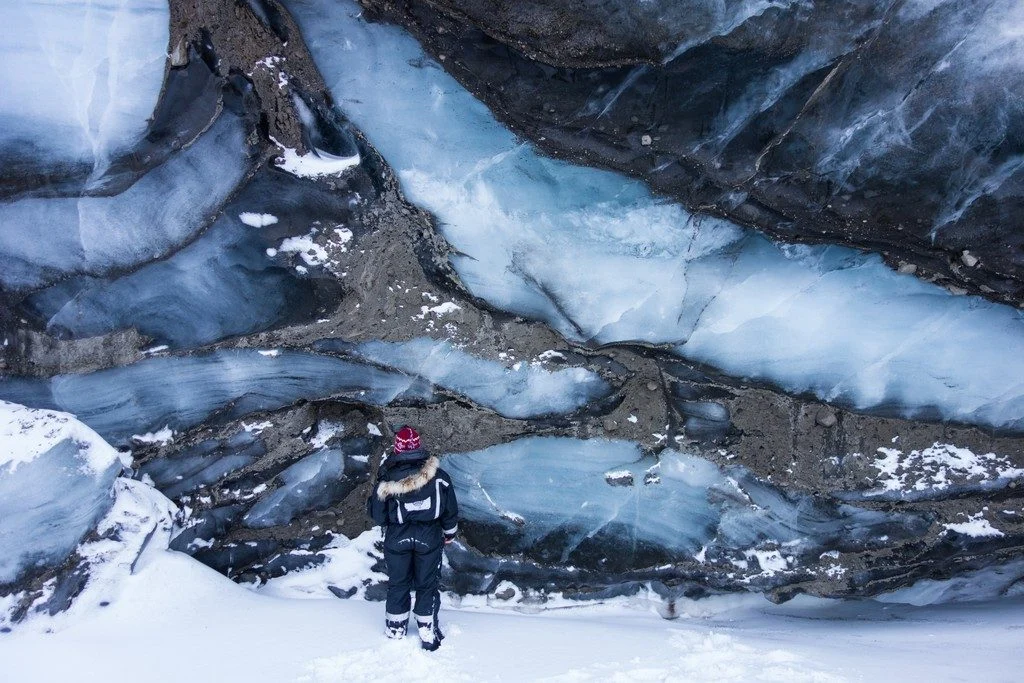
A University Centre in Svalbard (UNIS) Glaciology student examines the calving front of the Paulabreen glacier [in Spitsbergen, Svalbard], taking advantage of sea ice in the Rindersbukta fjord to safely approach the front. Paulabreen is a surge-type glacier, which means that it periodically switches between long periods of slow, stable flow to short-lived periods of …[Read More]