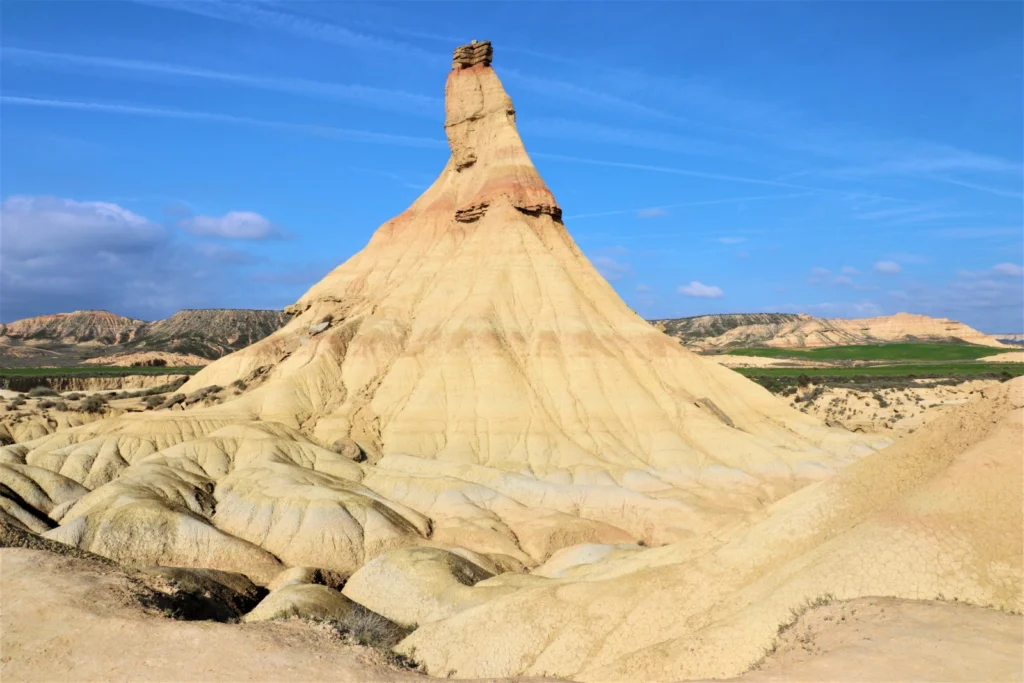
The Castil de Tierra has become the symbol of the Bardenas Reales region which is geographically located in the south-eastern margin of the Navarra Province in northern Spain. The Bardenas Reales is a semi-desert natural region situated in the middle-western sector of the Ebro depression. The geology is made up of Tertiary and Quaternary sediments. …[Read More]
Field Work
All at sea: UK women’s experiences of female leadership roles on ocean-going research vessels
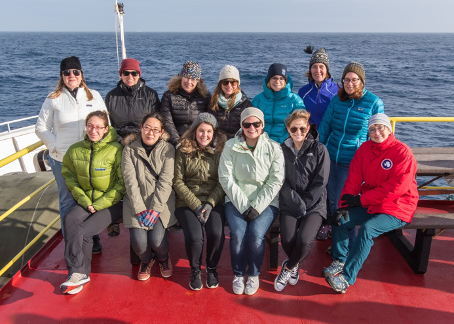
As I read the abstract of ‘Women in UK Ocean Science: Experiences of female leadership roles at sea’ by Katharine Hendry et al., it reminds me my own experience at sea! Indeed, more than one year ago, I had the chance to join the IODP Exp 379 in the Amundsen Sea (Antarctica) which was co-led …[Read More]
EGU’s 2020 Photo Competition finalists – who will you vote for?
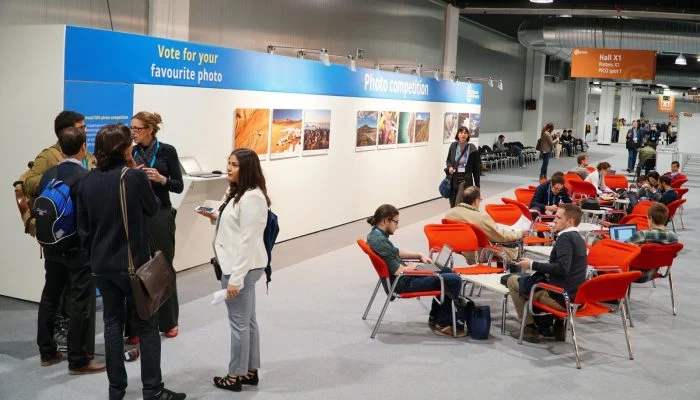
This year’s Photo Competition judging panel did a fantastic job of narrowing down the outstanding photo submissions to the EGU’s Photo Competition to just 10 finalists! The finalist photos are listed below and on the Imaggeos website where you can vote for them from today (27 April) until 7 May 2020. Then three photos with …[Read More]
Imaggeo on Monday: Time-proven shelter in drifting snow
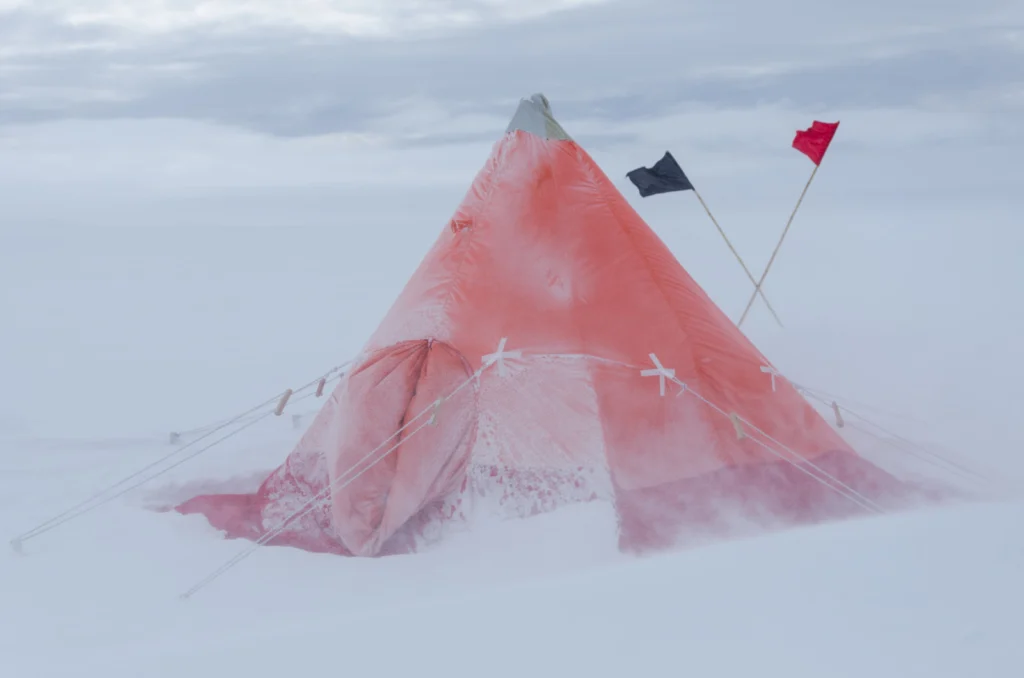
During my PhD I was working at the German Neumayer III station in Antarctica for my research on polar atmospheric chemistry. Since my instrument was set up on an observatory south of the main station, every day I would walk past a Scott pyramid tent to go and do my research. One day, in the …[Read More]
Inclusive flood mapping: using citizen science to collect historical flood data in Dakar, Senegal.
During the month of February, we are focusing on ‘Accessibility and Inclusivity’ here at the EGU. Although these topics are clearly relevant to the General Assembly, some people may wonder whether they also relate to scientific research. Clearly all geoscientists are people, so accessibility and inclusivity matter regardless of what scientific discipline they are in. …[Read More]
Imaggeo On Mondays: Contrasted island in the Mozambic Canal
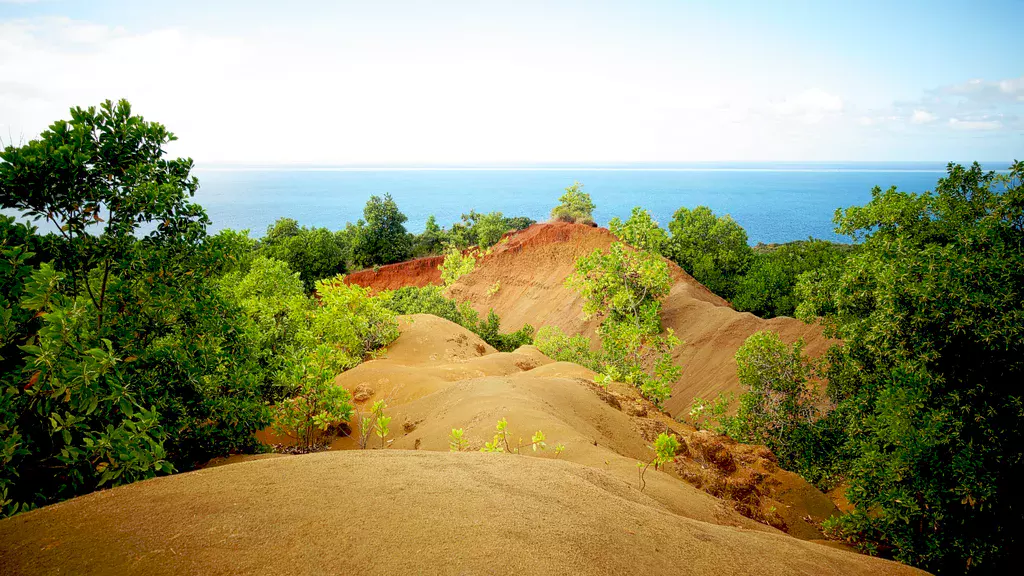
Mayotte, the so-called “perfume island”, is a volcanic island of the Comoros Archipelago and a French overseas department which hit the headlines in 2018-2019 with an enigmatic as well as frightening seismic swarm, recently linked to the appearance of a new submarine volcano nearby. Surrounded by one of the largest lagoons in the World and …[Read More]
EGU Photo Competition 2020: Now open for submissions!
If you are pre-registered for the 2020 General Assembly (Vienna, 3 – 8 May), you can take part in our annual photo competition! Winners receive a free registration to next year’s General Assembly! The tenth annual EGU photo competition opened on 15 January. Up until 15 February, every participant pre-registered for the General Assembly can submit up …[Read More]
Taking the pulse of an extreme landscape
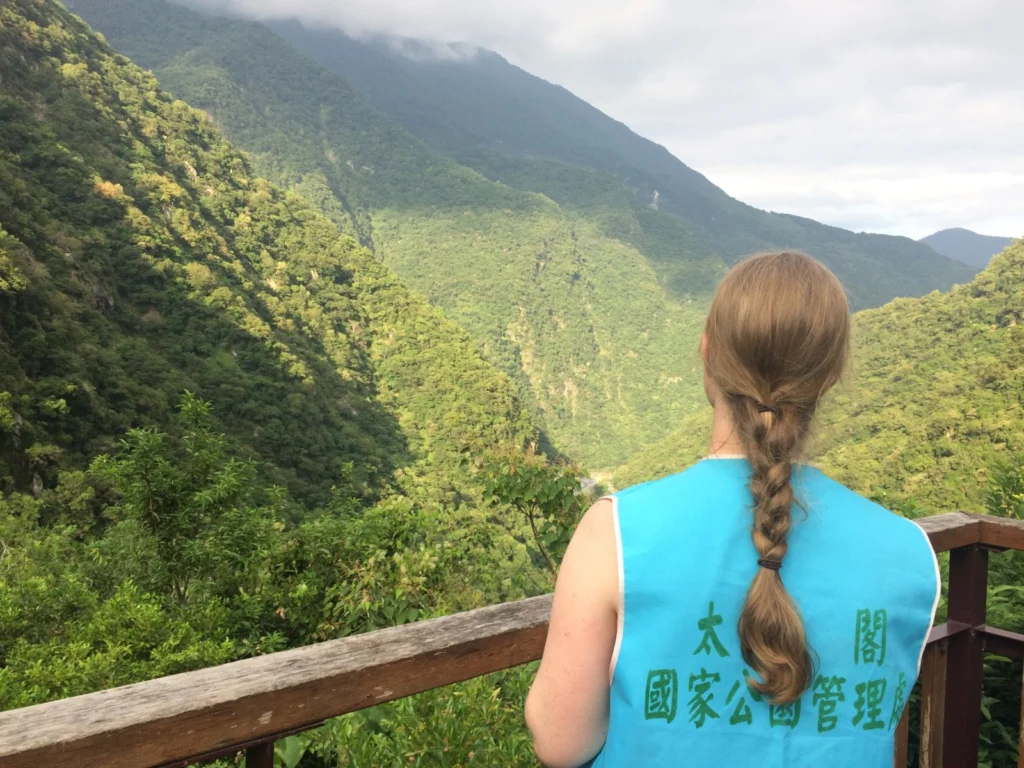
Welcome to Taroko National Park. Would you like to borrow a safety helmet? In this precipitously steep landscape, covering one’s head is strongly encouraged. Rockfalls and landslides, triggered by frequent seismic activity and torrential rainfall, are mainstays in Taiwan’s preeminent national park. Evidence of this mass-wasting is everywhere: roadways are littered with fallen rocks, boulders …[Read More]
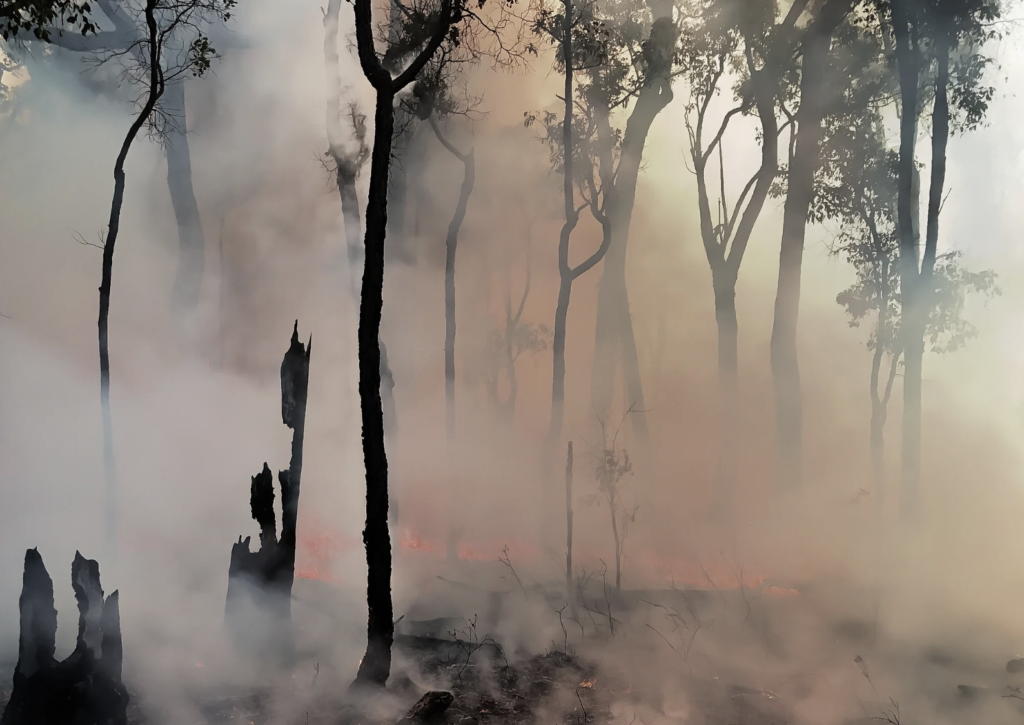
Imaggeo on Mondays: Setting trees aflame to understand the carbon balance of fires
Smoke clears after an experimental wildfire in Australian eucalyptus forest carried out for carbon balance estimations of wildfires. We meticulously measured the carbon in all leaves, twigs, logs and bark in a forest block about 35km east of Manjimup and then they set it on fire with help from the Dept. of Parks and Wildlife, …[Read More]
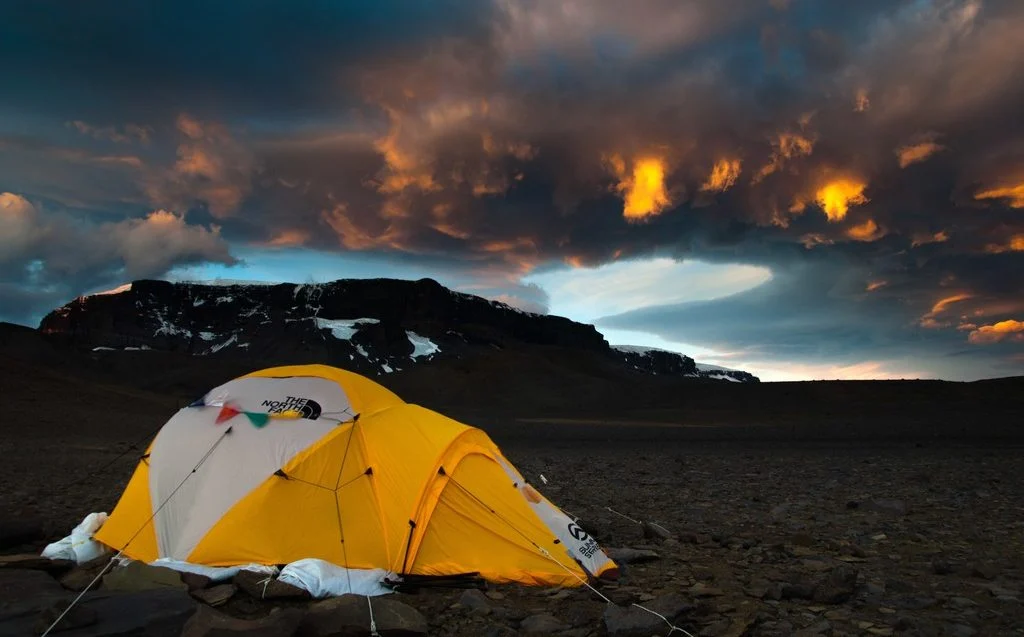
Imaggeo on Mondays: An expedition to better understand Antarctic soils
A dramatic evening sky puts the frame to a photo taken during the Brazilian Antarctic expedition to James Ross Island in 2016. Brazilian palaeontologists and soil scientists together with German soil scientists spent over 40 days on the island to search for fossils and sample soils at various locations of the northern part of the …[Read More]