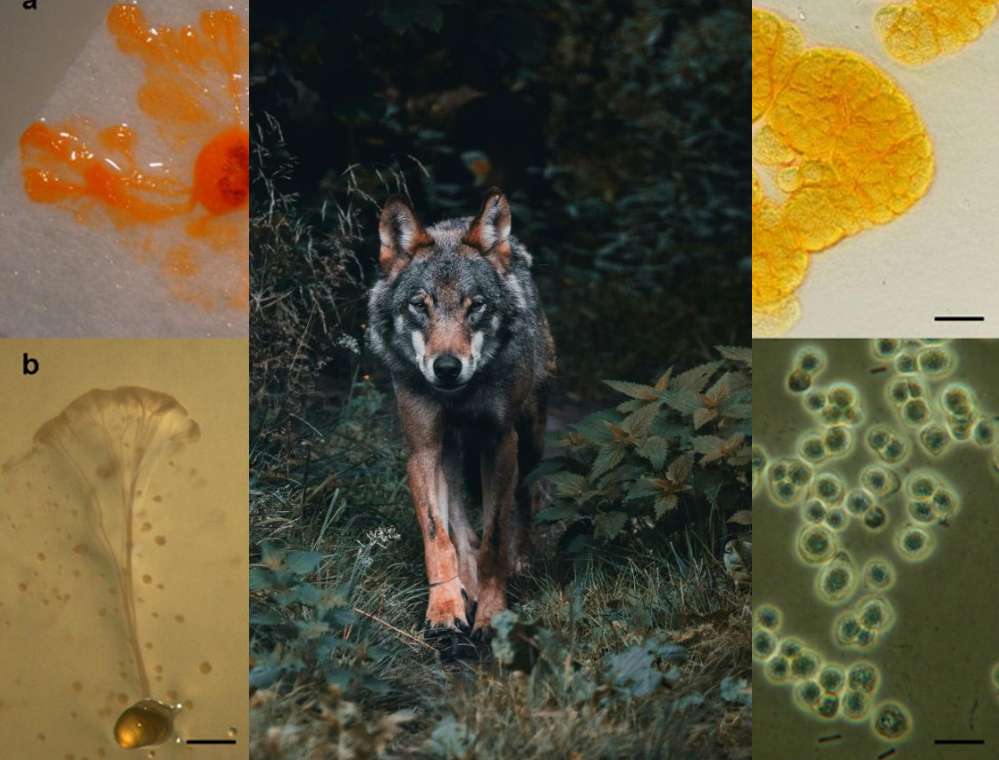
Picture this: bacteria that can slime their way around the soil, finding their prey, circling it, closing in on it and lysing it (or making their cell pop), just to feed on their prey. It sounds like a far stretch from a wolf to a bacteria, but even other soil predators, the comparably huge nematode worms ( up to 100 times bigger!), are afraid of these bacterial “wolves”. I went to the Soil System ...[Read More]
Soil Sciences
Swamps may be considered spooky, but is there more than meets the eye?
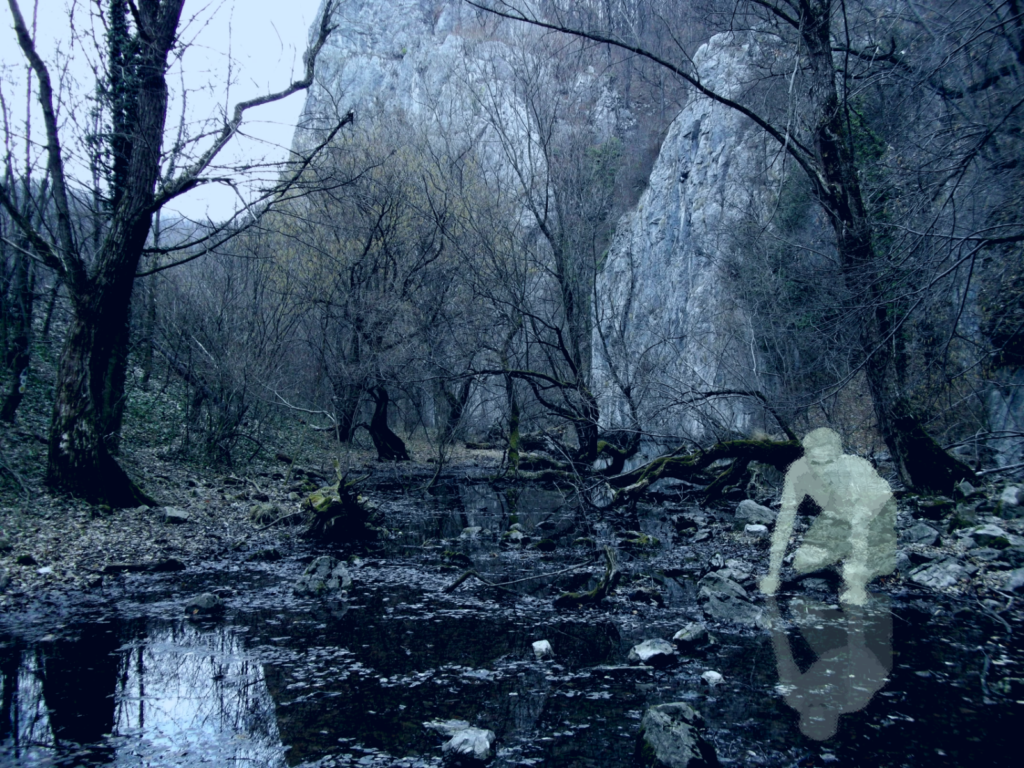
Swamps are spooky. This is the prevailing notion from the depiction of wetlands – the saturated lands of swamps, bogs, and fens – in the media. From the folktales of Will-o’-the-Wisps guiding travellers astray to the many, many swamp monsters of Scooby Doo, the sign is clear: a scrawled “stay away from here” thrust deep in the mud, writ by centuries of storytellers. As a reputation it’ ...[Read More]
Winners announced: Here are the best EGU Blog Posts of 2022!
As future-focused as we like to be at EGU, we sometimes pause to look back at the year gone by – just a brief glimpse to appreciate all the good work of 2022! As always, we had so many inspiring and thought-provoking blog posts published this year across the EGU’s official blog GeoLog and division blogs. Thank you to each of you for your writing contribution! To continue our annual appreciation fo ...[Read More]
When nature isn’t “natural”: Reflections on World Wetlands Day
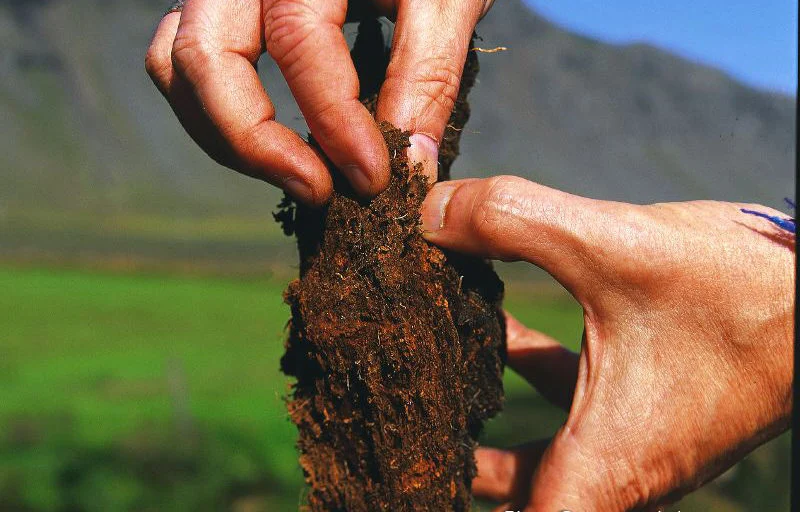
In 1821, peat cutters discovered a body similar to a mummy, pinned down by two wooden stakes deep in the mud. The body’s face still held red hair and a beard, their teeth were well preserved, and a hoop of willow was wrapped around their throat. But this wasn’t the dry, hot climate of Egypt but a cold and rain-sodden bog of Ireland. Later assessment suggested that these were the remain ...[Read More]
Congratulations to the winners of the EGU Best Blog Posts of 2021
At EGU, we like to believe that a new year is more meaningful when we pause to look back at the year gone by – just a brief glimpse to appreciate all our good work and progress! 2021 was certainly an excellent year for our blogging network at EGU. Across the EGU’s official blog, GeoLog and division blogs we had so many inspiring, thought-provoking and even entertaining posts this year. Thank you t ...[Read More]
Winners of the EGU Best Blog Posts of 2020 Competition
2020 was a brilliant year for our blogging network here at EGU. Across the EGU’s official blog, GeoLog, as well as the network and division blogs there were so many interesting, educational and just downright entertaining posts this year it was hard to get the blog editors to choose their favourites! Nevertheless at the beginning of January, to celebrate the excellent display of science writing ac ...[Read More]
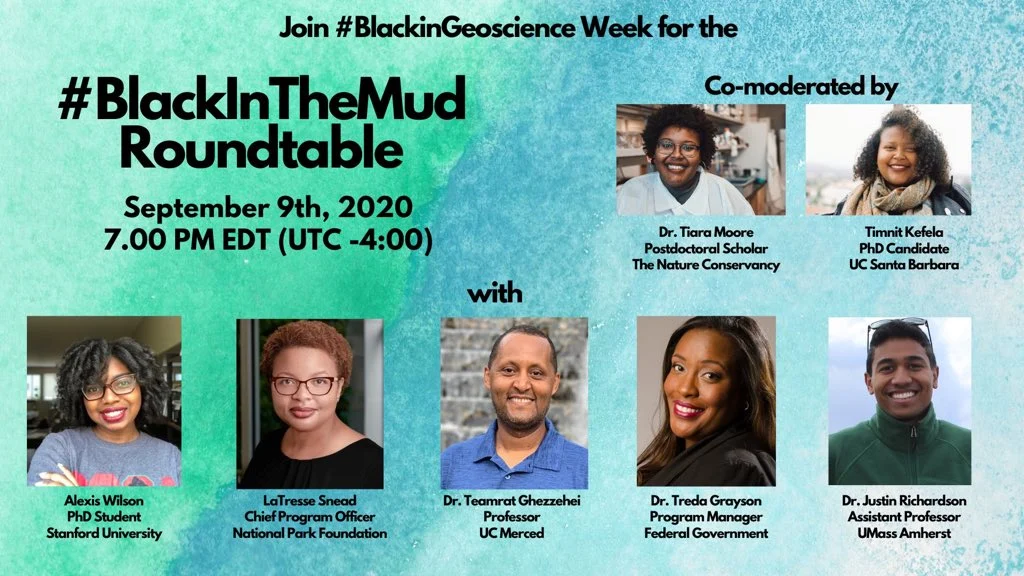
GeoTalk: #BlackInTheMud panellists reflect on Black in Geoscience Week 2020
After telling a personal and traumatizing field experience to my fellow colleagues of color, I found that we all had shared similar events! Shocked and outraged, I wanted to find a place to expose and highlight these events thus the #BlackInTheMud panel was created. This event was inspired by this picture. And it’s so funny because this photo has been used, until it’s almost like a stock photo on ...[Read More]
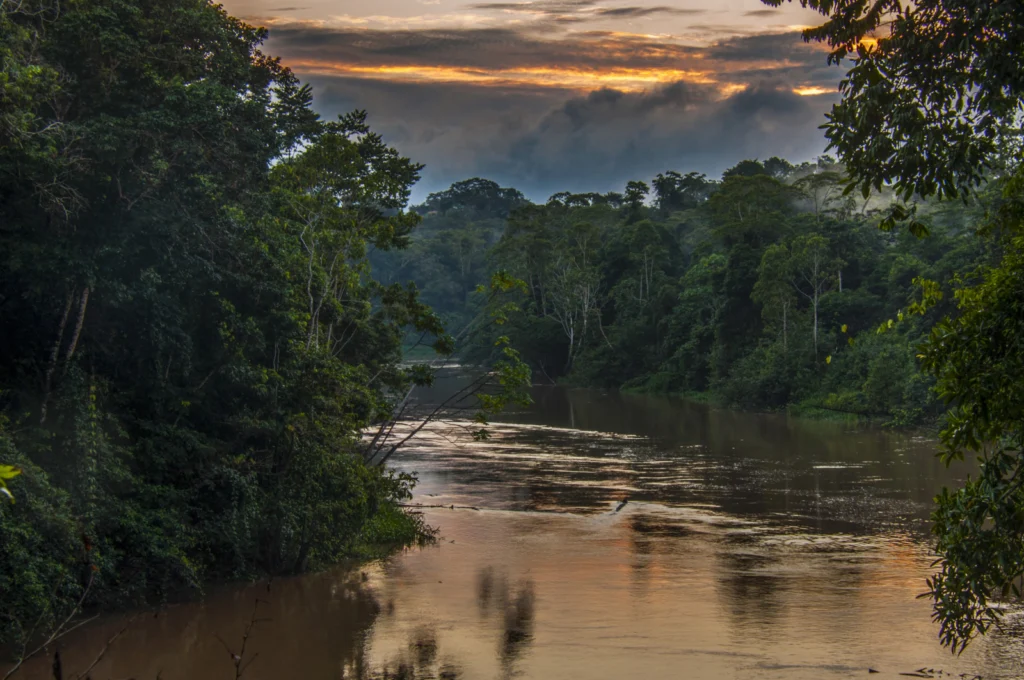
Don’t leaf it to the trees: Amazonian soils also work to store carbon.
The Amazon rainforest covers an area of 5.5 million km² and is well known for being an invaluable global resource for carbon storage. But it’s not just the trees and vegetation of the Amazonian rainforest that lock in and store carbon – the very soil in these forests can do the same thing, according to research published in EGU’s journal SOIL earlier this year. In this study Carlos Alberto Quesada ...[Read More]
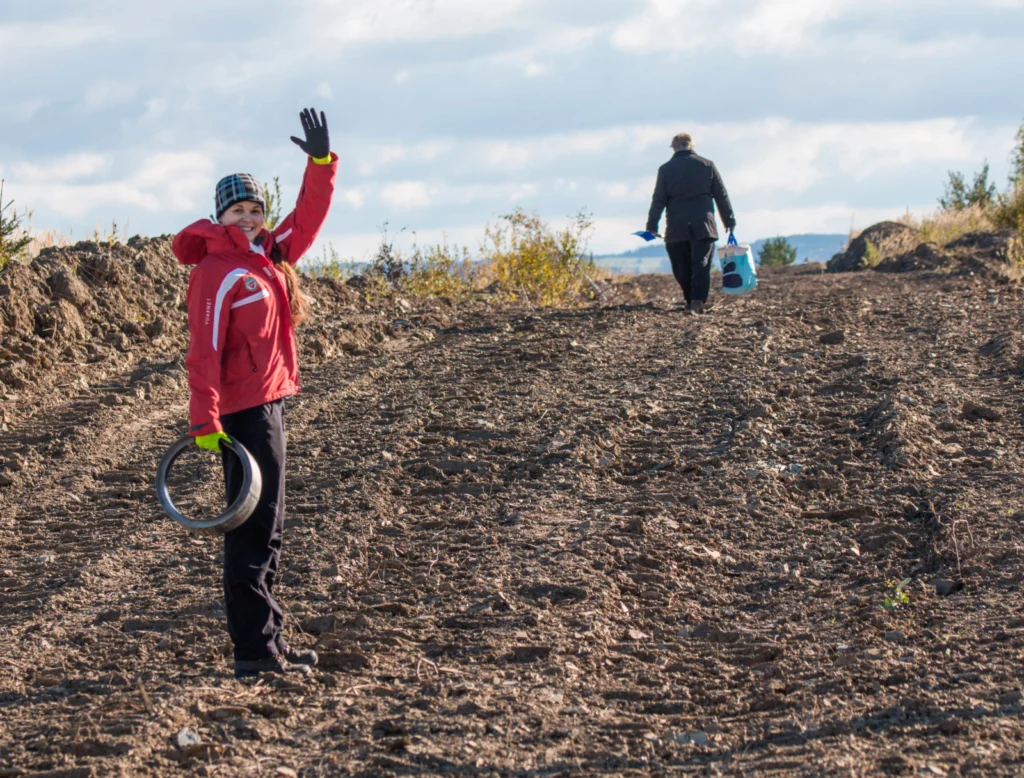
Geotalk: Olga Vindušková, the Soil System Sciences Division’s co-blog and social media co-ordinator!
Hello Olga, thanks for speaking with us today, can you tell us a little about your background and how you got to where you are now? Thank you for inviting me for what might be my first interview! My background is in environmental science and I chose to study soils because of how useful they are (in supporting ecosystems and our well-being) and how interdisciplinary their study is, spanning biology ...[Read More]
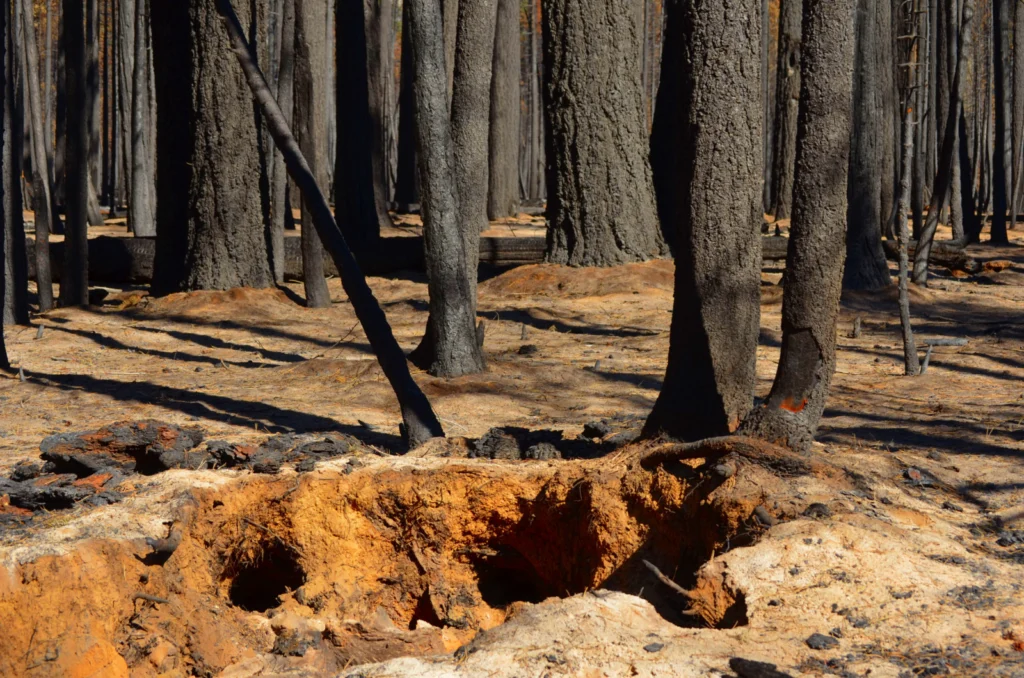
Imaggeo On Monday: Burnt roots
Fires are a common and often natural worldwide phenomena, that are often integral to the lifecycle of certain land-based ecosystems. Despite this, frequent or unusually intense fires can have significant effects on plant productivity, plant community composition and root properties. Although many trees have evolved to grow in fire prone areas, they usually have certain adaptations to help them sur ...[Read More]