GeoLog

Hydrological Sciences

Communicate Your Science Competition Winner Announced!

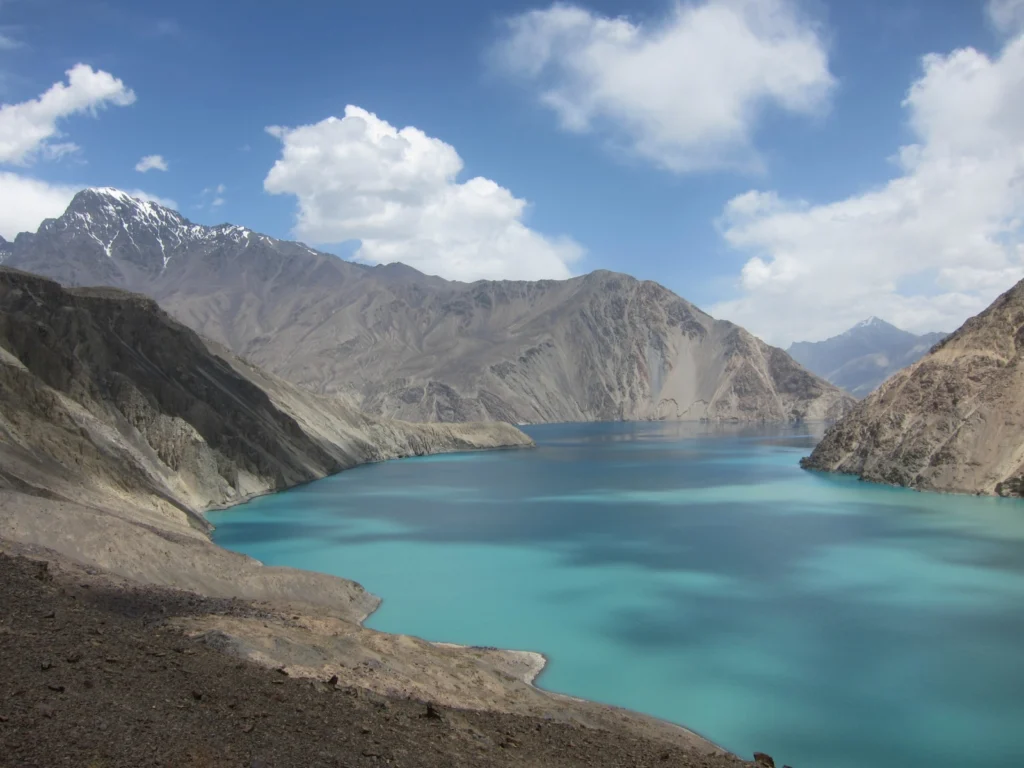
Congratulations to Zakaria Ghazoui, the winner of the first ever Communicate Your Science Video Competition 2015. Zakaria is a PhD student at the Institute des Sciences de le Terre (ISTerre) in France, and has been investigating Himalayan lakes using sediment cores. Here is his video, Inside Himalayan Lakes: Display "Inside Himalayan Lakes by Ghazoui Zakaria" from YouTube Click here to d ...[Read More]

Imaggeo on Mondays: Drumlins Clew Bay

Imaggeo on Mondays: Drumlins Clew Bay

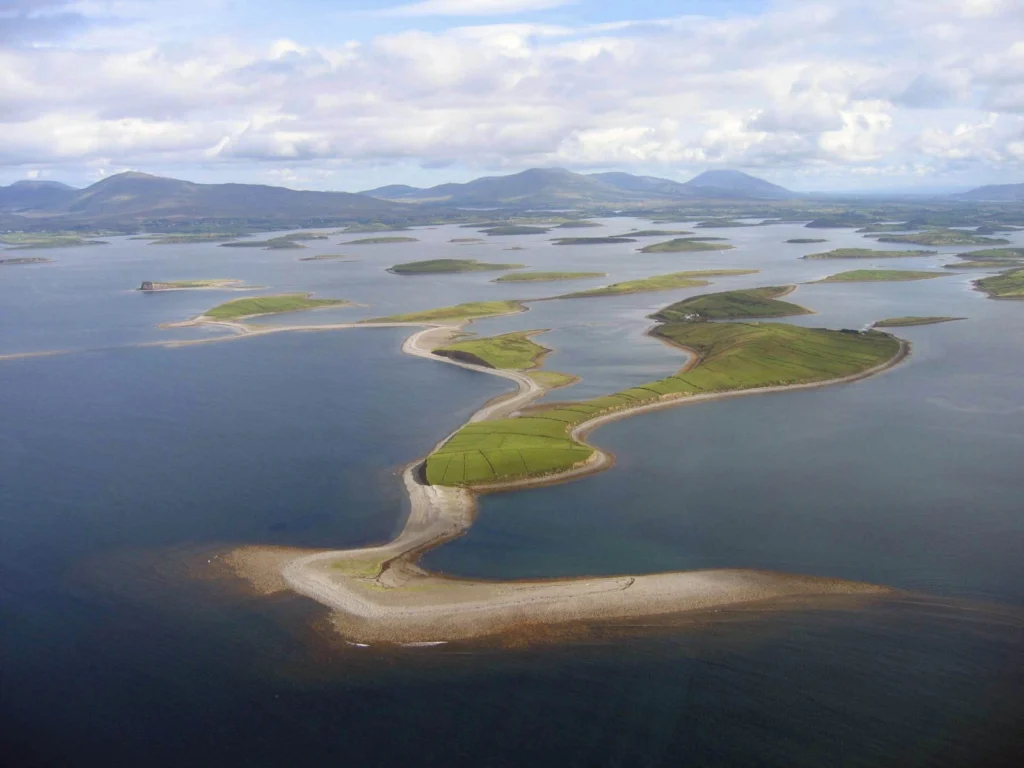
During ice ages landscapes are sculpted by the power of advancing glaciers. From rock scratches, to changing mountains and the formation of corries, cirques and aretes, through to the formation of valleys and fjords, the effects of past glaciations are evident across the northern hemisphere landscape. Perhaps not so familiar, drumlin fields are also vestiges of the erosive power of ancient ice she ...[Read More]

Imaggeo on Mondays: The largest fresh water lake in world

Imaggeo on Mondays: The largest fresh water lake in world

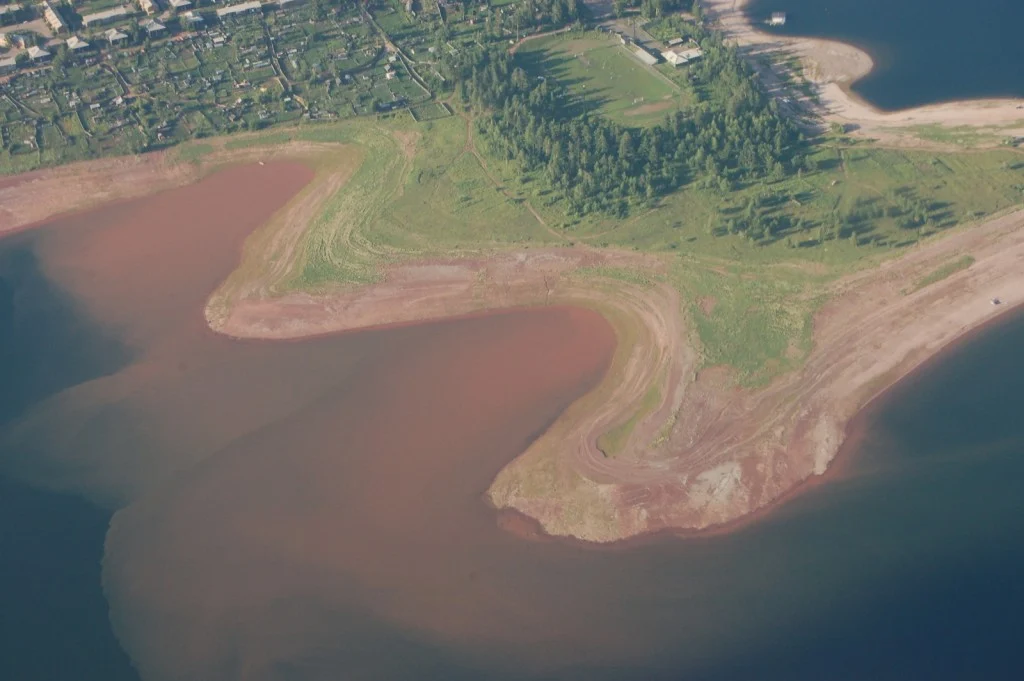
Most lakes in the Northern hemisphere are formed through the erosive power of glaciers during the last Ice Age; but not all. Lake Baikal is pretty unique. For starters, it is the deepest fresh water lake in the world. This means it is the largest by volume too, holding a whopping 23,615.39 cubic kilometres of water. Its surface area isn’t quite so impressive, as it ranks as the 7th largest in the ...[Read More]

Imaggeo on Mondays: High altitude glacier monitoring

Imaggeo on Mondays: High altitude glacier monitoring

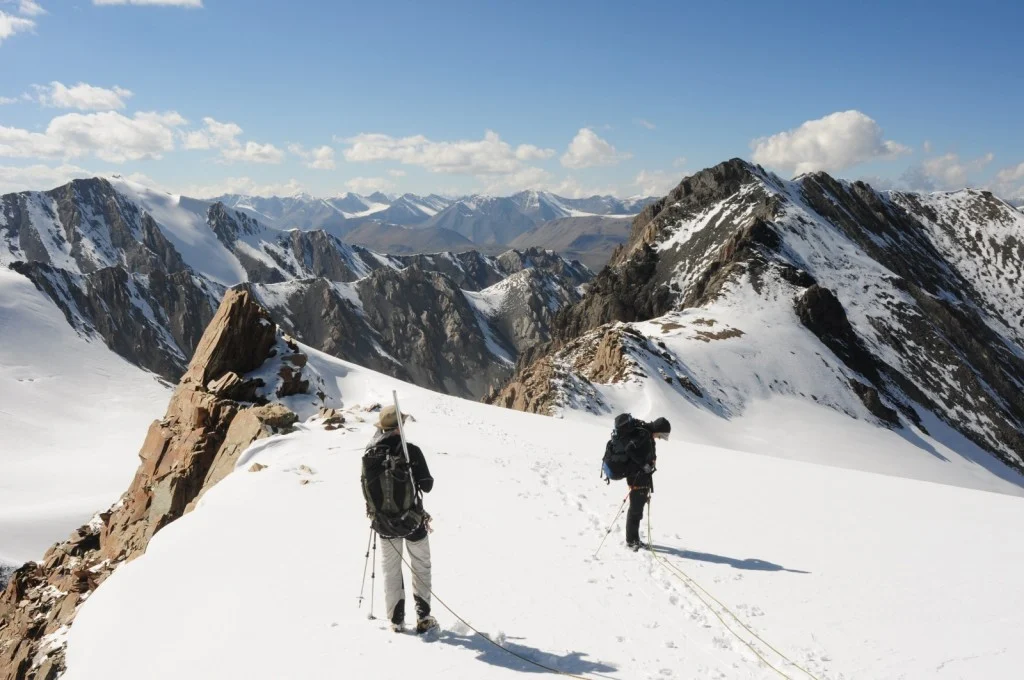
What a place to work: Spectacular views from the top of the rugged and icy peaks of Tien Shan mountain range. The desire to better understanding global climate change took Leo Sold to this remote area of Central Asia. The frozen slopes of ice and snow in today’s Imaggeo on Mondays photograph hold some of the keys to understanding how the glaciers in this remote region are being affected by a warmi ...[Read More]

Imaggeo on Mondays: Landslide on the Cantabrian coastline

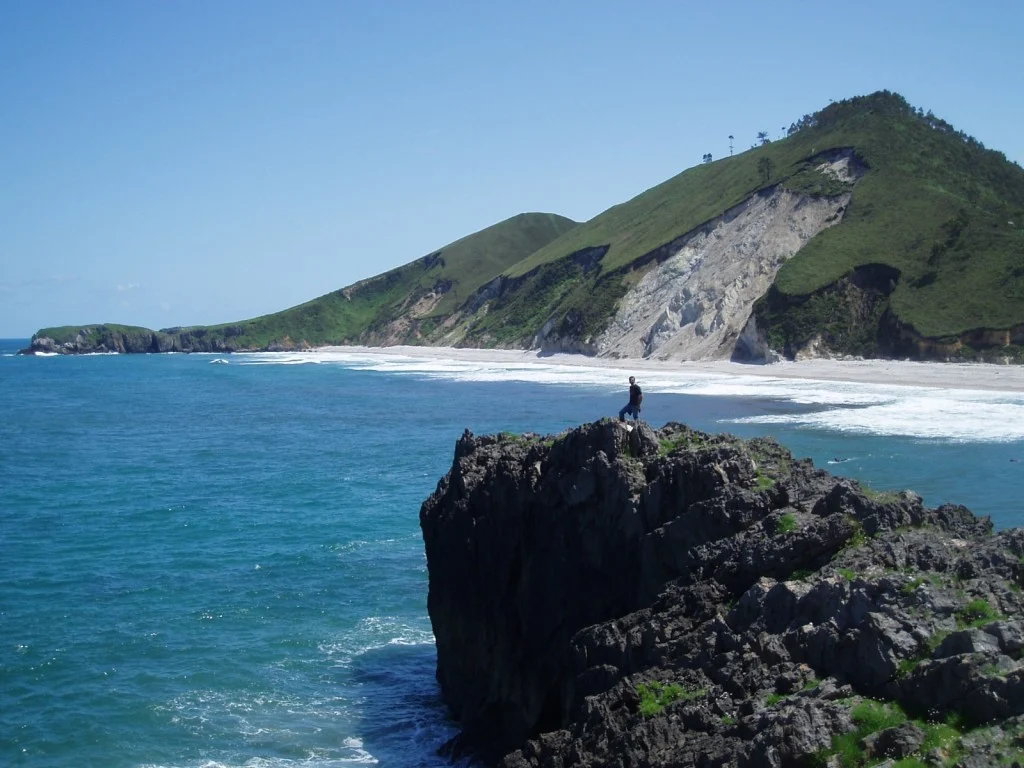
Imaggeo on Mondays: Landslide on the Cantabrian coastline

Shimmering blue seas, rocky outcrops and lush green hills sides; this idyllic landscape is punctuated by a stark reminder that geohazards are all around us. Irene Pérez Cáceres, a PhD student at the University of Granada (Spain) explains the geomorphology behind this small scale landslide on the Asturian coastline. This picture was taken in May 2011 in the coast of Llanes (Asturias, Spain). I was ...[Read More]

Imaggeo on Mondays: A solitary floating island

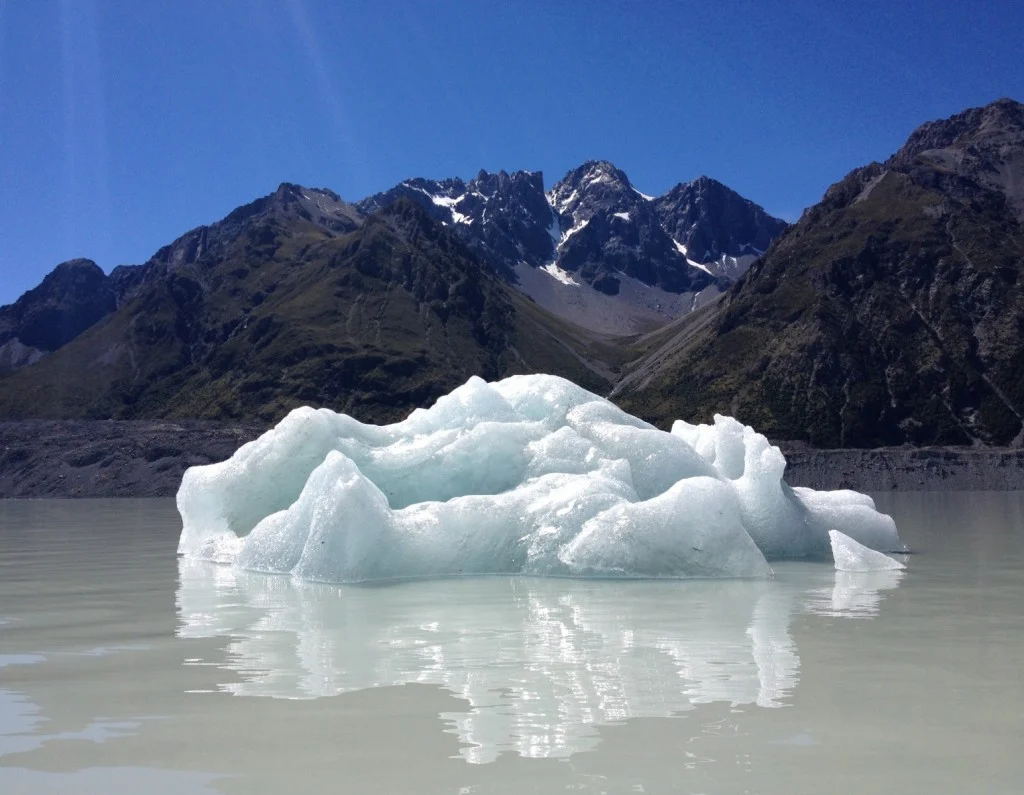
Imaggeo on Mondays: A solitary floating island

With 2014 officially named the hottest year on record, there is evidence of the effects of rising global temperatures across the globe. The solitary, shimmering iceberg in today’s Imaggeo on Mondays photograph is a reminder that one of the best places to look for evidence of change is in glaciers. Daniela Domeisen tells the story of this lonely frozen block of ancient ice. The picture shows an ice ...[Read More]

Imaggeo on Mondays: Wadis in a war zone

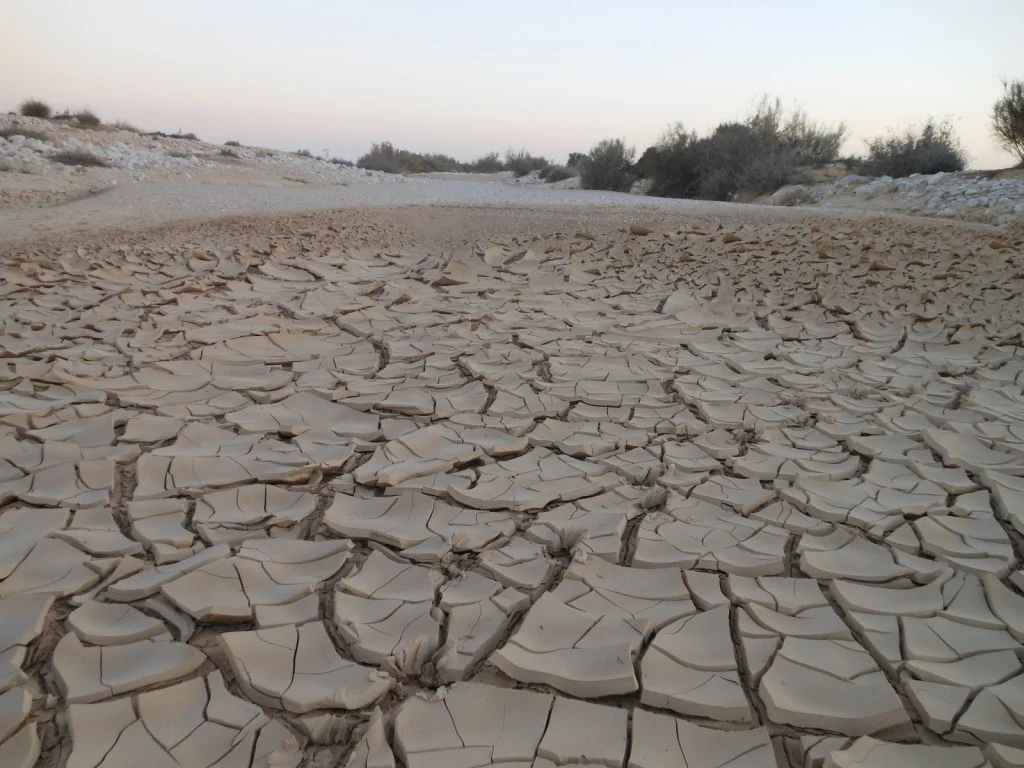
Imaggeo on Mondays: Wadis in a war zone

The range of challenges scientists face when carrying out Earth science research in the field are vast. However, the story behind Vincent Felde’s, a PhD candidate at Giessen University, image of the wadi, is truly remarkable and highlights how geoscientific research is not limited by borders or conflict. Wadi Nizzana (the Arabic term used to describe valleys that remain dry except during times of ...[Read More]

Imaggeo on Mondays: Gothic Snow Architecture.

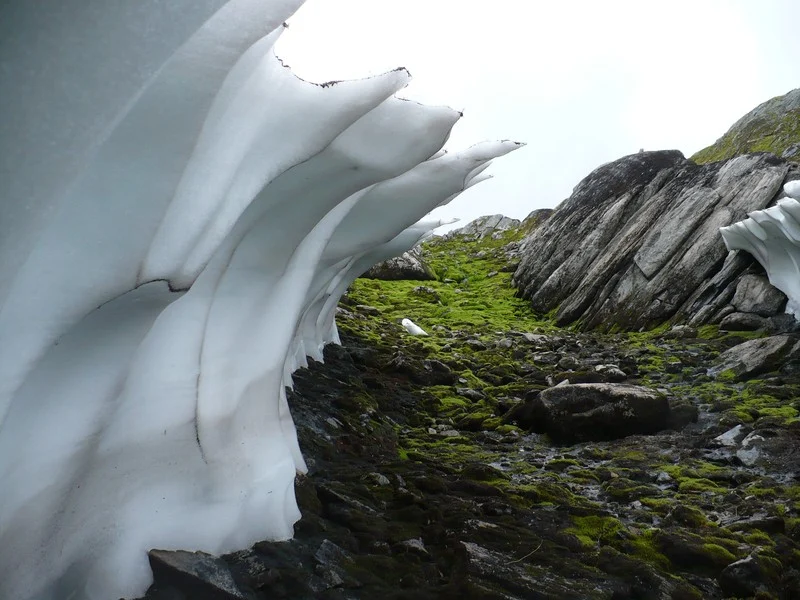
Imaggeo on Mondays: Gothic Snow Architecture.

Whilst on a family holiday in Norway, Gerrit de Rooij took this incredible photograph of an ice arch. Understandably geoscience is not his top priority whilst taking photographs on holiday, however Gerrit points out that “pretty much every picture of a landscape has hydrology in there somewhere”, as he goes on to describe below. This picture was taken near Balestrand, a village along the Sognefjor ...[Read More]

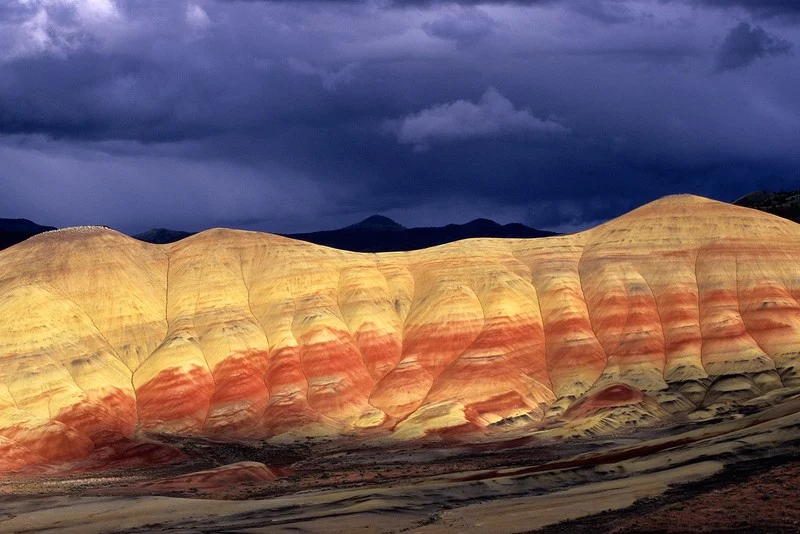
Imaggeo on Mondays: Painted Hills after the storm.

Imaggeo on Mondays: Painted Hills after the storm.

The geological record preserved at John Day Fossil beds, in Oregon, USA, is very special. Rarely can you study a continuous succession through changing climates quite like you can at this National Park in the USA. It is a treasure trove of some 60,000 plant and animal fossil specimens that were preserved over a period of 40 million years during the Cenozoic era (which began 66 million years ago). ...[Read More]

Imaggeo on Mondays: The Final Effort

We’ve all been there: long hours in the field, a task that seems never ending but which has to be finished today. This week’s Imaggeo on Mondays image is brought to you by Patrick Klenk who highlights the importance of how ‘getting the job done’ relies on good team work! Two years ago I posted this picture to imaggeo as a tribute to everyone who ever experienced the perils and pitfalls of outdoor ...[Read More]