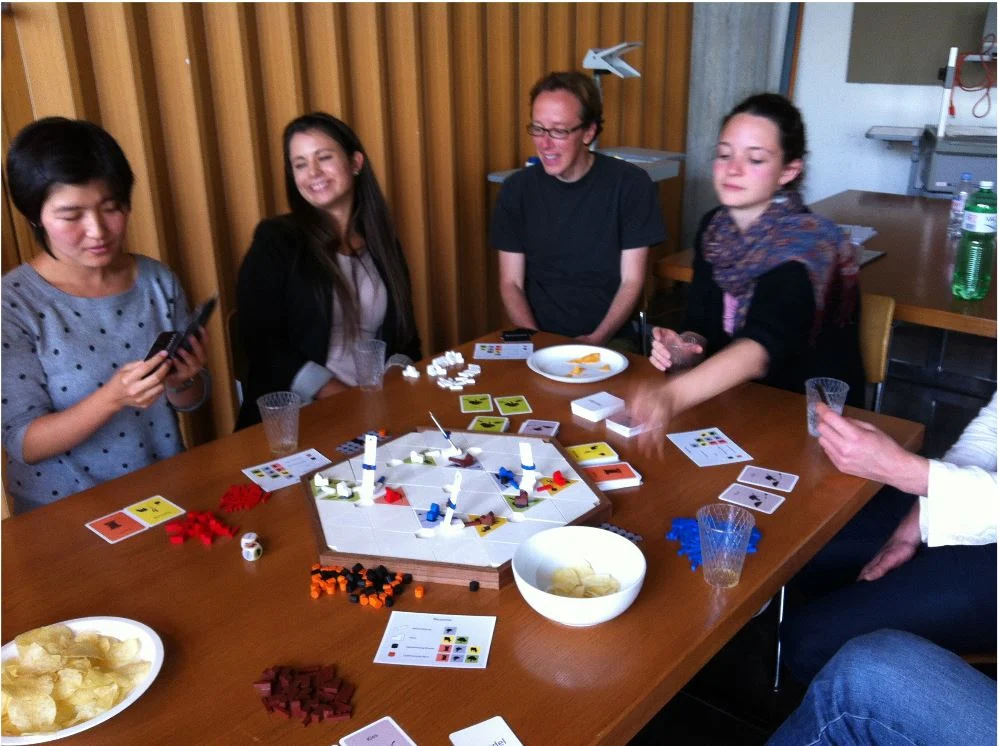
With the rise of electronic games – those played on computers, consoles and even on mobile phones – you’d be forgiven for thinking the humble board game would be slowly making its way into the history books. Nothing could be further from the truth! Sales of board games are on the up, as are cafes where you can gather to play table-top games of your choice, and board game meet ups: regular gaming g ...[Read More]
Energy, Resources and the Environment
GeoPolicy: What will a Trump presidency mean for climate change?
The US Presidential election this month saw Republican Donald Trump, a fierce climate sceptic, be elected into office. In wake of the election results, this month’s GeoPolicy post will take a look at Trump’s proposed actions on climate change, how likely these are to happen, and what the climate and clean technology communities could do to limit the damage. This tweet, written four years ag ...[Read More]
Celebrating Earth Science Week!
For those not so familiar with the Earth sciences, geosciences and all its subdisciplines might be shrouded in mystery: boring, unfathomable, out of reach and with little relevance to everyday life. Nothing could be further from the truth! Earth Science Week, an international annual celebration founded by the American Geosciences Institute in 1998, aims to change the public’s perception of the ge ...[Read More]
Going deeper underground – why do we want to know how rocks behave?
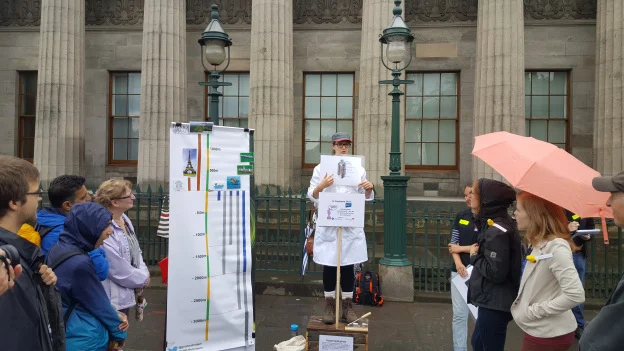
Imagine you find yourself standing atop a wooden box in the middle of your home town, on a rainy weekend day, with the sole aim of talking to passersby about your research work. It can be a rather daunting prospect! How do you decide what the take-home message of your work is: which single nugget of information do you want members of the public to take away after having spoken to you? Even more im ...[Read More]
New study of natural CO2 reservoirs: Carbon dioxide emissions can be safely buried underground for climate change mitigation
New research shows that natural accumulations of carbon dioxide (CO2) that have been trapped underground for around 100,000 years have not significantly corroded the rocks above, suggesting that storing CO2 in reservoirs deep underground is much safer and more predictable over long periods of time than previously thought, explains Suzanne Hangx a postdoctoral researcher at the University of Utrech ...[Read More]
Geosciences Column: The World’s soils are under threat
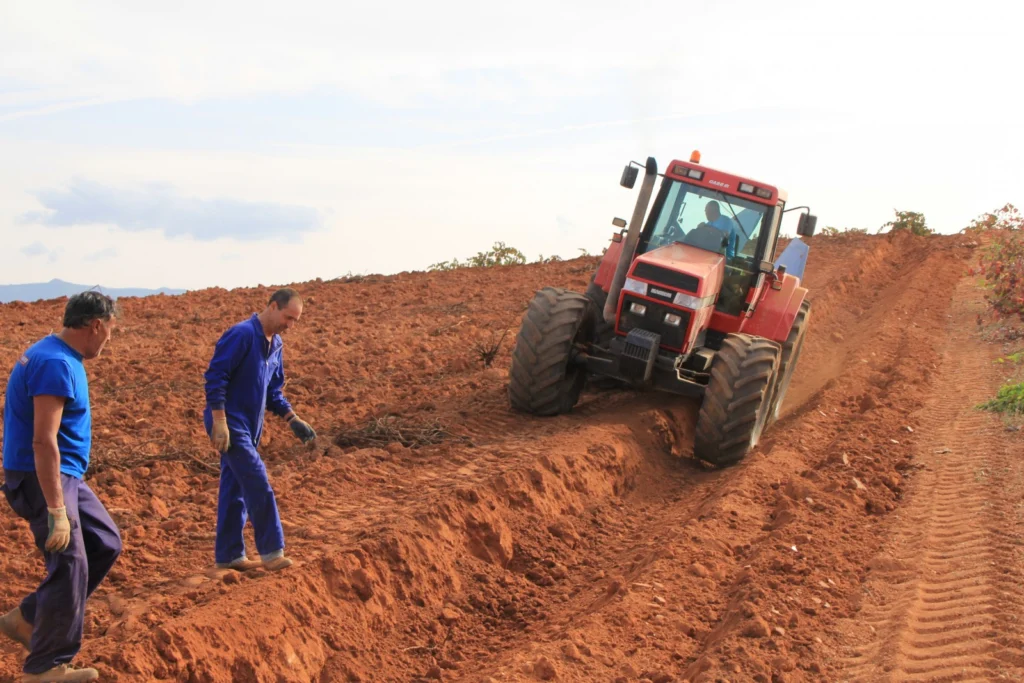
An increasing global population means that we are more dependant than ever on soils. Soils are crucial to securing our future supplies of water, food, as well as aiding adaptation to climate change and sustaining the planet’s biosphere; yet with the decrease in human labour dedicated to working the land, never have we been more out of touch with the vital importance of this natural resource. Now, ...[Read More]
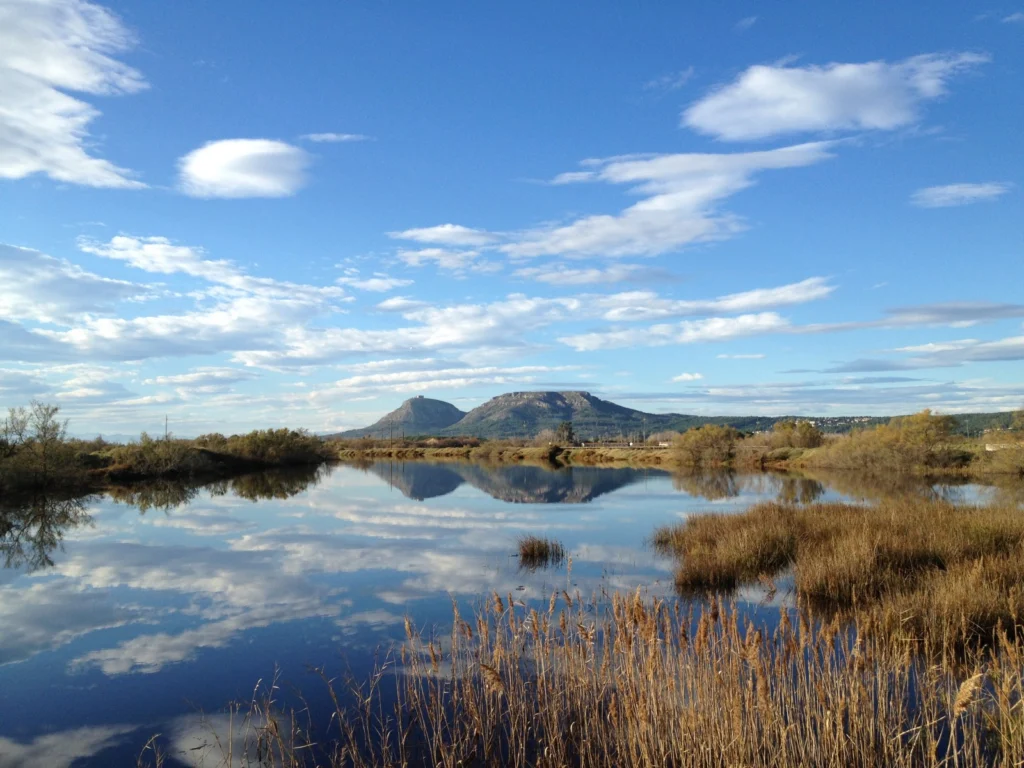
Imaggeo on Mondays: Why is groundwater so important?
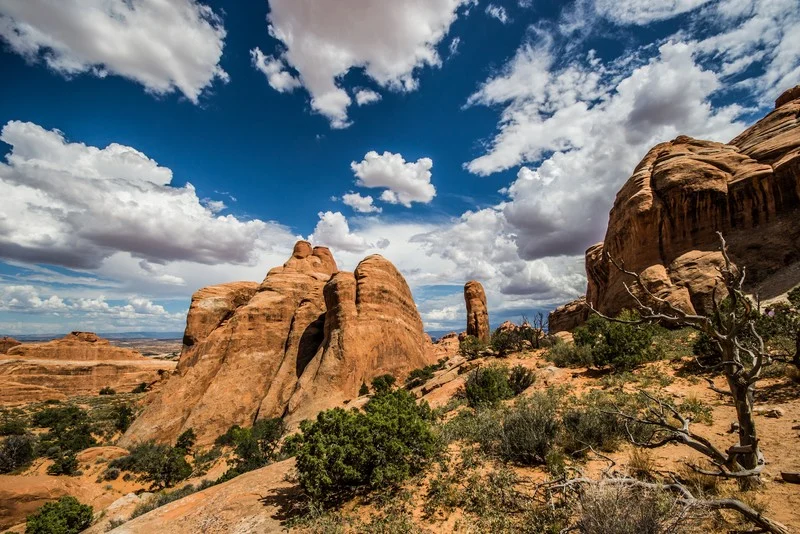
Groundwater is an often underestimated natural resource, but it is vital to the functioning of both natural and urban environments. Indeed, it is a large source of drinking water for communities world-wide, as well as being heavily used for irrigation of crops and crucial for many industrial processes. The water locked in the pores and cracks within the Earth’s soils and rocks, also plays an impor ...[Read More]
GeoPolicy: 8 science-based projects improving regions in the EU
As scientists, it can sometimes be difficult to see the real-world implications of some of our research. Concepts can often seem abstract and remote when sitting in a lab or taking field measurements. But researching the Earth sciences can have profound effects on global society. Understanding how the natural world works can help protect and improve human, animal, and plant life. This month’s GeoP ...[Read More]
Testing triggers of catastrophic climate change
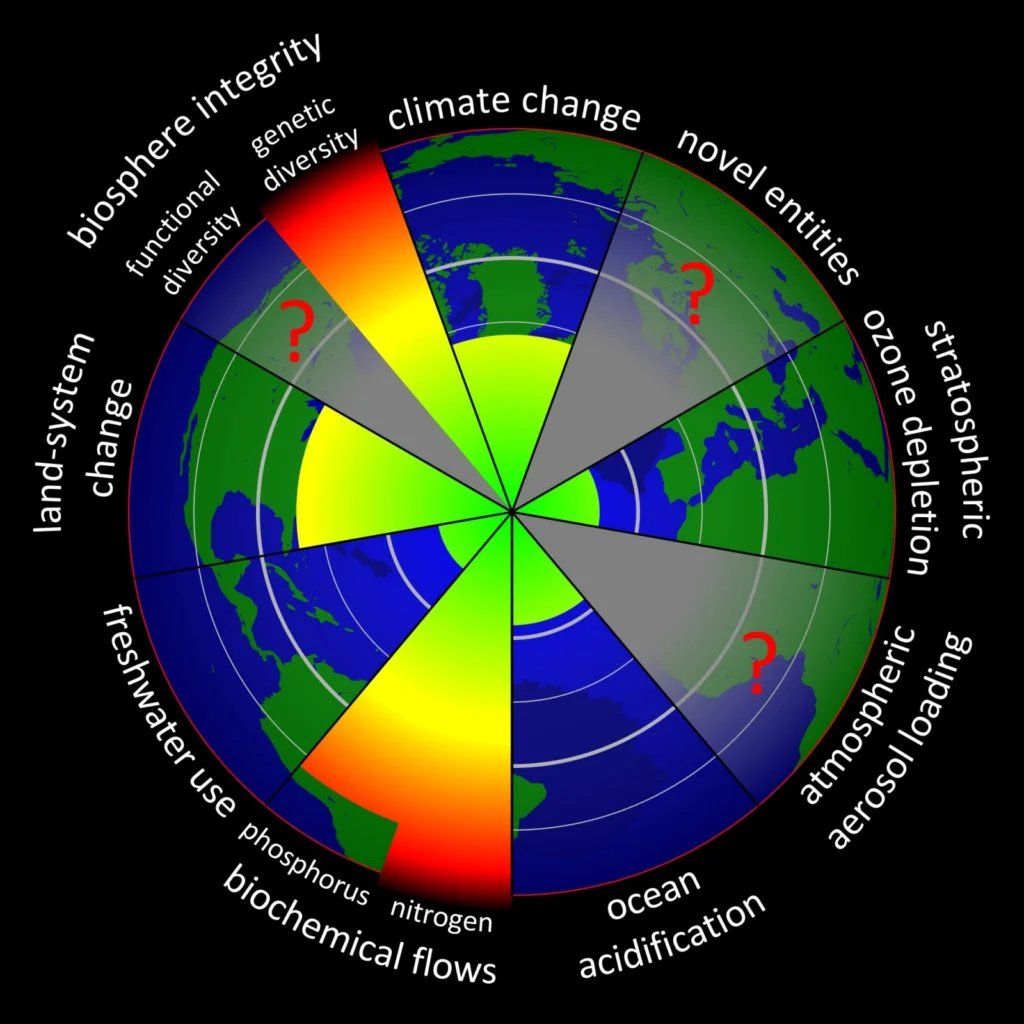
The research presented during the EGU’s 2016 General Assembly have wide-reaching implications for how we understand planet Earth. In today’s post, Sara Mynott, an EGU press assistant during the conference, writes about findings presented at the meeting which highlight the importance of the biosphere when it comes to understanding the threat posed to our planet by environmental challenges. With the ...[Read More]
Great walls of fire – Vitrification and thermal engineering in the British Iron Age
It’s long been recognised the peoples of European prehistory occasionally, and quite deliberately, melted the rocks from which their hilltop enclosures were made. But why did they do it? In today’s blog post Fabian Wadsworth and Rebecca Hearne explore this question. Burning questions Throughout the European Bronze and Iron Ages (spanning 2600 years from 3200 BC to 600 BC), people constructed stone ...[Read More]