GeoLog

Climate: Past, Present & Future

The Global South Climate Database: one thousand experts in one year!
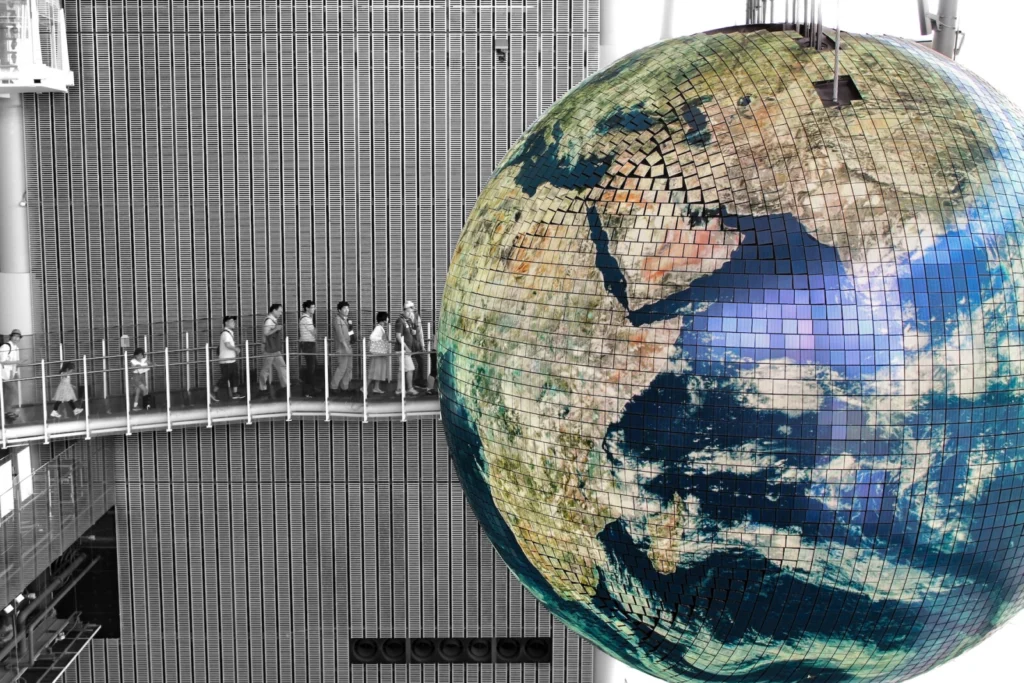
The Global South Climate Database: one thousand experts in one year!
Climate change is one of the most urgent problems facing humanity today. Every corner of the planet is already feeling the impacts of climate change, from devastating heatwaves to sweeping floods. The wealthy and powerful are responsible for the lion’s share of greenhouse gas emissions. Yet, the impacts of climate change are disproportionately felt by the poorest and most vulnerable members ...[Read More]

GeoPolicy: Science for Policy Internships & Traineeships – a regularly updated list

GeoPolicy: Science for Policy Internships & Traineeships – a regularly updated list

Internships and traineeships are a great way to gain a better understanding of the political system and how policymakers use scientific evidence! This month’s GeoPolicy Blog post highlights various European-based opportunities that researchers can apply for. Understanding Europe’s political landscape and the information that policymakers need to make evidence-informed decisions is one of the most ...[Read More]

Biosphere Reserves: What are they and why must we care for them?

Biosphere Reserves: What are they and why must we care for them?

Today, 3 November, is globally recognized as the International Day for Biosphere Reserves. The first edition of this observance day was marked last year, with UNESCO urging our relationship with nature needed “a radical rethink.” As Audrey Azoulay, Director-General of UNESCO explains, “The logic is simple: to improve our relationship with nature, we must first improve our understanding of how we a ...[Read More]

Researchers share insights from first-of-its-kind ice loss study of Antarctic Ice Sheet

Researchers share insights from first-of-its-kind ice loss study of Antarctic Ice Sheet

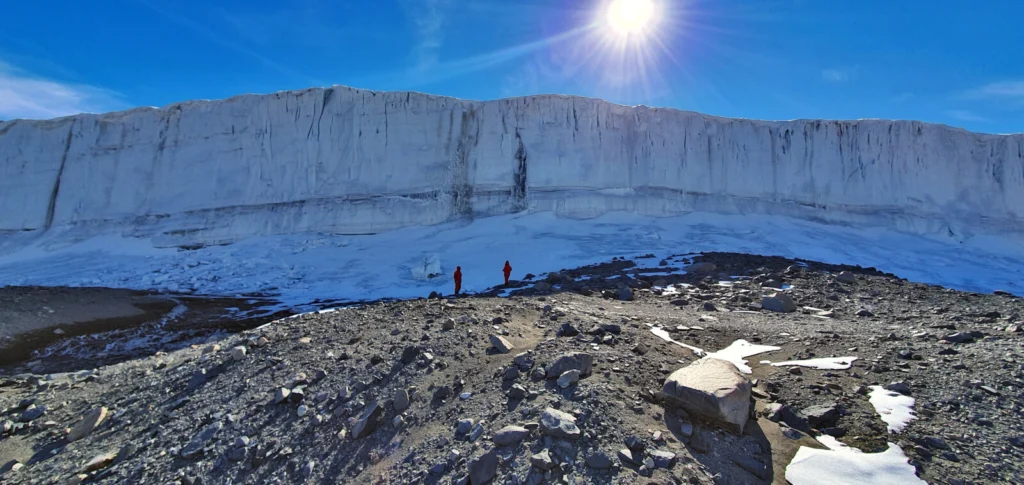
Hi Ronja and Emily, thank you for agreeing to doing this interview. Could you tell us briefly about your background and how you came to research your field? Emily: I have an environmental science/physical geography background and I have been working with an ice sheet model during and after my PhD to understand how glaciers and ice streams in Greenland and Antarctica may respond to climatic changes ...[Read More]

GeoTalk: meet Nazimul Islam, Dendrochonrologist and Climate ECS Representative!

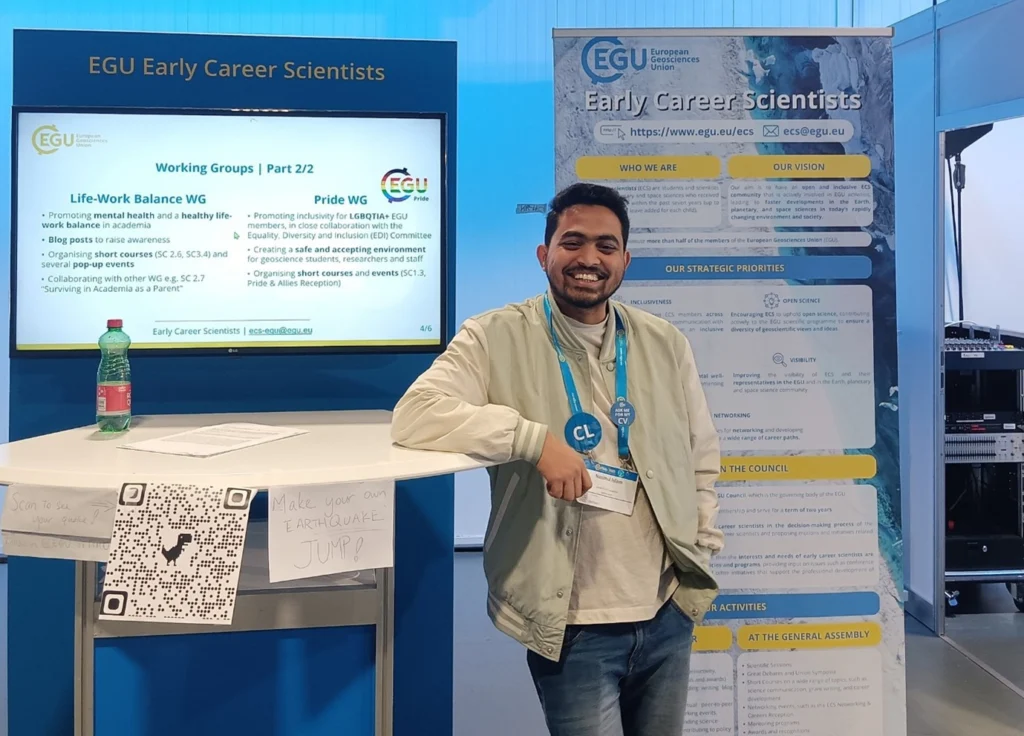
Nazimul Islam

Hi Naz. Thanks for joining us for this edition of GeoTalk! How did you get into studying tree rings? Hello, thank you for inviting me! Well there is an interesting story behind this so let me share it with you. I was always fascinated by our natural environment, particularly mountains, glaciers, and rivers. That motivated me to study Geography for my Bachelor and Master Degrees. For my MSc dissert ...[Read More]

A chunk of ice the size of Amsterdam: how the calving of Greenland’s glaciers has changed since the 2010 Petermann Glacier event

A chunk of ice the size of Amsterdam: how the calving of Greenland’s glaciers has changed since the 2010 Petermann Glacier event

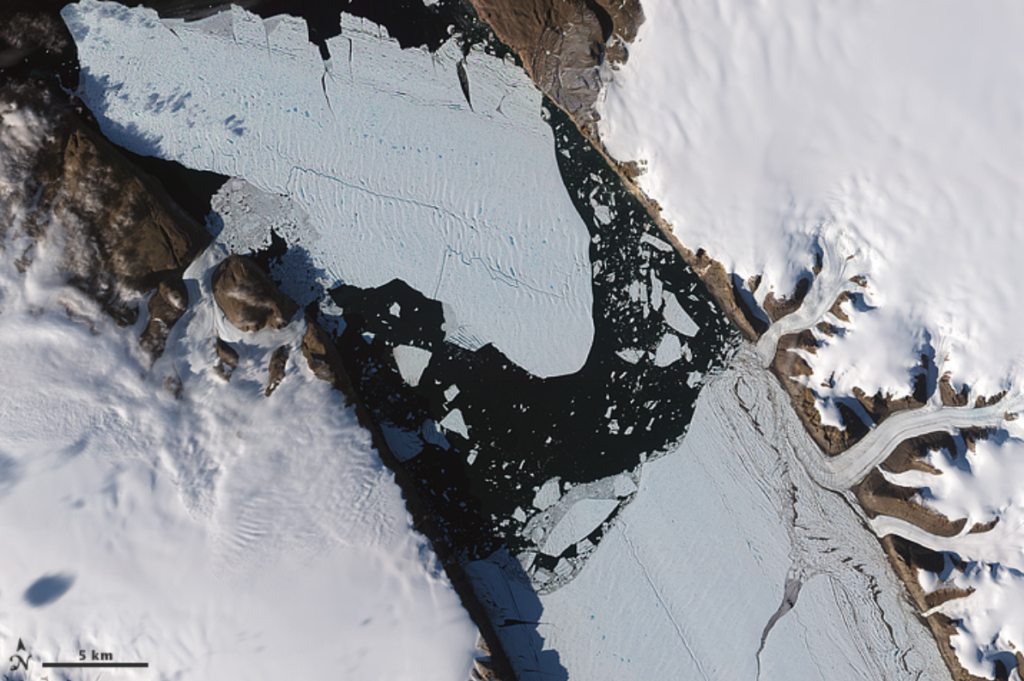
Thirteen years ago, a roughly 251 km2 chunk of ice (or 97 miles2) broke off Greenland’s Petermann Glacier. This Amsterdam-sized piece of ice was the largest to calve in the Arctic since 1962. The massive iceberg traversed the Nares Strait, which lies between Canada’s Ellesmere Island and Greenland, and into the northern part of Baffin Bay—the northwestern-most arm of the Atlantic Ocean, before eve ...[Read More]

Why single solution strategies cannot solve the plastic pollution problem

Why single solution strategies cannot solve the plastic pollution problem

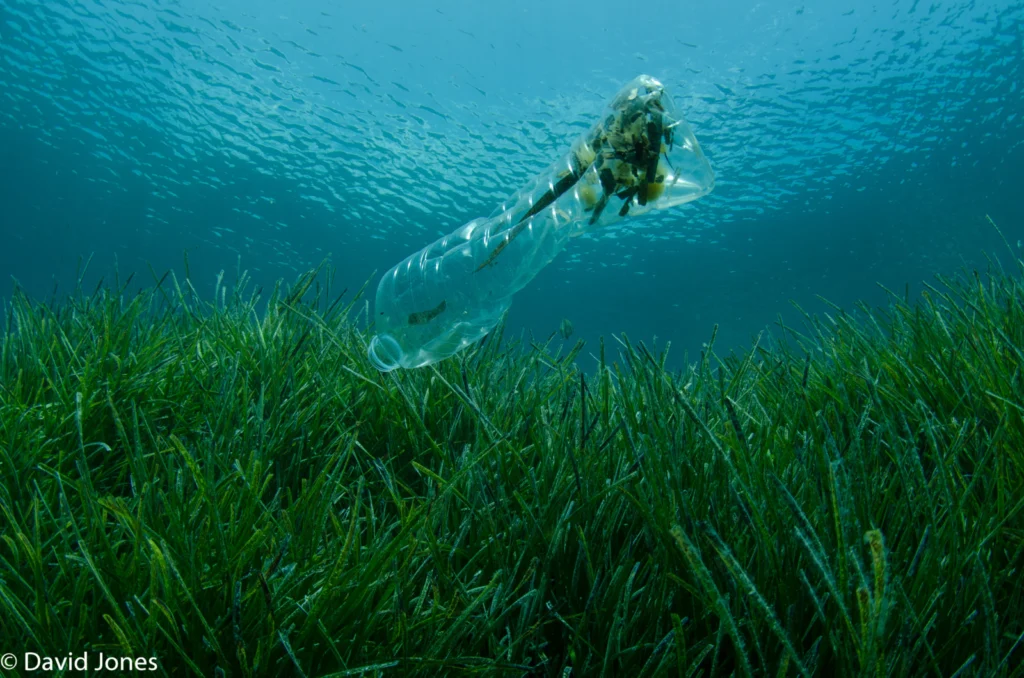
It appears that plastics have well and truly invaded even our most inaccessible environments: the deepest point in the ocean (the Mariana trench) and the highest mountain peak in the world (Mt. Everest) both contain pieces of plastic from human activities miles away. With plastic waste flowing into aquatic ecosystems expected to nearly triple by 2040, it is safe to say that nature is in “emergency ...[Read More]

Seaweed: an unlikely but promising food solution in nuclear winter?

Seaweed: an unlikely but promising food solution in nuclear winter?

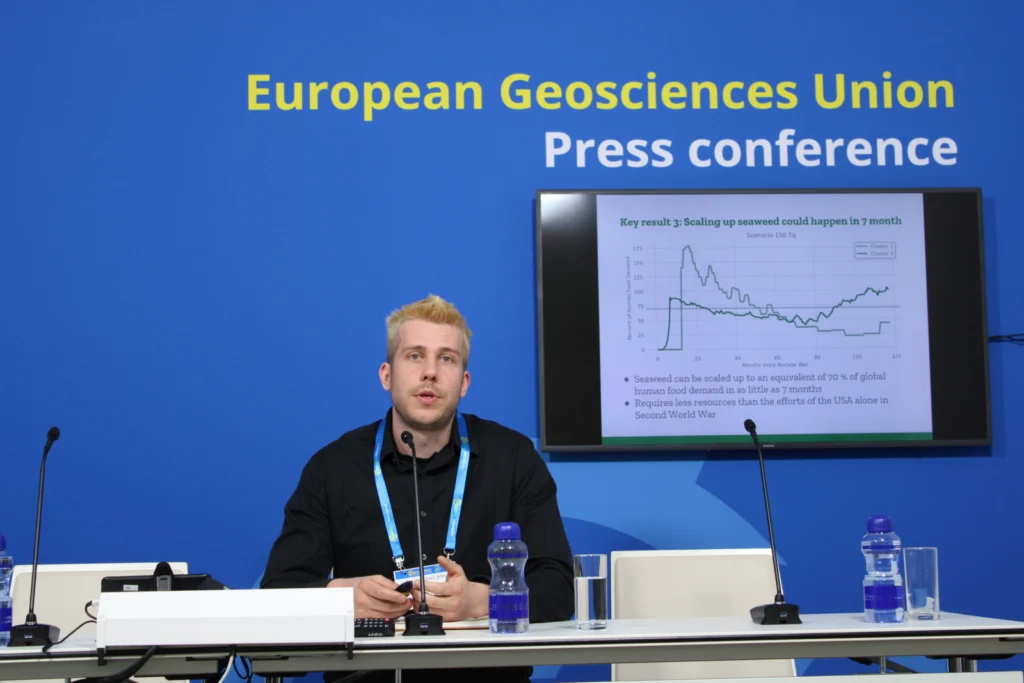
A few weeks ago, at the European Geosciences Union General Assembly EGU23, a group of researchers from different disciplines briefed the media about the impact of war on the oceans, sands, and people. Among them, Florian Ulrich Jehn’s presentation stood out for its rather unlikely proposition: that seaweed appeared to be a promising candidate as a resilient food solution in nuclear winter. I ...[Read More]

Do changes in Arctic climate variability severely impact migratory birds?

Do changes in Arctic climate variability severely impact migratory birds?

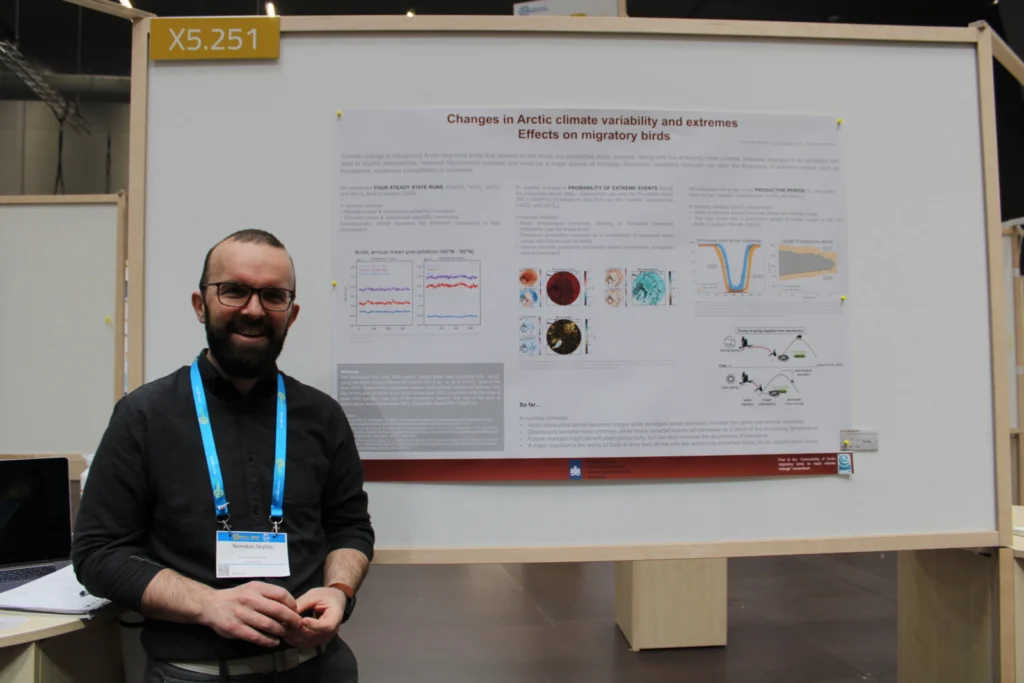
Changes in Arctic climate variability and extremes may have significant impacts for migratory birds, according to a study presented at EGU23 by Nomikos Skyllas, a PhD student from the University of Groningen. Many species cross continents during their seasonal migration patterns, travelling from as far as Africa and South America to northern regions such as Siberia and the Canadian Arctic. If you’ ...[Read More]

GeoTalk: Meet Marisa Storm, Molecular Fossil researcher!

Marisa Storm

  Hi Marisa. Thank you for joining us today! Could you tell our readers a bit about yourself and your research? Hi, I am a geologist and organic geochemist, currently working as a postdoc at the NIOZ Netherlands Institute for Sea Research based on the island Texel. After my geology-focused undergraduate and master studies in Germany at the RWTH Aachen and Heidelberg University, I graduated wi ...[Read More]