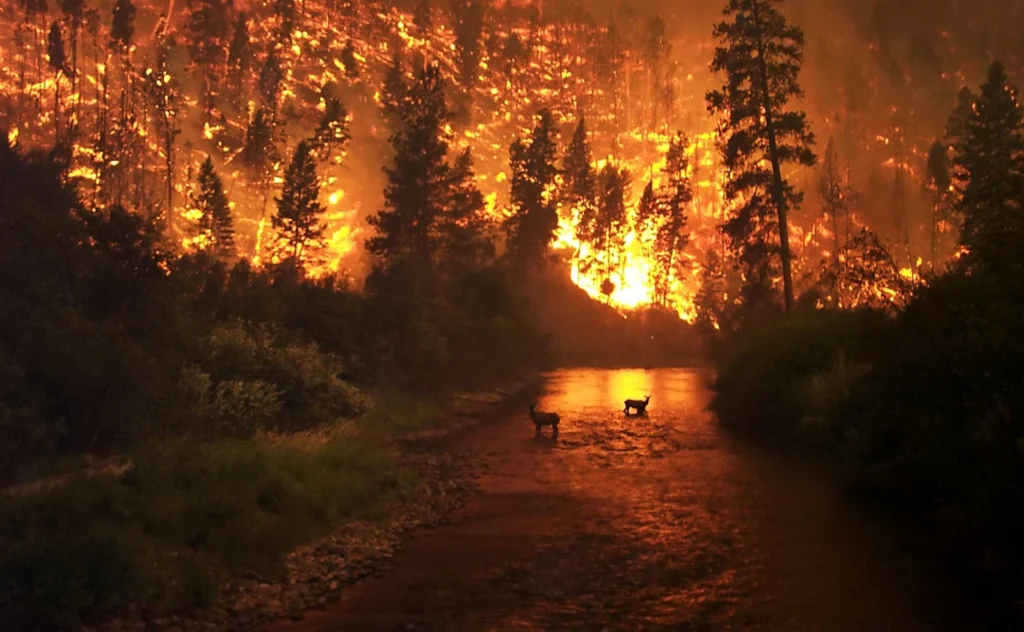
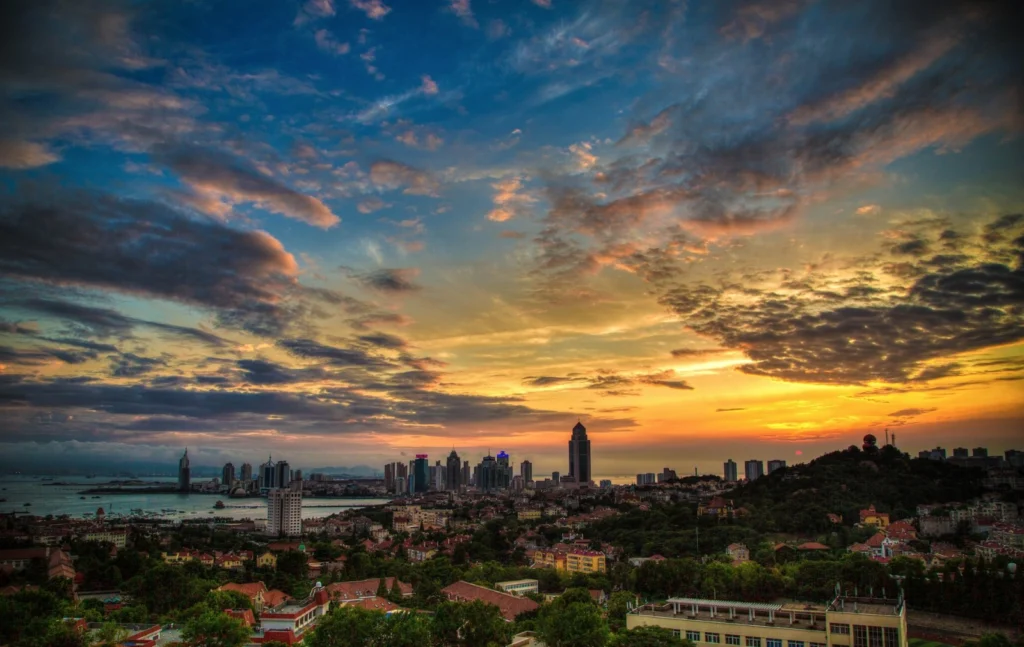
Wildfires have been raging across the globe this summer. Six U.S. States, including California and Nevada, are currently battling fierce flames spurred on by high temperatures and dry conditions. Up to 10,000 people have been evacuated in Canada, where wildfires have swept through British Columbia. Closer to home, 700 tourists were rescued by boat from fires in Sicily, while last month, over 60 pe ...[Read More]
Atmospheric Sciences
June GeoRoundUp: the best of the Earth sciences from around the web
Drawing inspiration from popular stories on our social media channels, as well as unique and quirky research news, this monthly column aims to bring you the best of the Earth and planetary sciences from around the web. Major Story With June being the month when the world’s oceans are celebrated with World Ocean Day (8th June) and the month when the UN’s Ocean Conference took place, it seemed apt t ...[Read More]
Imaggeo on Mondays: Airplane views of the Alps
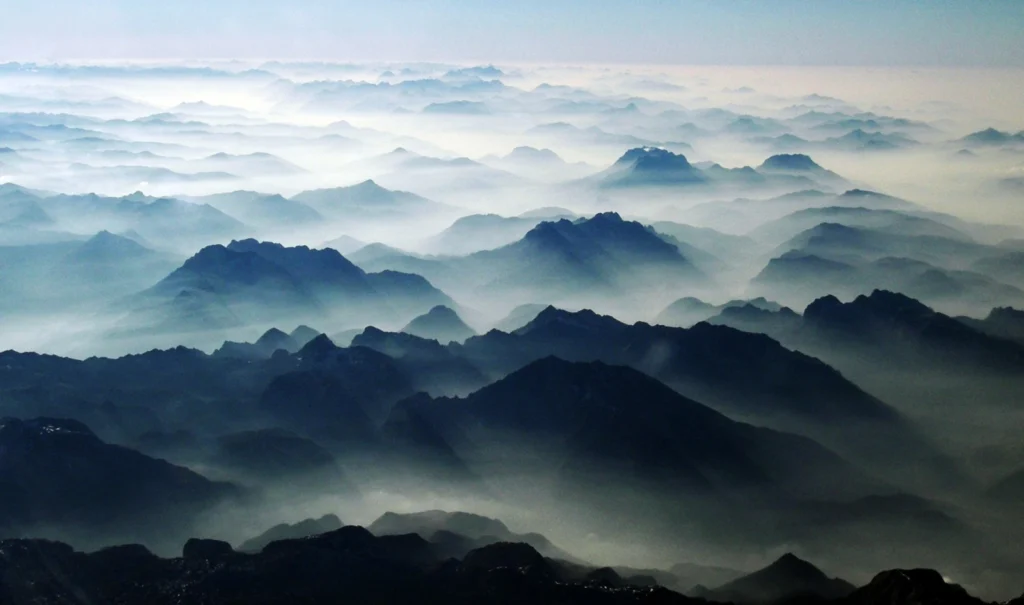
The forward scattering of sunlight, which is caused by a large number of aerosol particles (moist haze) in Alpine valleys, gives the mountain massifs a rather plastic appearance. The hazy area in the foreground lies above the Koenigsee lake; behind it the Watzmann, Hochkalter, Loferer Steinberge and Wilder Kaiser massifs loom up behind one other to the right of the centre line. Behind them is the ...[Read More]
Heat waves in cities getting worse under climate change
The effects of climate change are being felt all over the world but towns and cities are feeling most hot-under-the collar, a new study finds. Cities are usually warmer than their surroundings due to the urban heat island effect where artificial surfaces absorb more heat than their natural counterparts. Coupled with the loss of the shady effects of trees, urban areas regularly record the hottest t ...[Read More]
April GeoRoundUp: the best of the Earth sciences from the 2017 General Assembly
This month’s GeoRoundUp is a slight deviation from the norm. Instead of drawing inspiration from popular stories on our social media channels and unique or quirky research featured in the news, we’ve rounded up some of the stories which came out of researcher presented at our General Assembly (which took place last week in Vienna). The traditional format for the column will return in May! Major st ...[Read More]
Imaggeo on Mondays: An epic ‘house’ move across the ice
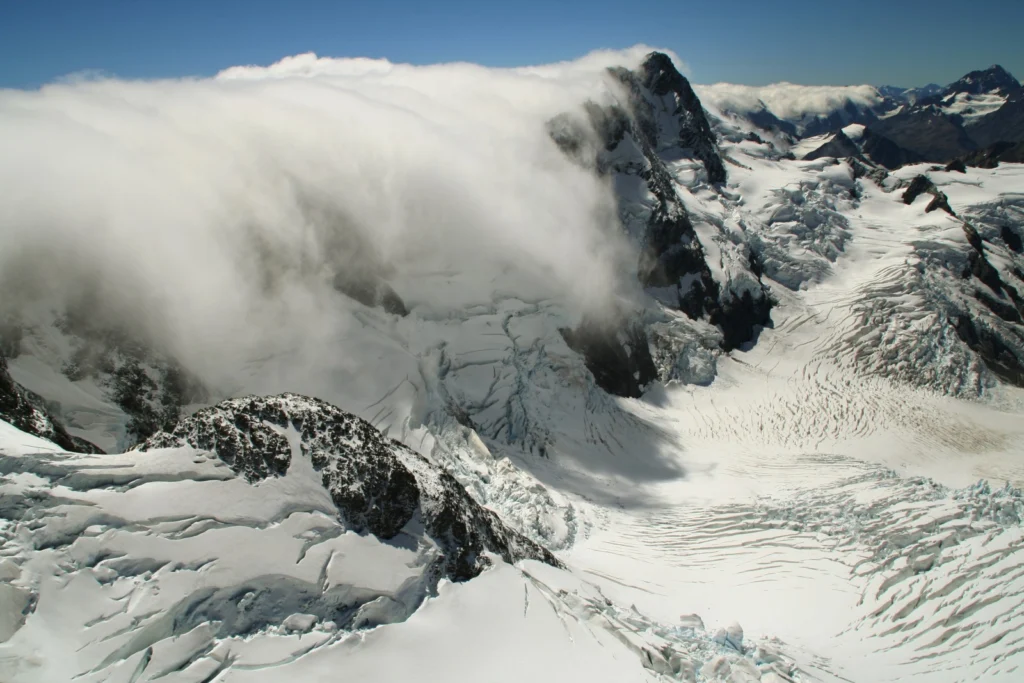
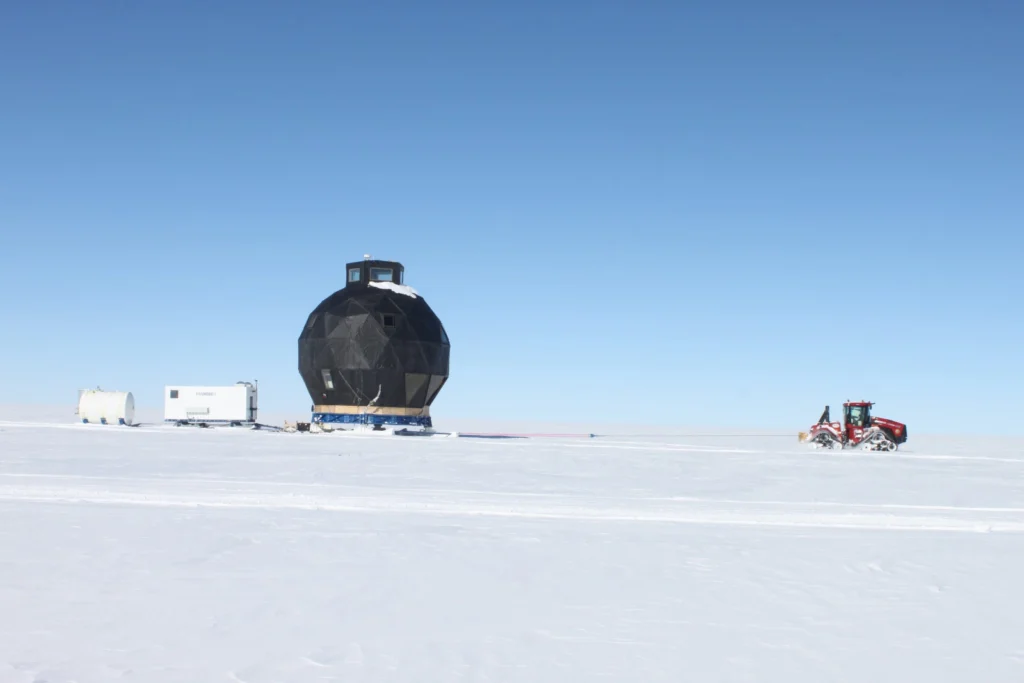
In 2008 the NEEM Deep Ice Core Project was initiated by 14 partner countries in Northwestern Greenland (camp position 77.45°N 51.06°W) with the aim to drill from the very top of the Greenland ice cap to its base; obtaining ice from as far back as the last interglacial period- the Eemian – some 130,000 years old. At the start of the 2008 field season, the NEEM camp consisted of a single hea ...[Read More]
Extraordinary iridescent clouds inspire Munch’s ‘The Scream’
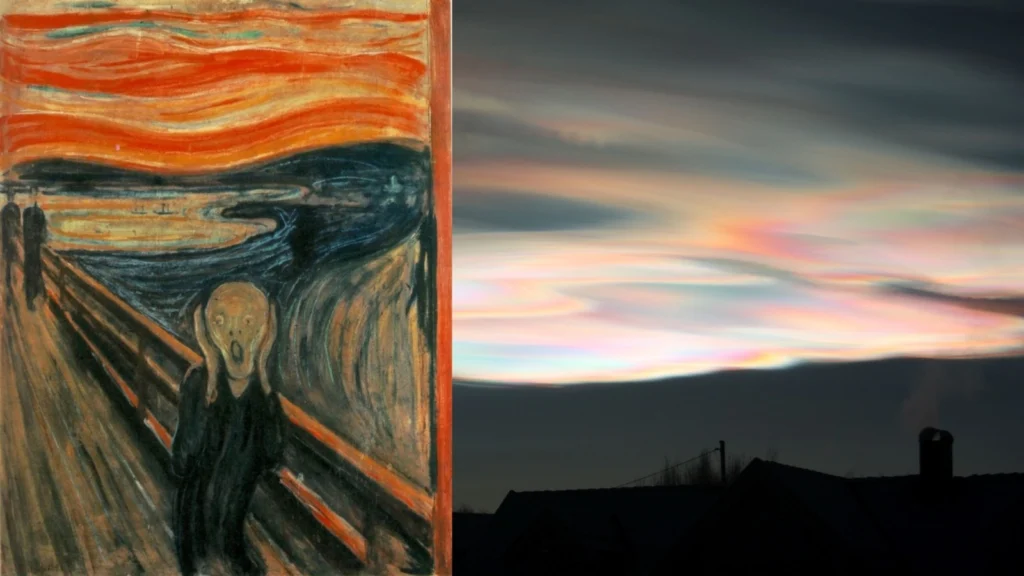
Edvard Munch’s series of paintings and sketches ‘The Scream’ are some of the most famous works by a Norwegian artist, instantly recognisable and reproduced the world over. But what was the inspiration behind this striking piece of art? The lurid colours and tremulous lines have long been thought to represent Munch’s unstable state of mind; a moment of terror caught in shocking technicolour. At the ...[Read More]
Knowing the ocean’s twists and turns
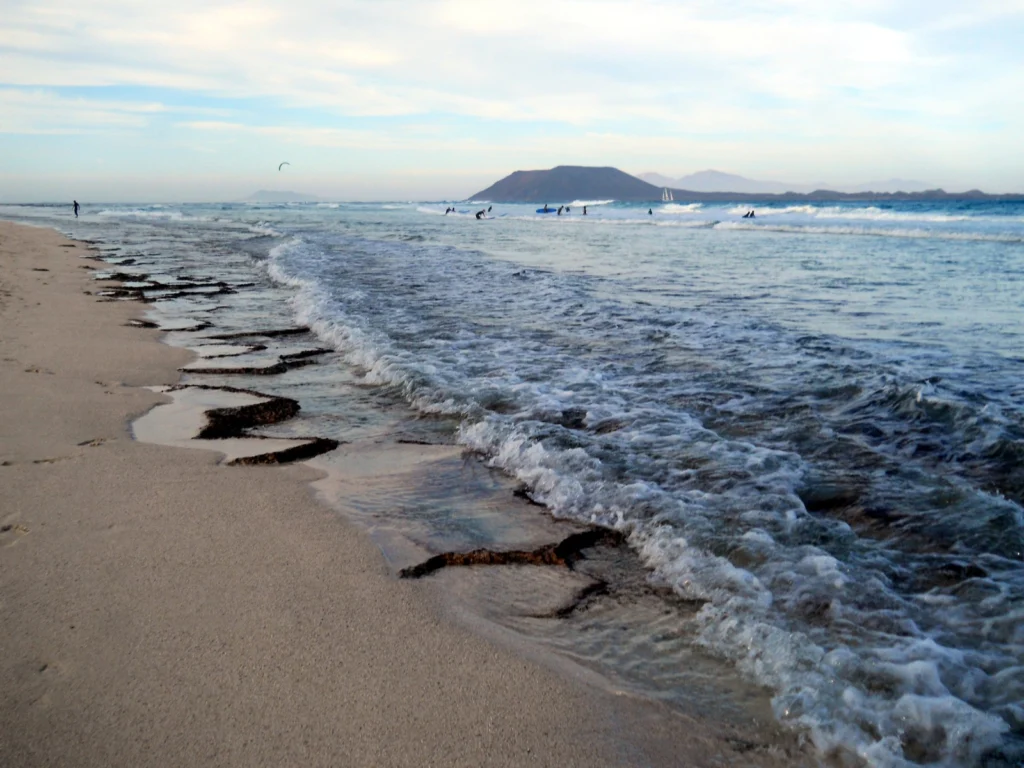
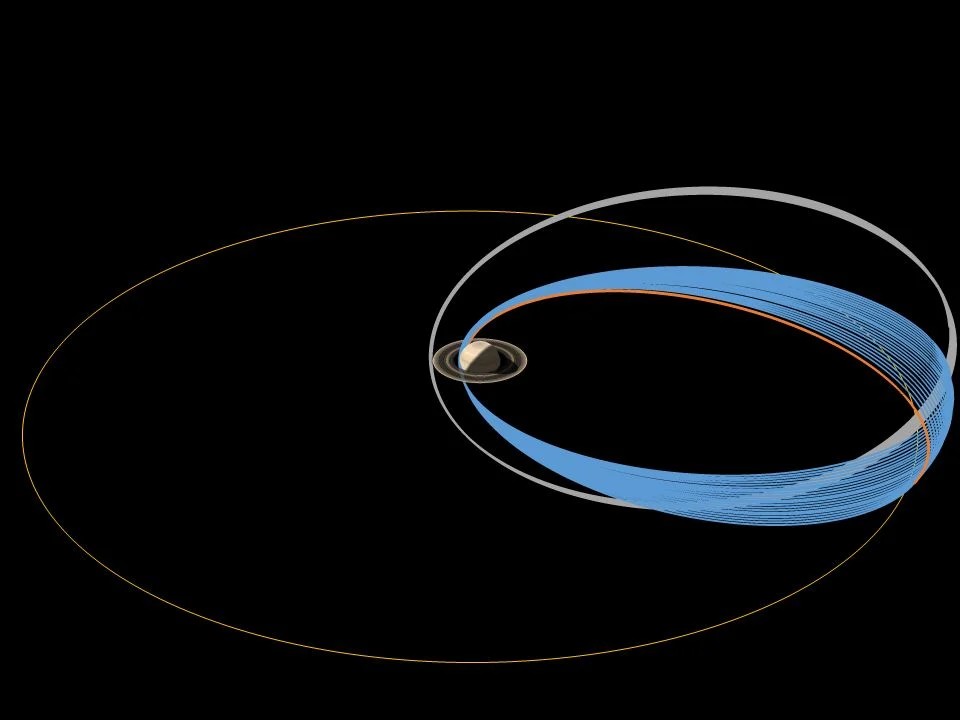
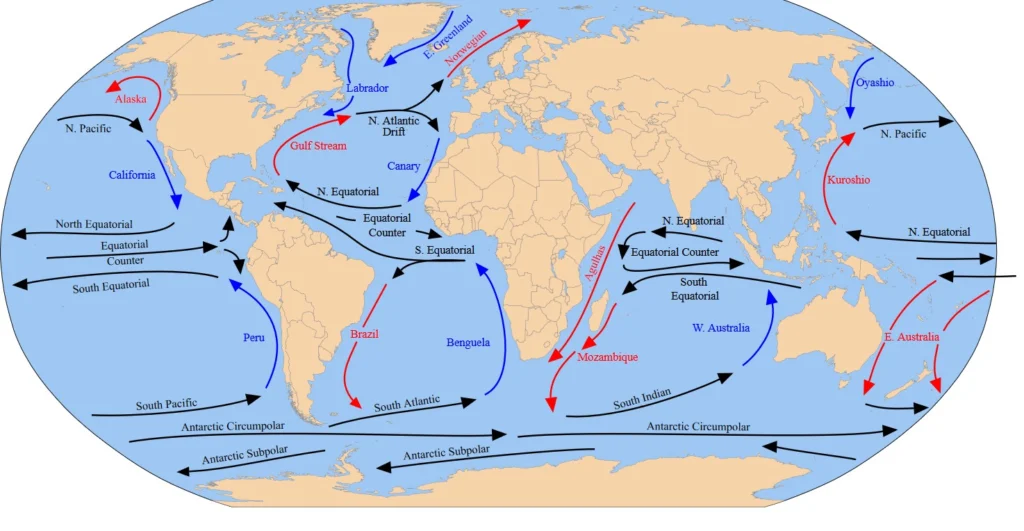
Navigating the ocean demands a knowledge of its movements. In the past, sailors have used this knowledge to their advantage, following the winds and the ocean currents to bring them on their way. Prior to mutiny in 1789, Captain Bligh – on the HMS Bounty – famously spent a month attempting to pass westward through the Drake Passage, around Patagonia’s Cape Horn. Here the westerly ...[Read More]
Imaggeo on Mondays: Atmospheric gravity waves
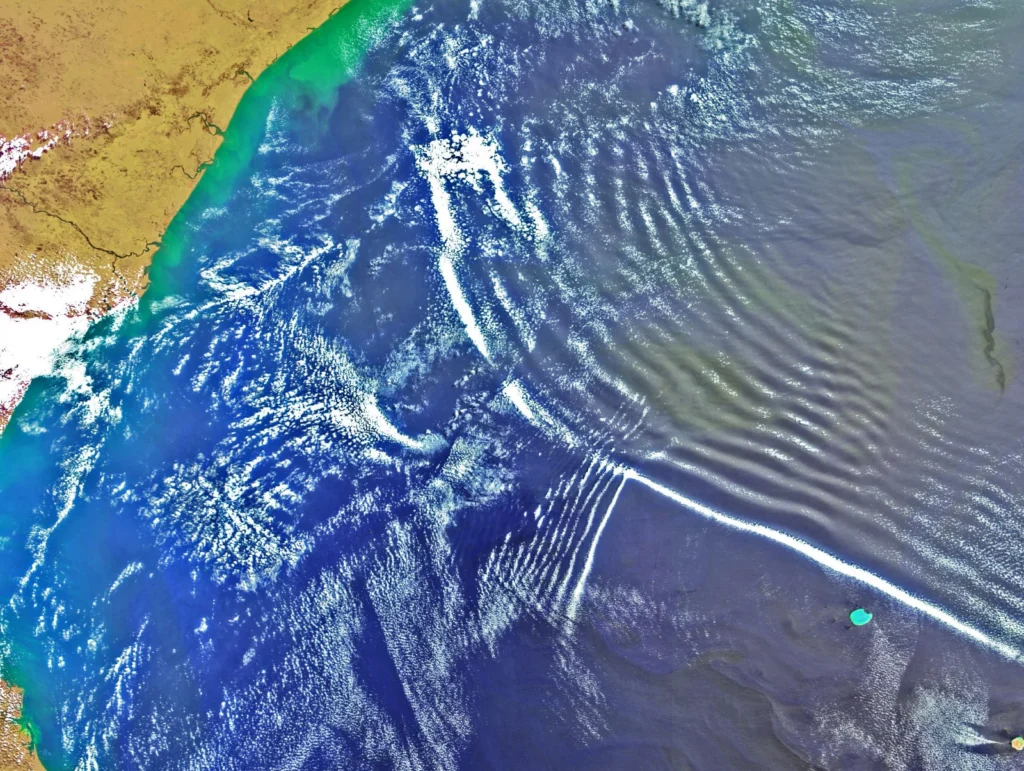
From the tiny vibrations which travel through air, allowing us to hear music, to the mighty waves which traverse oceans and the powerful oscillations which shake the ground back and forth during an earthquake, waves are an intrinsic part of the world around us. As particles vibrate repeatedly, they create an oscillation, which when accompanied by the transfer of energy, creates a wave. The way in ...[Read More]
GeoTalk: How are clouds born?
Geotalk is a regular feature highlighting early career researchers and their work. In this interview we speak to Federico Bianchi, a researcher based at University of Helsinki, working on understanding how clouds are born. Federico’s quest to find out has taken him from laboratory experiments at CERN, through to the high peaks of the Alps and to the clean air of the Himalayan mountains. His innova ...[Read More]