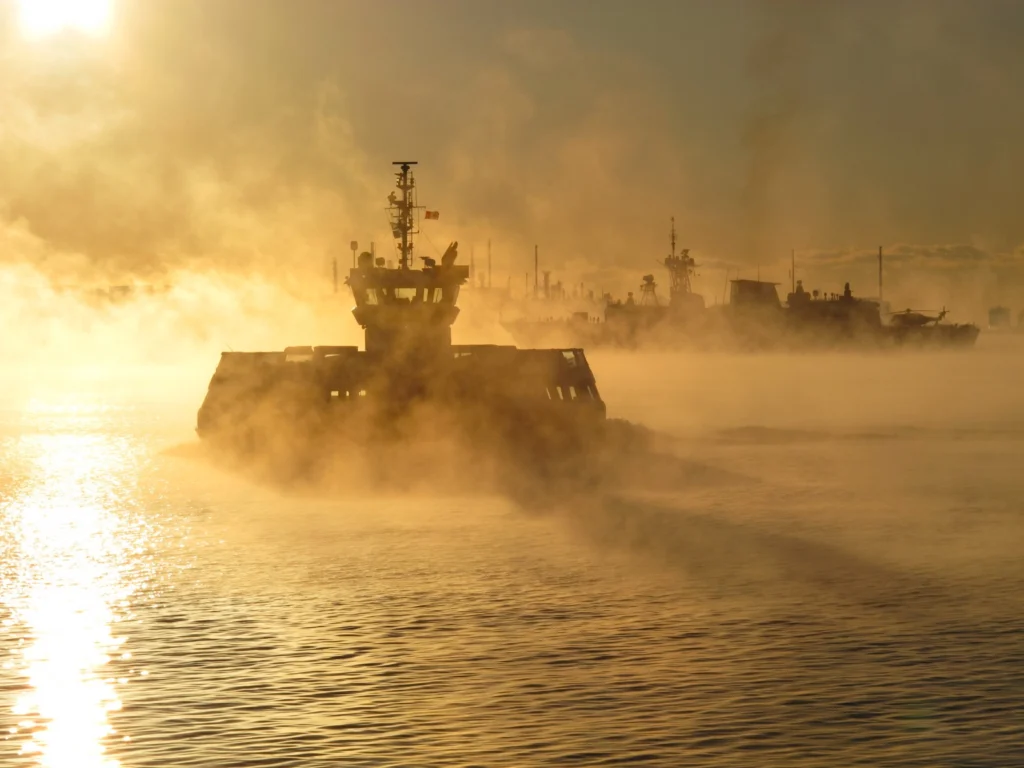
Today’s Imaggeo on Mondays image captures the eerie mood at Halifax Harbour, in Nova Scotia, Canada, on a sunny early morning. “The photograph captures rather unusual seasmoke surrounding a local commuter ferry with a number of other naval vessels in the background”, explains Helmuth Thomas, Professor at Dalhousie University (Canada) who took the snap back in February this year. Seasmoke is rather ...[Read More]
Atmospheric Sciences
Cruising the Mediterranean: a first-hand account of a month at sea – Part 2
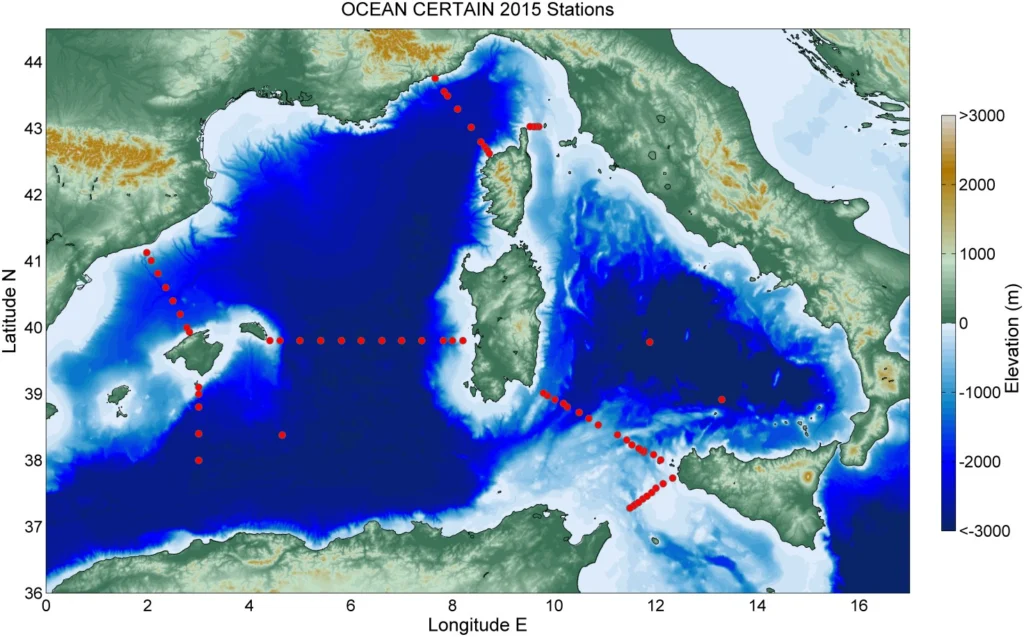
This week we feature the second instalment in this series, which follows the adventures of Simona Aracri, a PhD student at University of Southampton, and her colleagues. as they spent a month aboard a research vessel, cruising the Mediterranean Sea. Simona and the team of scientists aboard the boat documented their experiences via a blog. This time we discover that chemists are always kept busy on ...[Read More]
GeoTalk: Talking about ‘ocean burps’ with James Rae
Trying to understand the reasons behind the global warming of our climate is a never ending quest for scientists across the geosciences. Scientists often rely on deciphering past change to help us understand, and perhaps predict, what might happen in the future. Many will be familiar with the common saying ‘the past is the key to the future’. This is exactly what James Rae, a research fellow at th ...[Read More]
The EGU Network blogs are looking for guest contributions
Are you a budding science writer, or want to try your hand at science communication? You might just be the person for our EGU network bloggers! A number of our network blogs would like to give their pages a bit of a boost and are seeking guest bloggers to contribute new, informative and engaging posts on an ad hoc basis. If you’ve recently been thinking about trying your hand at blogging, but aren ...[Read More]
Imaggeo on Mondays: The warming
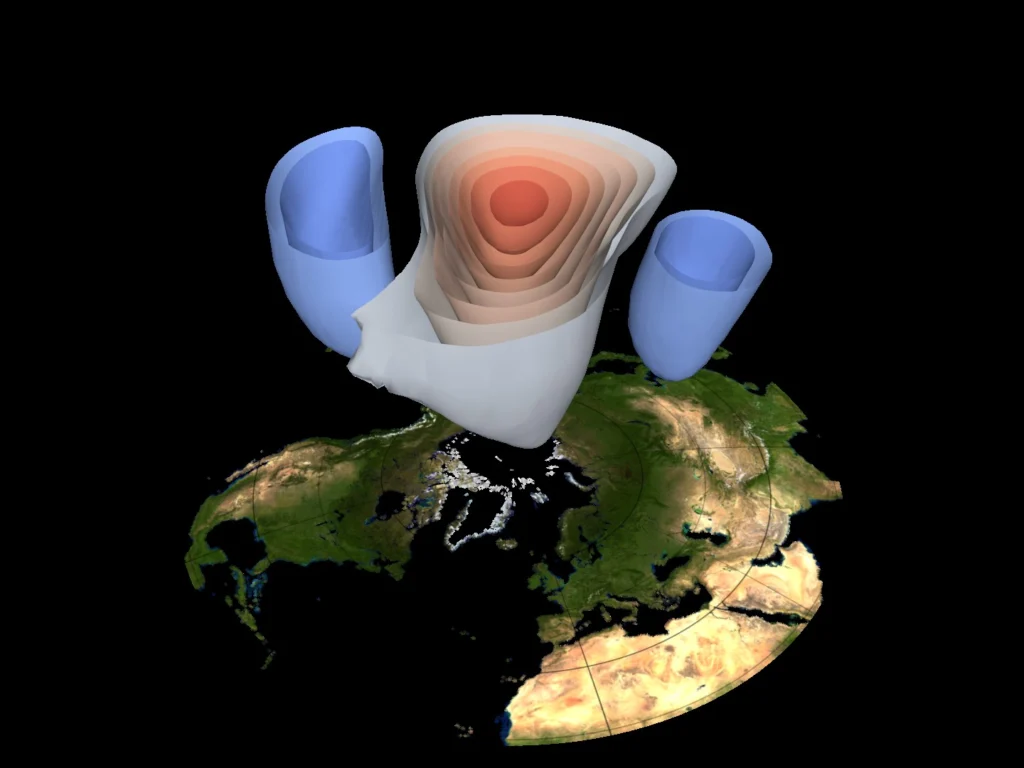
Events of meteorological significance, such as thunderstorms, hurricanes, cyclones, jet streams and global-scale circulations can be described by a general term: atmospheric dynamics. When it comes to it, atmospheric dynamics deals with nothing more than air, which, in truth, is very difficult to directly observe, (with the exception of clouds and precipitation). This makes the study of atmospheri ...[Read More]
GeoTalk: Deciphering the mysteries of the Mediterranean Sea with Katrin Schroeder
Geotalk is a regular feature highlighting early career researchers and their work. Following the EGU General Assembly, we spoke to Katrin Schroeder, the winner of a 2015 Arne Richter Award for Outstanding Young Scientists. First, could you introduce yourself and tell us a little more about your career path so far I am a physical oceanographer with a background in environmental science. I did my st ...[Read More]
Imaggeo on Mondays: Strombolian eruption
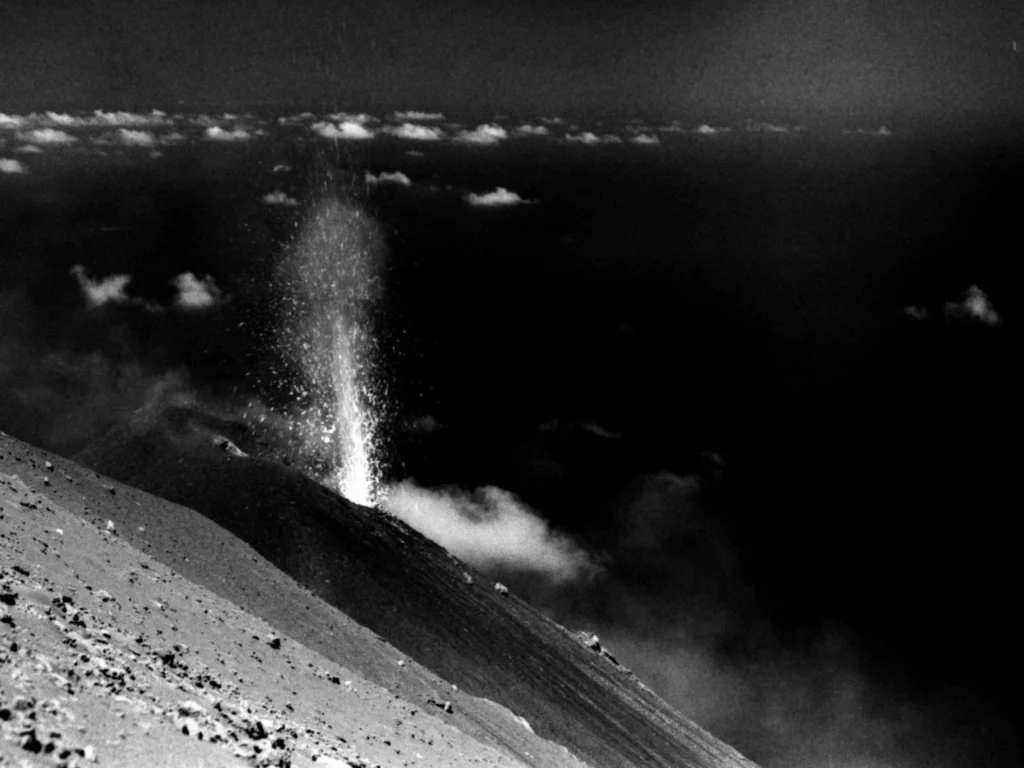
Jonas Kuhn, a researcher at Heidelberg University , took the photograph during a field campaign at Stromboli volcano in Italy. The objective of this campaign was to gather data from different gaseous compounds of the volcanic plume. Via emission fluxes of volcanic gases (e.g. SO2, CO2, halogen compounds…) or the ratio of emitted gases, one can retrieve information about the interior of the v ...[Read More]
Imaggeo on Mondays: Sunset over the Labrador Sea
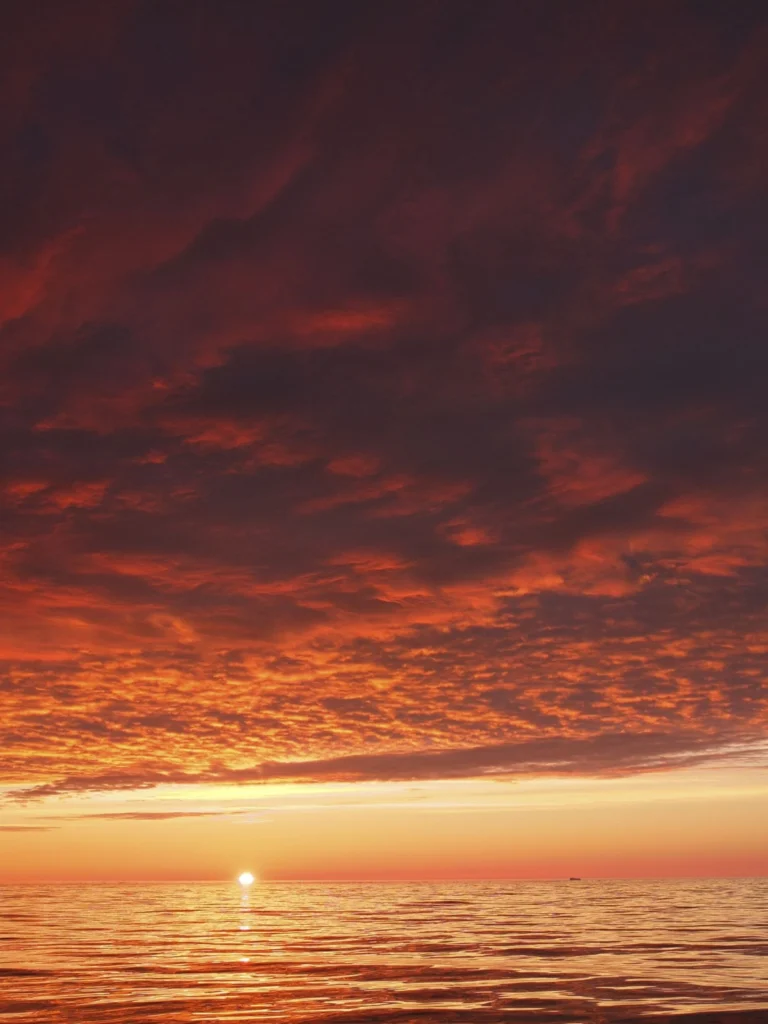
Ruby skies and calm waters are the backdrop for this week’s Imaggeo image – one of the ten finalist images in this year’s EGU Photo contest. “I took the picture while on a scientific cruise in West Greenland in 2013,” explains Christof Pearce, a postdoctoral researcher at Stockholm University. “We spent most of the time inside the fjord systems around the Greenland capital, Nuuk, but this specific ...[Read More]
Geosciences Column: Recent and future changes in the Greenland Ice Sheet
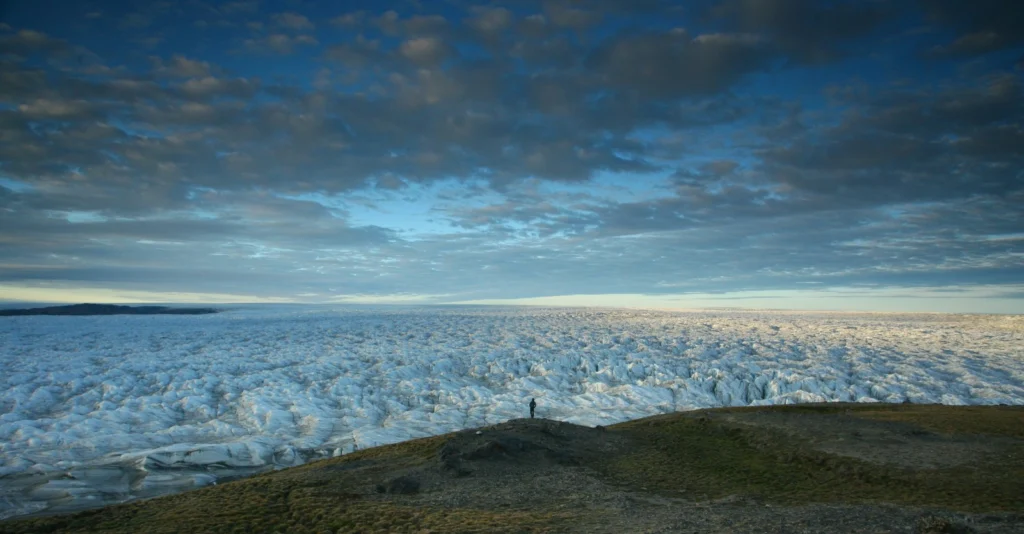
Over the past few decades, the Arctic region has warmed more than any other on Earth. The Greenland Ice Sheet is losing mass faster than ever before, and is expected to keep melting with consequences for global sea-level rise and ocean circulation. At a media briefing, during the EGU’s General Assembly in April (stream it here), researchers presented new results on the factors that influence the G ...[Read More]
Imaggeo on Mondays: A thermal inversion
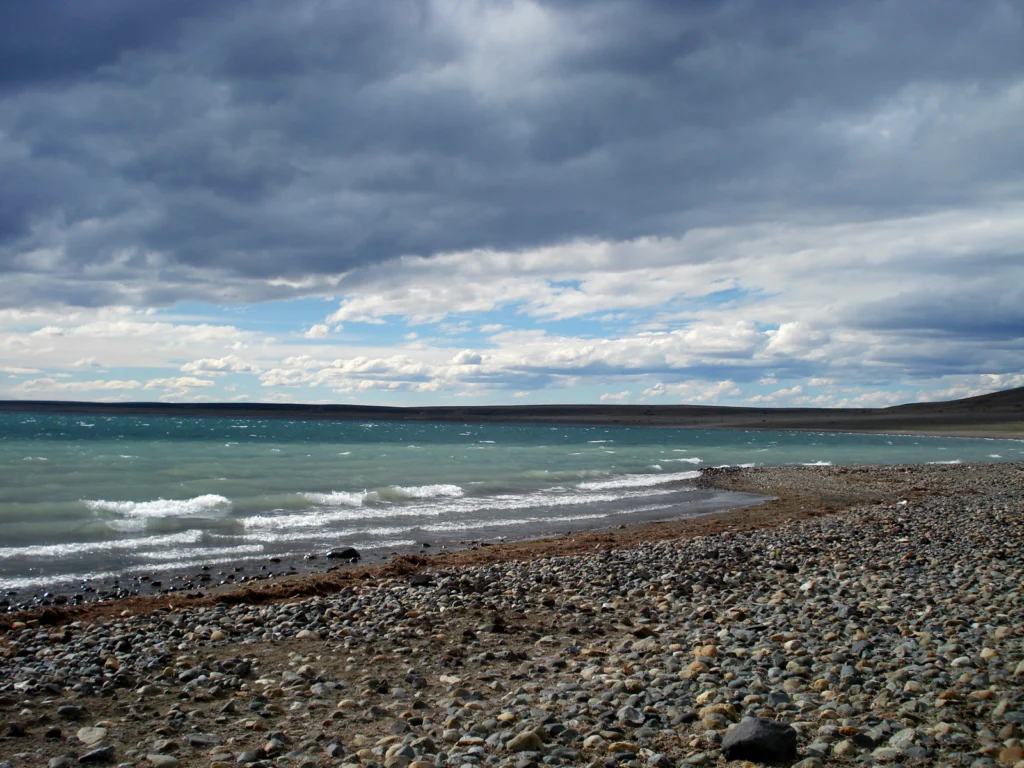
This week’s Imaggeo on Mondays image is brought to you by Cyril Mayaud, from the University of Graz (Austria), who writes about an impressive hike and layers of cold and warm air. Thermal inversion is a meteorological phenomenon which occurs when a layer of cold air is trapped near the Earth’s surface by an overlying layer of warmer air. This can happen frequently at the boundary between mountaino ...[Read More]