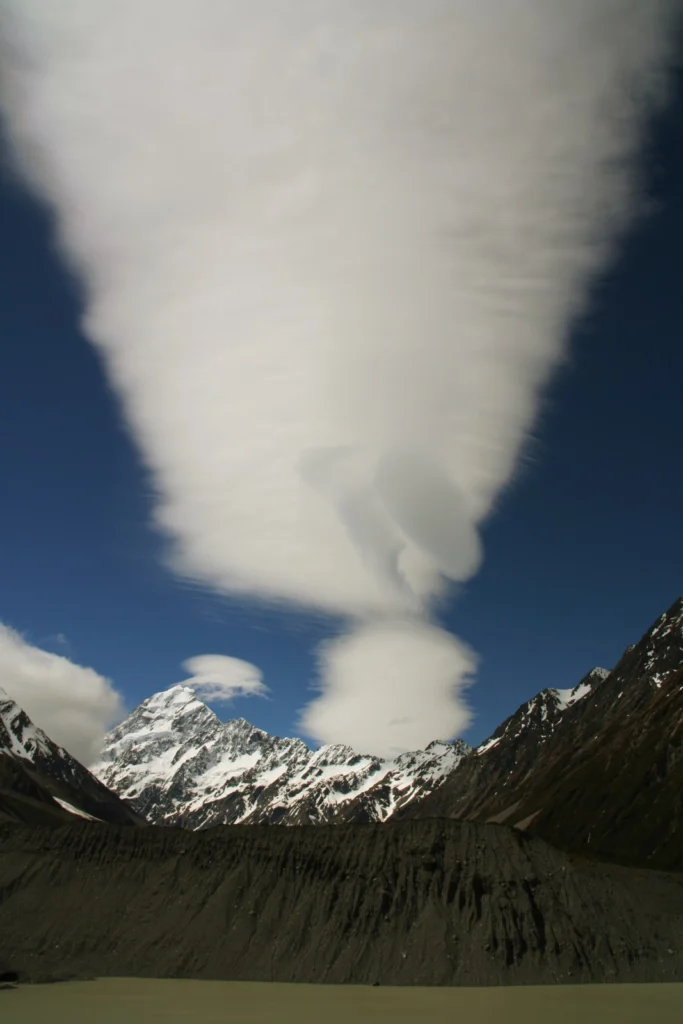
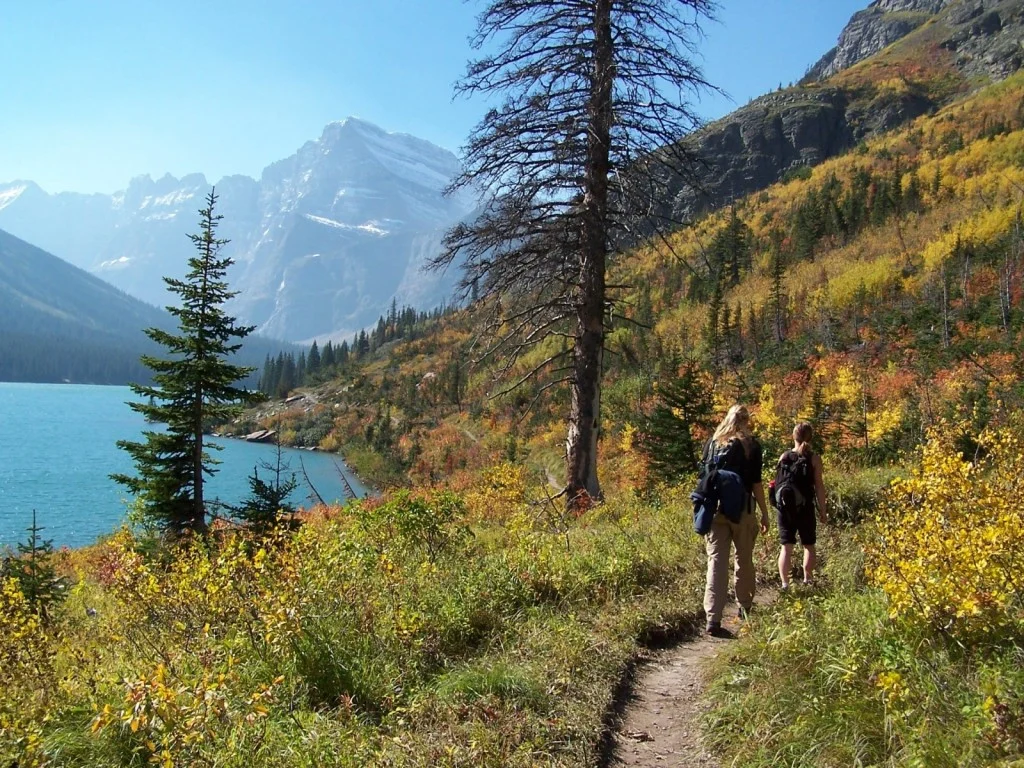
This week’s post is brought to you by Stefan Winkler, a Senior Lecturer in Quaternary Geology & Palaeoclimatology, who explains how the mountain tops of the Southern Alps become decorated by beautiful blanket-like cloud formations. The Sothern Alps of New Zealand are a geoscientifically dynamic environment in all aspects. They are arguably one of the youngest high mountain ranges in the ...[Read More]
Atmospheric Sciences
Imaggeo on Mondays: The largest fresh water lake in world
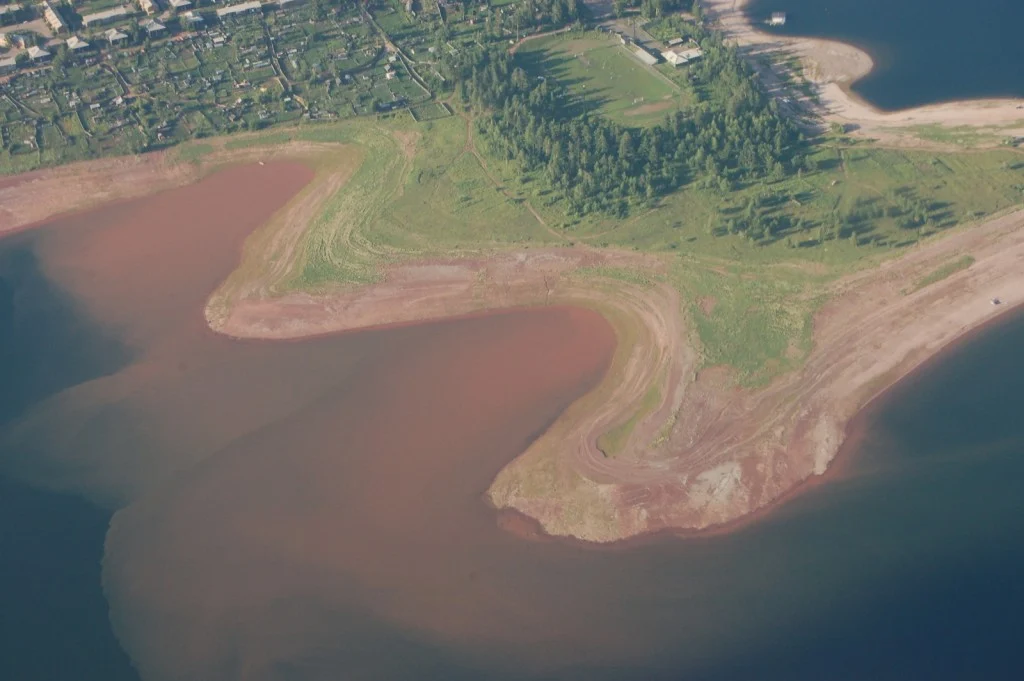
Most lakes in the Northern hemisphere are formed through the erosive power of glaciers during the last Ice Age; but not all. Lake Baikal is pretty unique. For starters, it is the deepest fresh water lake in the world. This means it is the largest by volume too, holding a whopping 23,615.39 cubic kilometres of water. Its surface area isn’t quite so impressive, as it ranks as the 7th largest in the ...[Read More]
Geosciences Column: Fire in ice – the history of boreal forest fires told by Greenland ice cores.
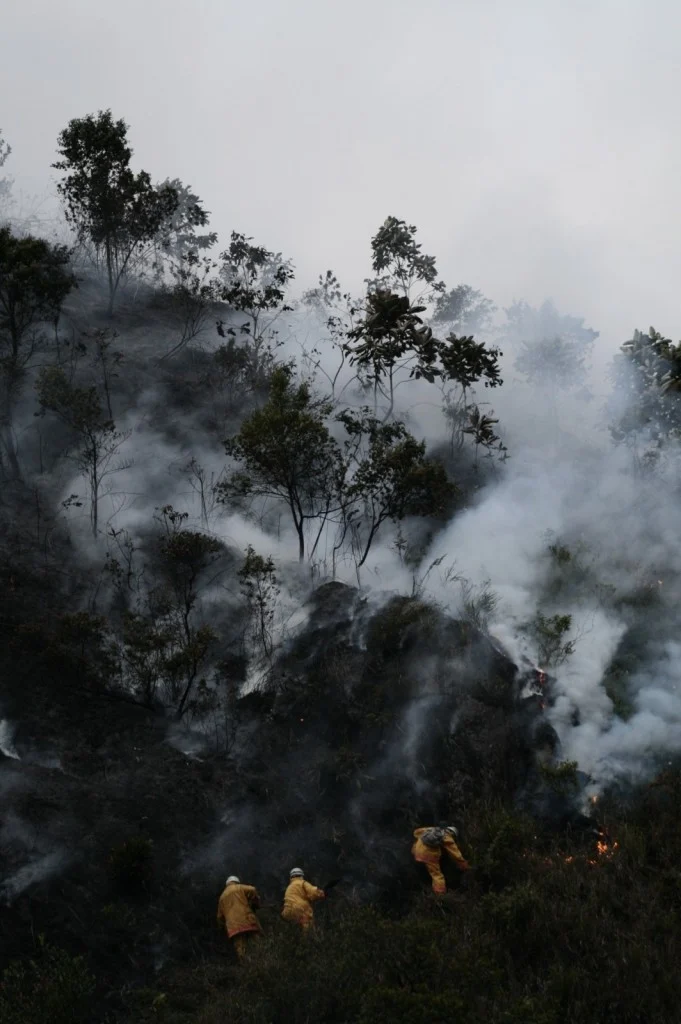
Burning of biomass contributes a significant amount of greenhouses gases to the atmosphere, which in turn influences regional air quality and global climate. Since the advent of humans, there has been a significant increase in the amount of biomass burning, particularly after the industrial revolution. What might not be immediately obvious is that, (naturally occurring) fires also play a part in e ...[Read More]
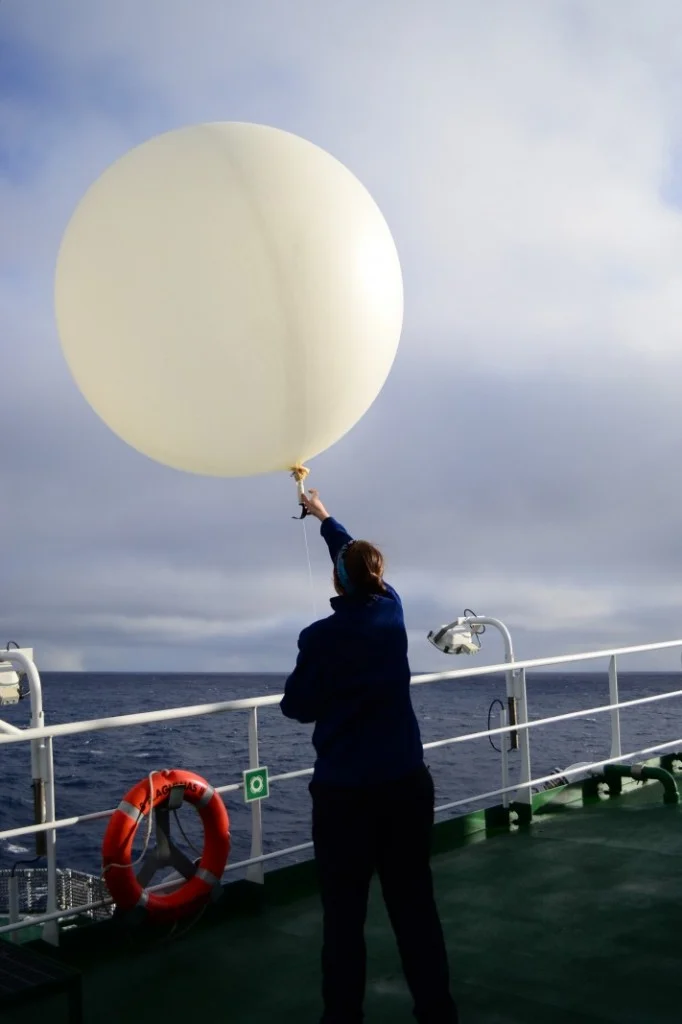
Imaggeo on Mondays: Fly away, weather balloon
Some aspects of Earth Science are truly interdisciplinary and this week’s Imaggeo on Mondays photograph is testament to that. The maiden voyage of the research cruise SA Agulhas II offered the perfect opportunity to combine oceanographic research, as well as climate science studies. Raissa Philibert, a biogeochemistry PhD student, took this picture of the daily release of a weather balloon by mete ...[Read More]
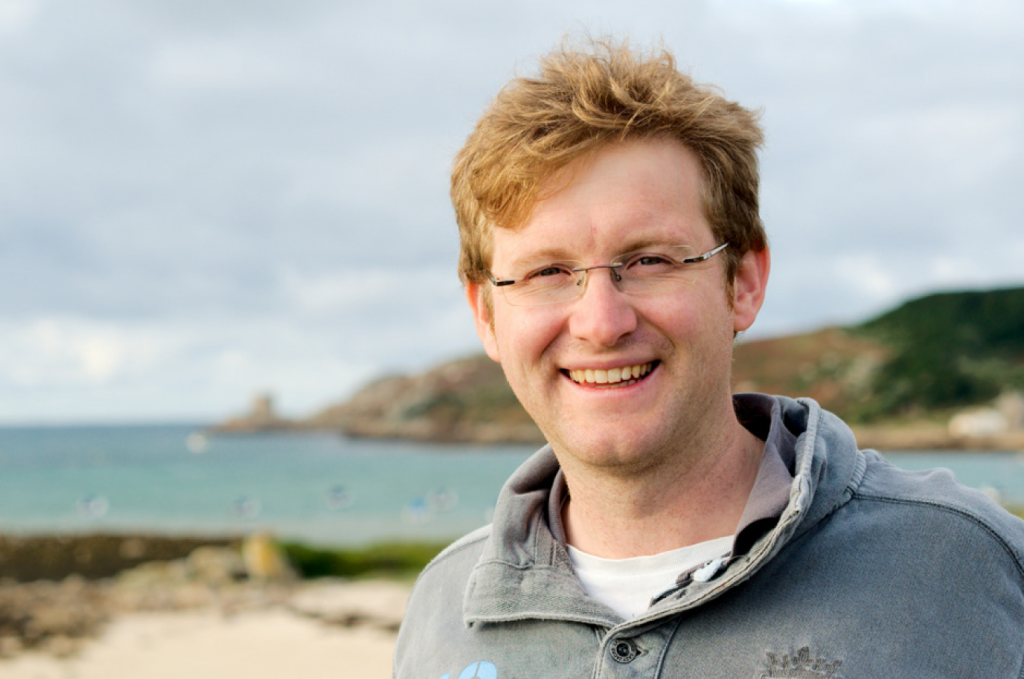
GeoTalk: Nick Dunstone, an outstanding young scientist
Nick Dunstone, the winner of a 2014 EGU Division Outstanding Young Scientists Award, who studies the Earth’s climate and atmosphere, including how they are impacted by natural variation and anthropogenic emissions talks to Bárbara Ferreira, the EGU Media and Communications Manager, in this edition of GeoTalk. This interview was first published in our quarterly newsletter, GeoQ. First, could you i ...[Read More]
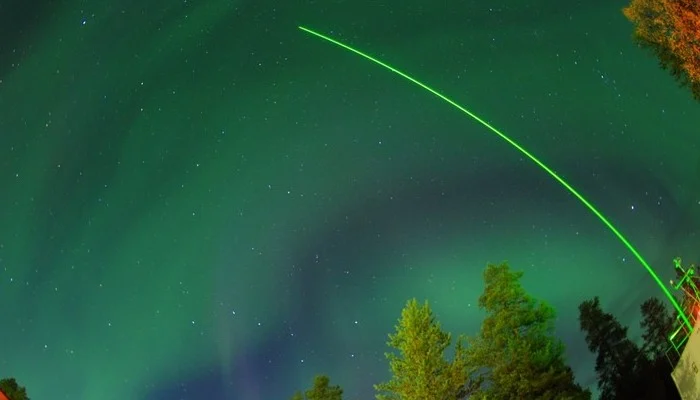
Imaggeo on Mondays: A single beam in the dancing night lights
Research takes Earth scientists to the four corners of globe. So, if you happen to have a keen interest in photography and find yourself doing research at high latitudes, chances are you’ll get lucky and photograph the dancing night lights: aurora (or northern lights), arguably one of the planet’s most breath taking natural phenomenon. That is exactly the position Matias Takala, a researcher at th ...[Read More]
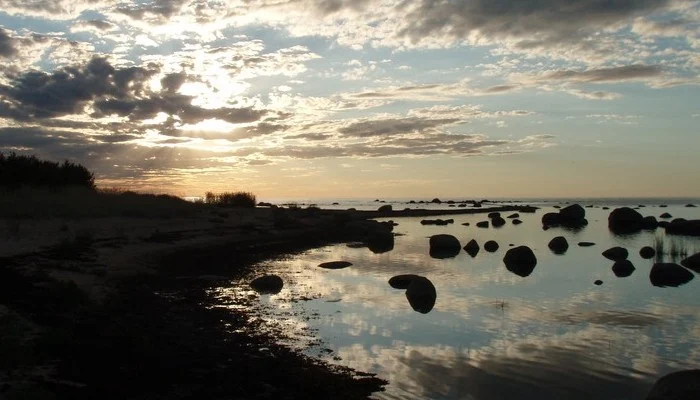
Imaggeo on Mondays: An ancient landscape and the never setting sun.
This week’s Imaggeo on Mondays image is brought to you by Florian Heinlein, a meteorologist by training now working on his PhD modelling water transport in agricultural plants. This image was taken even before he started his bachelor’s degree and studying the Earth’s atmosphere and climate change was still a pipeline dream. This picture was taken during a holiday trip through the Baltics in July 2 ...[Read More]
GeoEd: Citizen Geoscience
In this month’s GeoEd column, Sam Illingworth tells us about the growing use of Citizen Science within research as a means of acquiring data. Whilst the practice is novel and offers exciting opportunities as to volumes of data collected Sam highlights the importance of appropriately crediting the work of the willing volunteers. Citizen Science is a phrase that is currently de rigour in scientific ...[Read More]
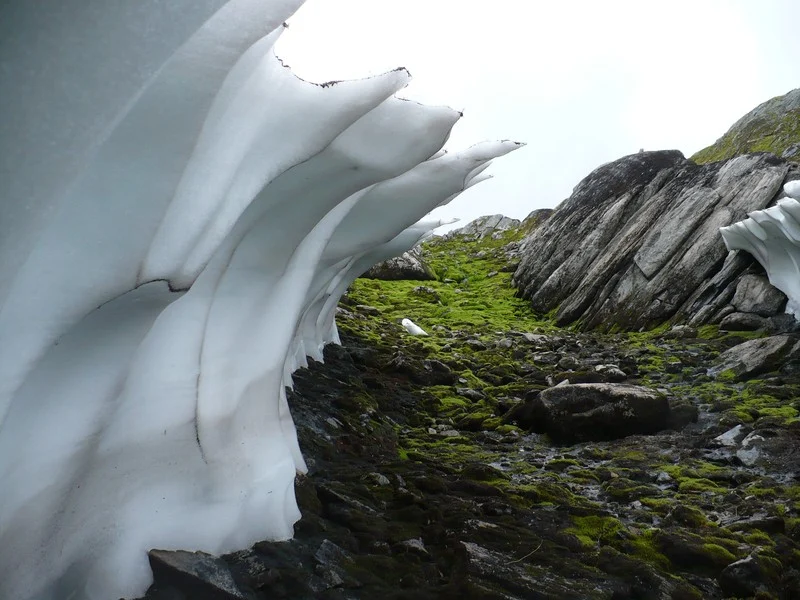
Imaggeo on Mondays: Gothic Snow Architecture.
Whilst on a family holiday in Norway, Gerrit de Rooij took this incredible photograph of an ice arch. Understandably geoscience is not his top priority whilst taking photographs on holiday, however Gerrit points out that “pretty much every picture of a landscape has hydrology in there somewhere”, as he goes on to describe below. This picture was taken near Balestrand, a village along the Sognefjor ...[Read More]
Geosciences Column: Is it possible to quantify the effect of natural emissions on climate?
The air we breathe is full of tiny particles that can have a big impact on our climate. Industrial activities have greatly increased the number of these particles, cooling the climate and potentially offsetting some of the warming due to greenhouse gases. In this post Kirsty Pringle introduces new research that suggests that it might not be possible to quantify the effect of industrial emissions o ...[Read More]