GeoLog

EDI

On LGBTQIA+ Challenges and Allyship in STEM
On LGBTQIA+ Challenges and Allyship in STEM

During November, several important dates are recognised, including the International LGBTQIA+ in STEM Day on November 18. This month is also designated as Transgender Awareness Month, culminating in the recognition of Transgender Day of Remembrance yesterday, November 20. In celebration of our LGBTQIA+ community, this blog highlights some of the activities we undertook throughout the …[Read More]

It’s more than just a date: Unpacking the importance of the International Day of LGBTQIA+ in STEM – Perspectives of a queer woman in science

It’s more than just a date: Unpacking the importance of the International Day of LGBTQIA+ in STEM – Perspectives of a queer woman in science

We cannot solve the world’s most complex problems, from climate change to curing disease, if scientists must leave parts of themselves at the laboratory door. This is a reality that we must acknowledge in Science, Technology, Engineering, and Mathematics (STEM). The demand for conformity, the fear of judgment, and the reality of discrimination act as …[Read More]

Democracy from the ivory tower: A response to the Anti-autocracy Handbook from a Global South perspective

Democracy from the ivory tower: A response to the Anti-autocracy Handbook from a Global South perspective

Yet another global guide to saving democracy, this time titled The Anti-Autocracy Handbook: A Scholars’ Guide to Navigating Democratic Backsliding, authored by an all-star cast of academics based in the U.S., Europe, and Australia. Because, clearly, when it comes to understanding the creeping rise of authoritarian regimes, who better to consult than experts who live …[Read More]

GeoTalk: meet Lorne Farovitch, researcher of climate impacts on deaf communities!

GeoTalk: meet Lorne Farovitch, researcher of climate impacts on deaf communities!

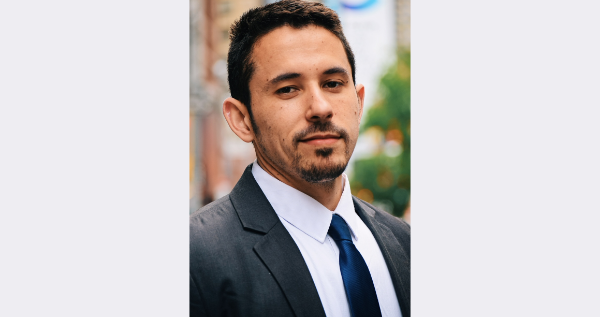
Hello Lorne – welcome to GeoTalk! Could you introduce yourself and your background to our readers? I’m Dr. Lorne Farovitch, a deaf transdisciplinary biomedical researcher and multilingual signer, fluent in more than five sign languages. I’m passionate about advancing health equity for deaf communities worldwide through community-driven research! As the founder and Executive Director of …[Read More]

Pride Month: support your LGBTQ+ colleagues in science

Pride Month: support your LGBTQ+ colleagues in science

Imagine this: you are at work, casually discussing your weekend plans with colleagues. One is planning a hike with her husband. Another jokes about meeting his girlfriend’s parents for dinner, nerves barely concealed. Then you mention a date night with your partner. The conversation halts. The atmosphere becomes taut. One of your colleagues makes a …[Read More]

(Not just) school through play

(Not just) school through play

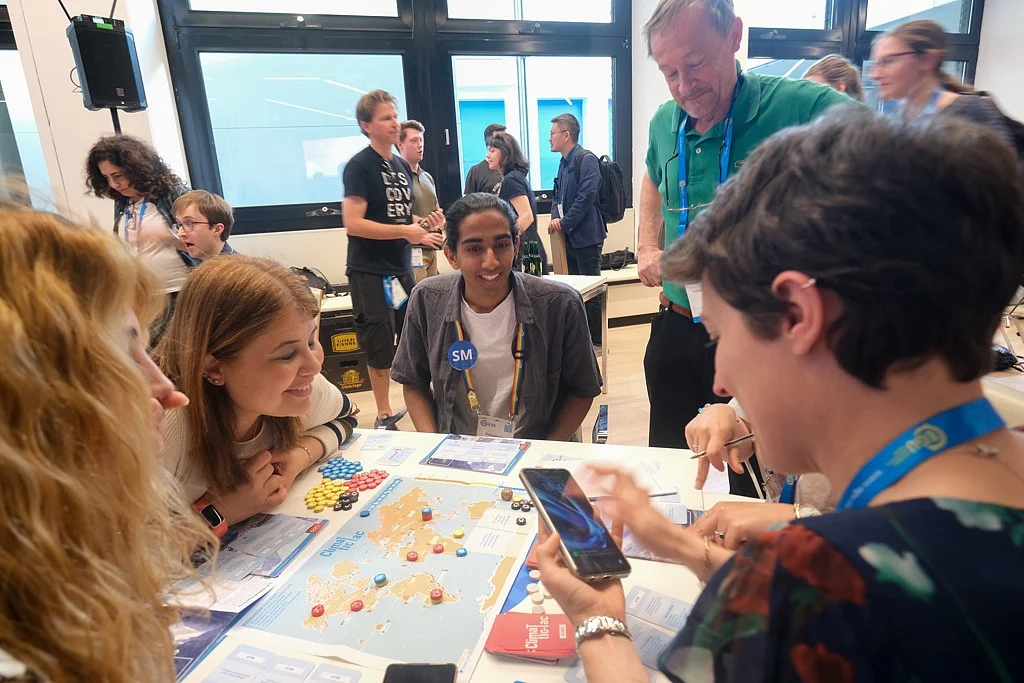
The far-reaching impact of play on learning has been celebrated through the centuries. Be it the work Schola Ludus by John Amos Comenius, Friedrich Schiller’s Spieltrieb, Johan Huizinga’s Homo ludens… or the Geoscience Games sessions during EGU General Assembly, which marked its 8th edition during EGU25. The EGU Geoscience Games sessions were founded by Chris …[Read More]

Unethical science: On gender, discomfort, and the stories we tell

Unethical science: On gender, discomfort, and the stories we tell

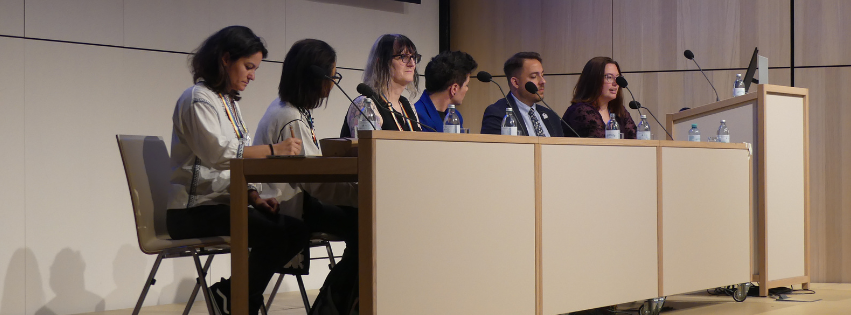
Reflections following the discussions held in the EGU25 Great Debate “Gender in Geoscience” (available to watch online if you missed it).  “Fairytales are the fossils of human culture.” […] said Francesca Cavallo, author of Good Night Stories for Rebel Girls, during the Union Symposium US8 on “Gender in Geoscience” on the final day of the …[Read More]

Fieldwork maze: where are we and where are we going?

Fieldwork maze: where are we and where are we going?

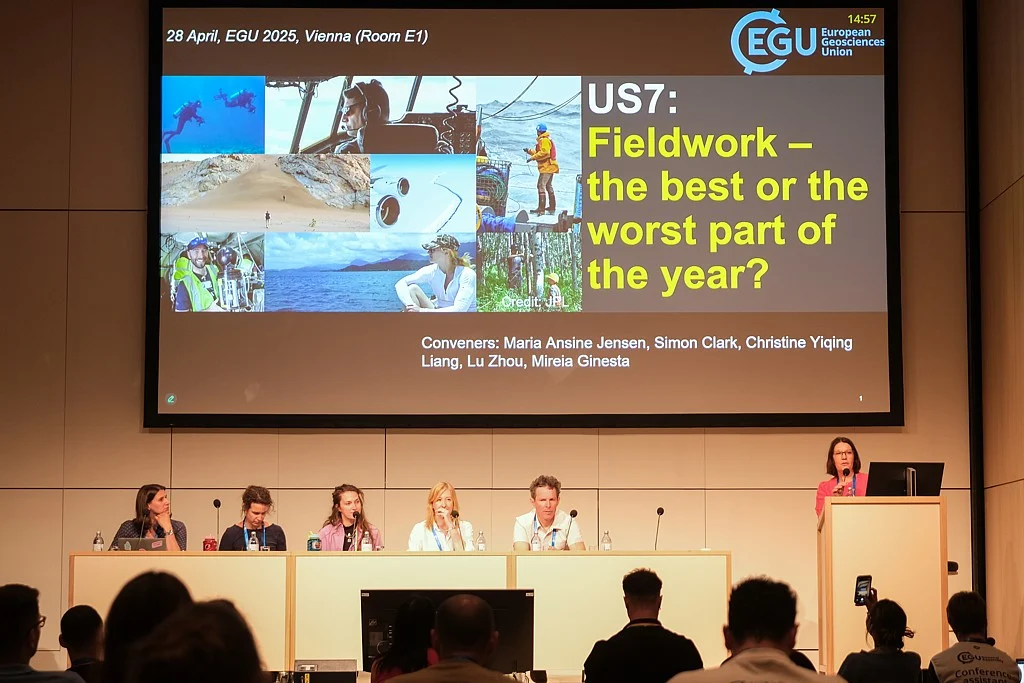
Bracing the elements to be rewarded with new data — and spectacular views in the process — can be an experience of a lifetime. Yet, zooming out of the easily romanticized image can quickly paint a different scene, where negative experiences from fieldwork drive people away from the research. Moreover, some fieldwork practices prevent people …[Read More]