ST
Solar-Terrestrial Sciences

solar activity

On the correlation and interactions of space weather with biological indicators
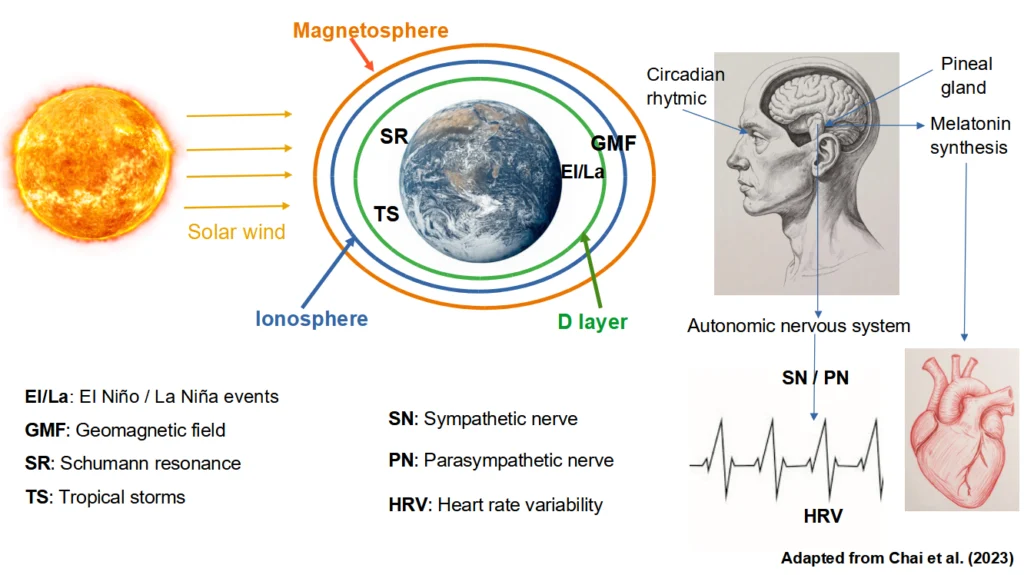
On the correlation and interactions of space weather with biological indicators
1. Introduction Space weather is significantly affected by geomagnetic disturbances (GMDs) that occur during or after intense solar events such as coronal mass ejections (CMEs), which expel substantial amounts of electromagnetic particles into interplanetary space. Most of these particles collide with the magnetosphere (the outermost region of the atmosphere) where the solar wind (continuous flow …[Read More]

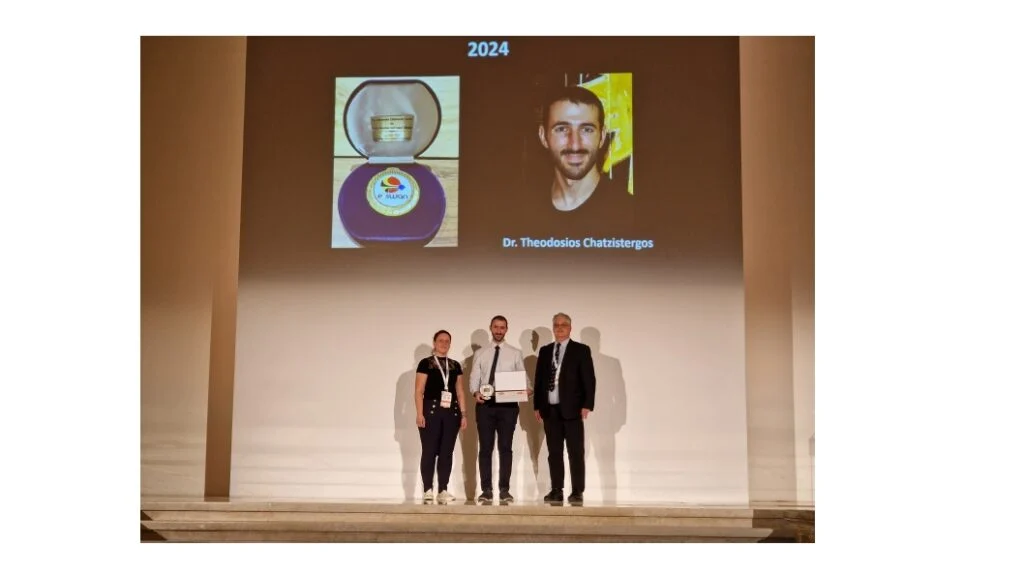
Decoding the Sun’s Past: Dr. Theodosios Chatzistergos, 2024 e-SWAN Alexander Chizhevsky Medalist, on his Scientific Journey

Decoding the Sun’s Past: Dr. Theodosios Chatzistergos, 2024 e-SWAN Alexander Chizhevsky Medalist, on his Scientific Journey

1. Congratulations on receiving the e-SWAN Alexander Chizhevsky Medal for outstanding contributions to space weather and space climate. How does this recognition reflect your work and impact in the field? Thank you! I am deeply honored to receive this award, which recognizes not just my work but the collective efforts of many collaborators over the …[Read More]

AGATA: Advancing Polar Science through Multi-Instrument Integration and Collaboration

AGATA: Advancing Polar Science through Multi-Instrument Integration and Collaboration

Scientific research has long recognized that solar-terrestrial interactions play a crucial role in shaping the polar atmosphere, impacting both climate dynamics and atmospheric coupling across different layers. Understanding these interactions is key to unraveling their far-reaching effects on Earth’s climate, space weather, and global atmospheric processes. The recognition of these critical processes has driven international …[Read More]