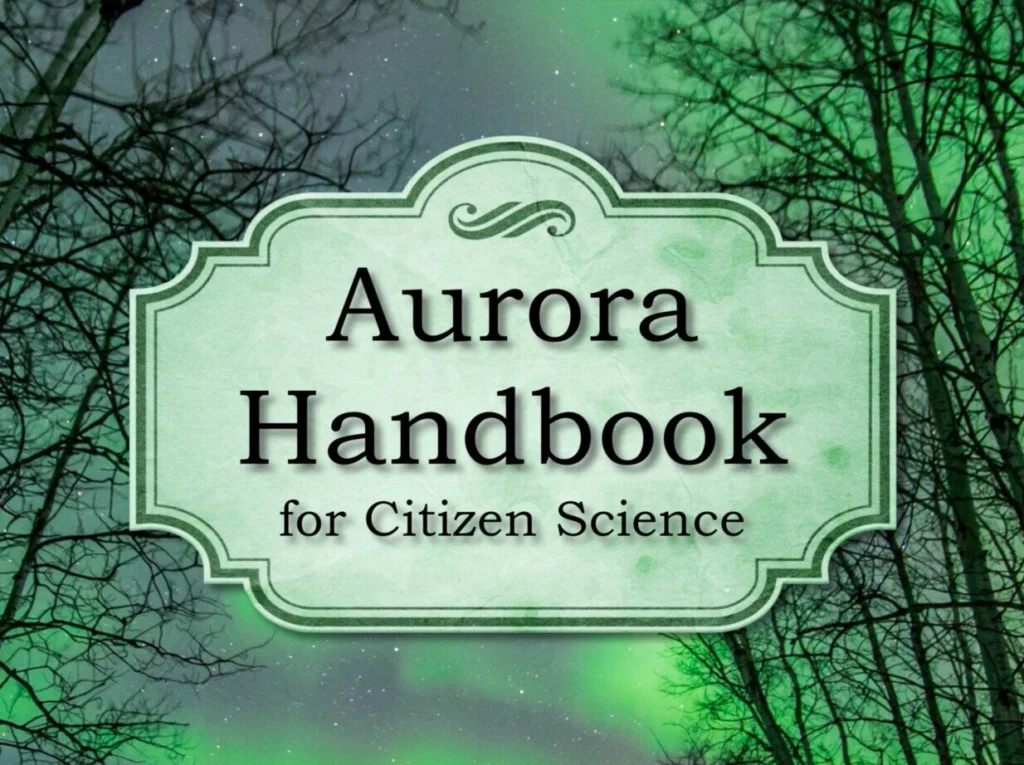
Given the recent surge in solar and geomagnetic activity, spectacular auroral displays have been visible down to the mid-latitudes several times since the beginning of 2024. But it is not always so easy to know when to go out, where to look, and how to take good pictures of the aurora. And what if the …[Read More]
Events organised by the ST-ECS Team during EGU23
The General Assembly is around the corner, and we would like to advertise the events the early-career scientist (ECS) Team of our Division have been preparing to create networking opportunities for ECSs. Joint picnic for ST/PS/AS/EMRP ECSs (in-person only) When? Monday 24 April, 12:30–13:45 CEST Where? Meeting near the main entrance of the Austrian Center Vienna (ACV), before …[Read More]
Events organised by the ST Early-Career Scientist (ECS) Team during EGU22: We would like your feedback!
Now that EGU22 is over, it is time to gather some feedback! While you can provide your comments and suggestions on the General Assembly as a whole via the dedicated form available through the EGU22 website (see “Feedback” tab in https://www.egu22.eu/), the ST Division’s Early-Career Scientist (ECS) Team would very much appreciate getting feedback on the …[Read More]
Events organised by the ST ECS Team during EGU22
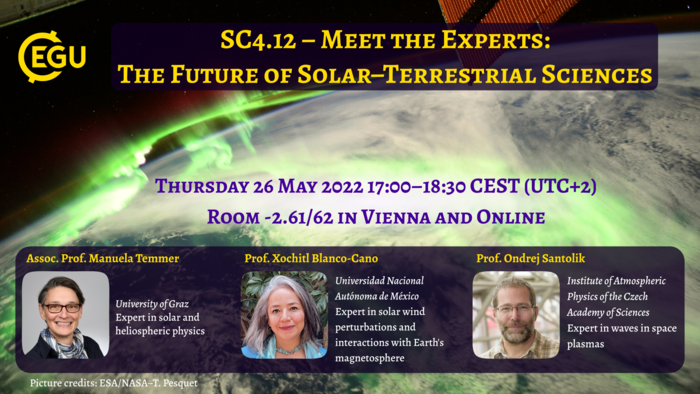
Not long until we all gather again virtually or in-person for the EGU 2022 General Assembly, and the Solar-Terrestrial physics (ST) Division’s Early-Career Scientists (ECS) Team is organising several events, which you might want to add to your personal programme! SC4.12 – Meet the Experts: The Future of Solar–Terrestrial Sciences Thursday, 26 May, 17:00–18:00 CEST …[Read More]
ST-ECS networking campfire event
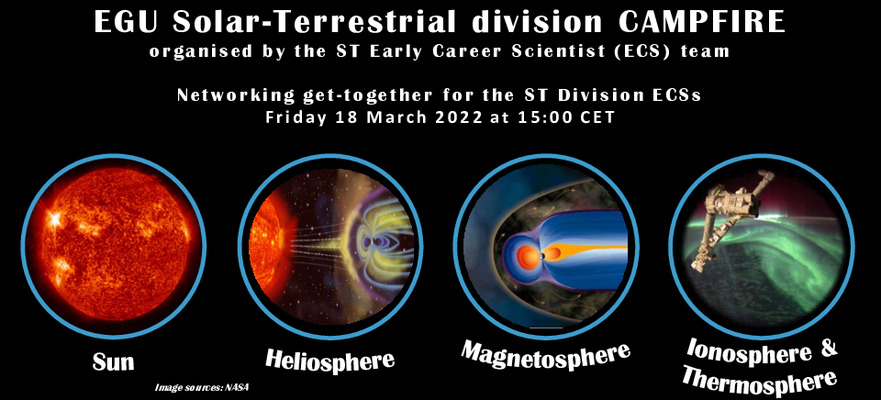
The EGU Solar–Terrestrial physics (ST) division’s early-career scientist (ECS) team is organising a so-called Campfire event to gather the community together before EGU22 and promote networking among ST-ECSs. The event will be held on Zoom and will take place on Friday 18 March 2022 at 15:00 CET, for a duration of one hour. We will …[Read More]
New auroral dunes discovered through citizen science
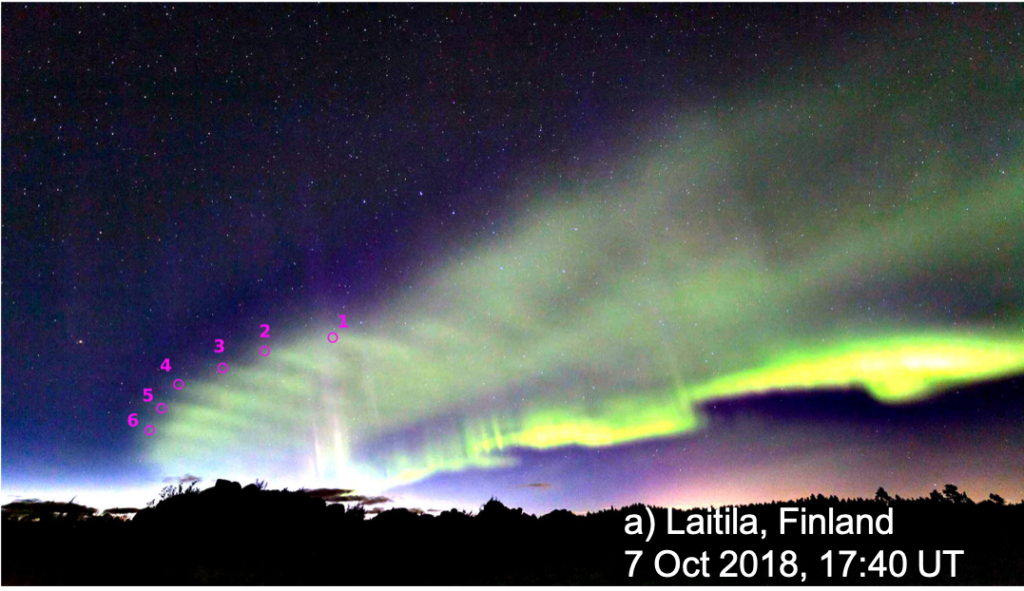
The region of the Earth’s atmosphere lying at altitudes between about 80 and 120 km, corresponding to the mesosphere–lower thermosphere–ionosphere (MLTI), is often referred to as the “ignorosphere”, because its observation is so challenging that only a handful of measurements of its composition, temperature and other physical parameters have been obtained over the last few decades. …[Read More]