NP
Nonlinear Processes in Geosciences

Nonlinear

The most-read NPG 2020 paper: “Effects of upwelling duration and phytoplankton growth regime on dissolved-oxygen levels in an idealized Iberian Peninsula upwelling system”
The most-read NPG 2020 paper: “Effects of upwelling duration and phytoplankton growth regime on dissolved-oxygen levels in an idealized Iberian Peninsula upwelling system”
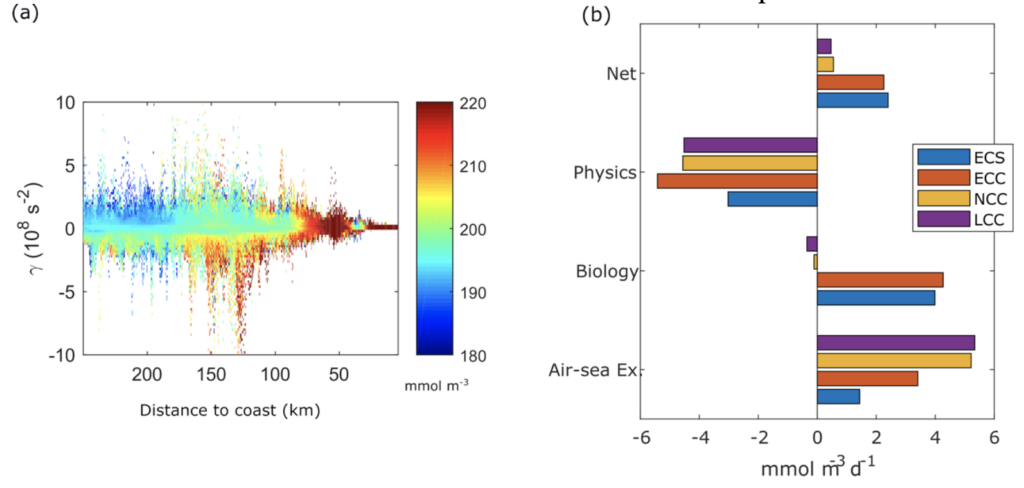
An emerging problem brought by climate change is the on-going deoxygenation of the world’s oceans. The fact that concentrations of dissolved oxygen have been/are declining in both open-ocean and coastal waters is becoming a major scientific and societal concern raised in the Kiel Declaration and in the IUCN (International Union for Conservation of Nature) 2019 report. Lower levels of dissolved oxy ...[Read More]

NP Campfire: “Perspectives on Climate Science: from historical developments to research frontiers”

NP Campfire: “Perspectives on Climate Science: from historical developments to research frontiers”

Recently, the European Geosciences Union (EGU) started to support a new type of event called ‘Campfires’ that will give the Divisions the freedom to run online interactive events in a way that suits their needs. This allows the EGU Divisions to encourage interactions in their research communities through virtual informal meetings. In this framework, and thanks to a group of young and established s ...[Read More]

NPG Paper of the Month: “Statistical postprocessing of ensemble forecasts for
 severe weather at Deutscher Wetterdienst”

NPG Paper of the Month: “Statistical postprocessing of ensemble forecasts for
 severe weather at Deutscher Wetterdienst”

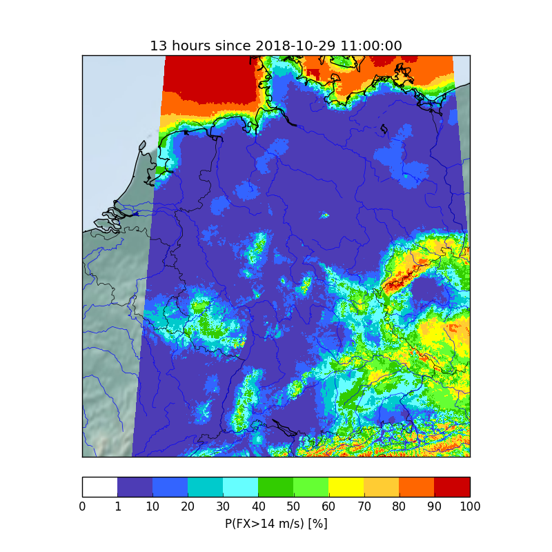
The October 2020 NPG Paper of the Month award goes to Reinhold Hess for the paper “Statistical postprocessing of ensemble forecasts for 
severe weather at Deutscher Wetterdienst“. Ensemble Forecasting rose with the understanding of the limited predictability of weather. In a perfect ensemble system, the obtained ensemble of forecasts expresses the distribution of possible weather scena ...[Read More]

NPG Paper of the Month: “Applications of matrix factorization methods to climate data”

NPG Paper of the Month: “Applications of matrix factorization methods to climate data”

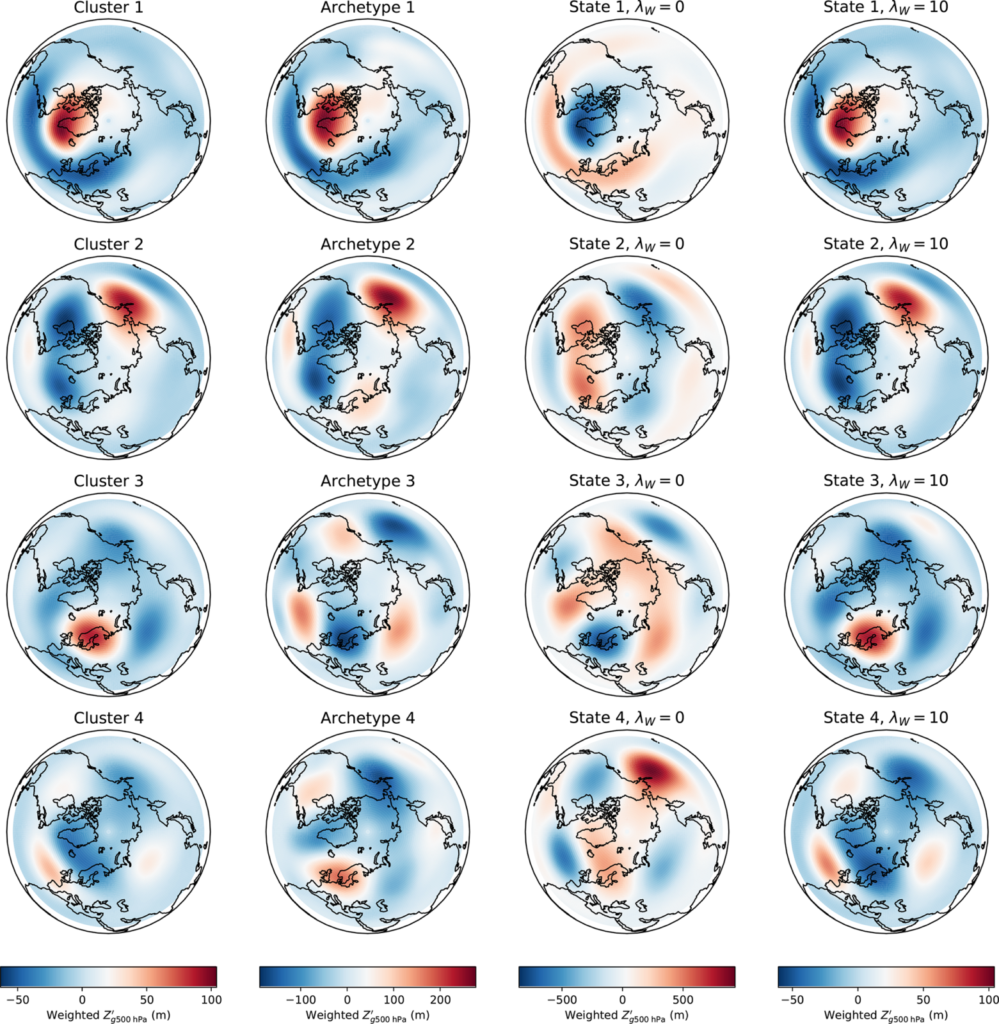
The September 2020 NPG Paper of the Month award goes to Dylan Harries and Terence J. O’Kane for their paper “Applications of matrix factorization methods to climate data” (https://doi.org/10.5194/npg-27-453-2020). Dylan is a postdoctoral fellow within the Oceans and Atmosphere business unit of CSIRO (Australia). His current research focuses on methods for learning reduced-order models from d ...[Read More]

The never-ending 2020 hurricane season

The never-ending 2020 hurricane season

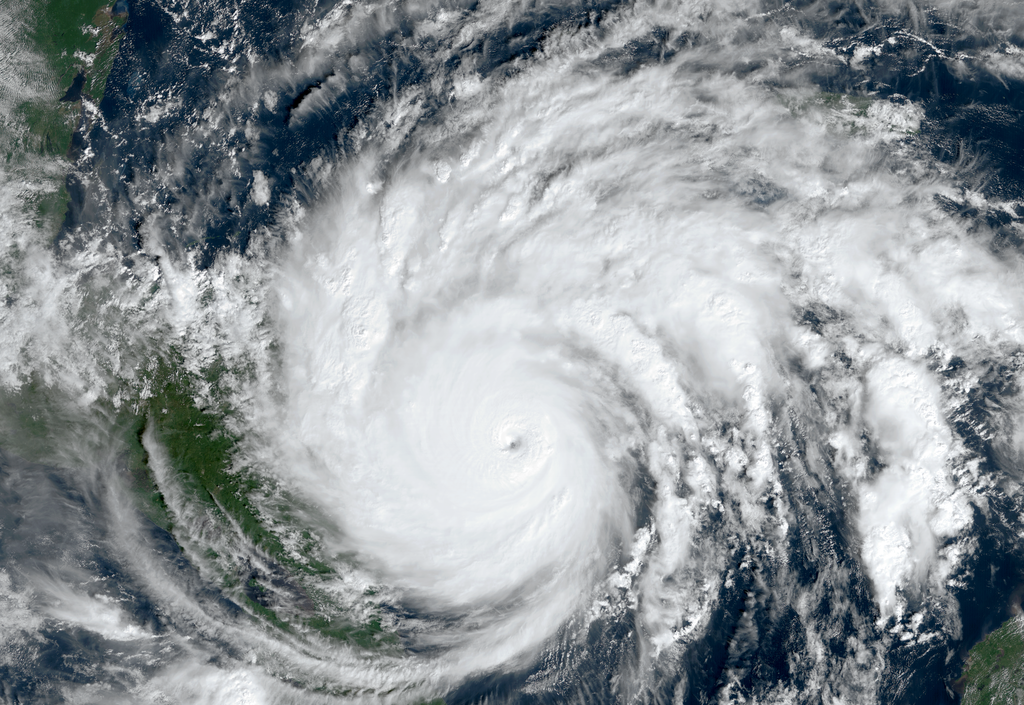
Iota, this is the name of the last category 5 hurricane in the Atlantic Ocean. Iota is a non-name because normally hurricanes are named by NOAA starting from A to Z but when the alphabet is over, they are just identified from a letter of the Greek alphabet. Iota is a special cyclone not just because its name implies that the hurricane season is particularly rich in storms but also because of its e ...[Read More]

Can we connect the exceptional floods in France and Italy associated with the storm Alex to climate change?

The first days of October were marked by an extreme weather event: storm Alex, a cyclone of Atlantic origin, caused massive showers and thunderstorms over Provence, the Alps, Piedmont and Liguria. In these regions, numerous historical records of precipitation were broken causing the flooding of several streams and rivers in which many people lost their lives. Economic damage was also significant a ...[Read More]

Perspectives on Climate Science: from historical developments to research frontiers

Perspectives on Climate Science: from historical developments to research frontiers

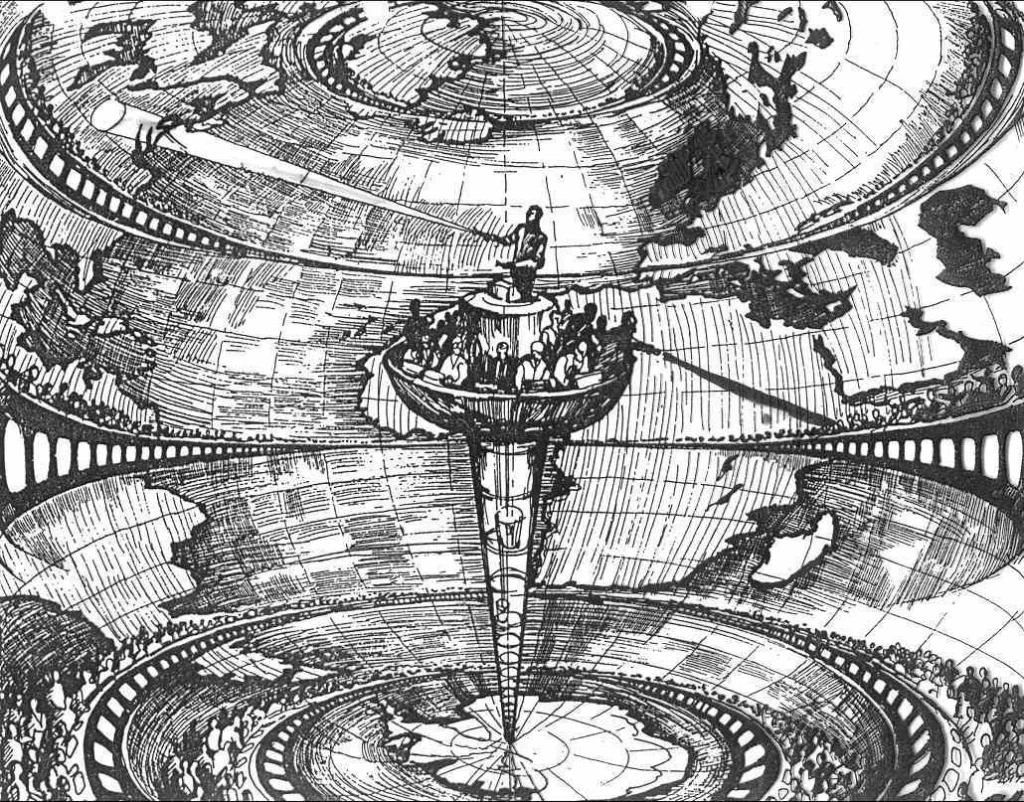
Breaking news: a bizarre early-September snowstorm dumped snow from Montana to New Mexico, a medicane hit Southern Italian regions and Greece, heatwaves and droughts are expected to increase in the future… These extreme events are becoming more and more frequent and one question spontaneously arises: is climate change making the weather more extreme? This is one of the reasons why climate change i ...[Read More]

NPG Paper of the Month: “Beyond univariate calibration: verifying spatial structure in ensembles of forecast fields”

NPG Paper of the Month: “Beyond univariate calibration: verifying spatial structure in ensembles of forecast fields”

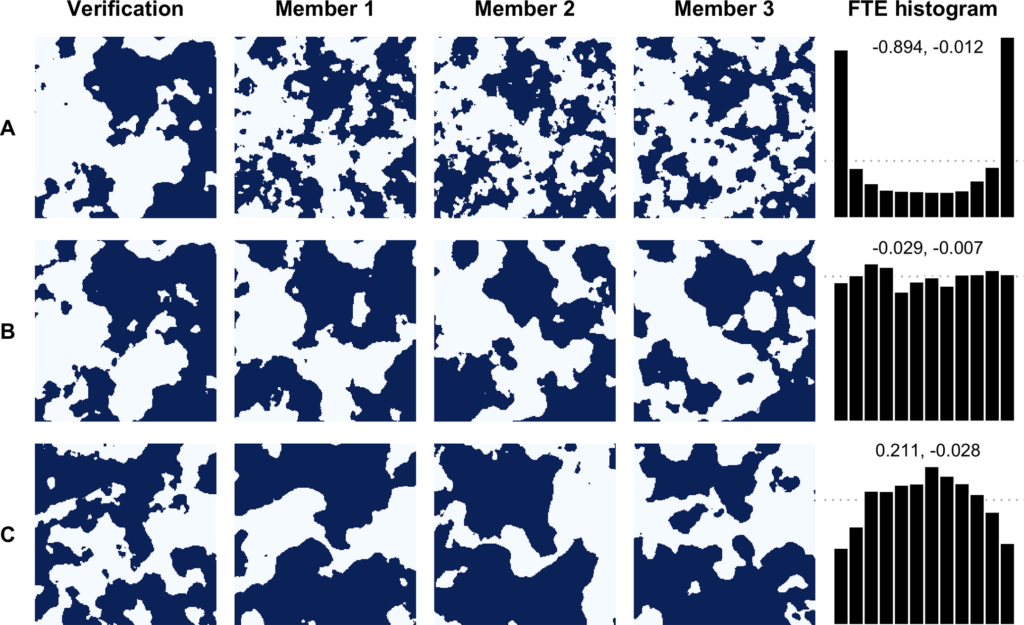
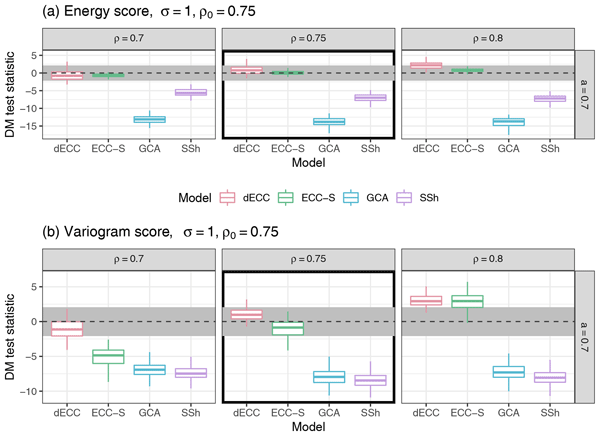
The August 2020 NPG Paper of the Month award goes to Josh Jacobson and colleagues for their paper “Beyond univariate calibration: verifying spatial structure in ensembles of forecast fields” (https://doi.org/10.5194/npg-27-411-2020). The ability to know the future has long been sought after and coveted. Yet, in contrast to prophecies and crystal balls, modern methods of prediction are ...[Read More]

NPG Paper of the Month: “Simulation-based comparison of multivariate ensemble post-processing methods”

NPG Paper of the Month: “Simulation-based comparison of multivariate ensemble post-processing methods”

The June 2020 NPG Paper of the Month award goes to Sebastian Lerch and colleagues for their paper “Simulation-based comparison of multivariate ensemble post-processing methods” (https://doi.org/10.5194/npg-27-349-2020). Sebastian Lerch is a researcher at the Faculty of Mathematics of the Karlsruhe Institute Technology (KIT). He has a background in mathematics and statistics, his resear ...[Read More]

NPG Paper of the Month “Anthropocene climate bifurcation”

NPG Paper of the Month “Anthropocene climate bifurcation”

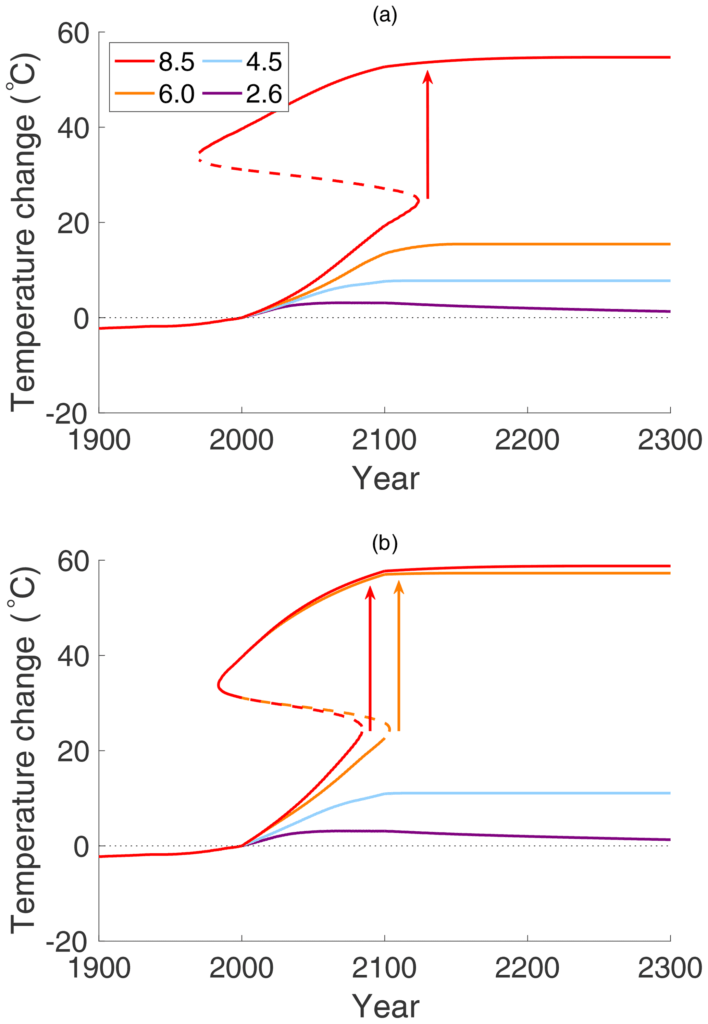
The July 2020 NPG Paper of the Month award goes to Kolja Kypke, William Langford and Allan Willms, for their paper “Anthropocene climate bifurcation” (https://doi.org/10.5194/npg-27-391-2020). All three authors work at the University of Guelph, in Guelph, Ontario, Canada. William Langford did his PhD at the California Institute of Technology in 1971 under the supervision of Herbert Kel ...[Read More]