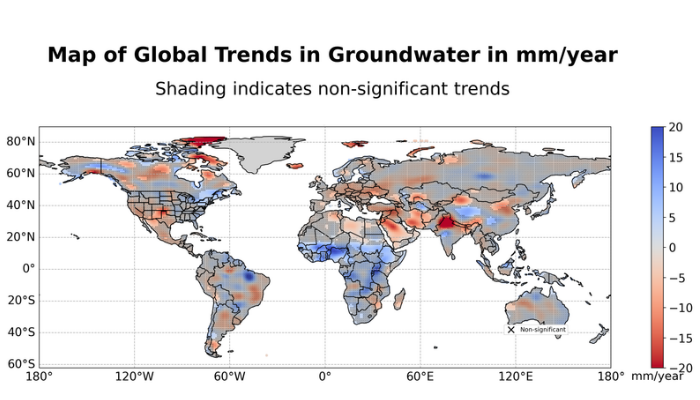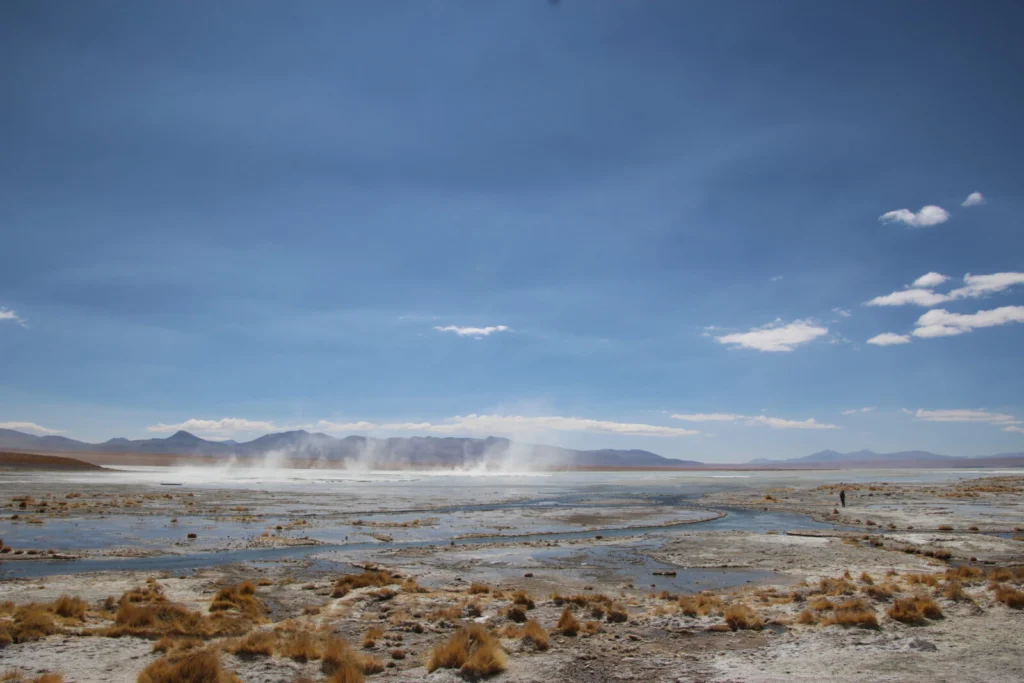
Groundwater is easy to use but difficult to observe. Wells can measure local changes very precisely, but they are unevenly distributed, and long groundwater records are missing across large parts of the world. Satellite gravimetry offers another view. Instead of measuring water levels in individual aquifers, satellites detect small changes in Earth’s gravity field caused …[Read More]
water resources
HydroTalks: Dr. Hossein Hashemi on Groundwater Monitoring and Water Management in Arid Regions
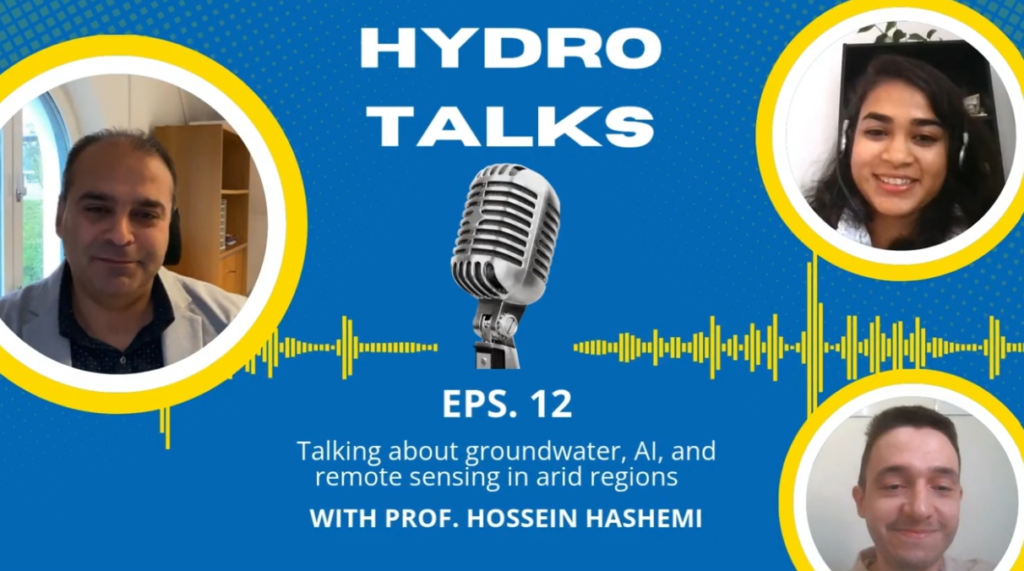
For this month’s episode of HydroTalks, we’re thrilled to welcome Dr. Hossein Hashemi, an associate professor in the Division of Water Resources Engineering at Lund University in Sweden and a member of the Center for Advanced Middle Eastern Studies. His research focuses on groundwater and surface water management in arid and water-scarce regions, combining remote …[Read More]
Which rain and temperature should drive your model? A guide to select daily forcing datasets , with application to northern Italy
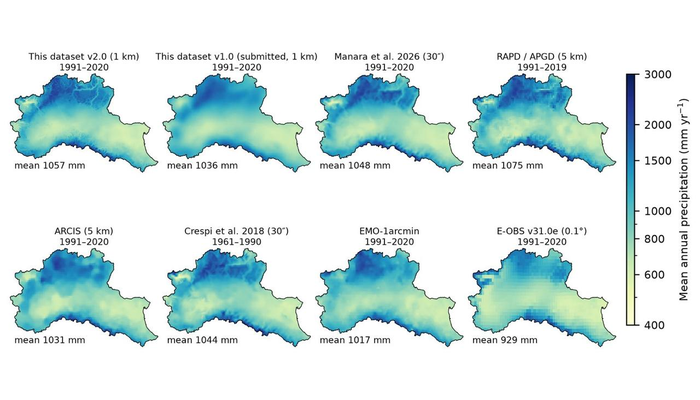
If you want to run a hydrological model anywhere, the first question is which meteorological forcing to use. For the Po basin, or anywhere in northern Italy, there are today at least a dozen gridded products, regional and European, built from different meteorological networks, with different methods and for different purposes. I reviewed them from …[Read More]
Dialogue is essential for advancing hydrological science
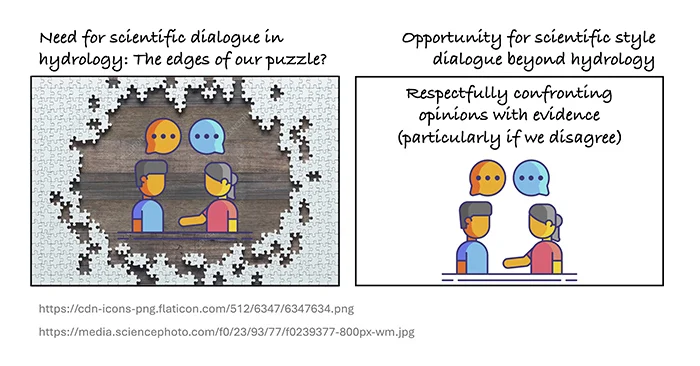
A little over a decade ago, a group of us argued that “it takes a village to raise a hydrologist”. The skills and knowledge any hydrologist should be exposed to during their training goes far beyond what a single person can do and know. Even more, the experience of how water shapes and interacts with …[Read More]
Co-creating water knowledge (Part 1): The history and future of an interdisciplinary working group
HELPING and the co-creation of a working group In 2023, the International Association of Hydrological Sciences (IAHS), inaugurated a new Scientific Decade, called HELPING – IAHS Science for Solutions decade, with Hydrology Engaging Local People IN one Global world. This third decade was established through a bottom-up process, by investigating the interests and the urgency …[Read More]
On finding my water temperature community
Walking the halls of the EGU General Assembly 2025 a few weeks ago, I was full of child-like curiosity. Being surrounded by people doing fascinating, creative, and innovative research felt like a dream come true. New faces every day, big talks on small advances and complicated methodologies. I learned about mountain ecology and failing snow-models, …[Read More]
Call to participate to the public consultation for the Water4All-Partnership
Those of you who are active in proposal writing might know the programme Water4All Partnership – Water Security for the Planet. It is a funding programme for scientific research in freshwater with the goal to address urgent water-related challenges. The programme is co-funded by the European Union within the frame of the Horizon Europe programme …[Read More]
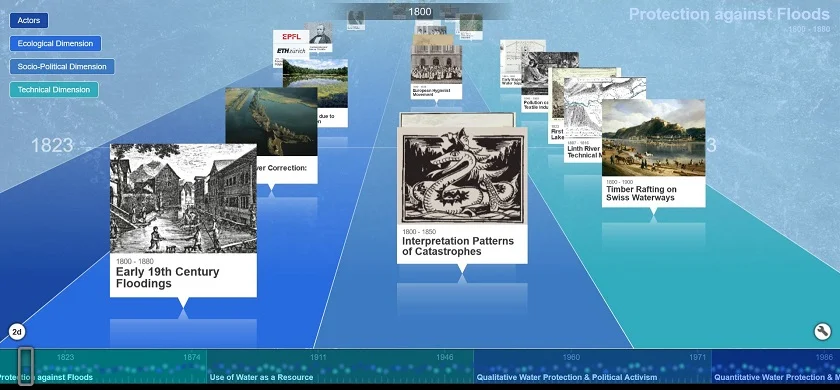
Historical evolution of water management: the example of Switzerland over 200 years
How can we use and manage natural resources more sustainably? This question stands at the core of many social, political and scientific debates about how we can reach the United Nation’s Sustainable Development Goals (SDGs). The targets are ambitious, and there is a growing consensus that rapid and extensive structural change is needed in various …[Read More]
Thirsty Earth: a multiplayer online game for water resources education and research
The Rising Need for Interdisciplinary Literacy The sustainable management of water resources requires cooperative institutions whose development are rarely included in already overloaded engineering and earth sciences curricula. The resilience of such institutions in the context of climatic and demographic change is also poorly understood. Enter “Thirsty Earth,” an online open-access multiplayer simulation game designed …[Read More]