In December and February, the first-ever HS Division Campfire Events took place online! For our premiere, we invited the 2024 Division award winners to join, present their work, and talk about their personal journeys as researchers. And in January, we took a look back at how socio-hydrology has evolved as a discipline since its inception …[Read More]
Hydrological Sciences
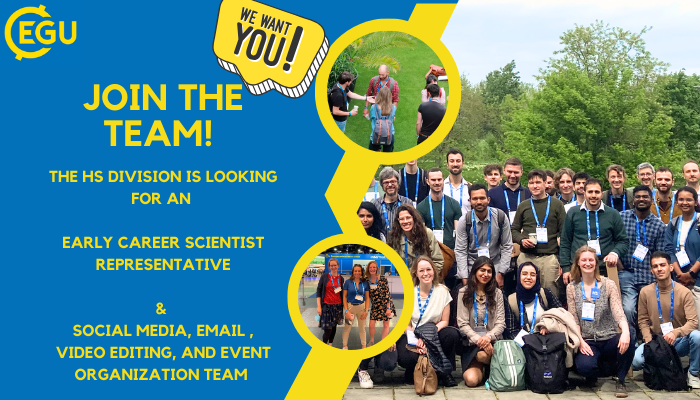
NOW HIRING: Our next EGU HS Early Career Scientist Representative and ECS Team Members
With the General Assembly of the European Geosciences Union (EGU) in Vienna (April 27-May 2) approaching fast, it’s time to assemble the new team to represent Early Career Scientists (ECS) of the Hydrological Sciences Division! We’re looking for a new ECS representative, as well as team members, to coordinate social media, our newsletter, online campfires, …[Read More]
HydroData Chronicles: Advancing Weather Monitoring in Greece – The NOAAN Legacy
Welcome back to the HydroData Chronicles, a fantastic voyage through the interesting aspects of hydrological data with deep impacts on climate research and societal resilience. It is now the turn of Greece to shine, with this superlative effort from the National Observatory of Athens with NOAAN, the NOA Automatic Network outpacing many others, high in …[Read More]
History of Hydrology@EGU2025 and beyond
You are certainly aware of the continued efforts of a group of hydrologists, with the lead of Keith Beven, to shed light on the history of hydrology, including the History of Hydrology Wiki . Looking back to those who shaped our science, the questions they addressed and those that remain open is essential to understand …[Read More]
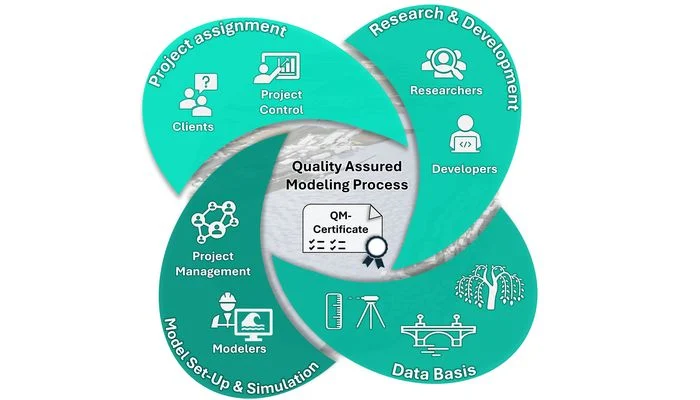
How do you ensure quality in your flow modeling? Participate in a survey!
The challenges in hydraulic engineering are increasing due to the growing threat of floods and heavy rainfall events caused by climate change (as experienced several times in Europe in recent years) on the one hand and the more frequent low water situations and the associated requirements for ecological enhancement of water bodies, on the other …[Read More]
Introducing the British Hydrological Society: Stand-out for Hydrology!
The British Hydrological Society (BHS) is a registered charity and is almost entirely run by volunteers who have chosen to give their time to serve the hydrological community. Founded in 1983, the BHS is a Specialist Knowledge Society of the Institution of Civil Engineers (ICE). Its overall aim is to provide interest, good practice, and …[Read More]
The value of failure: Learning from what didn’t work
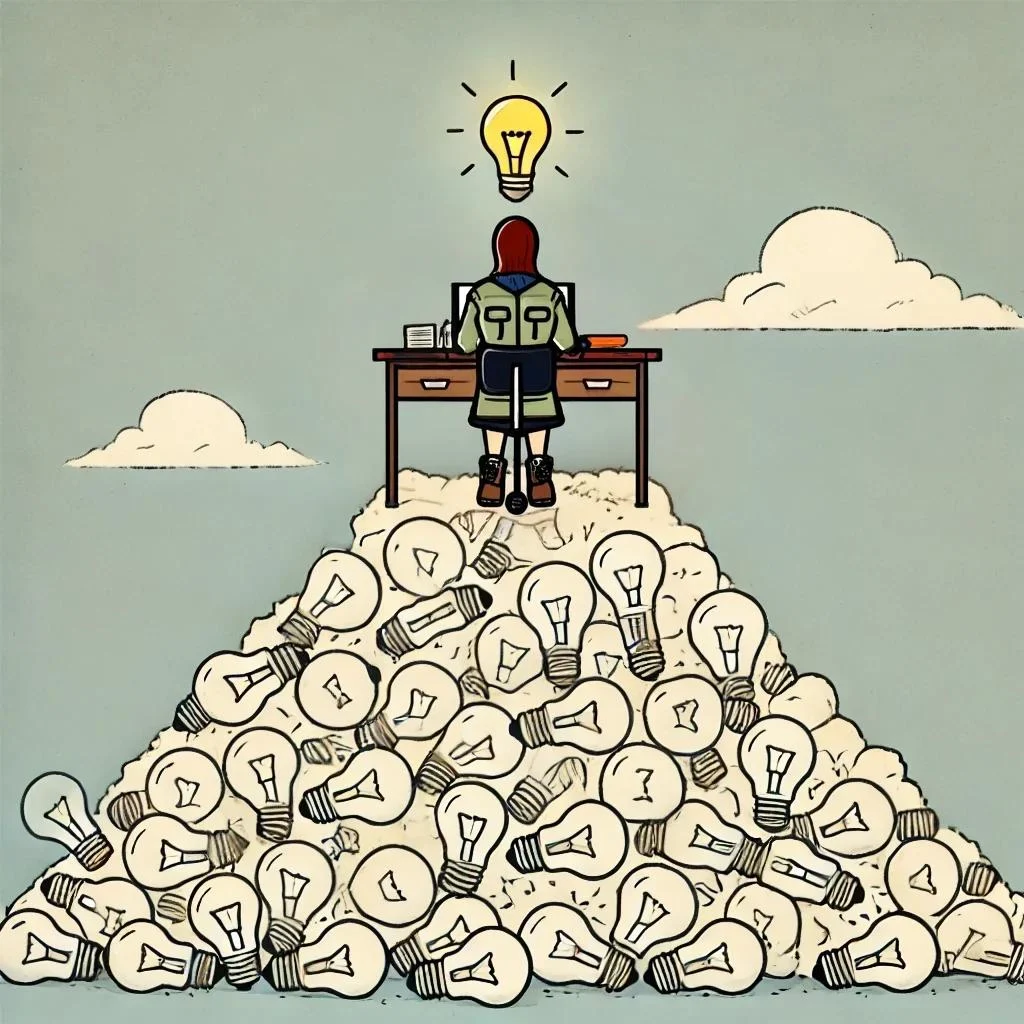
“What failure prepared you for later success?” Tim Ferriss often asks this question to the high-performing guests on his podcast, giving them the opportunity to reflect on how setbacks have shaped their journey. Whether the guest is a leader in business, medicine or science, their answers often share a common theme: failure is not only …[Read More]
What are water walks, and how can you use them as a research method to gather social science research data?
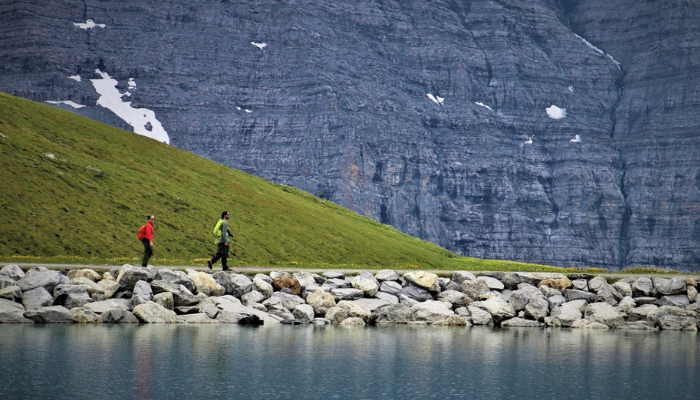
While doing my PhD, which explored community water governance in Scotland, I interviewed participants to understand their work and views concerning communities. I quickly found that I wanted and needed to leave my and their offices to have these conversations. The setting restricted the conversation, making it difficult to connect with what they told me, …[Read More]
Catch the rain when it falls: a journey through water harvesting in the Anthropocene
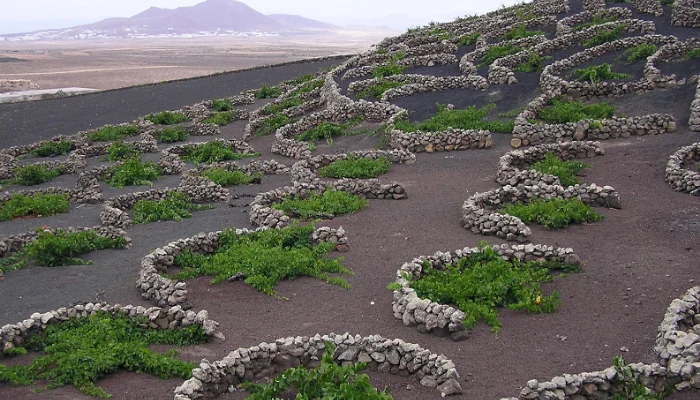
As an environmental engineer trained in water resources management, I have always been fascinated by the multiple uses of water, and specifically the use of water for food production. I always assumed that “the largest share of freshwater resources was used for food production”, thus I logically pursued my MSc. thesis and then my Ph.D. …[Read More]
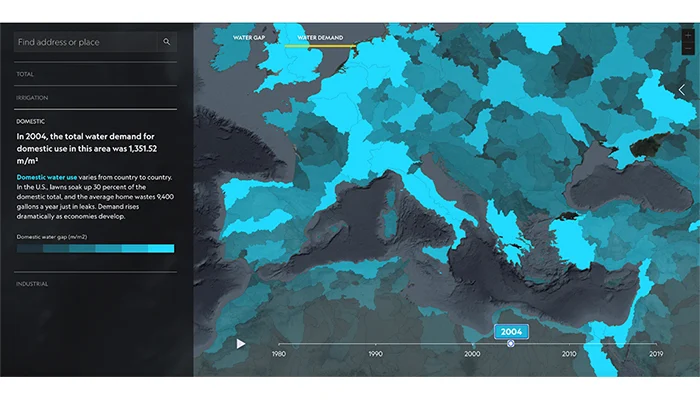
Mapping the Future of Freshwater: An Interview with Niko Wanders on the World Water Map Project
Back in 2022, two hydrologists and water resources specialists from University of Utrecht launched the World Water Map in collaboration with the National Geographic Society and ESRI. Based on the outputs of their global hydrological model PCR-GLOBWB, the team of Marc Bierkens and Niko Wanders map global water resources and identify the regions most at …[Read More]