Since October 23rd, abstract submissions for EGU25 are officially open! For session conveners, this is a critical phase and promoting your session is crucial. If you are co-convening a “traditional” session on a large topic that is run every year you might be inundated with abstracts already now or shortly before the deadline. However, many …[Read More]
Hydrological Sciences
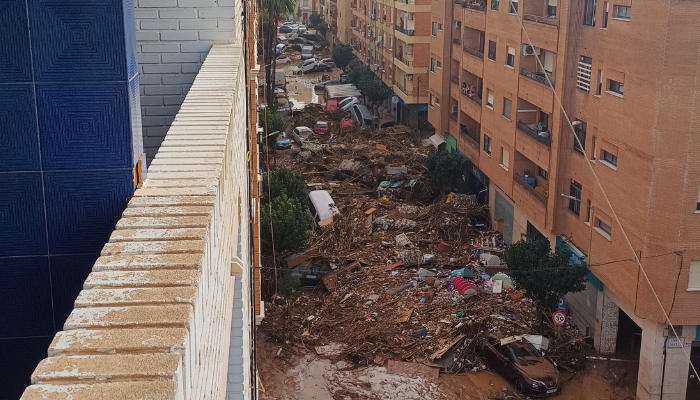
October 2024 floods in the Valencia region, Eastern Spain: One example too many of hazardous debris
The recent devastating flash floods in Valencia region, Eastern Spain, have once more highlighted the role of large debris in enhancing urban flood hazard. Urban debris – so-called Urban Flood Drifters (UFDs) – are very varied as shown by a recent survey. They include vehicles, deadwood, waste bins, containers of many types, construction materials, and …[Read More]
Being a Hydrology Coach: Some Ideas for Teaching College Hydrology Classes
Teaching the next generation of scientists, engineers, and planners hydrology may sometimes feel like a chore, but it might be the most impactful thing we do! So, I think it is always worth taking a look to see if we can optimize our approaches. What follows are some ideas that have shaped my teaching strategies …[Read More]
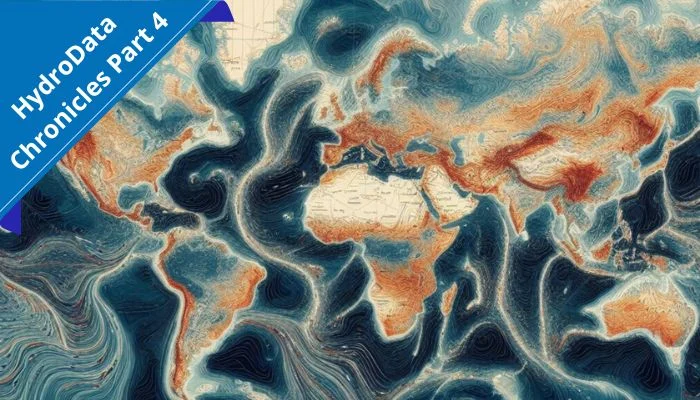
HydroData Chronicles: Celebrating 35 Years of Global Precipitation Monitoring with GPCC
Welcome back to the HydroData Chronicles, where we continue to explore the wealth of hydrological data shaping climate research worldwide. In this installment, we celebrate an incredible milestone — 35 years of global gridded precipitation data from the Global Precipitation Climatology Centre (GPCC). The Origins of GPCC Founded by the Deutscher Wetterdienst under the auspices …[Read More]
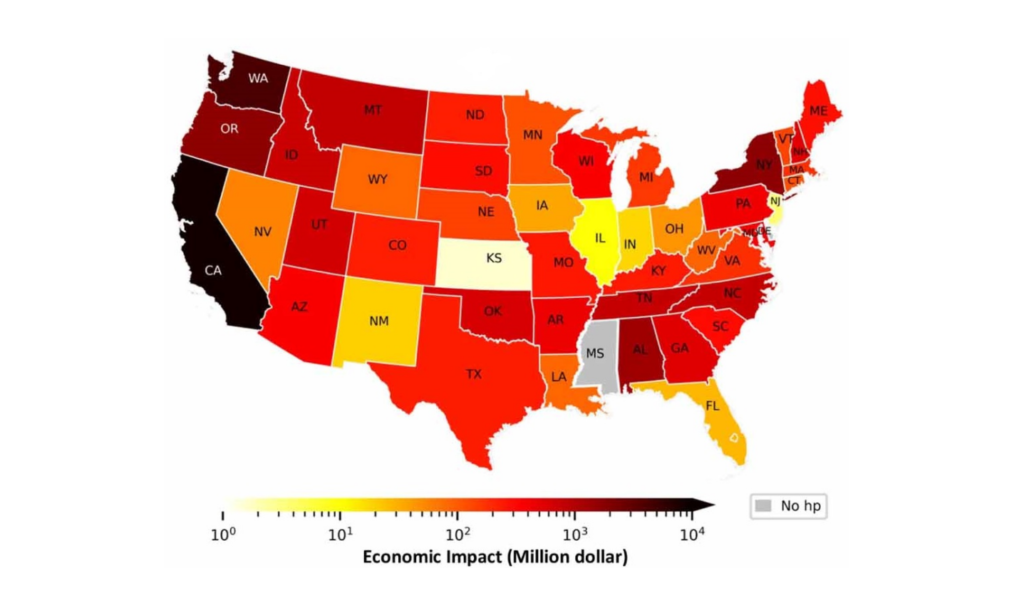
When Droughts Dry Up Power: The Climate-Hydropower dilemma
When we think of hydropower, its environmental impacts usually comes to mind: the dams that disrupt ecosystems, the water bodies that shift, the surface evaporation that increases, and the greenhouse gases that escape from reservoirs1. Hydropower, for all its clean energy potential, is not without its environmental baggage, whether on local water resources or the …[Read More]
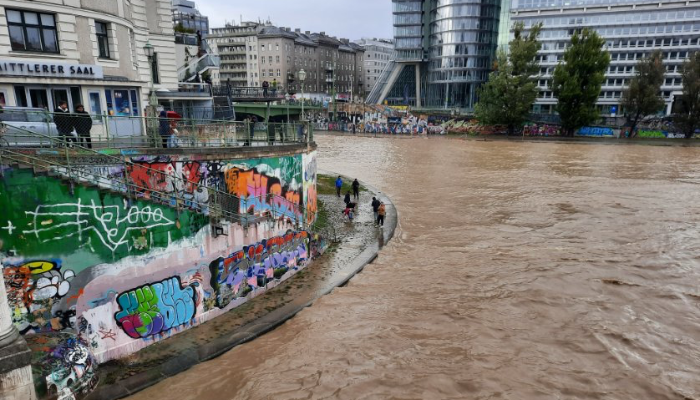
September 2024 Flooding in Central Europe: The Austrian Experience
Storm Boris is the latest in a series of deluges during one of Europe’s most flood-prone periods in 500 years, yet Vienna managed to avoid major damage. The city’s preparations may offer valuable lessons for other urban areas facing similar challenges. Dealing With Record Rainfall: September 2024 in Vienna When record rainfall hit Vienna on …[Read More]
Shaping the HS-programme of EGU25: Session Review, Merging, and Co-Organization Updates
September has arrived. The Hydrological Sciences (HS) community has been very active, as usual, submitting 152 sessions during the open session call, which is more than 10% of all sessions that are proposed for the entire EGU (overall 1,273 sessions were submitted, slightly more than at EGU24). This is amazing and I would like to …[Read More]
Hortonian overland flow: when theory becomes reality
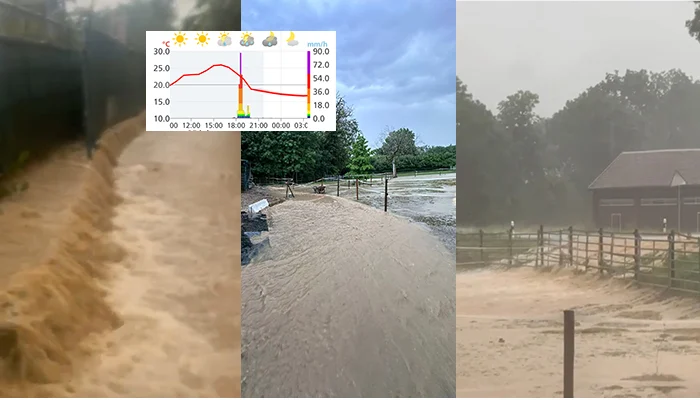
Hortonian overland flow – if you have ever followed a hydrology class, you have certainly come across this jargon: this is the name of a hydrological process – when rainfall flows off at the terrain surface because the rainfall intensity is so high that not all the water can infiltrate into the soil (rainfall intensity …[Read More]
Midnight stutters of an environmentalist, an open letter to the people and places of the planet
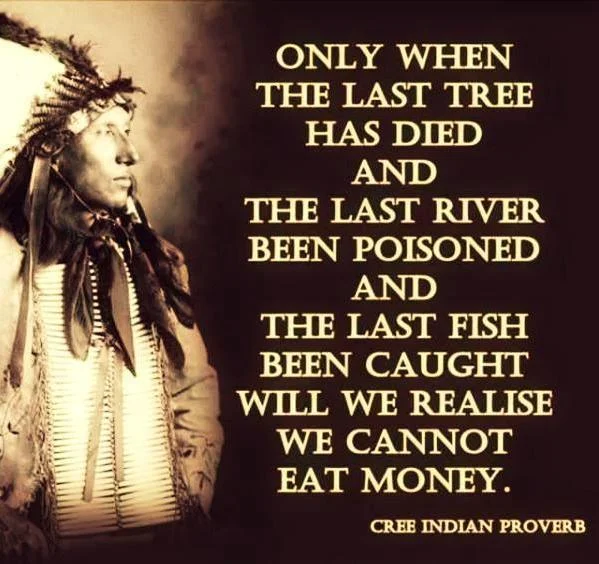
We are in a state of environmental crisis. As someone who knows something about this, i’m really worried about the rising food crisis (due to ongoing wars in regions of russia-ukraine and israel-palestine), and waves of environmental refugees. In this strip of lands, soil is getting ruined daily. Every bomb ruins a patch of soil …[Read More]
Meet your ECS Rep – Christina Orieschnig
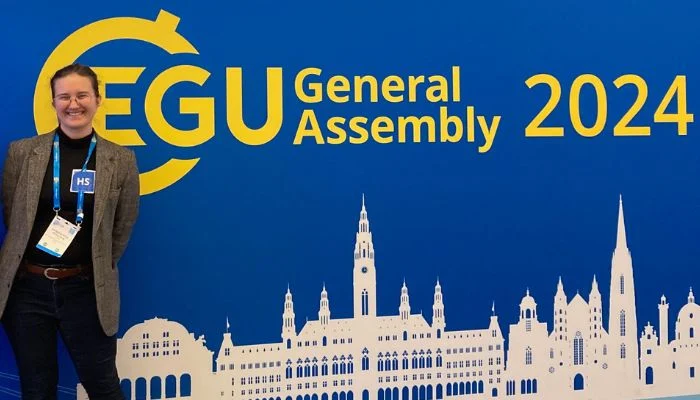
Christina Orieschnig is a hydrologist at IRD in the South of France. She is also the Early Career Scientist representative for the EGU Hydrological Sciences division. Can you tell us about the focus of your research? What have you done so far and what are you doing next? I completed my PhD at AgroParisTech in …[Read More]