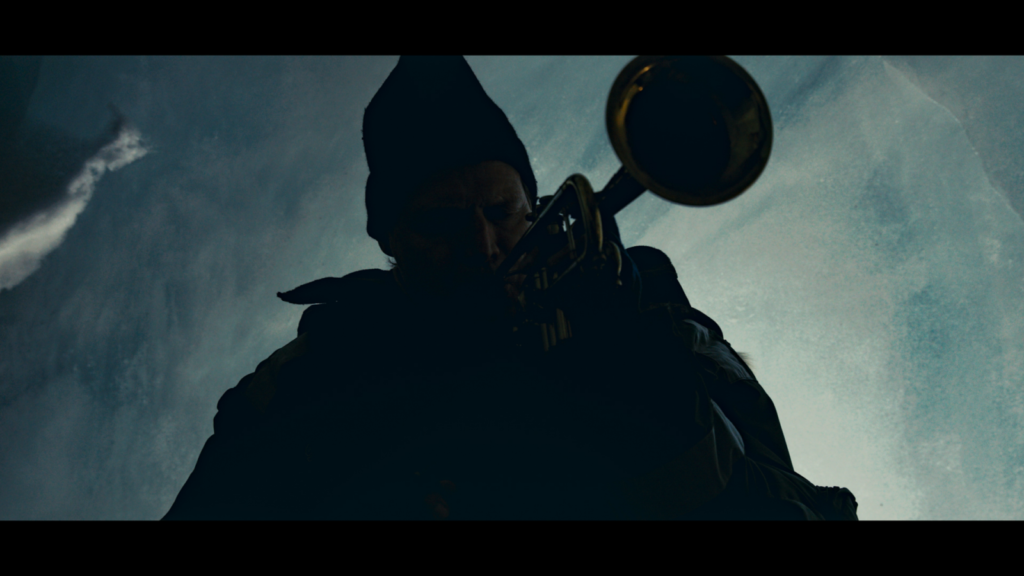
At the edge of the world, a voice tries to make itself heard, a whisper slipping between the threads of an unstable reality. In the remote lands of Svalbard, a few hundred miles from the North Pole, lie millennia-old entities, relics of a disappearing species. They murmur in a language that humans today no longer …[Read More]
outreach
Introducing the new chief editors of the cryo blog
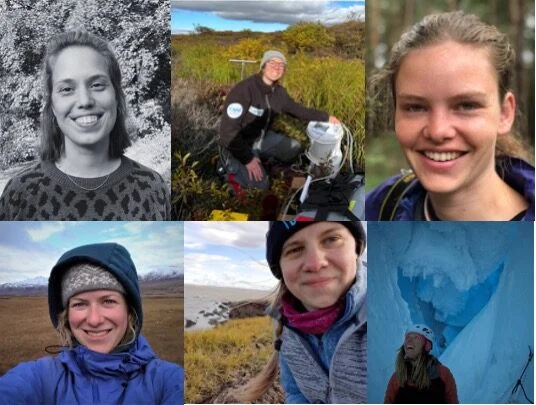
New year, new team! We have some changes in our editorial team and would like to introduce our new chief editors to you today – please say hi to Mack and Leah! Mack and Leah will be taking over the role as chief editors from Maria Scheel, Lina Madaj, Emma Pearce and Loeka Jongejans. You …[Read More]
Speaking Up for the Cryosphere at COP30
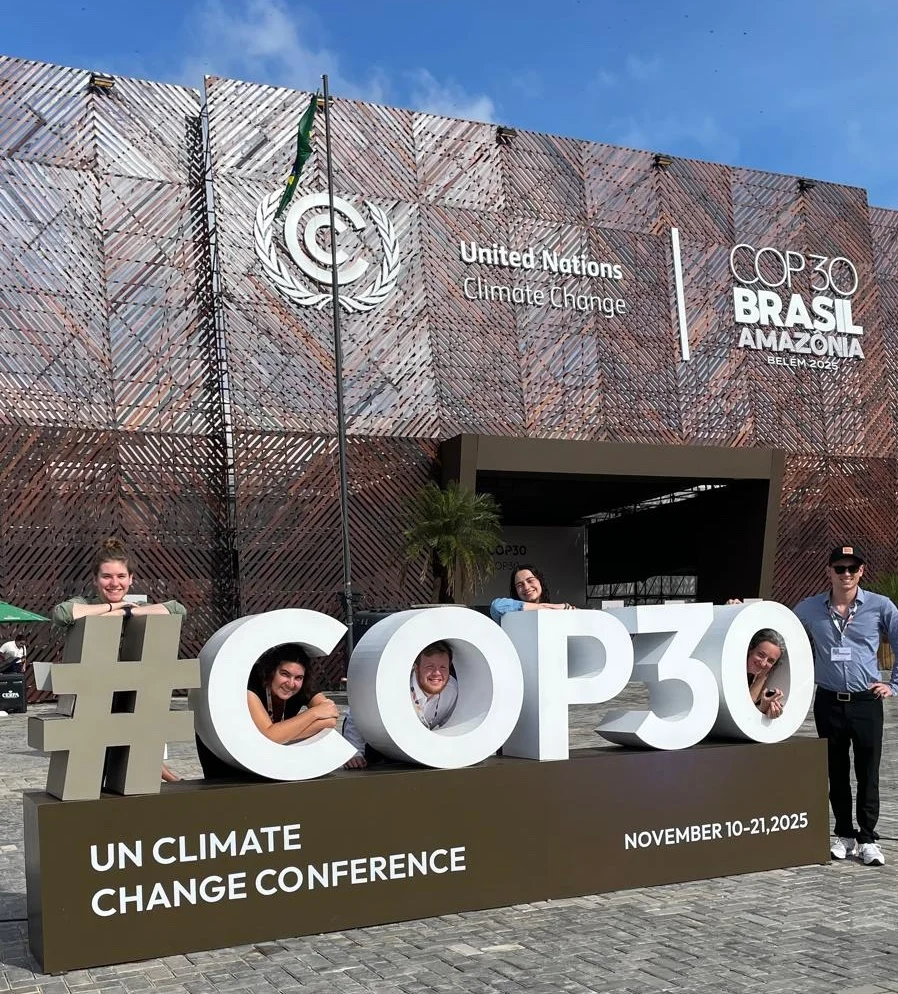
During the climate negotiations at COP30, the global importance of a warming cryosphere was stressed in various formats. The UNFCCC Conference of Parties (this year’s COP30) marks the yearly global climate negotiations which formed the aim to limit global warming to well below 2 °C (the 1.5 °C target) with the Paris Agreement at COP21 …[Read More]
SciComm notes: can Granny understand your science?
As an EGU division blog, we facilitate that the most recent cryoscientific insights reach a wider audience. To do this, we have a team of experienced editors (and former authors), but we also love helping first time authors getting experience with outreach. But if you have ever written an outreach piece, you might know that …[Read More]
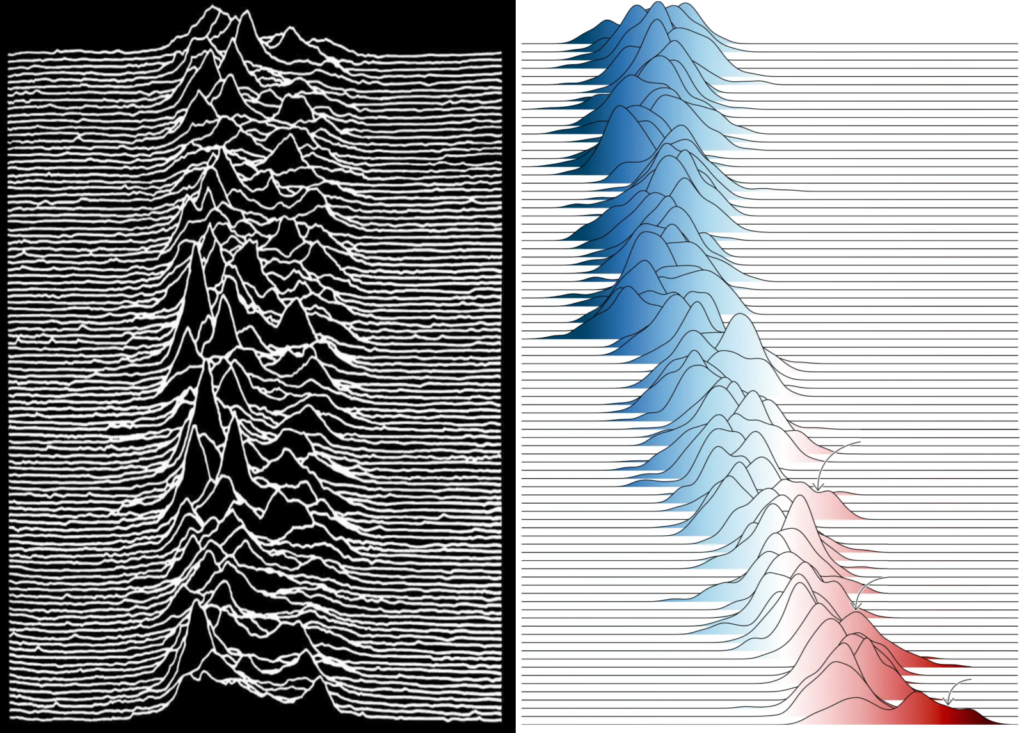
You can’t unsee it – the impact of a good visual for scientific data
We are visual learners after all and for many of us, creating visual content is far more out of our comfort zone than the already hard earned skills of writing itself. Still, creating an accessible image can be pivotal to not only the success of your paper, but also the reach of your science in …[Read More]
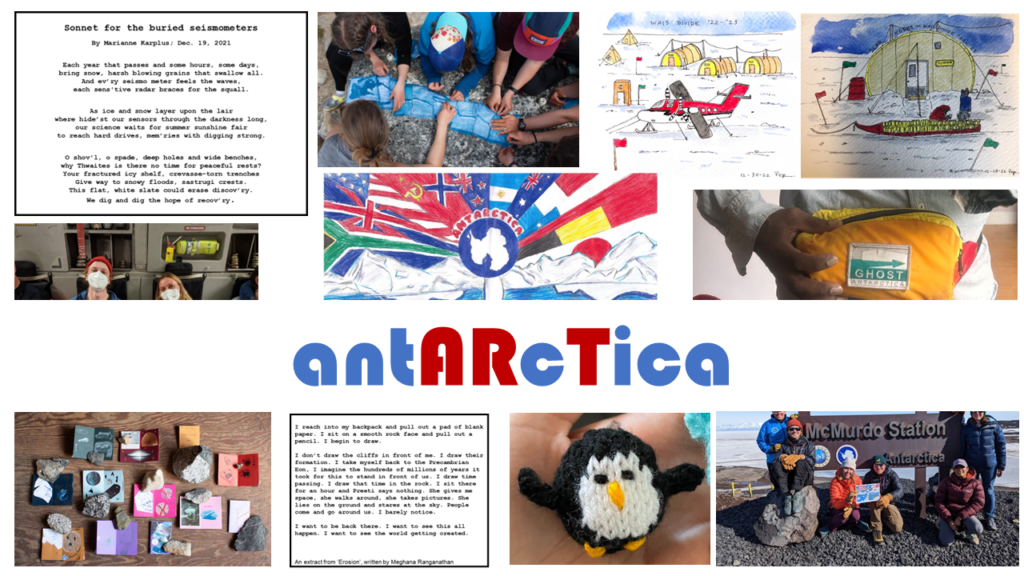
antARcTica
In the frozen expanse of Antarctica, where the remote environment tests the limits of scientists, a unique relationship between science and art can emerge. As the isolation, weather and beauty of the ice-covered continent introduce themselves, some Antarctic individuals find solace in the realm of art. In this blog post, we delve into the interplay …[Read More]
3 Reasons to engage in early career networks
There are several early career groups, which are affiliated with cryosphere-based research in one way or another. APECS (Association of Polar Early Career Scientists) is an international network that is present during many occasions and events in the world of polar research. Have you ever wondered why busy early career researchers (ECRs) use their time …[Read More]
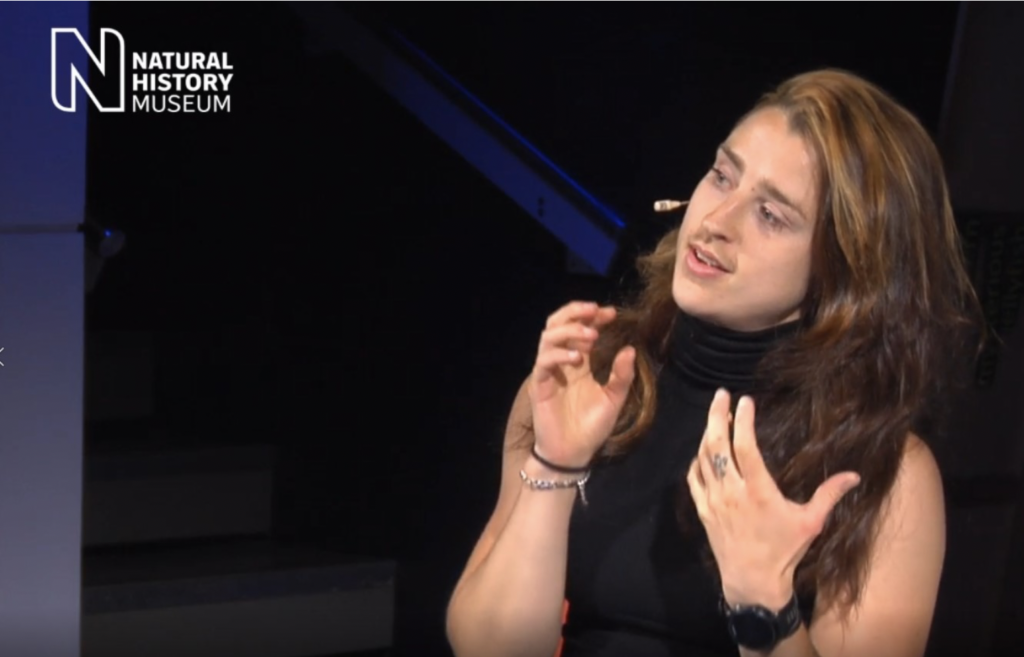
Cryo-Comm – Six reasons why you should communicate your science
What inspired you to get into polar or cryospheric research? Perhaps it was a passion for the outdoors, a drive to protect the environment for the people and animals that live there, or a fascination with wild places. For me, it was all three – and the more I learned about Antarctic climate science, the …[Read More]
Image of the Week – We walked the Talk to Everest
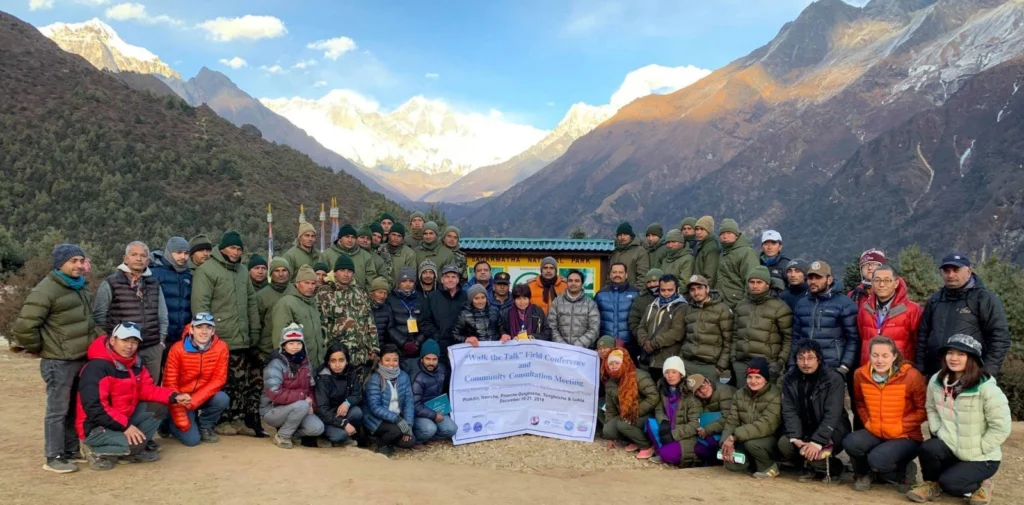
The 12 day “Walk the Talk” Field Conference and Community Consultation through Sagarmatha National Park, Nepal, discussed a wide range of research outputs with local communities, tourists, and officials. Topics covered glaciers, mountains, environmental and landscape change, Sherpa livelihoods, tourism, and natural hazards. The conference, organised by Himalayan Research Expeditions, was the first of its …[Read More]
Image of the Week — Cryo Connect: connecting cryosphere scientists and information seekers
Communicating scientific findings toward non-experts is a vital part of cryosphere science. However, when it comes to climate change and its impact, the gap between scientific knowledge and human action has never been so evident (see for instance, the publication of the latest IPCC special report). Today, our image of the week features an interview …[Read More]