CR
Cryospheric Sciences

modelling

The “Cliffs Notes” on Ice-Cliff Failure

The “Cliffs Notes” on Ice-Cliff Failure

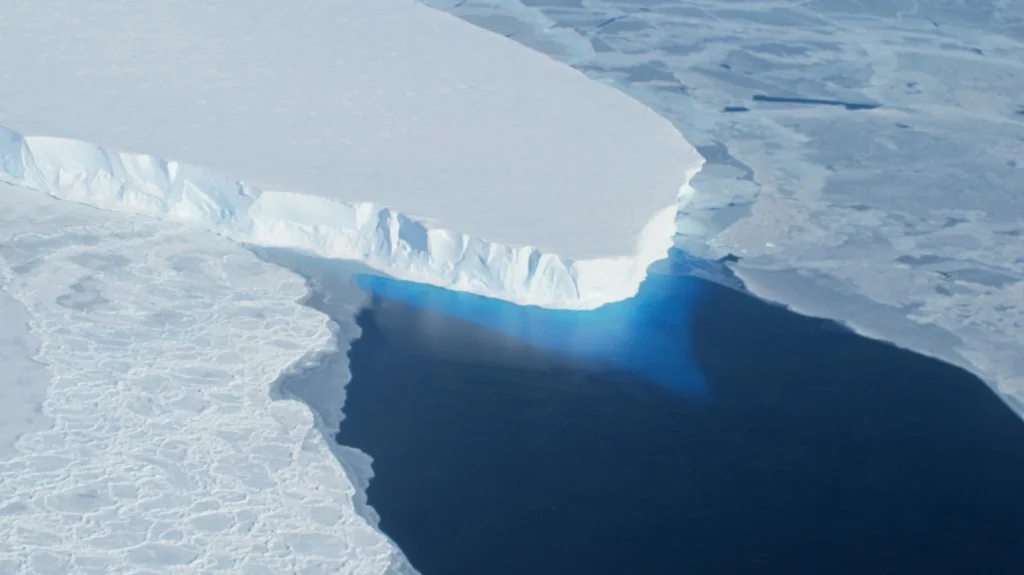
The retreat of large glaciers that drain the Greenland and Antarctic ice sheets could expose immense ice-cliffs at newly-bared calving faces, which are the exposed ends of glaciers where, in these cases, glacier ice meets the ocean. Past a certain height, these ice cliffs will become susceptible to collapsing from high stresses, a process known …[Read More]

Climatic drivers of permafrost mounds in North American peatlands

Climatic drivers of permafrost mounds in North American peatlands

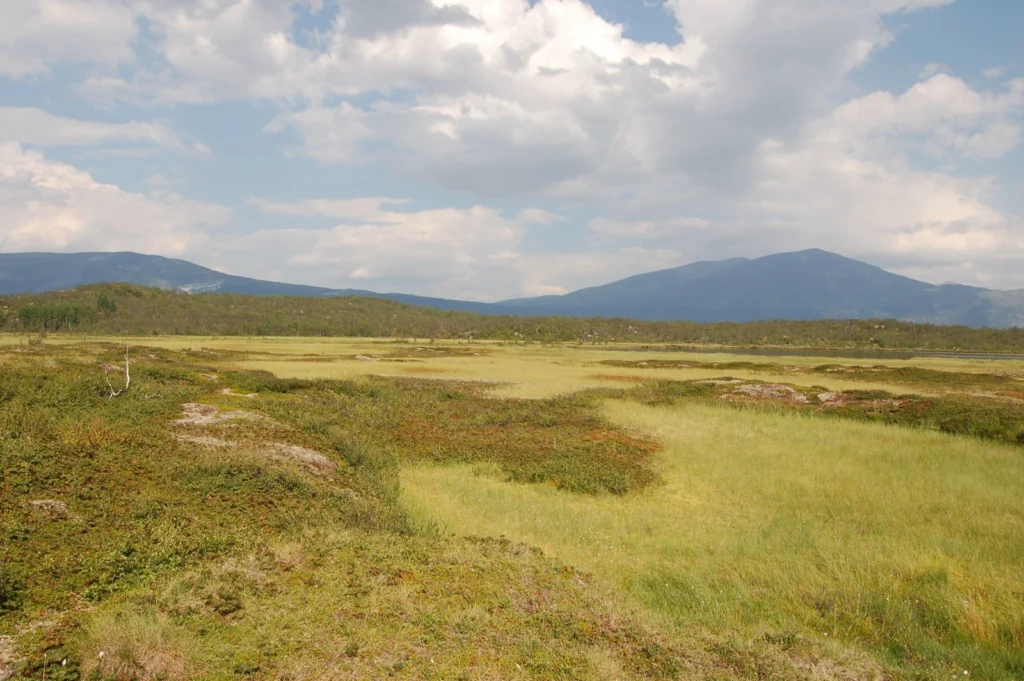
Permafrost, or perennially frozen, peatlands are among the world’s largest terrestrial carbon stores and are particularly threatened by warming climates. Understanding how modern climate controls the distribution of permafrost peatlands is crucial for making confident predictions of their past and future extents. What are permafrost peatlands? Peatlands are wetlands that develop where cold, wet conditions …[Read More]

Image of the Week – Karthaus Summer School 2017

Image of the Week – Karthaus Summer School 2017

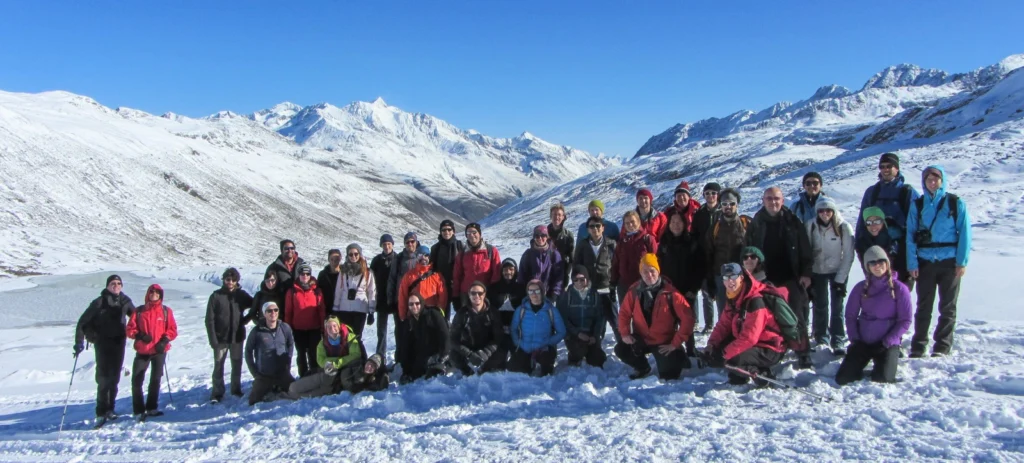
Glaciologists often undertake fieldwork in remote and difficult to access locations, which perhaps explains why they happily travel to similar locations to attend meetings and workshops. The Karthaus Summer School, which focuses on Ice Sheets and Glaciers in the Climate System, is no exception. The idyllic village of Karthaus, located in the narrow Schnalstal valley …[Read More]

Image of The Week – Ice Flows!

Image of The Week – Ice Flows!

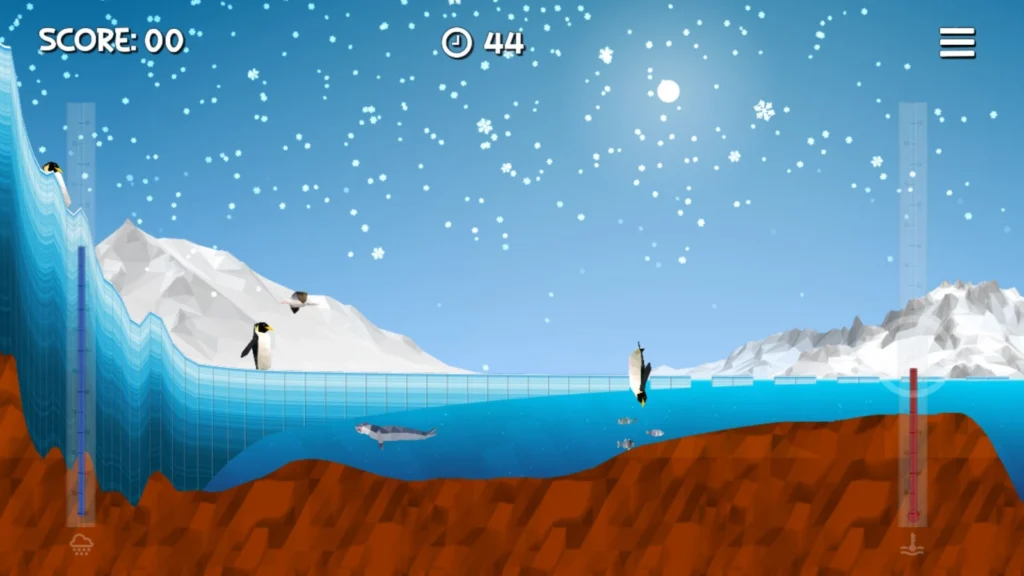
Portraying ice sheets and shelves to the general public can be tricky. They are in remote locations, meaning the majority of people will never have seen them. They also change over timescales that are often hard to represent without showing dramatic images of more unusual events such as the collapse of the Larsen B Ice Shelf.  …[Read More]

Image of The Week – The Pulsating Ice Sheet!

Image of The Week – The Pulsating Ice Sheet!

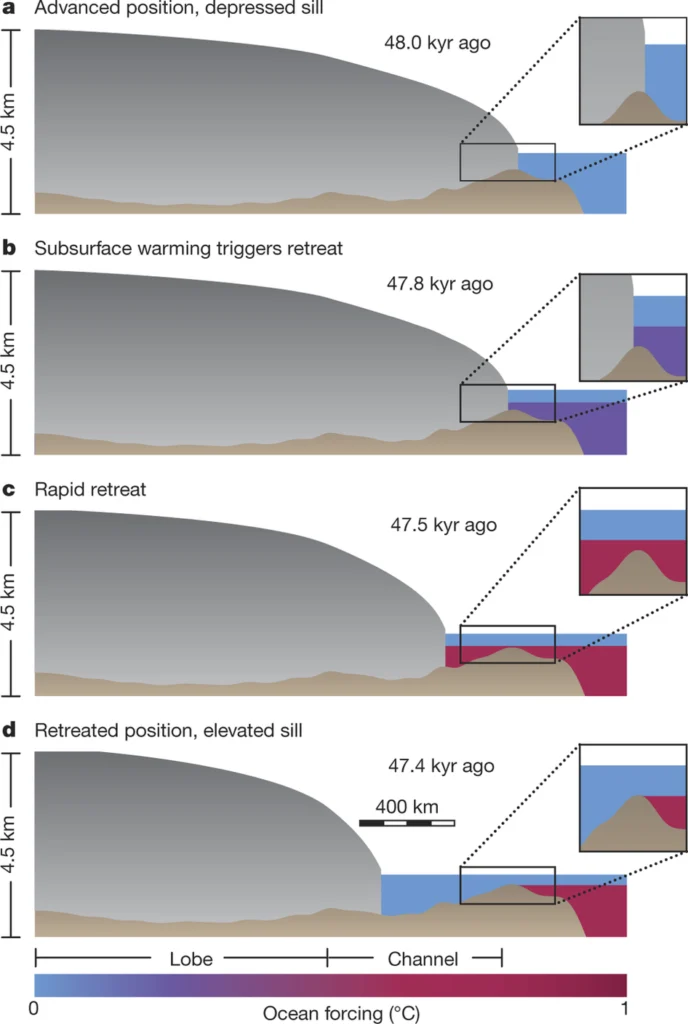
During the last glacial period (~110,000-12,500 years ago) the Laurentide Ice Sheet (North America) experienced rapid, episodic, mass loss events – known as Heinrich events. These events are particularly curious as they occurred during the colder portions of the last glacial period, when we would intuitively expect large-scale mass loss during warmer times. In order to understand …[Read More]

Katabatic winds – A load of hot (or cold) air?

Katabatic winds – A load of hot (or cold) air?

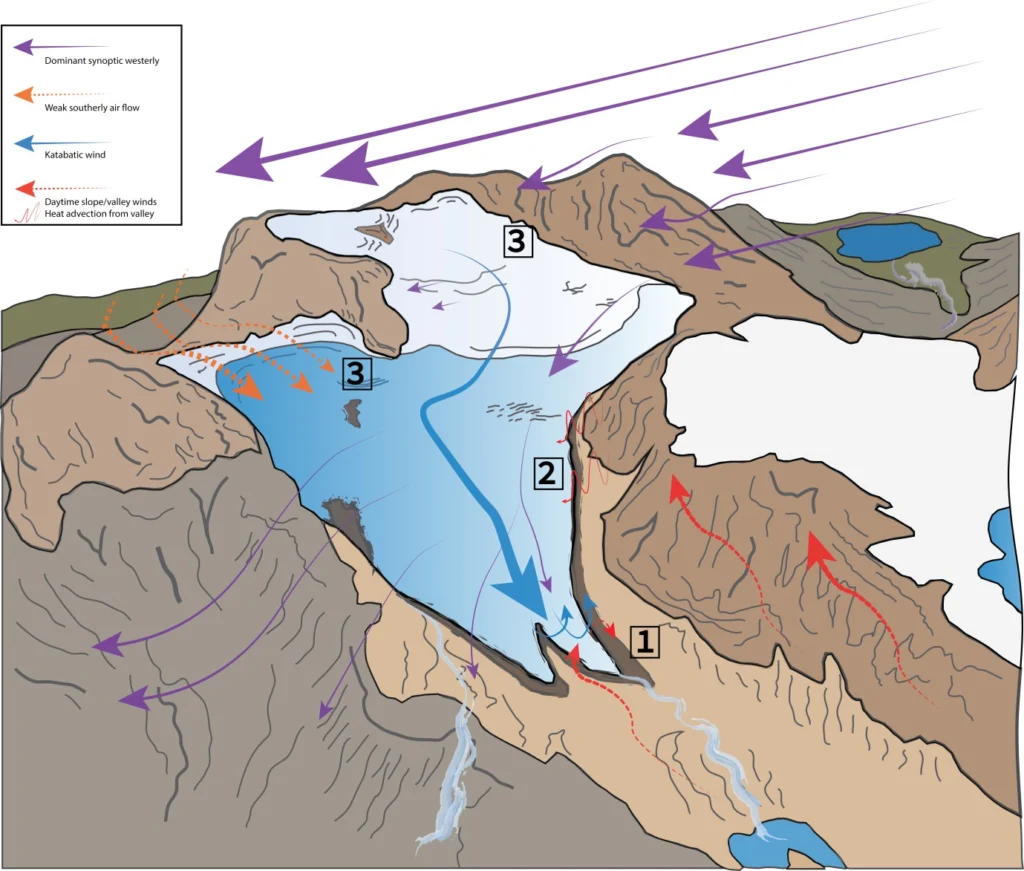
It might seem obvious that a warming world will lead to a reduction in glacial ice cover, but predicting the response of glaciers to climatic change is no simple task (even within the short term). One way to approach this problem is to come up with relationships which describe how glaciers interact with the world …[Read More]