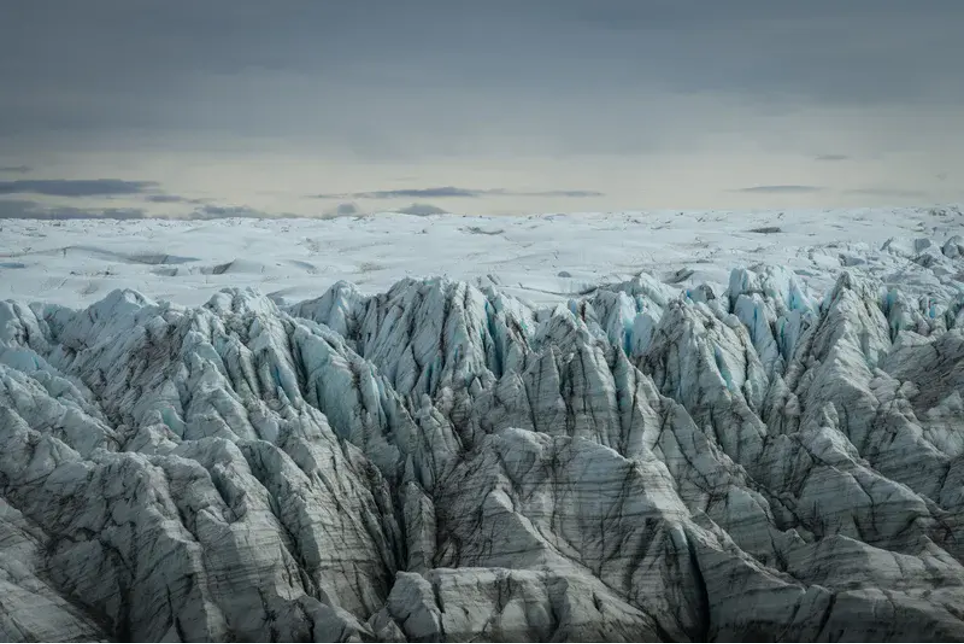
Greenland’s ice sheet holds enough water to raise global sea levels by over 7 meters, but predicting how much it will actually shrink remains challenging due to the massive computational cost of traditional models. Our latest research introduces machine learning-based downscaling that generates high-resolution climate fields orders of magnitude faster than conventional regional climate models. …[Read More]
Machine Learning
Geysers, Geese, and Graph Neural Networks: Impressions from the Glaciology in Machine Learning Summer School (GlaMacLeS)
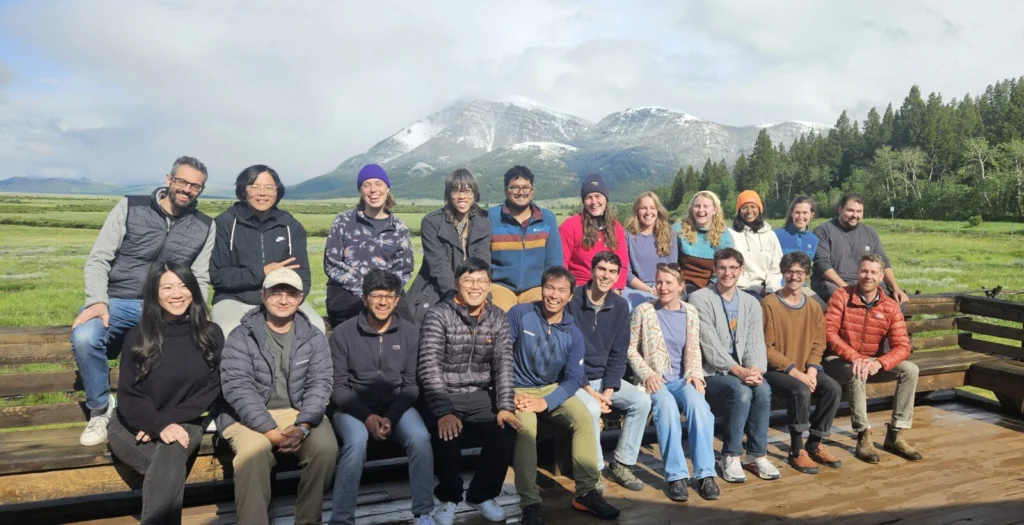
An isolated, idyllic, and inspiring setting in the gorgeous Centennial Valley of Montana, where nothing pulls your attention from the task ahead, a motivated group of PhD students and postdocs in glaciology, and five energetic lecturers: the perfect combination for tackling the ambitious challenge of exploring the interface between glaciology and machine learning. Who wouldn’t …[Read More]
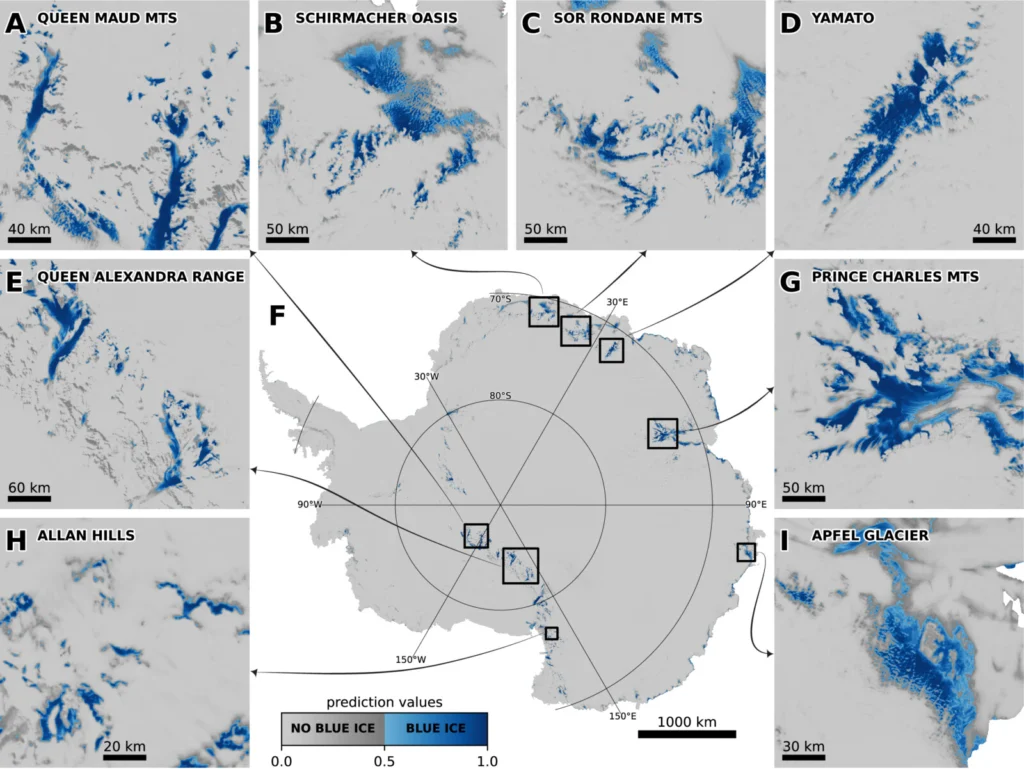
Blue ice in Antarctica: small extent, big science
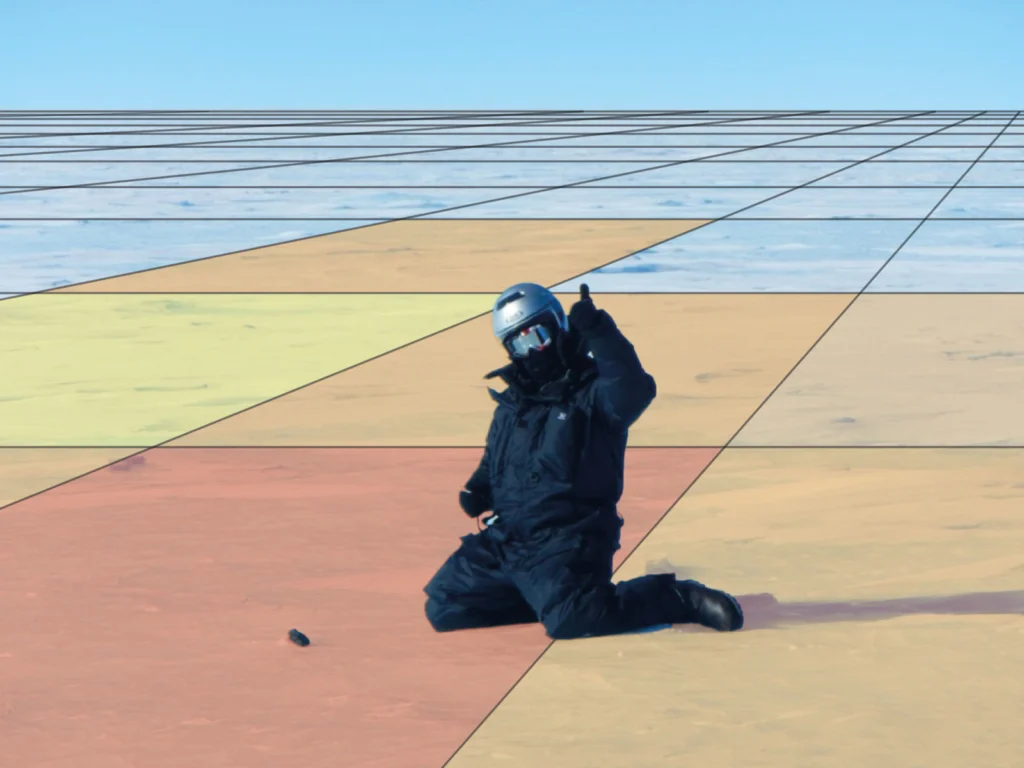
Kggk kggk kggk – the sound of crampons accompanies me. A thin layer of snow covers the slippery ice while I pull a sled. As I wipe my hand over the snow, underneath, a blue color glitters in the sun (Figure 2). In the last days it has been snowing in the White Desert (Antarctica). …[Read More]
Highlighted Paper – Meteorites in Antarctica
A Belgian-Dutch team of scientists created the first-ever “treasure map” that shows where in Antarctica meteorites are likely to be found. Meteorites are samples from space that fall as stone-like material on the surface of the Earth. Once recovered, meteorites provide crucial information on the formation and evolution of our Solar System. First meteorite finds …[Read More]