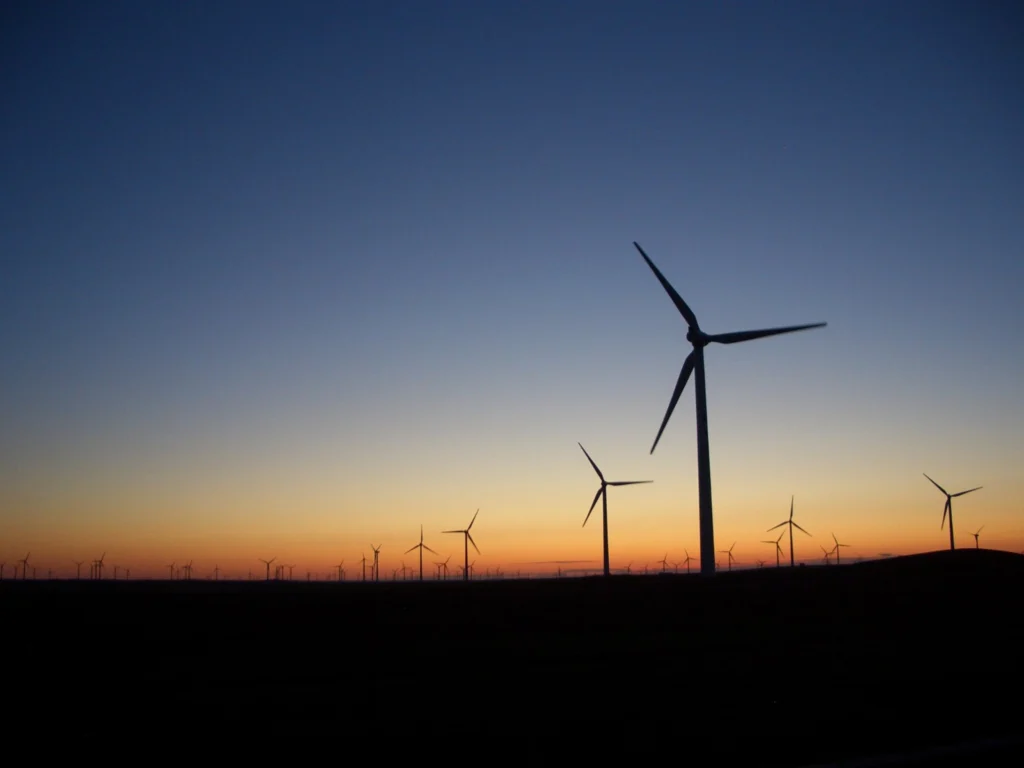
When we were following the route of the Silk Road and heading to the Xinjiang province of China, this was what we saw. The large scale wind power plant brought some hope to this very old road. Hope that with all other renewable energies, it can become an answer to our sustainable future. Description …[Read More]
Latest posts
Dust thou art, and unto dust shalt thou return – palaeoclimatological implications of provenance studies of Southeast European loess deposits
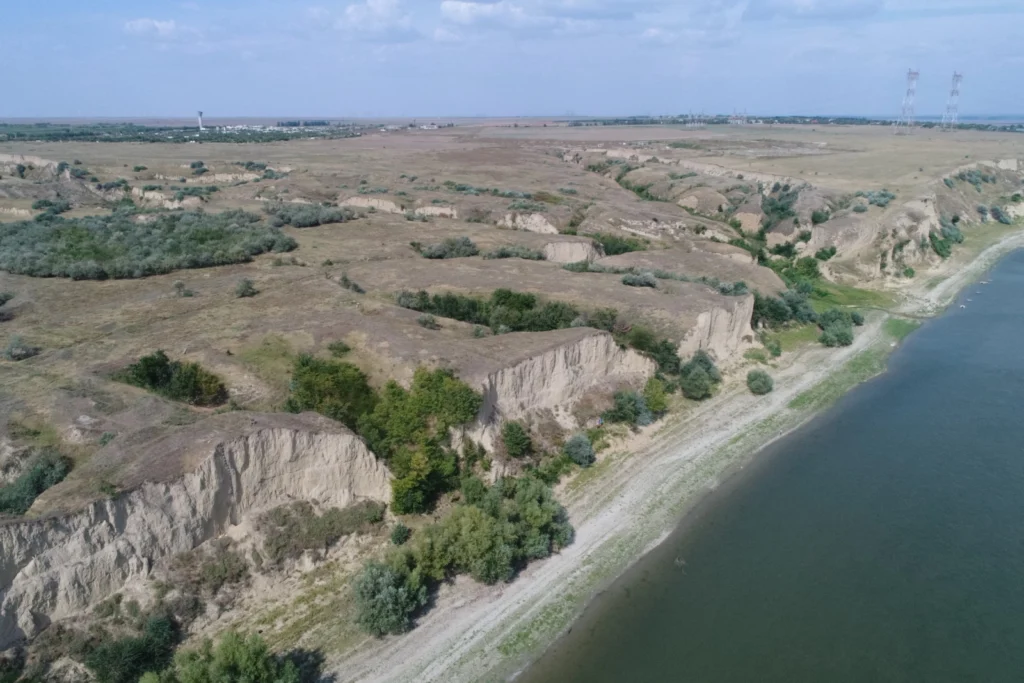
Previous blog posts have highlighted the importance of loess as an indicator of climate and environmental changes in the past. These posts showed the relevance of loess deposits as archives of Pleistocene climates and environments, the importance of using novel approaches in mapping these and other Quaternary-related sediments, the aspects of dating loess deposits, as …[Read More]
GeoTalk: Meet Noel Baker, science-for-policy advocate and member of the EGU Policy Working Group!
Hello Noel, thanks for joining us today! Could you tell us a little about yourself before we dive in? Thank you so much for having me, Simon! I’m an American climate scientist currently working in Brussels as a project manager at the Royal Belgian Institute for Space Aeronomy. I finished my Ph.D. in 2013 with …[Read More]
Climate change and the Cryosphere – With ice we are also losing a piece of our cultural heritage: a glaciologist’s perspective
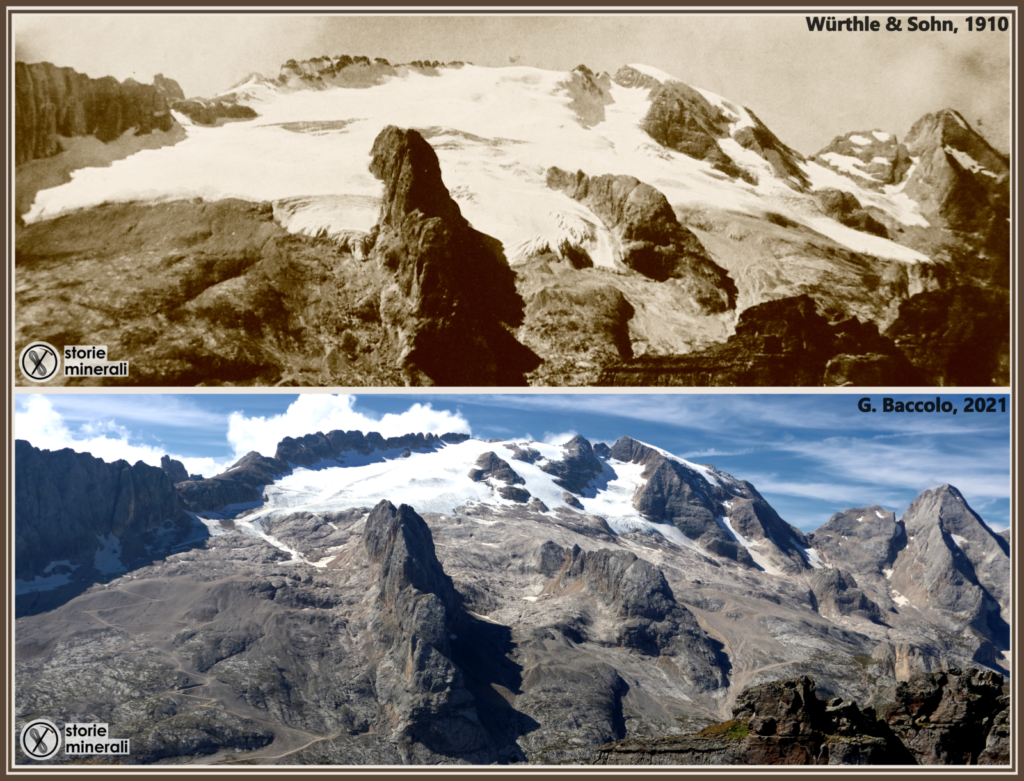
Glaciers are shrinking and disappearing in many regions of the Earth. Did you know? I am joking of course. We are flooded with news talking about this. The decline of glaciers has manifold and severe consequences and is one of the most powerful icons of climate change. Here I want to talk a little bit …[Read More]
The Sassy Scientist – Impatient Or Too Late?
Hilde has been ever so occupied with her research, especially finishing a manuscript for the first time. Submitting that paper was supposed to be some sort of closure, and mental solace, yet somehow there seems to be a predilection for progressive diffidence: When has enough time passed to send a reminder/enquiry to an editor if …[Read More]
NPG Paper of the Month: “Empirical evidence of a fluctuation theorem for the wind mechanical power input into the ocean”
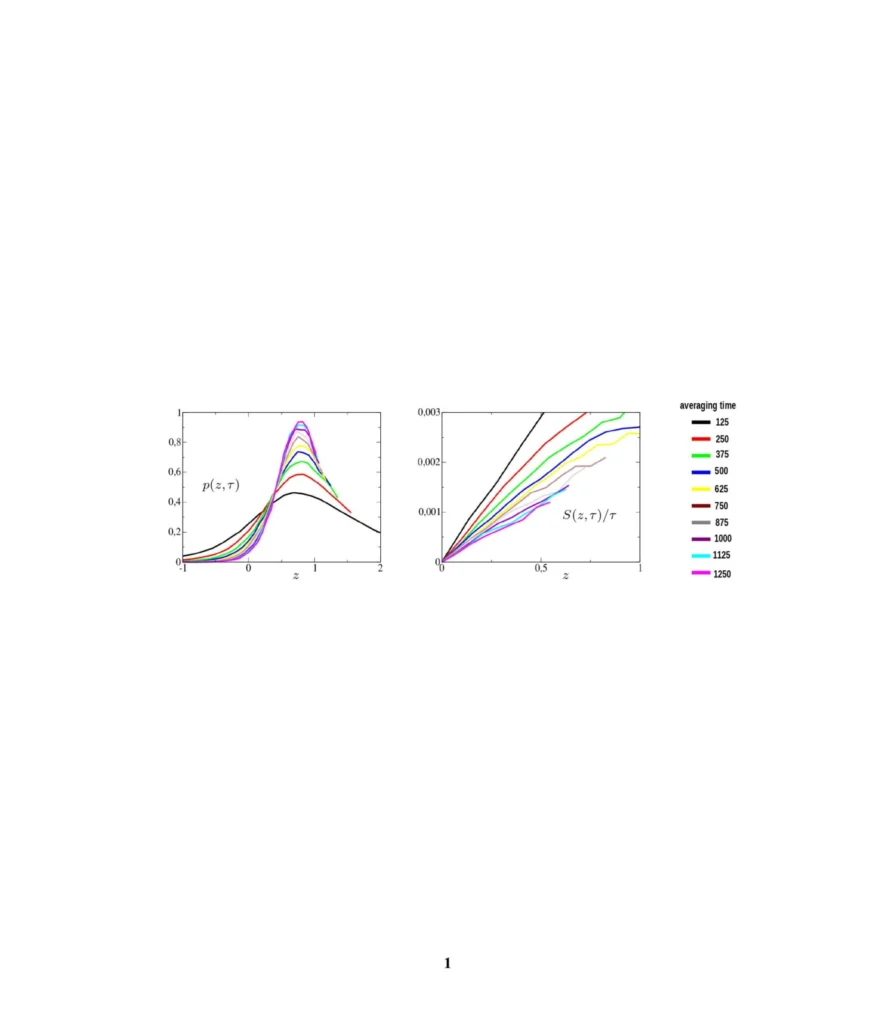
This month the NPG Paper of the Month award is achieved by Achim Wirth for his paper “Empirical evidence of a fluctuation theorem for the wind mechanical power input into the ocean“. Achim obtained his PhD at the University of Nice (Franc), doing research on turbulence theory. He then moved to oceanography working at UCLA …[Read More]
GMPV for Sustainable Development – Geohazards and Volcanic Monitoring
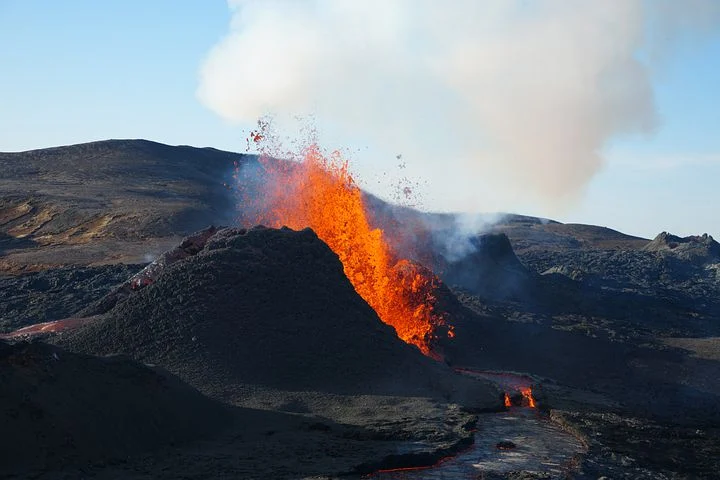
GMPV and The Sustainable Development Goals In 2015 all United Nations Member States adopted a set of Global Goals, as a universal call to protect our planet, end poverty and ensure that all people can enjoy peace and prosperity. These are called the Sustainable Development Goals – 17 integrated goals aimed at addressing the challenges our society is …[Read More]
Sliding across the Solar System – The missing origins of gigantic landslides
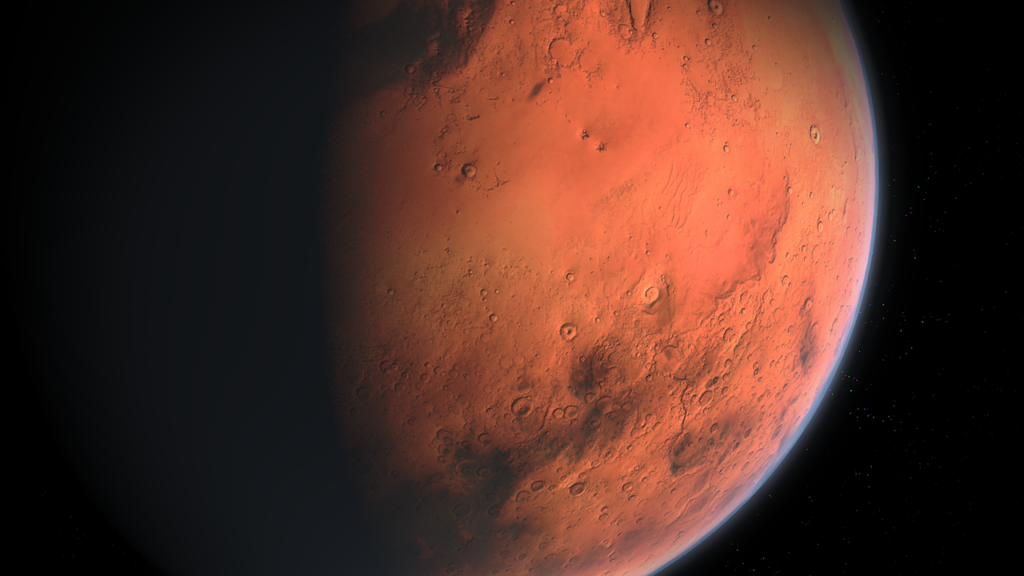
Landslides can be impressively huge and fast and can occur on all sorts of places including asteroids, rocky moons and Mars! Giulia Magnarini Post Doctoral Researcher at the Natural History Museum in London writes all about these gigantic landslides and the clues they could hold into the martian past! Gigantic landslides are ubiquitous in our …[Read More]
Vienna or not Vienna? On the way to #EGU22
The EGU Programme committee (PC) usually meets several times in a year to prepare the EGU General Assembly (GA). In these “virtual” times, they have met even more than usual, as more issues have to be discussed and reflected upon: hybrid format, accessibility, fees and registration rates, travel support, education, outreach, communication, side events, etc. …[Read More]
Imaggeo On Monday: The tree that gave birth to a forest
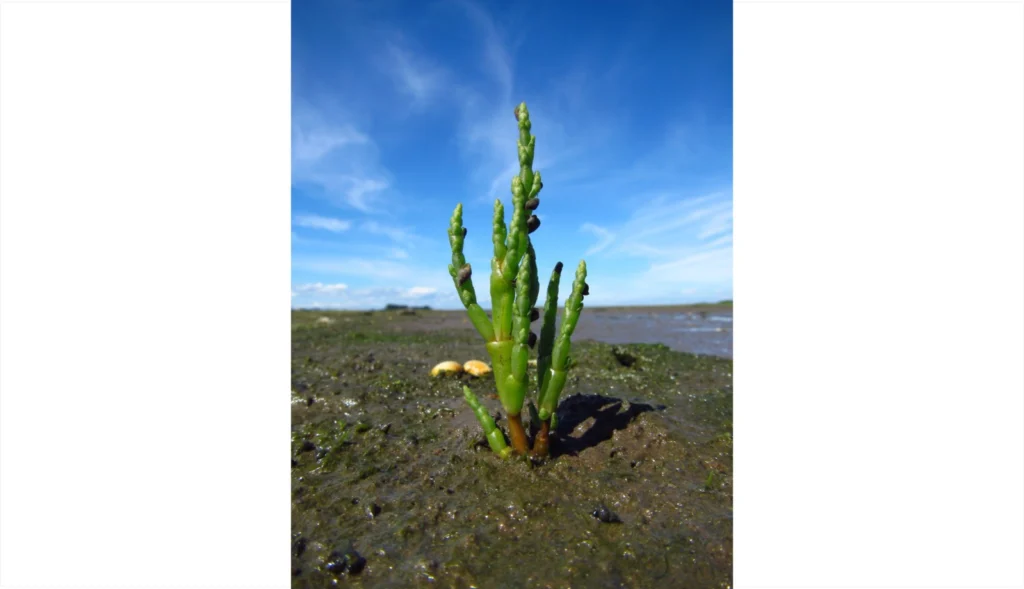
This 10 centimetre giant is a pioneer of marine conquest. All summer, glassworts (Salicornia europaea) will be rhythmically swept by the tide, gradually trapping seaborne sediment on the shores of Aberlady Bay in Scotland. The resulting elevation of the mudflat marks the start of a race of growth against waves, currents and sea level rise, …[Read More]