EGU Blogs

Latest posts

GD

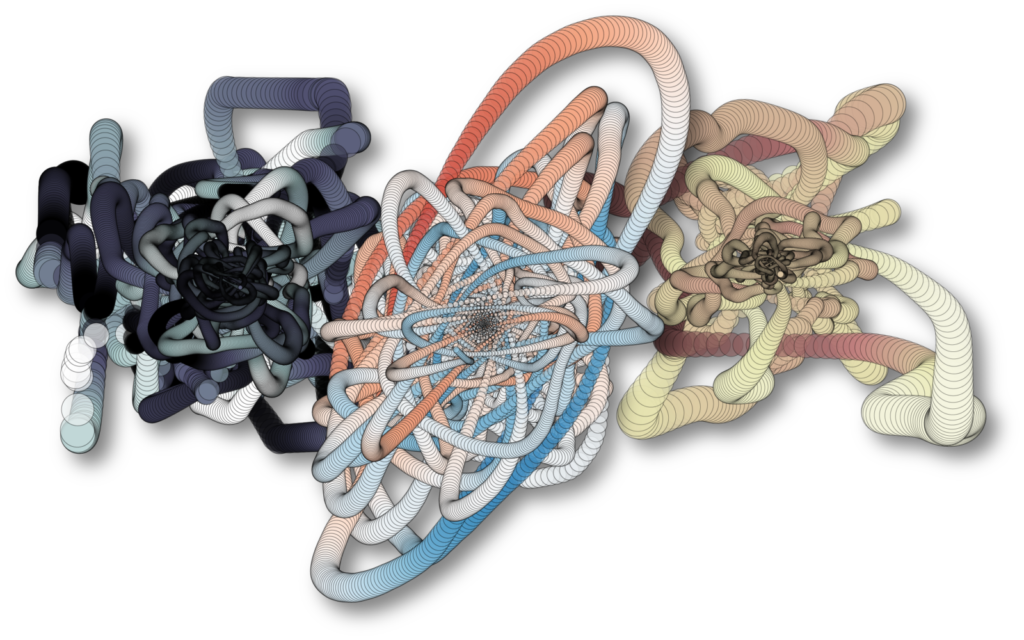
Continental drift in academia

Continental drift in academia

After spending about three decades in the hustle-bustle of Asian megacities, I landed up in a quiet European town to continue my research work as a postdoc. When you know you will not meet your family soon in person, you know that you will not get the food you love and, the climate that has …[Read More]

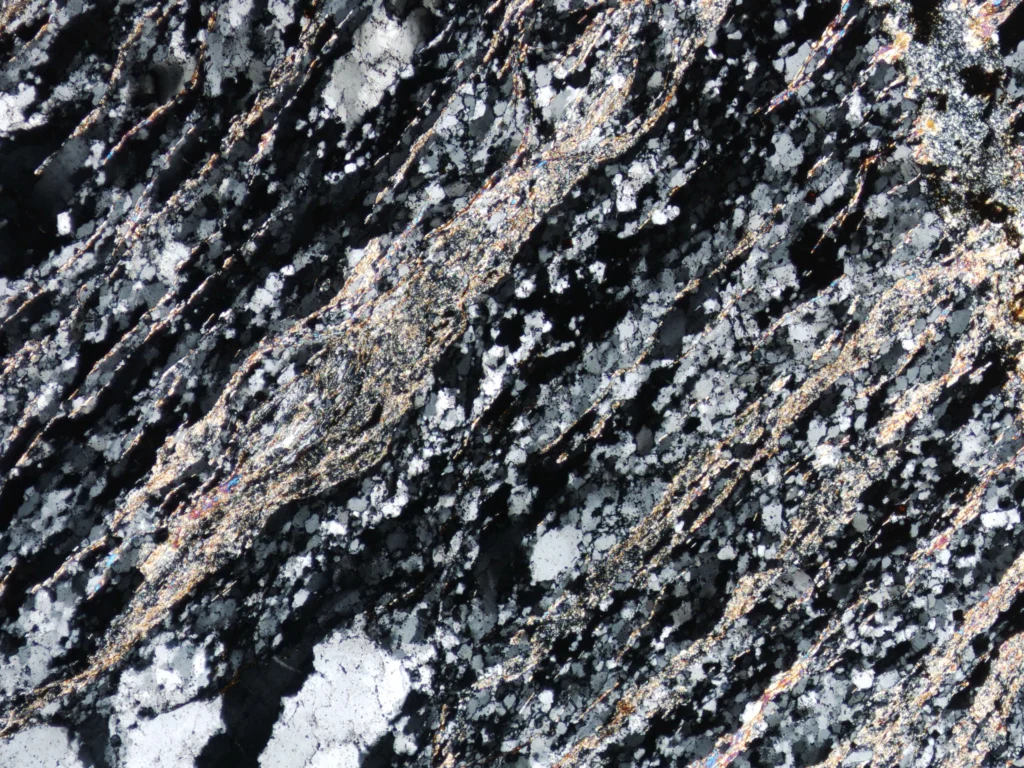
Imaggeo On Monday: Quartz – sericite mylonite, Calamita, Elba

Imaggeo On Monday: Quartz – sericite mylonite, Calamita, Elba

Concomitant thrusting and magmatism resulted in the development of ductile mylonites in the Calamita Schists, part of the contact aureole of the Late Miocene Porto Azzurro pluton. This mylonite is made up of stretched and recrystallized quartz layers, interlayered with thin sericite-rich levels. Sericite resulted from the crushing of contact-metamorphic minerals such as andalusite, cordierite, …[Read More]

CL

Parenting in Academia: Challenges and Perspectives

Parenting in Academia: Challenges and Perspectives

Trying to juggle teaching, advising, publishing, finding a new (or permanent) job, relocating, attending conferences, and actually doing research sometimes requires more hours in the day than exist (oh and that global pandemic situation is sticking around). Additionally, many scientists have children or are starting a family at the same time as maintaining and building …[Read More]

CR

Parenting in Academia: Challenges and Perspectives

White print on pavement with parent holding kid by the hand

Trying to juggle teaching, advising, publishing, finding a new (or permanent) job, relocating, attending conferences, and actually doing research sometimes requires more hours in the day than exist (oh and that global pandemic situation is sticking around). Additionally, many scientists have children or are starting a family at the same time as maintaining and building …[Read More]

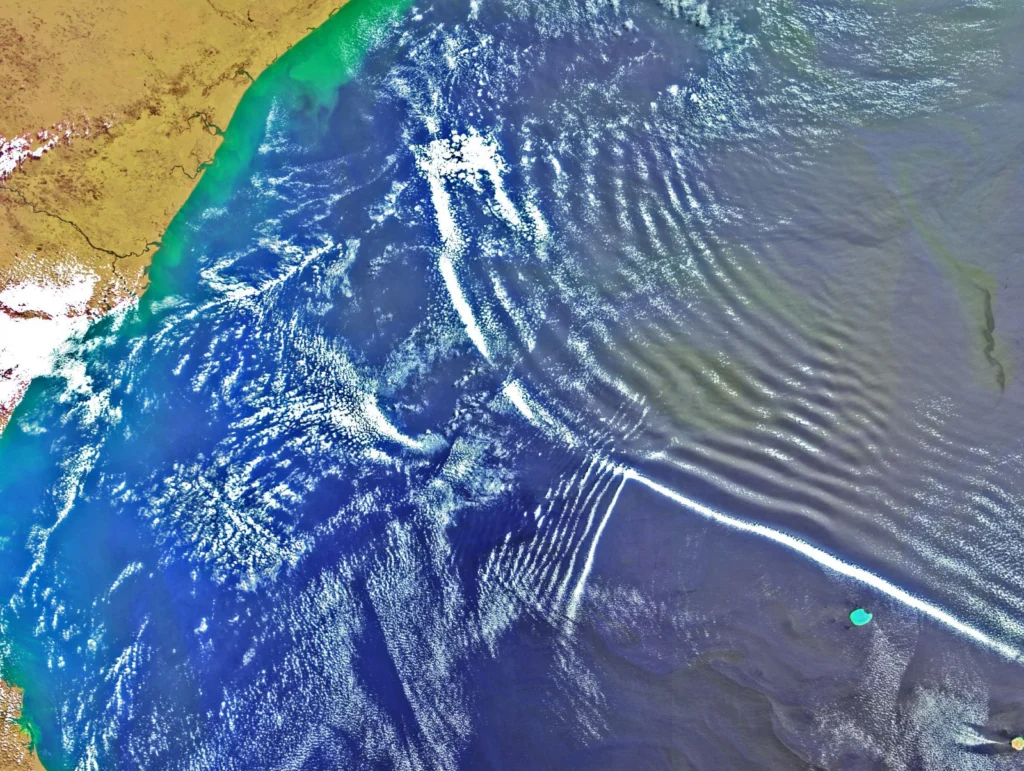
What if a tsunami’s magnetic field could predict the height of the wave?

What if a tsunami’s magnetic field could predict the height of the wave?

It’s been well established that tsunamis generate magnetic fields as they move seawater (which is conductive unlike freshwater) through the Earth’s magnetic field. Although researchers previously predicted that the tsunami’s magnetic field would arrive before a change in sea level, they lacked the means to simultaneously measure magnetics and sea level to confirm this phenomenon. …[Read More]