
India is experiencing an “Air apocalypse” and the Global Burden of Disease study has estimated the death toll has reached 1.67 million in 2019. Almost 100% of the population is now exposed to PM2.5 level higher than WHO (World Health Organization) recommendations. However, common citizens are generally unaware of the seriously damaging effects of poor …[Read More]
Latest posts
ST-ECS networking campfire event
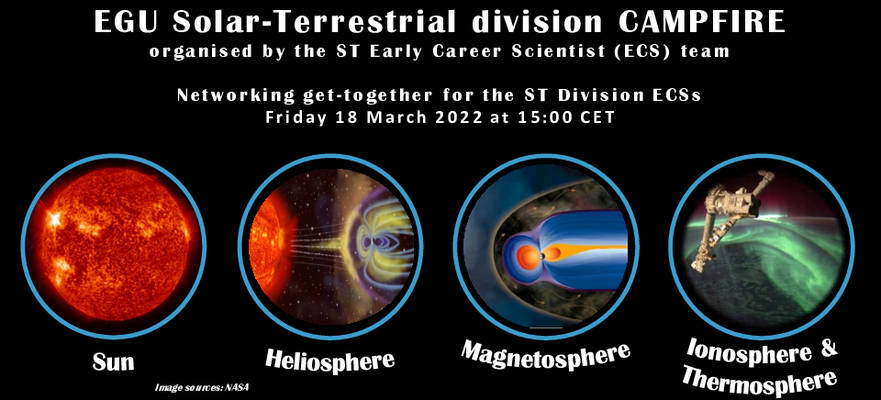
The EGU Solar–Terrestrial physics (ST) division’s early-career scientist (ECS) team is organising a so-called Campfire event to gather the community together before EGU22 and promote networking among ST-ECSs. The event will be held on Zoom and will take place on Friday 18 March 2022 at 15:00 CET, for a duration of one hour. We will …[Read More]
Imaggeo On Monday: A steady silent witness
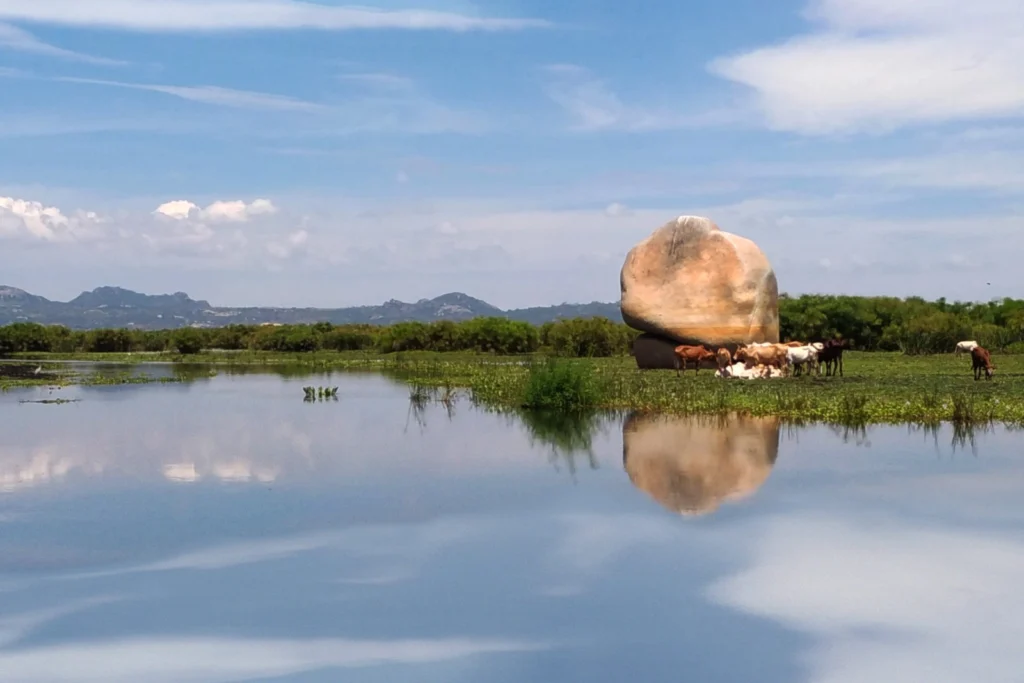
I took this picture during a sunny field work day in the Mara Wetland, Tanzania. The granitic inselberg appeared to me as a huge silent witness not only of siltation and inundation of the wetland but also of the human actions. Slash-and-burn is widely used to deforest lands and riparian vegetation for new crops and …[Read More]
GeoRoundup: the highlights of EGU Journals published during February!
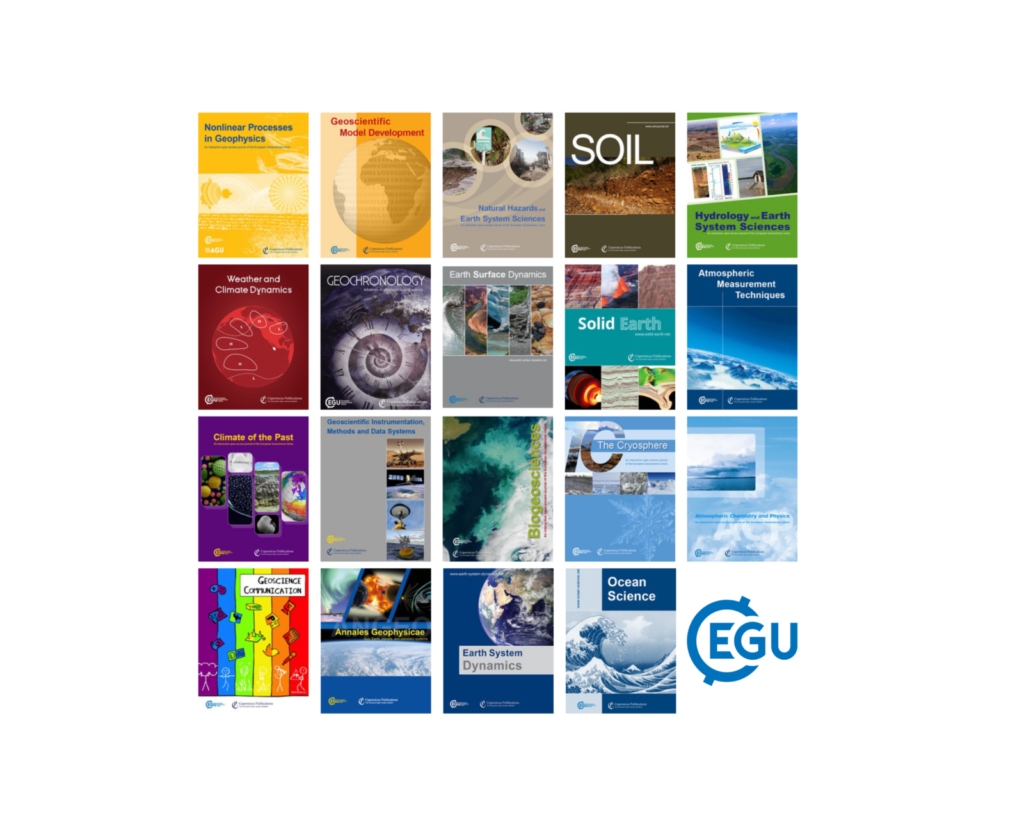
Each month we feature specific Divisions of EGU and during the monthly GeoRoundup we will be putting the journals that publish science from those Divisions at the top of the Highlights roundup. For February, the Divisions we are featuring are: Hydrological Sciences (HS) and Stratigraphy, Sedimentology and Palaeontology(SSP). They are served by the journals: Geoscientific …[Read More]
TS Must Read paper – Foreland Basin Systems, DeCelles & Giles (1996)

Foreland Basin Systems, by DeCelles and Giles (1996), expands the concept of foreland basin into the more comprehensive and integrative concept of foreland basin systems. Foreland basin systems can be defined, as per this TS must-read paper, as compressional regions where various tectonic forces lead to flexural responses of a variable wavelength, which may in …[Read More]
Discover the BASE of academic writing to become a better writer
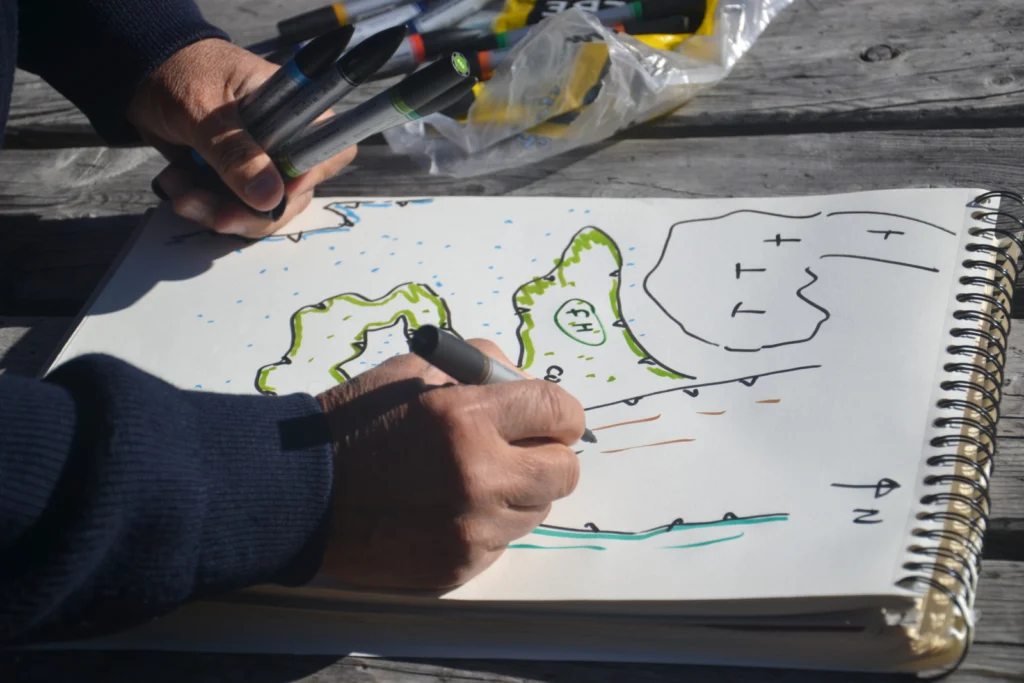
Has anyone ever had a chat with you about your writing? Or their writing for that matter – and I don’t mean about their last publication but their writing process? Writing and in particular academic writing is one of those skills that people assume everyone has and picks up somehow by doing it – without …[Read More]
SENSORChat: Go with the UPFLOW – detecting powerful motions deep within Earth’s interior
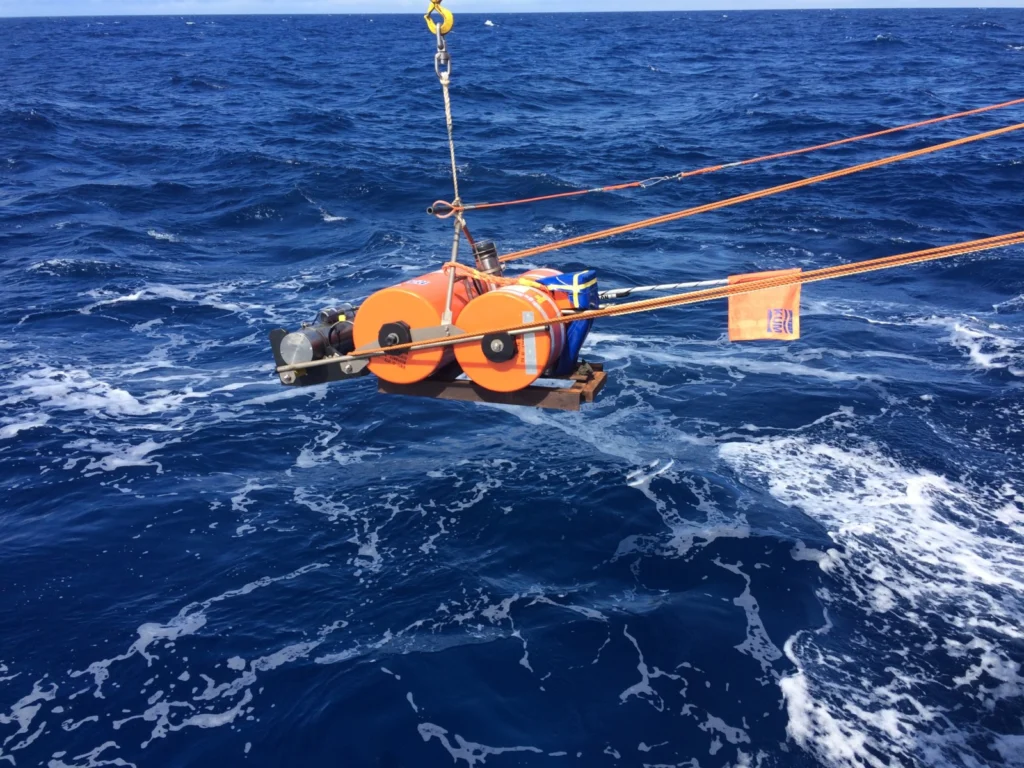
“SENSOR” – stands for Seismological Experiments, Network Systems, Observations and Recovery In this blog series, curated by Chiara Civiero, we share news about recent or upcoming seismic experiments around the globe! Could you explain what your project is about? While downward mantle flow (subduction) is well constrained, a grand challenge in Earth sciences is to …[Read More]
Time & space of glaciers
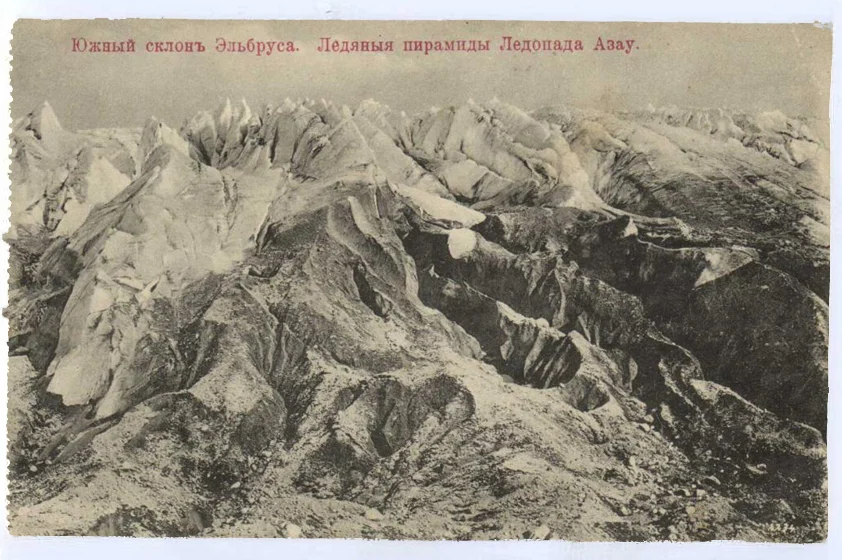
People usually perceive space and time, comparing them to their own life Words such as “forever” and “until the end” appear in fiction But how can we imagine the space and time of the mountain glaciers whose existence goes beyond our usual perception? And why is it so important for us now? With this post, …[Read More]
The Sassy Scientist – Faulty Segments

`Segmentation fault’. One of the most annoying things ever to appear on our screens. Right up there with `fftw.h not found’. Compilation errors are the (rock-hard) bread and (rancid) butter of any of us that need to debug write codes. Tahina is deeply down the rabbit hole and asks: Why does my code not compile? …[Read More]
When weather extremes meet climate change: how do scientists attribute single events to climate change?
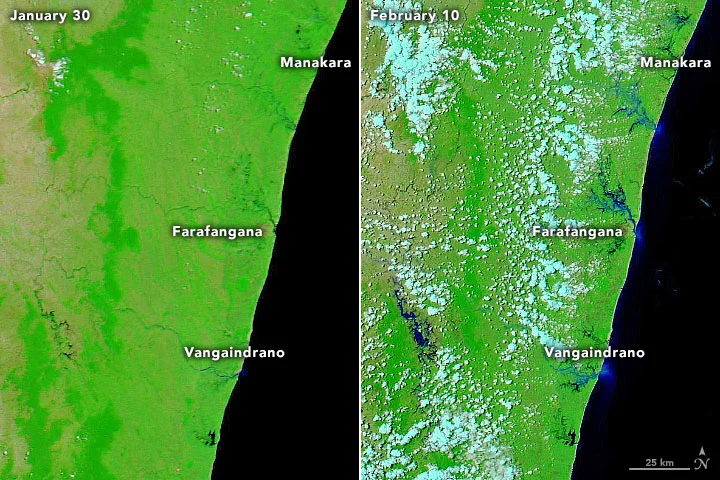
One of the main new points of the IPCC reports AR6 with respect to the previous ones is the increased confidence that global climate change induced by anthropogenic emissions is critically affecting the dynamics of weather extremes. For summer, and specifically over Europe, the AR6 report states that we are already observing prolonged periods of …[Read More]