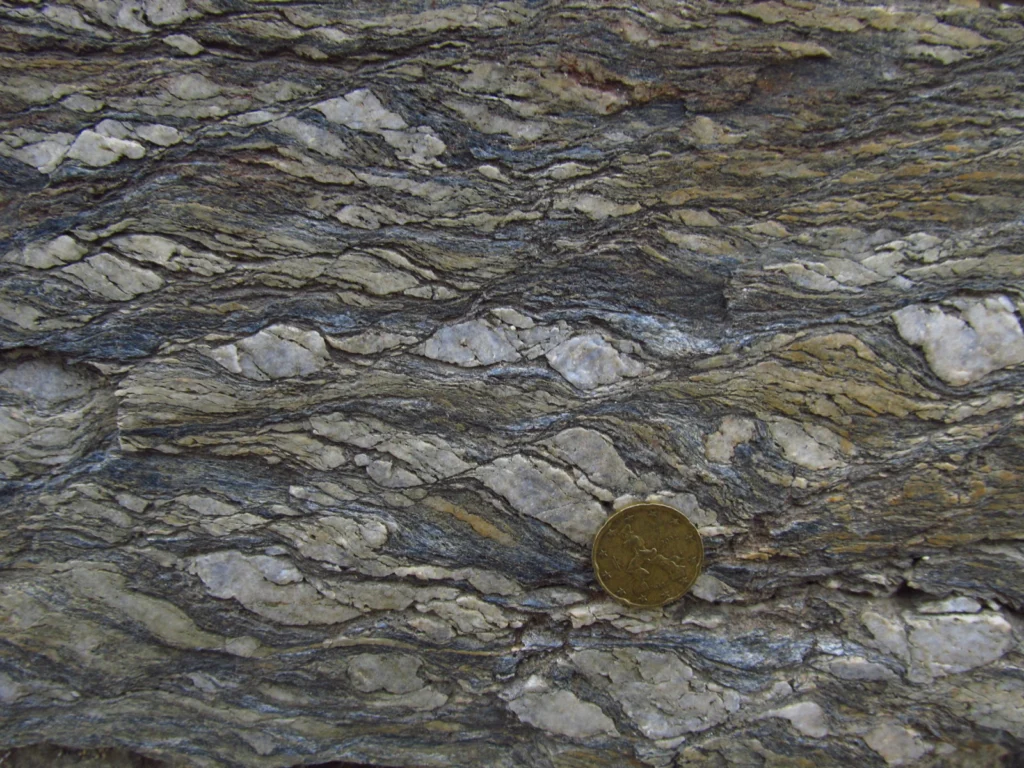
S-C mylonites developed in andalusite-cordierite micaschist (Calamita Schists) in the contact aureole of the Porto Azzurro pluton. The white layers are made of quartz, while the brown layers consist predominantly of white mica and biotite. Top-to-left (East) sense of shear. Read more: Papeschi et al (2017). Heterogeneous brittle-ductile deformation at shallow crustal levels under high …[Read More]
Latest posts
Geodynamics @ EGU 2023: Financial support and vacancies
Are you looking forward to EGU 2023? Planning to attend, either in-person or online? Here are a few things to consider. First of all, there are several options for financial support to attend the meeting. Secondly, if you are interested in playing a more active role in the coordination and organisation of EGU, we are …[Read More]
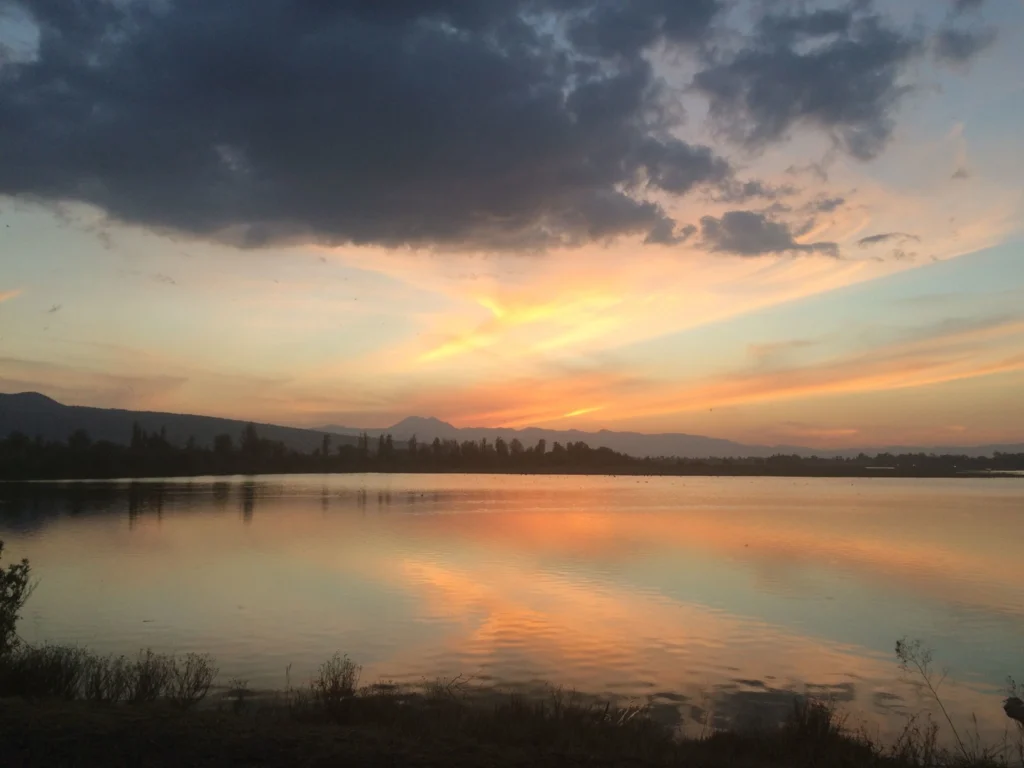
Towards a better understanding of 500,000-years climate history in central Mexico
The effects of climate change on tropical regions are in parts still poorly understood, although the tropics include some of the most populated areas in the world. Now we created an age-depth model and a moisture reconstruction of the last 500,000 years from one of the oldest lakes in central Mexico, Lake Chalco. Central …[Read More]
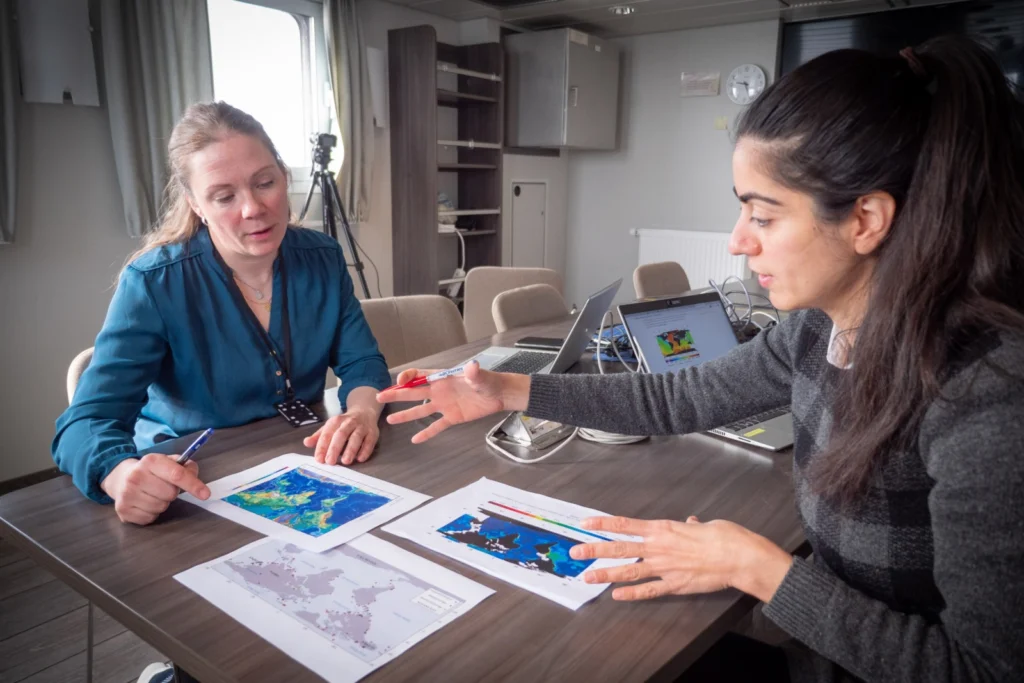
A Pedagogical Dance: EGU’s Teacher-Scientist Pairing Scheme
An email from Giuliana Panieri, a geology professor at the Arctic University of Norway (UiT) in Tromsø, cracked my pandemic bubble late last year. She invited me to join an unconventional expedition (AKMA OceanSenses) to the Arctic Ocean, where scientists worked hand-in-hand with other societal actors, to integrate different kinds of knowledge and create tools …[Read More]
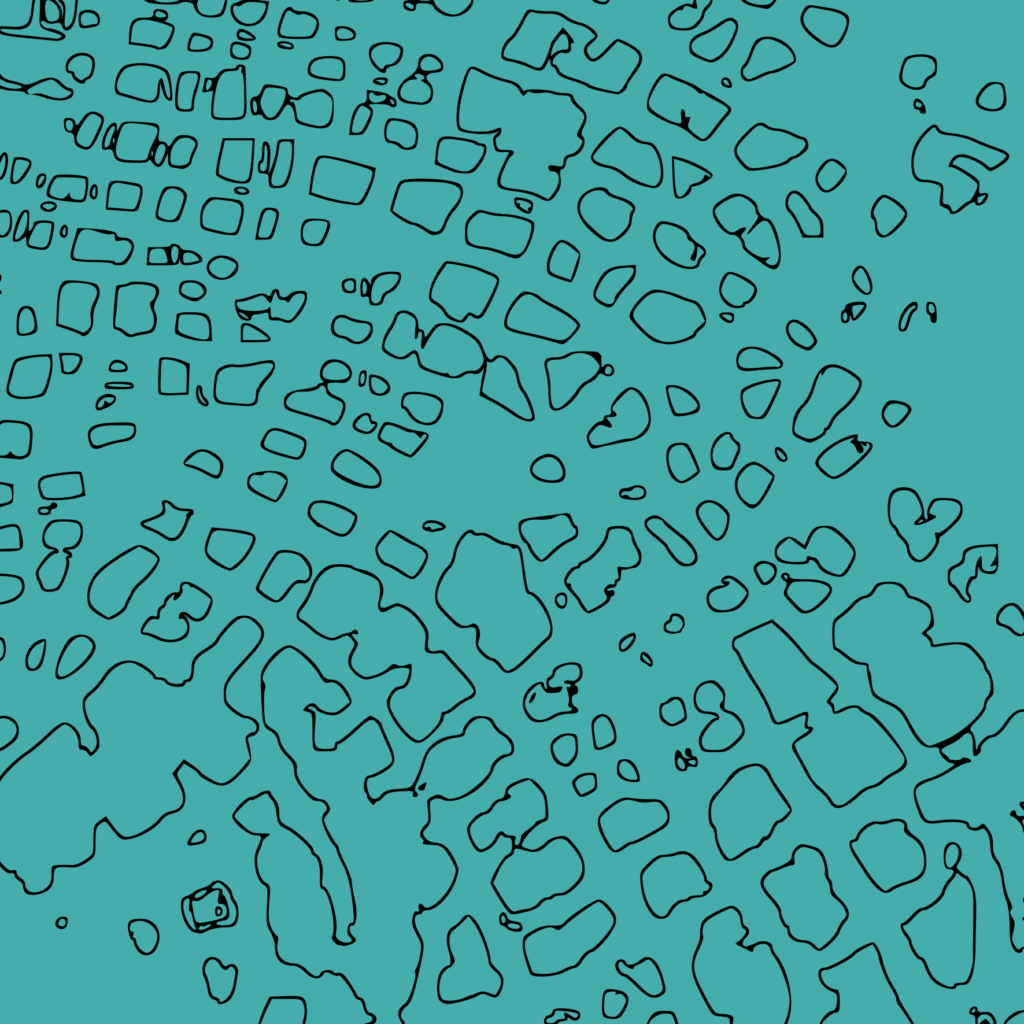
Wake up every one – permafrost microbes feasting – greenhouse gases go
I really like to combine science and art. This puts science in a larger perspective and can help understand it in different ways. And perhaps more importantly, it evokes emotion. I wrote haikus and created stencils for every chapter of my PhD thesis. I created these artworks to illustrate the dimensions of the permafrost region …[Read More]
Magnets are cool, and….. so is the Earth!
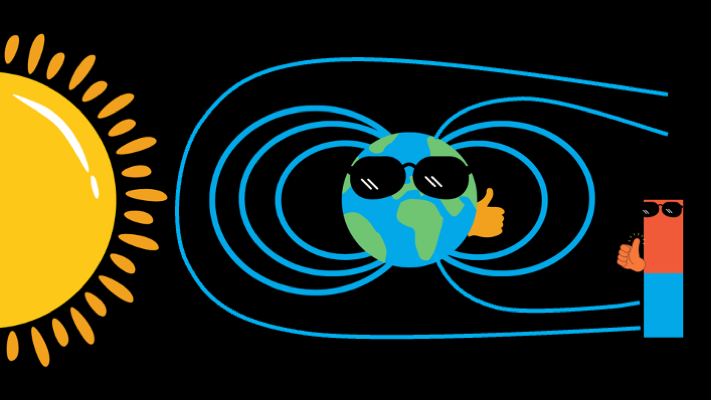
Magnets are cool, who does not like them? And the planet that we live in, the Earth, itself is a huge magnet. Not only does the Earth’s magnetic field protect us from harmful radiation from space, but it can also help us reveal some of the secrets of our planet. Local variations in the magnetic …[Read More]
Sustainable Energy Geoscientist reflects on UN’s COP27
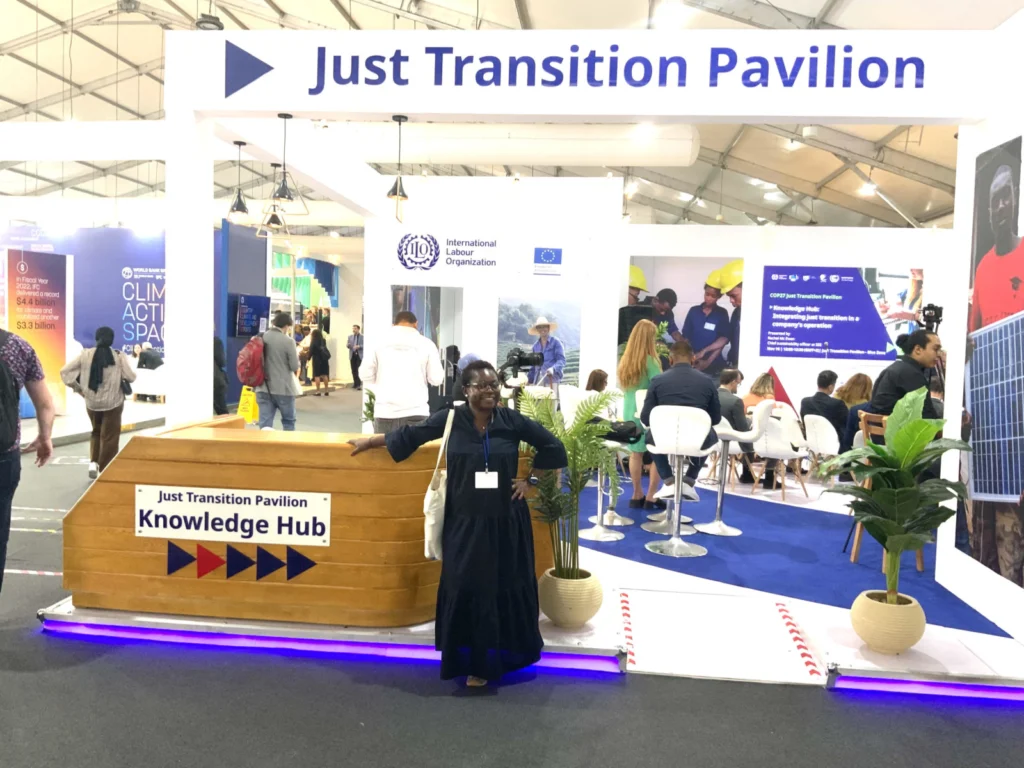
This year, from 6 to 20 November, the United Nation’s COP27 took place in Sharm el-Sheikh in Egypt. The conference hosted several high-level and side events, key negotiations and press conferences, attended by more than 100 Heads of State and Governments and over 35,000 participants who deliberated climate action strategies around the world. I had …[Read More]
A glimpse into the INTIMATE’s summer school of 2022
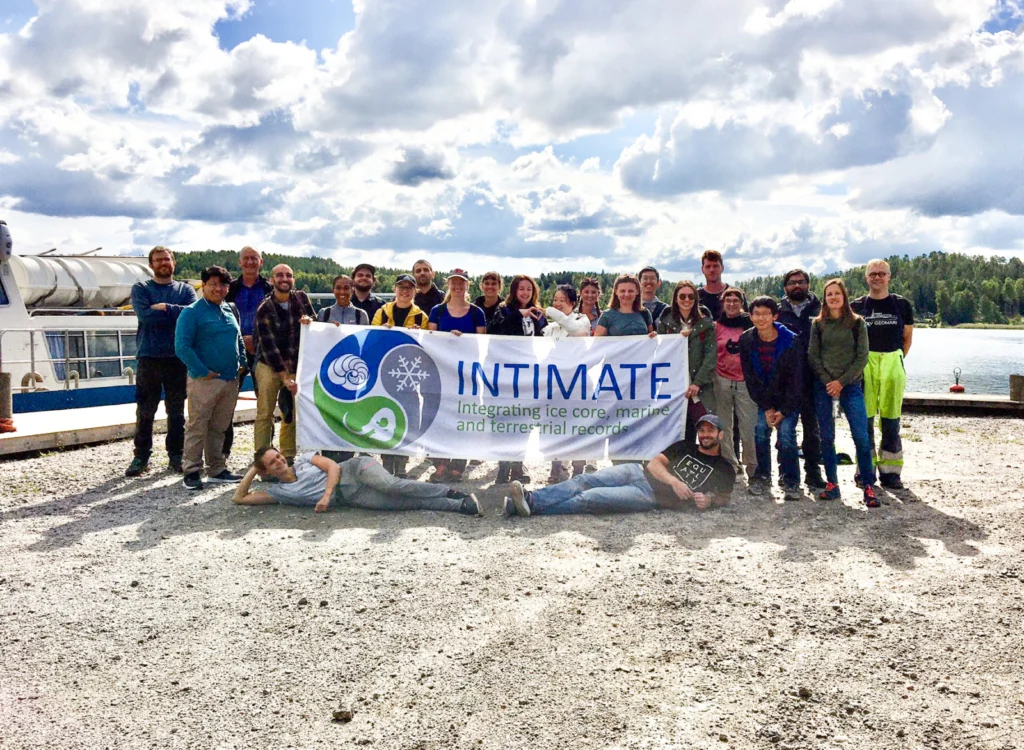
The Earth’s climate has been rapidly changing in the last decades. That’s a fact! Virtually, every one of us has been experiencing those changes in person, but how do we know that Earth’s climate has changed in the past beyond the instrumental data of the last ~200 years? From ancient manuscripts to geologic records, there …[Read More]
Imaggeo On Monday: Computing for a blank globe
A tribute to the computational geosciences. A mix of computer infrastructure, a modern workstation, and a simple globe with coastlines. Found this scene at the back of room at Miraikan – the National Museum of Emerging Science and Innovation in Tokyo, Japan. The computers, screens, and globe are behind a plexi-glass and while not intended …[Read More]
G-ADOPT: a next generation computational modelling framework for geodynamics
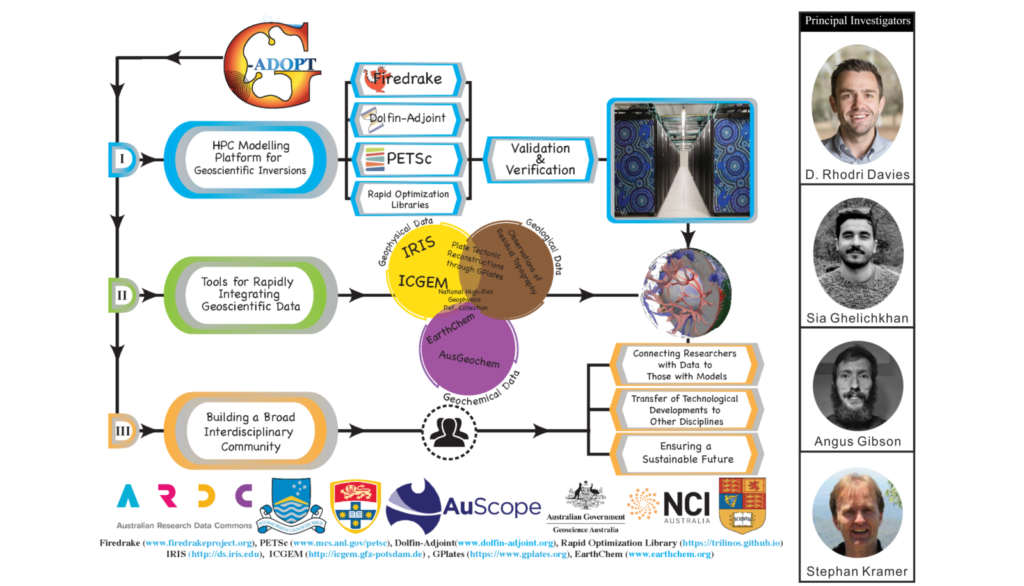
Schematic illustrating core components of G-ADOPT, an Australian based cross-NCRIS project, principally developed at the Australian National University (ANU), with partners at the University of Sydney and Imperial College London. G-ADOPT is supported by the Australian Research Data Commons (ARDC), with co-investment from AuScope, the National Computational Infrastructure (NCI) and Geosciences Australia. The Geodynamic ADjoint …[Read More]