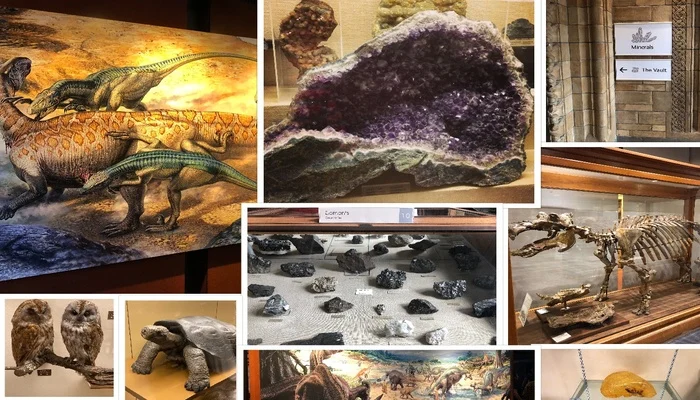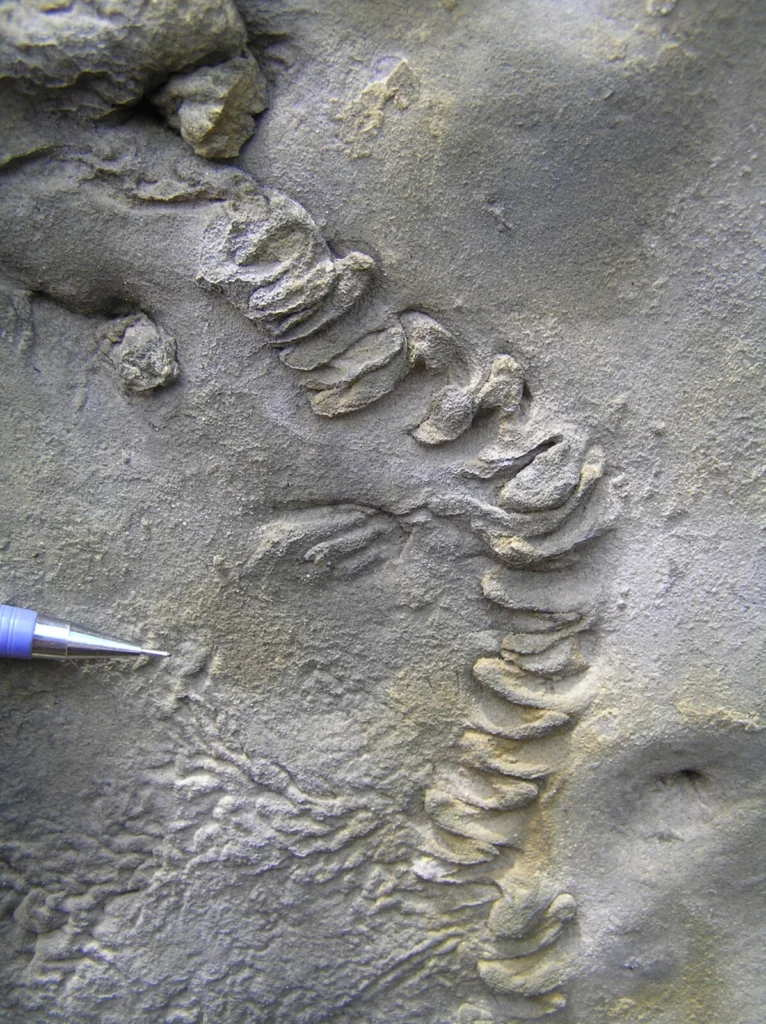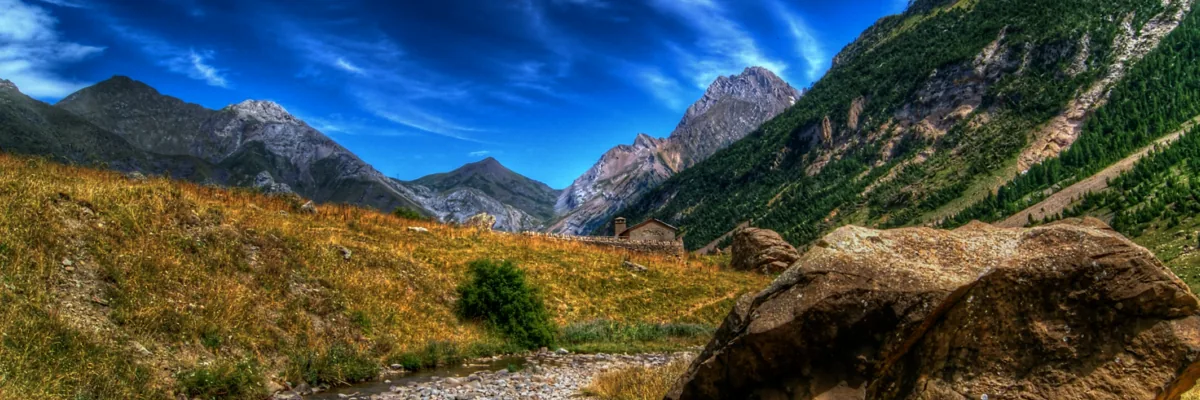
Have you ever wondered how to combine adventure with a deep dive into the secrets of our planet’s ancient past? Well, in this week’s blog, we are on a mission to take you on a journey to some of my favourite Natural History Museums around Europe. And who knows, maybe these museums might find a …[Read More]
6025 search results for "6"
If you didn't find what you were looking for, try searching again.
Meet the Scientist Shaping Space Weather Research: Prof. Yoshizumi Miyoshi on Winning the E-SWAN Kirsten Birkeland Medal 2024
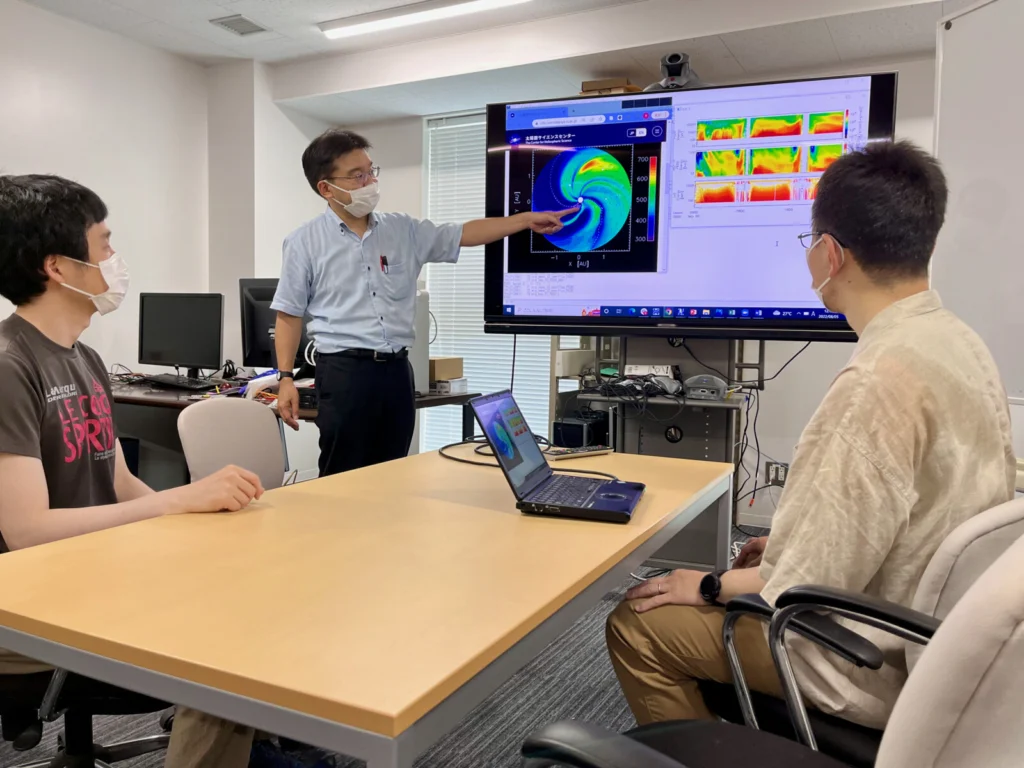
1. The Birkeland Medal honors outstanding contributions to space weather research. Can you share what this recognition means to you personally and how it reflects the broader contributions of the scientific community to space weather research? I am deeply honored to receive the Birkeland Medal and grateful to all the colleagues, mentors, and …[Read More]
A Day in the Life of a Geomorphologist: Bastian Grimm
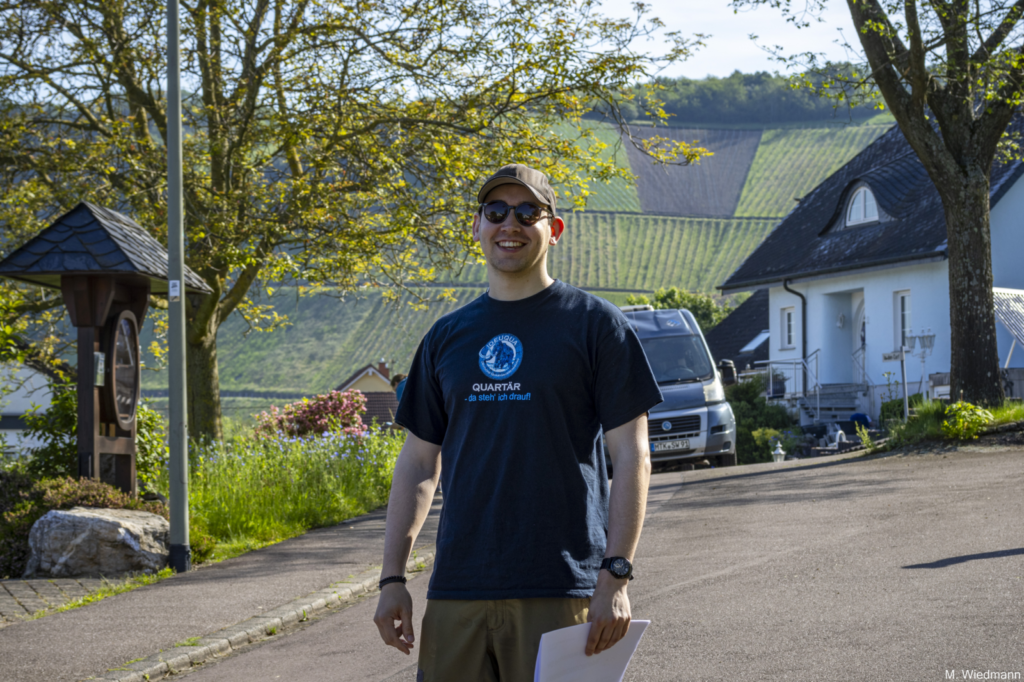
This blog post is a throwback to last year’s theme, “A Day in the Life of a Geomorphologist!” Please contact one of the GM blog editors, Emily (eb2043@cam.ac.uk) or Emma (elodes@asu.edu), if you’d like to contribute on this topic or others. by Bastian Grimm, Doctoral Student, Giessen University, Germany Email: bastian.grimm@geogr.uni-giessen.de Hi, I’m Basti! I’m currently …[Read More]
How can scientists see ice underground? Recent study reveals how!
When it comes to peering beneath the Earth’s surface, geophysicists have an arsenal of high-tech tools at their disposal. But what happens when you need to track something as elusive as underground ice forming and melting in real time? Enter borehole Ground-Penetrating Radar (GPR), the underground detective that helped Peter Jung and his colleagues image …[Read More]
Silent voices, trapped minds.
In this week’s blog post, Katherine Villavicencio (University of Chieti – Pescara) looks into the world of the mind and the mental-health issues that can result by the pressure behind a research project, such as a doctoral thesis. Here, through a personal reflexion ,she explores the main reasons that can lead candidates to suicidal thoughts, …[Read More]
Hw to get involved in Science-to-Policy in the Biogeoscience Division
As scientists we possess invaluable expertise that can help shape evidence-informed policies, and decision-makers in the EU are increasingly recognising the importance of scientific input. The EGU can play a key role in this process, with its advice already being considered in major policy developments such as the Nature Restoration Law. As part of these …[Read More]
Building Disaster Resilience Through Trust and Risk Awareness: Insights into Natural Hazards
Trust in institutions and scientific experts plays a pivotal role in Disaster Risk Reduction (DRR). This trust becomes even more critical for natural hazards—events often unpredictable and uncontrollable. Trust can shape individuals’ willingness to heed warnings, adopt precautionary measures, and participate in community preparedness initiatives. Conversely, distrust in institutions may lead to non-compliance, scepticism toward …[Read More]
Why Earth and Space Sciences need to dismantle the cis-het-white boys’ club
The Earth and space sciences, like many STEM fields, have long been dominated by a narrow vision of who belongs. But the tide is turning. A 2023 workplace climate survey of Earth and space scientists highlights both the persistent barriers queer and other historically excluded scientists face and the urgent need for cultural shifts within …[Read More]
Broadening our Understanding of Bird Ichnology through Neoichnology
Introduction Bird footprints are some of the most recognizable traces in the fossil record. Yet birds exhibit a wide variety of behaviours which may be preserved as ancient traces. Records include feeding traces like probing, nesting structures and possibly coprolites, but the study of the traces left by modern birds extends their scope to courtship-related …[Read More]
Going Around Mars
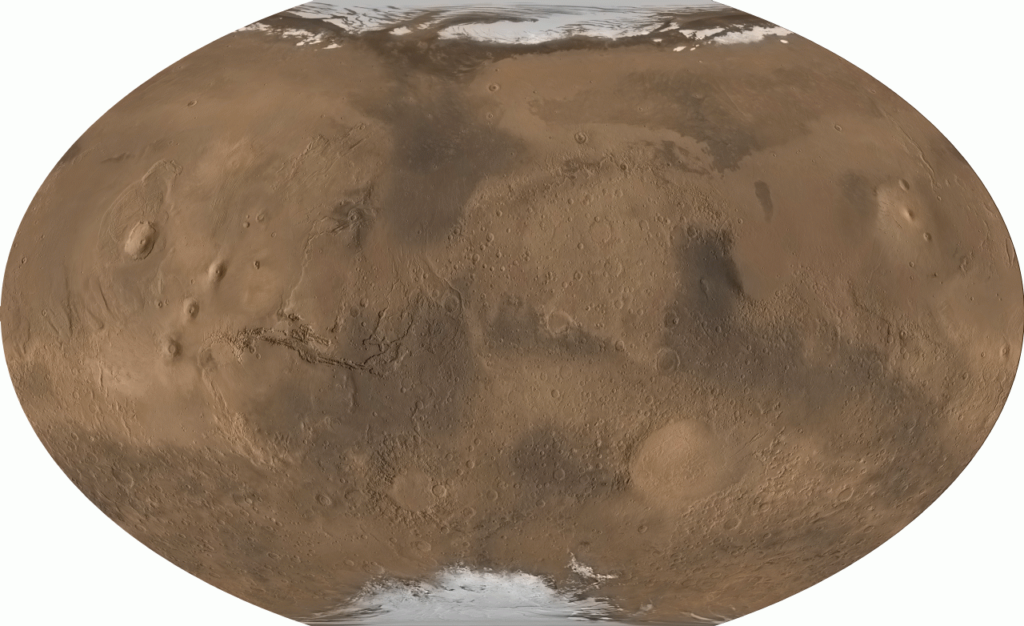
One of our closest neighbors in the universe, the red planet, has long intrigued geoscientists. Mars has been the destination for multiple spacecraft missions. Two rovers, Curiosity and Perseverance, are still exploring the planet as of 2025. This week, let us go on a short tour around Mars and show a little love to this …[Read More]