Every leadership transition marks the beginning of a new chapter, bringing fresh perspectives, new priorities and opportunities for growth. This year, the EGU Geodynamics Division warmly welcomes Professor Laetitia Le Pourhiet as its new president. A renowned researcher at the Institut Universitaire de France and Sorbonne Université, Prof. Le Pourhiet steps into the role with …[Read More]
1081 search results for "early career scientists"
If you didn't find what you were looking for, try searching again.
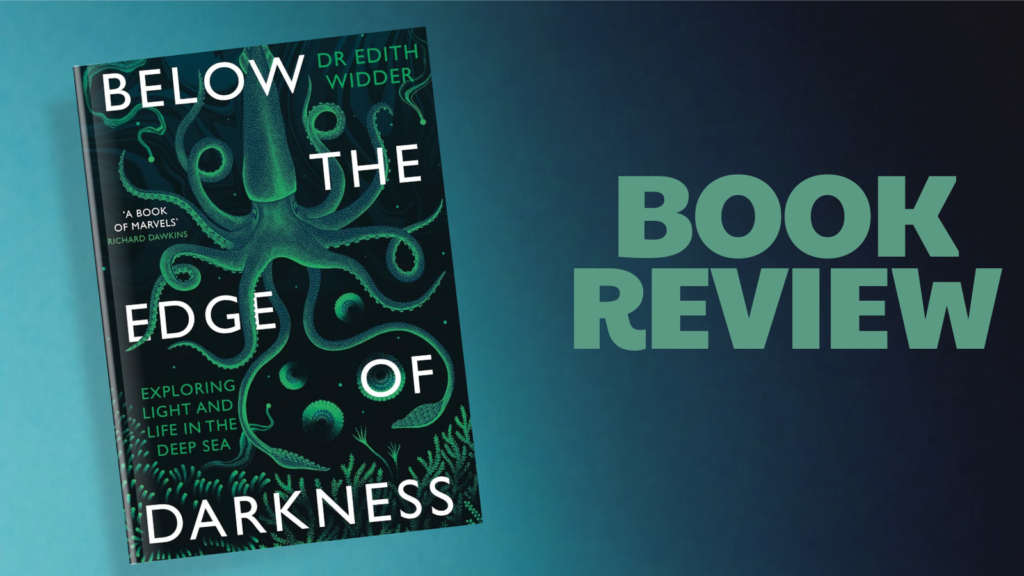
Book Review: Below the Edge of Darkness by Edith Widder
Welcome to our new blog series, where we explore the fascinating world of oceanography through the lens of literature. Each post will feature book recommendations that involve the wonders of the ocean, from the imaginative realms of maritime science fiction to the educational pages of science nonfiction. Like Captain Ahab chasing Moby Dick, we’ll hunt …[Read More]
We want you! Join the EGU Natural Hazards Blog Team
Are you passionate about natural hazards? Do you want to explore and enhance your science communication skills? The EGU Natural Hazards Division Blog seeks beautiful minds to become enthusiastic new editors and join our diverse and inclusive team. The blog serves as a platform for the natural hazards community to share updates on the latest …[Read More]
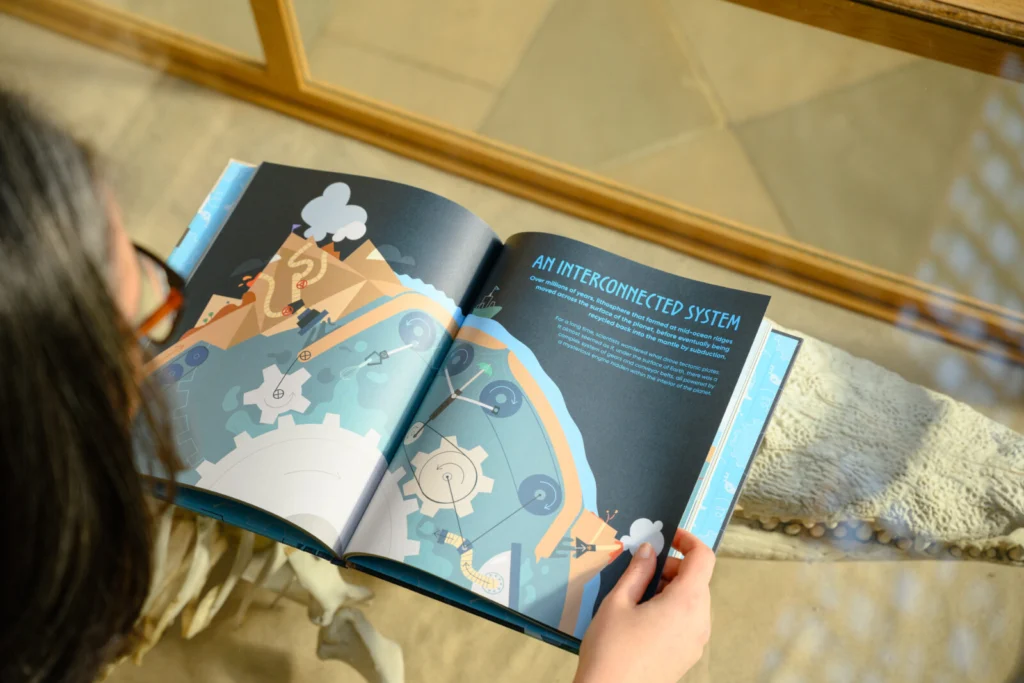
A Geoscientist’s Colorful Journey from Research to Children’s Books
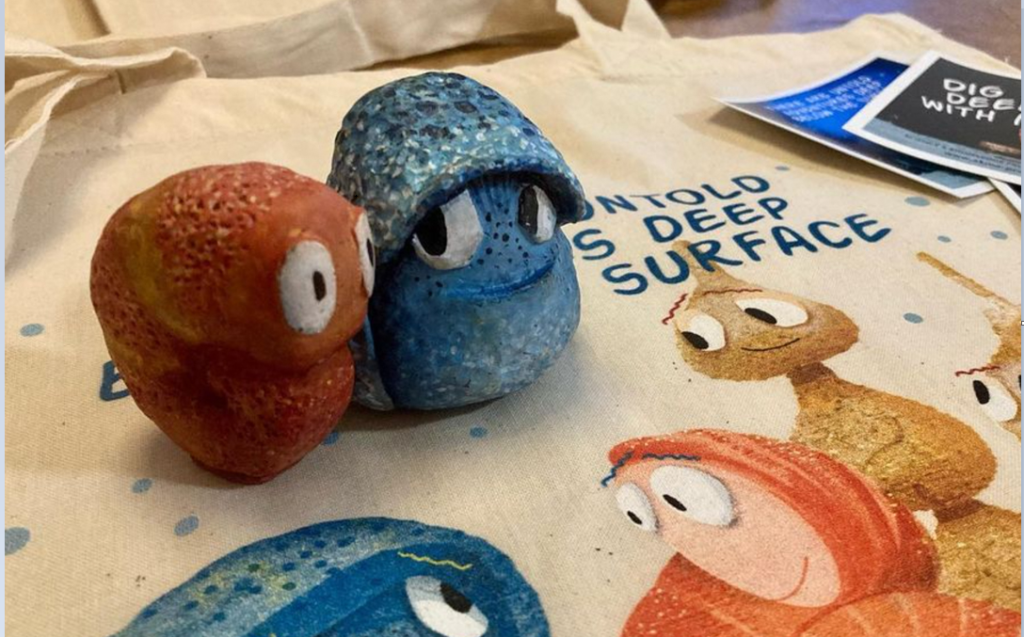
In today’s blog we’re having a chat with our very own Dr Lucia Perez-Diaz. As Lucia put it at the start of this year’s General Assembly, us scientists get to wear many “hats”, and she lives up to that statement. Besides a brilliant geoscientist, she is an incredible artist – also featured as last year’s …[Read More]
Interview with ERE Outstanding ECS Awardee Iman Rahimzadeh Kivi
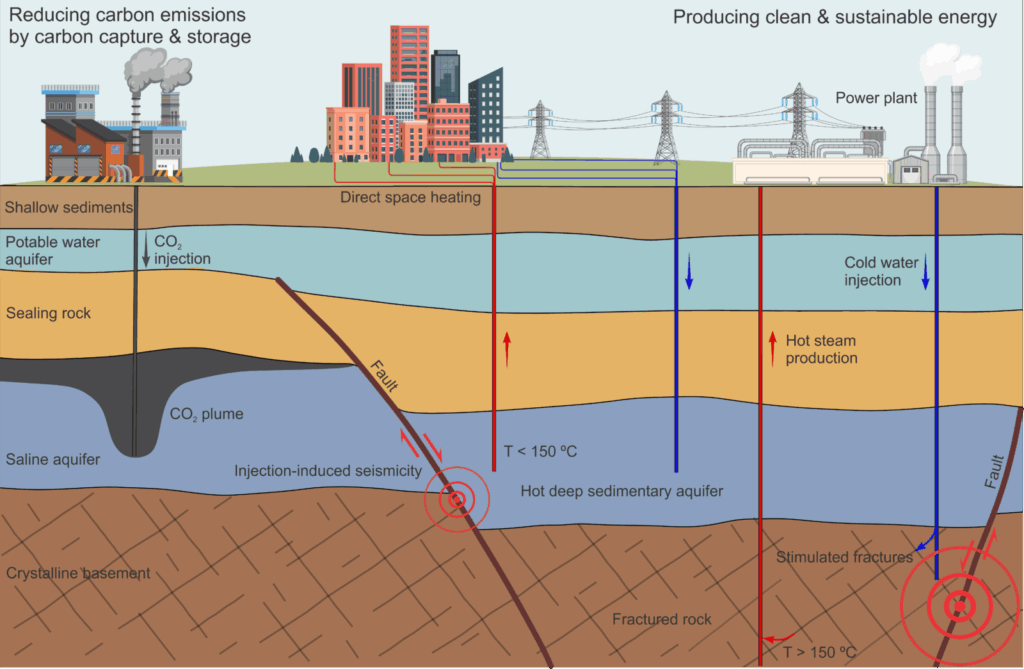
Congratulations for being awarded this years Early Career Scientist Award of the ERE division! Can you tell us a bit about yourself (not only about your work life)? Thank you so much! I am delighted to receive this award and grateful to the European Geosciences Union for this recognition. I am an engineer and a geoscientist …[Read More]
What’s on at EGU25: highlights from the Outreach and Education Committees
There are so many great events to participate in at EGU25 this year, in both on-site and virtual formats, that it can be very easy to feel overwhelmed. Whilst we encourage you to make good use of your Personal Programme to help organise your activities, we also reached out to several of EGU’s Committees that …[Read More]
Final guide to get ready for EGU25 with the Climate Division!
Dear climate community, With the EGU General Assembly 2025 approaching (27 April – 2 May), it is time to start preparing your programme and planning your week. We’re looking forward to another exciting and engaging General Assembly — a unique opportunity for geoscientists across career stages to present their research, exchange ideas, and expand …[Read More]
Seismology Division Events for GA EGU25
Hello fellow Seismologists! The exciting time of the EGU General Assembly is upon us, and we are looking forward to reconnecting with all of you at EGU25. Through this blog, we would like to bring your attention to the events that are organised by the Seismology Division and ECS Representatives of the Seismology Division during …[Read More]
Queer Quarterly: What does queer visibility mean in academia?
Queer Quarterly is the blog series of the EGU pride group, a LGBTQIA+ team of geoscientists engaged to uphold and improve the rights of the community in the EGU organization. This week’s post is dedicated to allyship: how people outside of the community can support our efforts. The term LGBTQIA+ is the abbreviation for Lesbian, …[Read More]
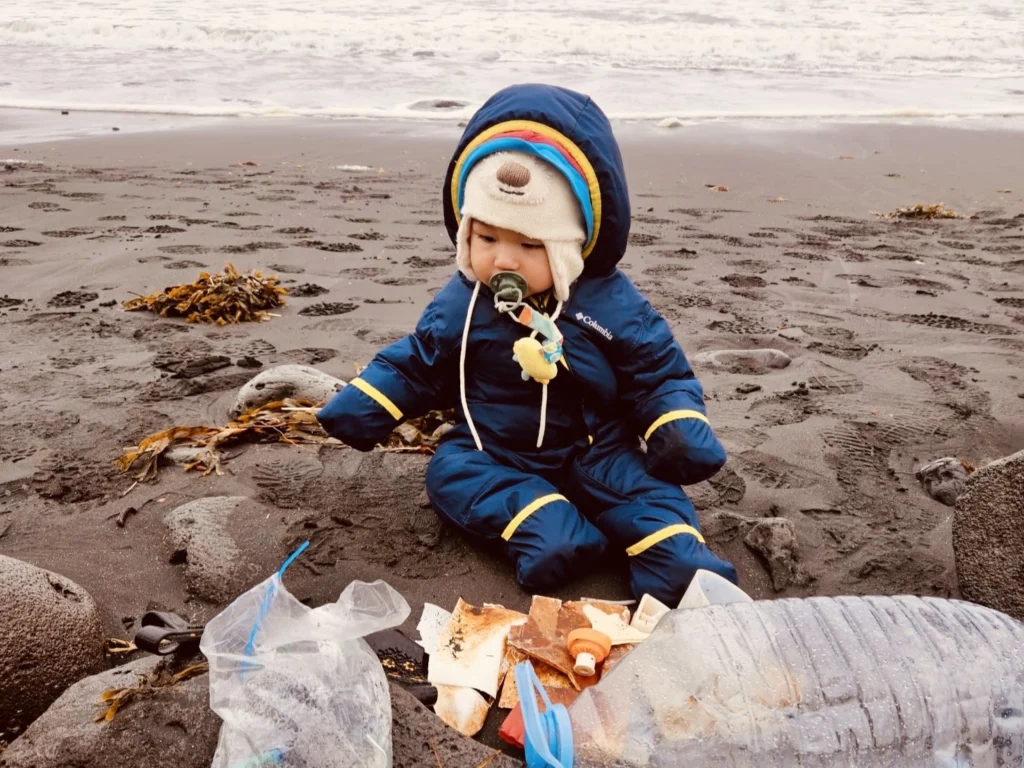
Hold my Baby: Improving Institutional Policies of Parenting and Field-based Research
We are researchers. Researchers are people. People sometimes have children. These are three simple statements (and fundamental truths) that are often overlooked by institutional and funding policies, leading to a disconnect between the demands of research and the responsibilities of parenthood. Especially in field-based research, which is typical in the geosciences, rigorous expectations of long …[Read More]