From the very early years on this Planet, earthquakes have always captivated people’s attention. The feeling of admiration and fear always lies within us, especially drawing on the most recent megathrust earthquake that hit the south coast of Kamchatka’s Peninsula, in Russia, twice this year. Therefore, in this week’s blog, we aim to explore how …[Read More]
6000 search results for "6"
If you didn't find what you were looking for, try searching again.
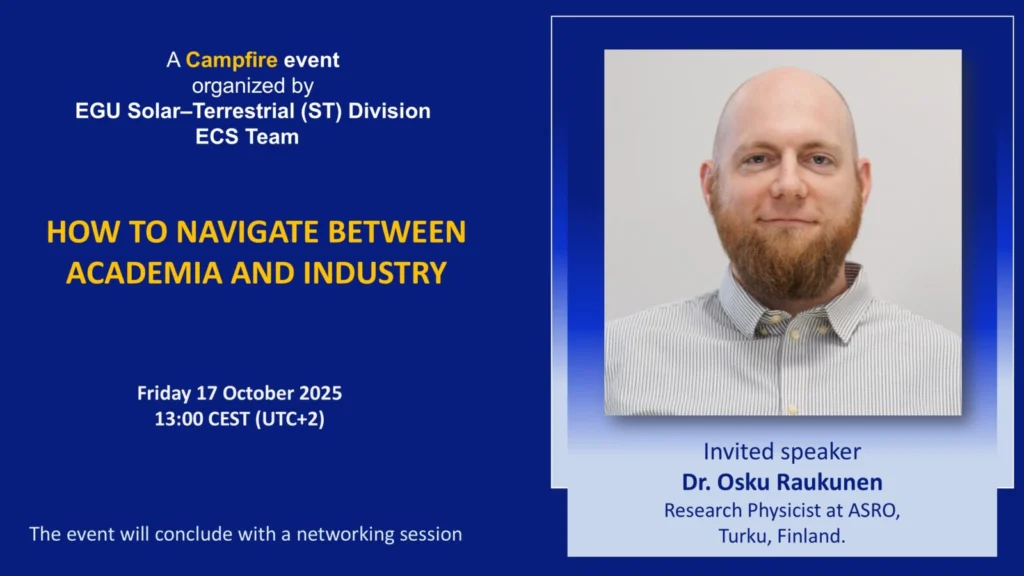
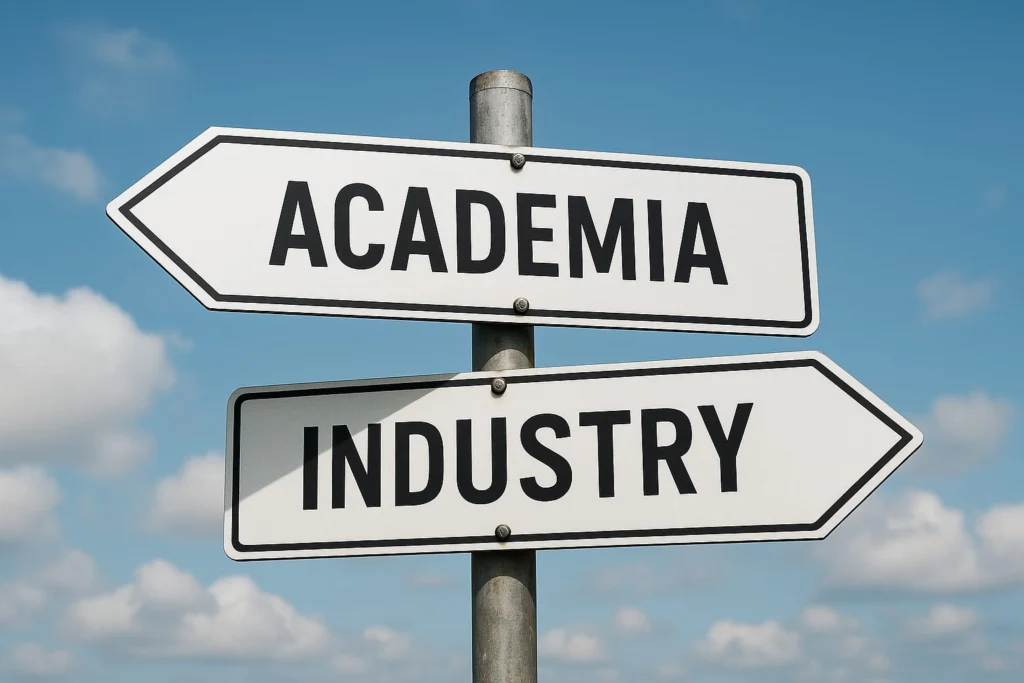
ST-ECS Networking Campfire: “How to Navigate Between Academia and Industry”
For many early-career scientists, one of the big questions is whether to pursue a career in academia, move into industry, or find a path that bridges both worlds. Each sector offers unique opportunities and challenges, and learning how to navigate between them can help you make confident, informed career decisions. To shed light on this …[Read More]
GeoRoundup: the highlights of EGU Journals published during September!
Each month we feature specific Divisions of EGU and during the monthly GeoRoundup we put the journals that publish science from those Divisions at the top of the Highlights section. During this month, we are featuring Seismology (SM) and Climate: Past, Present & Future (CL). They are represented by the journals Geoscientific Model Development (GMD), Solid …[Read More]
Highlighting: Waterfalls!
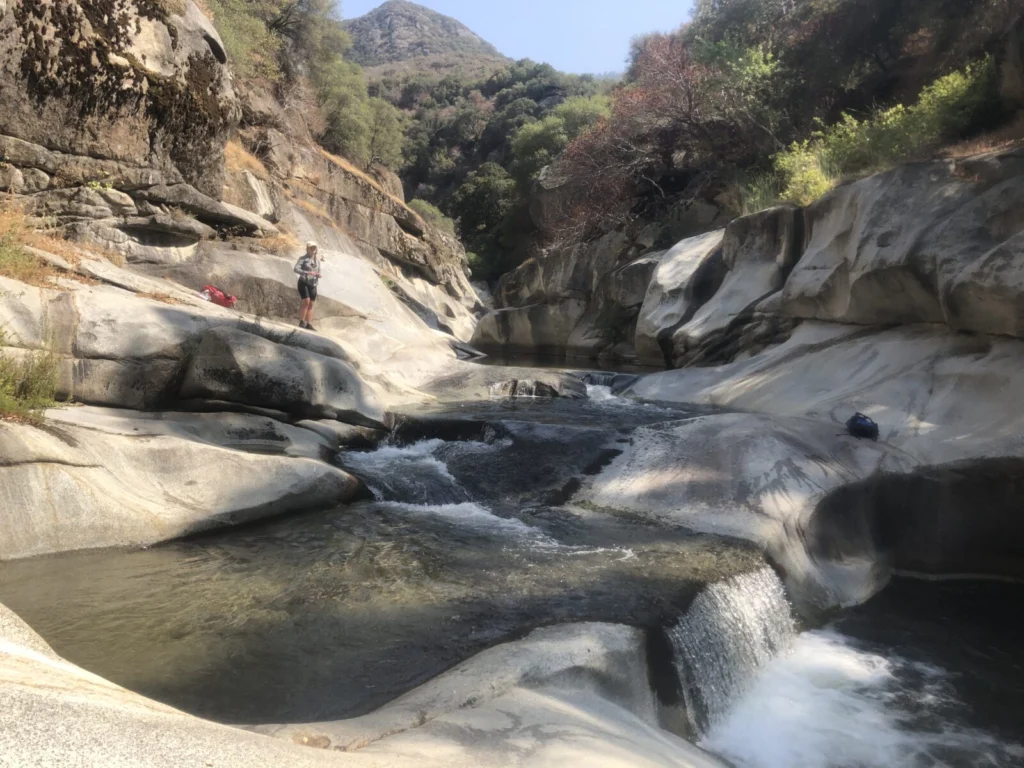
This blog post is part of our series: “Highlights” for which we’re accepting contributions! Please contact Emma Lodes (GM blog editor, elodes@asu.edu), if you’d like to contribute on this topic or others. by Sophie Rothman, Postdoctoral fellow, Géosciences Environnement Toulouse. Email: Sophie.rothman@get.omp.eu My PhD research at the University of Nevada, Reno, focused on how waterfalls …[Read More]
Seeing Geodesy clearly – suitable colours for effective and inclusive visualization
Effective scientific communication of geodetic research often relies on clear visualizations, and colours are needed to make complex data much easier to understand. However, traditional colormaps don’t always provide the needed clarity and can be especially challenging for people with colour-vision deficiencies (CVD). In this post, we will first describe what CVD is and how …[Read More]
Working in industry during your PhD
A guide for early career researchers exploring opportunities beyond academia Pursuing a PhD often starts with the assumption that your next step will be a postdoc, followed by a tenure-track position. But, for a number of reasons, many early career researchers are starting to look beyond academia. Industry careers represent an appealing alternative as they …[Read More]
Geomythology. True science and/or strong communication medium ?!
Geomythology is a relatively recent term, coined by Dorothy B. Vitaliano in 1966. It represented the birth of what will become a new multidisciplinary approach, aimed not only at explaining the geological meaning of natural phenomenon behind long-told folklore (myths and legends), but also at bridging the communication gap between scientists and non-scientists (Vitaliano, 1973). …[Read More]
The Sassy Scientist – Gone but not forgotten: a tribute
Between protests and strikes, I finally found some time to answer some questions. In case you are not aware – idk how that’s possible… do you live on Neptune? – everything is on fire, has been for a long time tbf. So I chose Michel’s question. They ask: I’m lost. I feel like I don’t …[Read More]
Introducing the TIMES initiative
TIMES is the acronym of a large-scale international science initiative “Time Integrated Matrix for Earth Sciences” (Link: https://www.codd-home.net/times/). The idea is to launch a global program with the aim of synchronizing age models for particularly important geological climate records from the past 100 million years. The motivation for this program is given in a white …[Read More]
Call for input: A Fisherman’s Guide to Marine Carbon Dioxide Removal
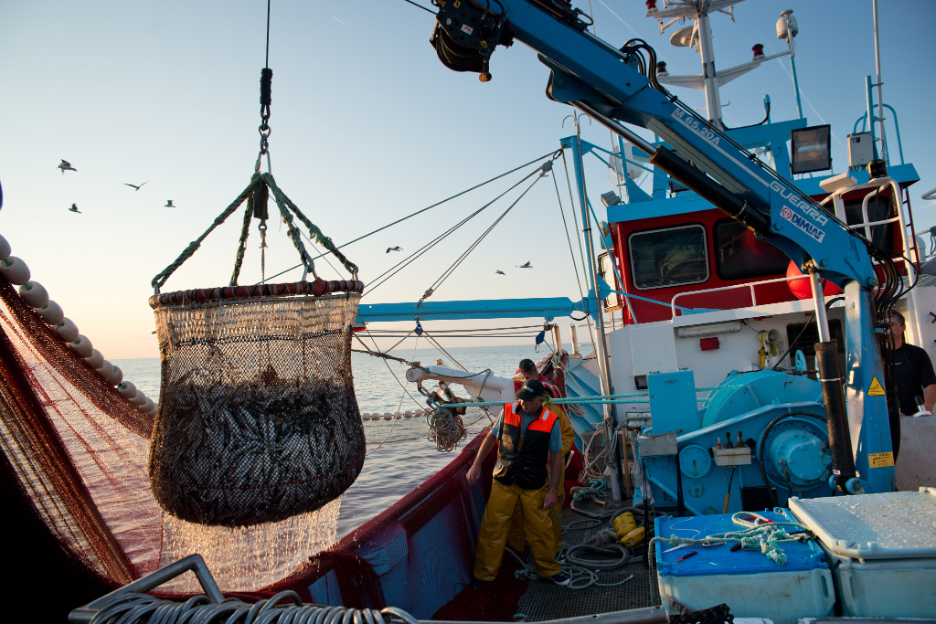
As climate change continues to reshape our oceans, science communication remains vital to the research and development of mitigation strategies. For scientists and engineers working on climate solutions, much of the conversation happens through technical papers, conference presentations, and policy memos. But invested communities outside these circles may have little access and limited time to …[Read More]