
The EGU General Assembly is around the corner, and we would like to advertise the events the Early-Career Scientist (ECS) Team of our Division have been preparing to create networking opportunities for ECSs. Solar-Terrestrial ECS Drinks: preGA Icebreaker Get-together for all ST ECSs before the opening reception. We’re meeting up at 15:00 hours in front …[Read More]
2110 search results for "researcher"
If you didn't find what you were looking for, try searching again.
Join the EGU GD Blog Team!

Meet the ECS team: Your Go-To Contacts for EGU General Assembly 2024
Hey there dear geodesy ECSs, EGU is right around the corner. We wanted to check in and make sure that you are navigating around a bit better. Maybe you are not sure who to ask about the ECS dinner, networking opportunities at GA, or how to get involved with our team or within EGU, or …[Read More]
Call for Blog Contributions: The HydroData Chronicles
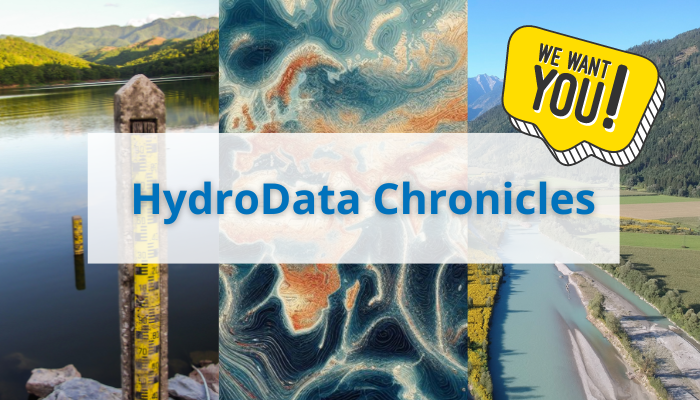
We’re thrilled to announce the launch of our newest blog series dedicated to exploring the fascinating world of hydrological datasets. Join us on this exciting journey as we uncover the hidden stories within hydrological data. By highlighting cutting-edge research, insightful analyses, and captivating data, we aim to shed light on the intricacies of hydrology and …[Read More]
GeoPolicy: Dive into science for policy at EGU24
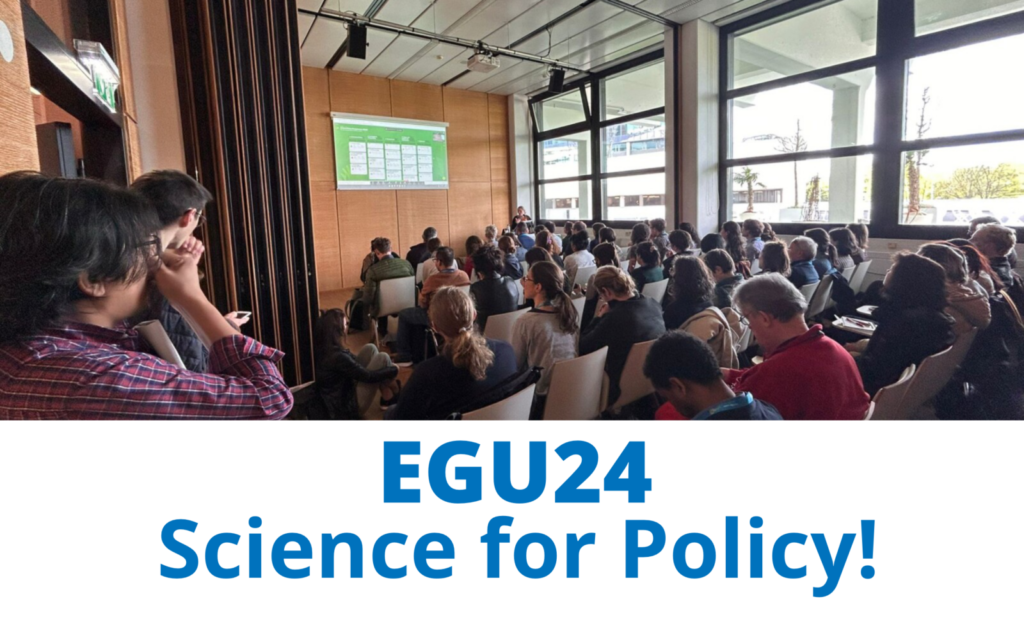
Each year, the EGU General Assembly hosts a wide range of scientific and skills-based sessions as that you can participate in to learn about new research, expand your network, diversify your expertise, and develop new skills! This includes an array of sessions that focus on science for policy, outlining how researchers can start engaging in …[Read More]
The joy of collecting snow meltwater: a problem-solving hunt for meltwater in Northern Finland
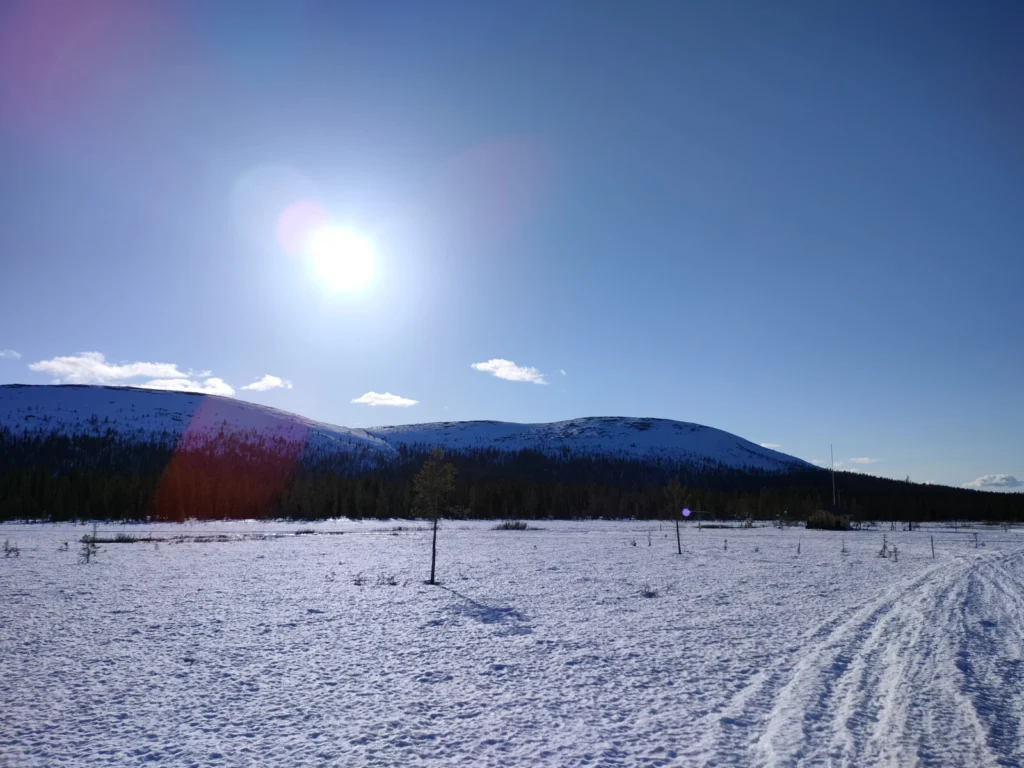
We know that climate change is affecting many aspects of what we have considered “stable” throughout a long period of modern times. One of many impacted and changing factors is snow and thereby also snow meltwater. One way to study meltwater is to trace it by the usage of stable water isotope signals and we …[Read More]
EGU24: The return of GeoCinema!
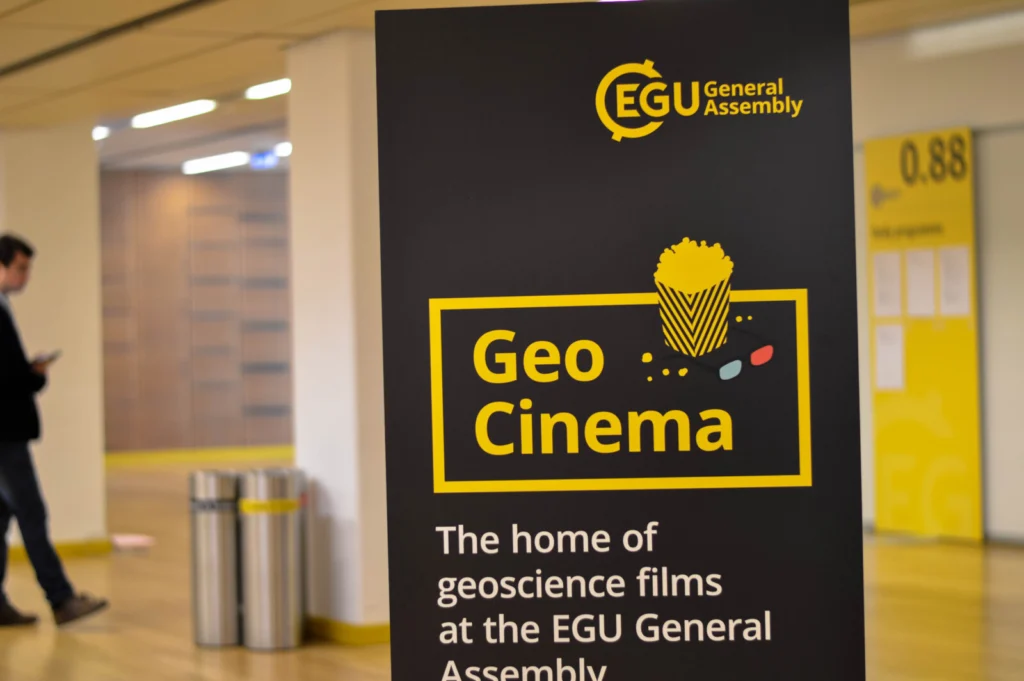
After a six year hiatus, GeoCinema is back for EGU24! As many of you know, doing science is very rarely just about the research, but also involves sharing that research in several forms and formats. For many talented researchers this means using films. Either working with a film-maker or creating something themselves, several of our …[Read More]
Playing by the rules: the EGU24 Code of Conduct
Are you ready?! EGU24, Europe’s biggest meeting for Earth, planetary and space science research, is now a little over a week away! As we ready our calendars to make the most of the conference week, we’d like to remind our community that EGU is strongly committed to the principles of inclusivity and diversity and we …[Read More]
EGU General Assembly: Geodynamics Division

The EGU General Assembly is fast-approaching! This week, we interview two members of the Geodynamics Division team – Jeroen van Hunen and Garima Shukla – to hear their thoughts on the upcoming General Assembly. We’re also sharing all of the key events planned by the Geodynamics Division to add to your conference program. The Geodynamics …[Read More]
Did you know? We can see what’s going on inside an ice shelf using geophysics!
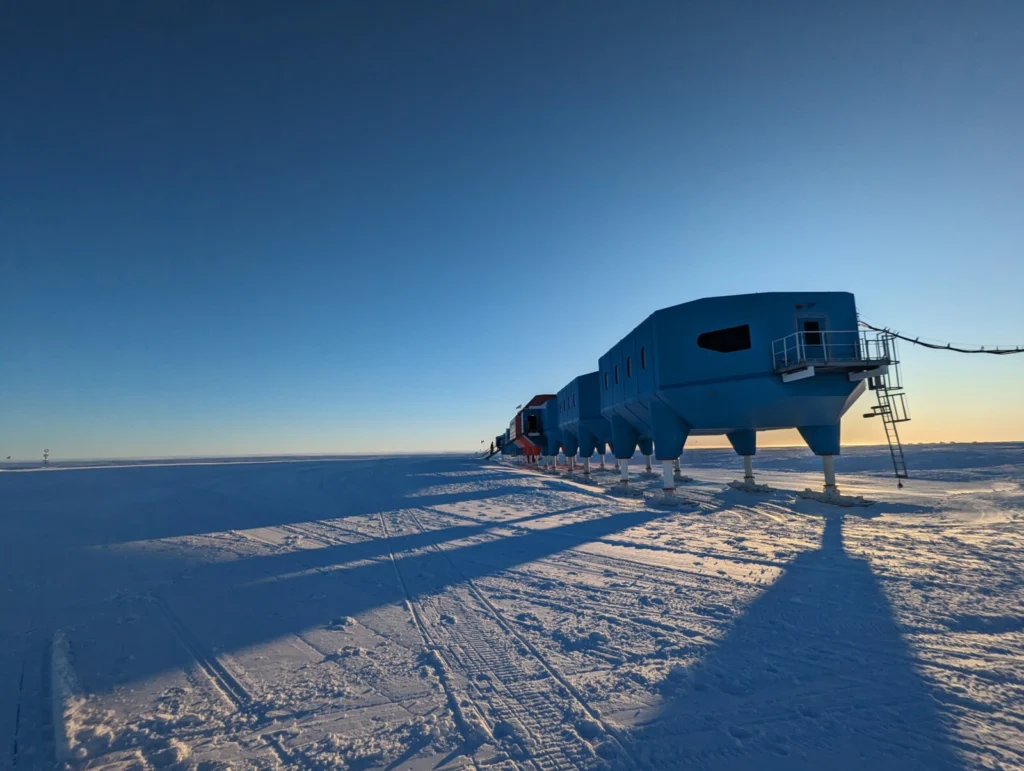
Understanding what is going on inside an ice shelf is important for many reasons. But mostly, it allows us to better understand their contribution to sea level rise, and to understand how they are changing and evolve over time, with our changing climate. Geophysical methods offer a means to be able to see inside an …[Read More]