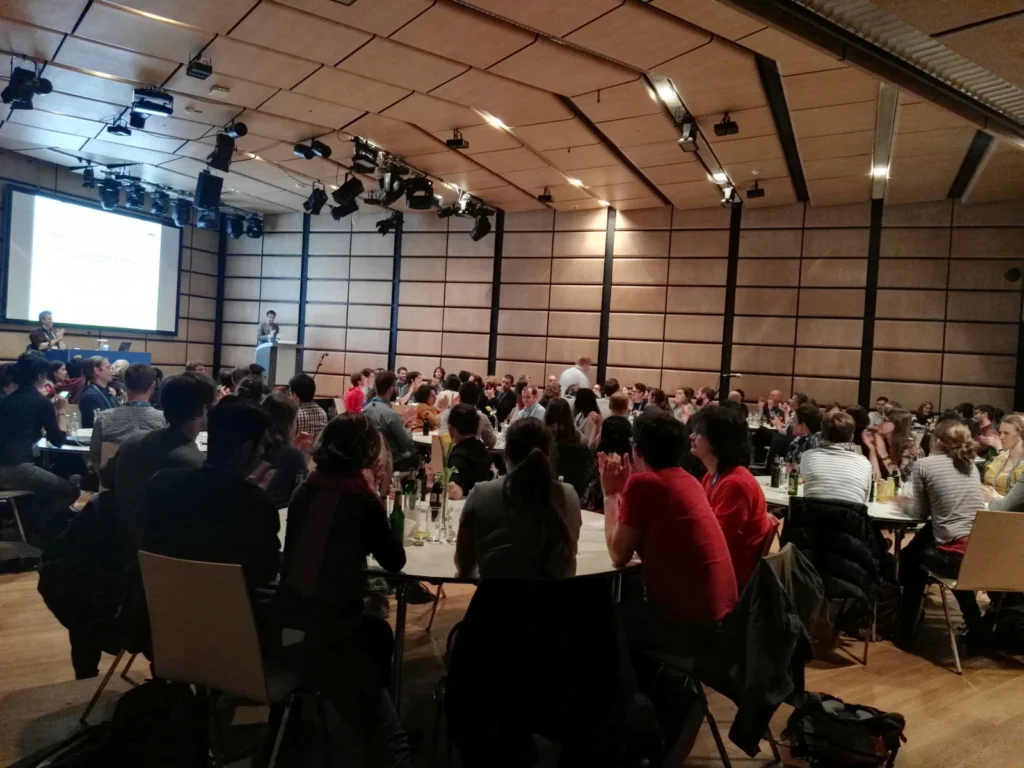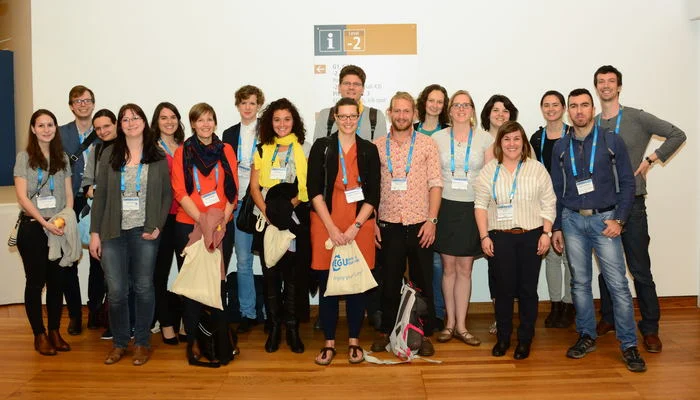
Here’s a tricky question for you. Try and name a woman in geoscience who has won an award for their studies in the last 5 years? How about a man? Chances are it is much easier to think of a male geoscientist who has won an award than a female one, but is that because more men win awards in geoscience than women (compared to the number of male and female geoscientists)? This was the question that w ...[Read More]
If you didn't find what you was looking for try searching again.
Cryospheric Sciences
Image of the Week – Canyons Under The Greenland Ice Sheet!
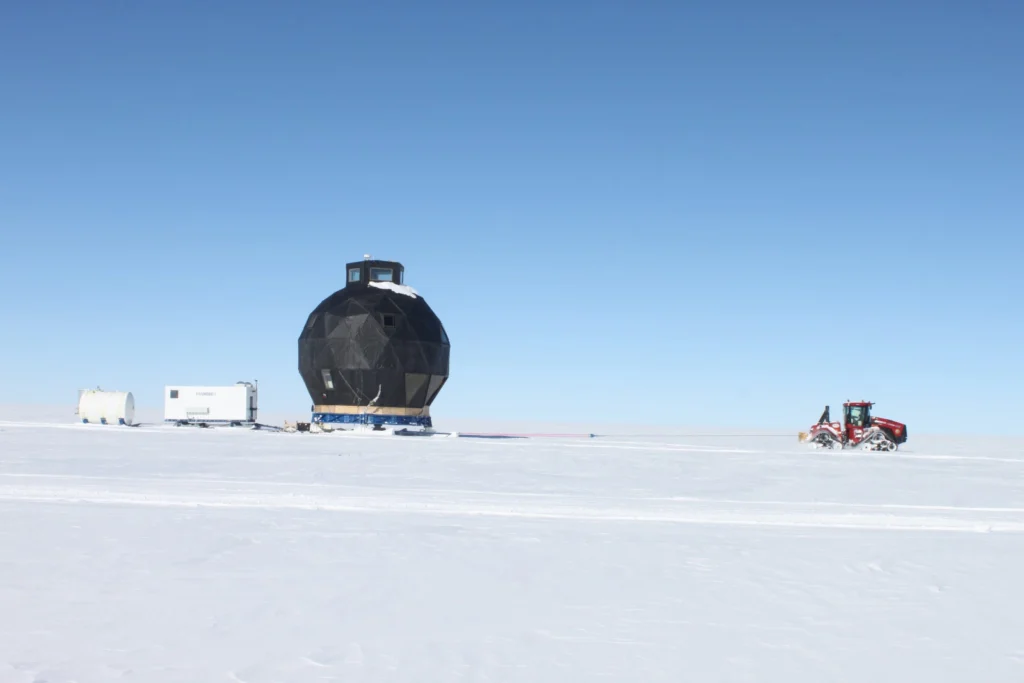
The Greenland Ice Sheet contains enough water to raise sea level by 7.36 meters (Bamber, et. al. 2013) and much of this moves from the interior of the continent into the oceans via Jakobshavn Isbræ – Greenland’s fastest flowing outlet glacier. An ancient river basin hidden beneath the Greenland Ice Sheet, discovered by researchers at the University of Bristol, may help explain the loca ...[Read More]
GeoLog
Finding Funding: a how to guide to applying for research grants
Drafting your first grant proposal can be daunting. Grant writing improves with experience, so how do early career scientists compete on an equal footing with those who are more established? At this year’s General Assembly we tackled this very question at the Finding Funding (SC46) short course. Grant Allen, an atmospheric scientist, who has plenty of experience in applying for funding spoke abo ...[Read More]
Cryospheric Sciences
Marine Ice Sheet Instability “For Dummies”
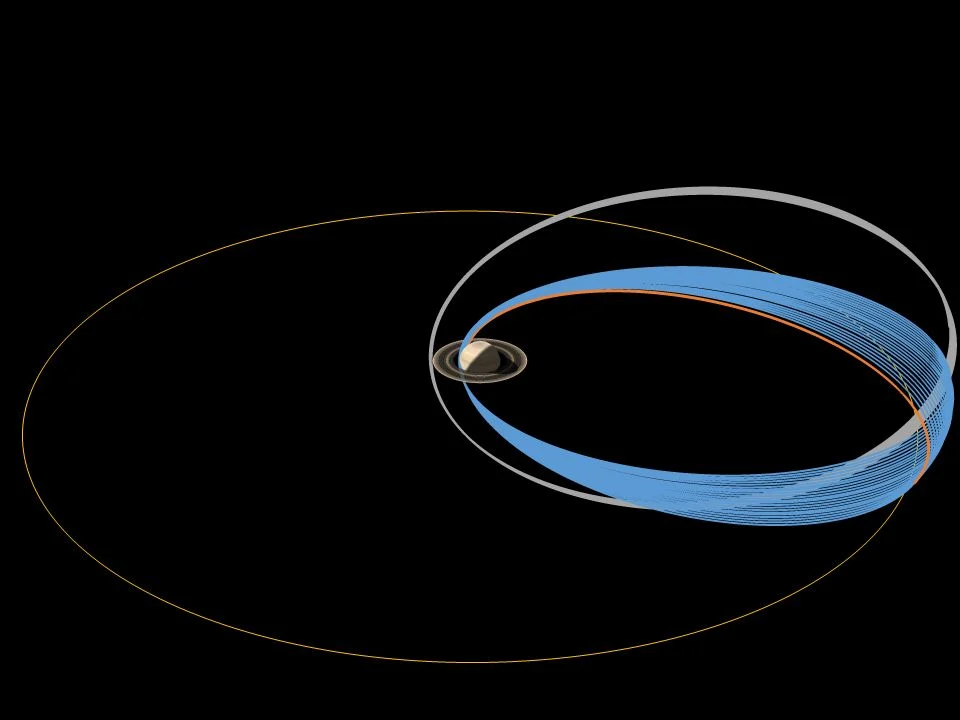
MISI is a term that is often thrown into dicussions and papers which talk about the contribution of Antarctica to sea-level rise but what does it actually mean and why do we care about it? MISI stands for Marine Ice Sheet Instability. In this article, we are going to attempt to explain this term to you and also show you why it is so important. Background The Antarctic Ice Sheet represents the larg ...[Read More]
GeoLog
Imaggeo on Mondays: A sunrise over Kelimutu’s three-colour lakes
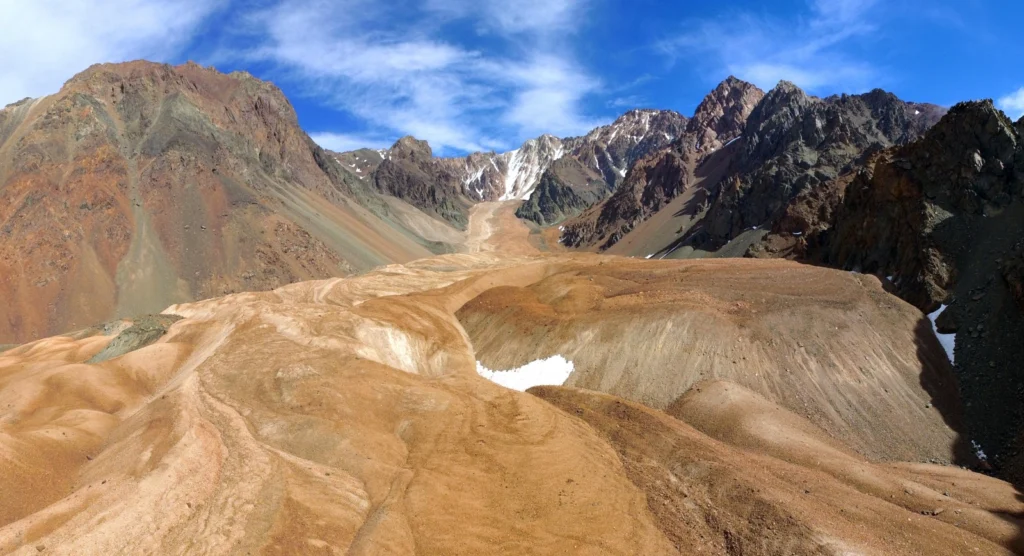
Volcanoes are undeniably home to some of the most beautiful landscapes on Earth. It doesn’t take much imagination to picture slopes of exceedingly fertile mineral rich soils, covered in lush vegetation; high peaks punching through cloud cover offering stunning vistas and bubbling pools of geothermally warmed waters were one can soak ones worries away. What about strikingly coloured crater lakes? Y ...[Read More]
Geology Jenga
Media skills for scientists – how to get them!
I certainly don’t need to write at any length about the fact I think it is crucial that scientists communicate their research with the public. Over the summer we’ll be sharing a few posts on this very subject. To get the ball rolling I thought I’d focus on one aspect of science communication (#scicomm): how to get your research out there to the media, be it written press, radio o ...[Read More]
GeoLog
Volcanic darkness marked the dawn of the Dark Ages
The dawn of the Dark Ages coincided with a volcanic double event – two large eruptions in quick succession. Combined, they had a stronger impact on the Earth’s climate than any other volcanic event – or sequence of events – in the last 1200 years. Historical reports reveal that a mysterious dust cloud dimmed the sun’s rays between in 536 and 537 CE, a time followed by global societal decline. Now, ...[Read More]
Biogeosciences
Keeping a lookout at the edge of the world
Few places in the world conjure up images of remoteness and harshness like Far Eastern Siberia. Yet, it’s places like these where our science is needed most. Arctic soils hold vast amount of carbon, protected in thick layers of permafrost, but these stores are becoming more and more vulnerable as temperatures in the Arctic warm, and are set to warm faster than anywhere else on the planet. R ...[Read More]
Geomorphology
Soil is not dirt cheap: Soils, Sustainable Development Goals, and Geomorphologists.
– written by Solmaz Mohadjer – Does contaminated soil make your bones go soft? What if you are told to stop growing vegetables in your garden because the soil is too toxic? What if farmers refuse to produce nutritionally valuable crops because of risk of massive floods? What would you do if you are forced to leave your farm due to fear of floods? Surprisingly, these are the kinds of q ...[Read More]
GeoLog
Imaggeo on Mondays: The British Winter Storms
This week’s imaggeo on Monday’s photography is Godrevy Lighthouse in North Cornwall (UK) experiencing the full force of the 2013/14 British Winter Storms which caused damage across the south west of the country. During mid-December 2013 to mid-February 2014 the UK was hit by six major storms bringing record precipitation, strong winds, huge waves and generating overall hazardous conditions. Despit ...[Read More]