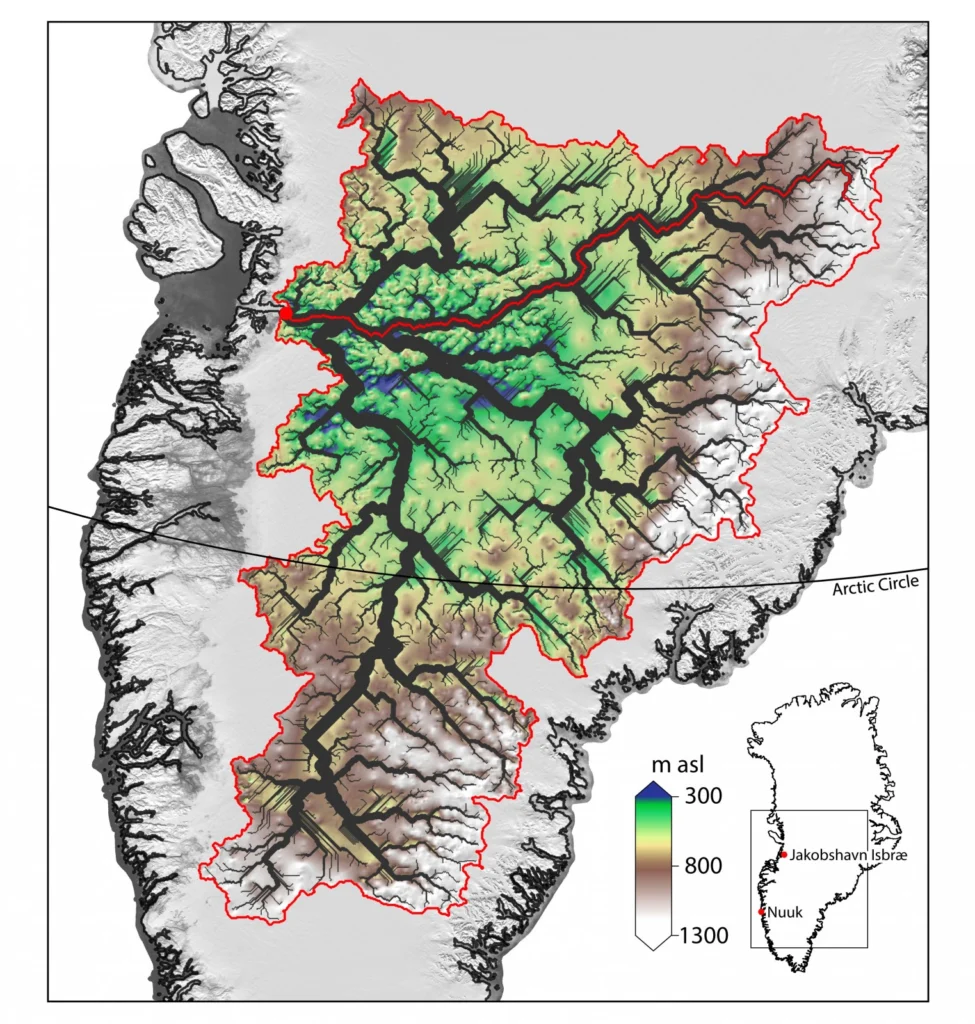
The Greenland Ice Sheet contains enough water to raise sea level by 7.36 meters (Bamber, et. al. 2013) and much of this moves from the interior of the continent into the oceans via Jakobshavn Isbræ – Greenland’s fastest flowing outlet glacier. An ancient river basin hidden beneath the Greenland Ice Sheet, discovered by researchers at …[Read More]
1727 search results for "network"
If you didn't find what you were looking for, try searching again.
Media skills for scientists – how to get them!
I certainly don’t need to write at any length about the fact I think it is crucial that scientists communicate their research with the public. Over the summer we’ll be sharing a few posts on this very subject. To get the ball rolling I thought I’d focus on one aspect of science communication (#scicomm): how …[Read More]
GeoPolicy: 8 science-based projects improving regions in the EU
As scientists, it can sometimes be difficult to see the real-world implications of some of our research. Concepts can often seem abstract and remote when sitting in a lab or taking field measurements. But researching the Earth sciences can have profound effects on global society. Understanding how the natural world works can help protect and …[Read More]
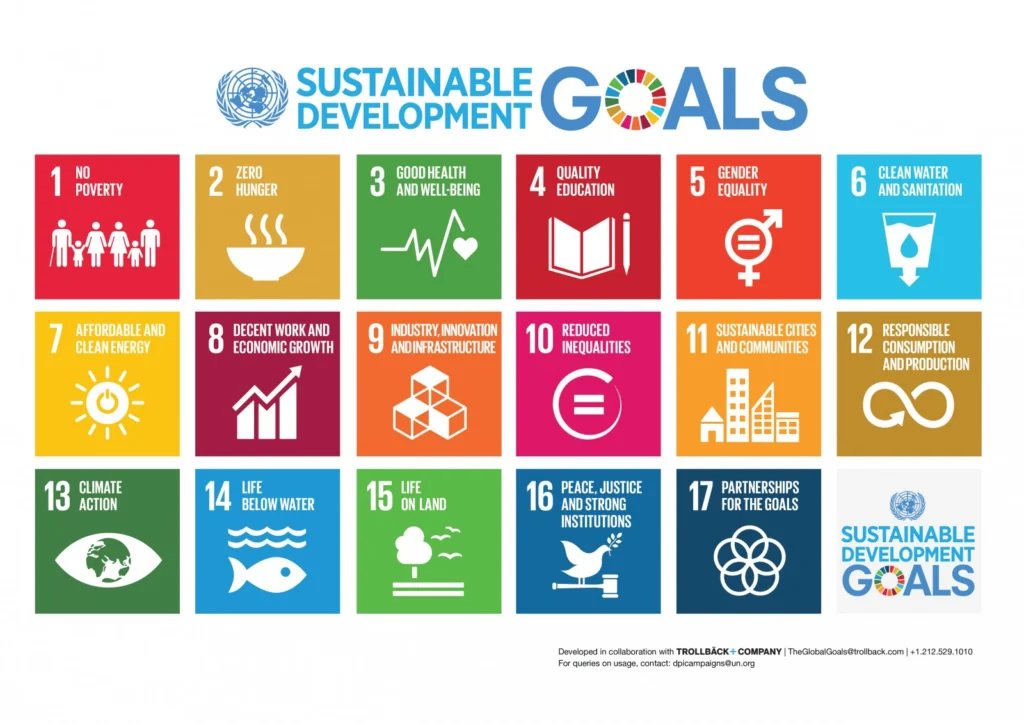
Soil is not dirt cheap: Soils, Sustainable Development Goals, and Geomorphologists.
– written by Solmaz Mohadjer – Does contaminated soil make your bones go soft? What if you are told to stop growing vegetables in your garden because the soil is too toxic? What if farmers refuse to produce nutritionally valuable crops because of risk of massive floods? What would you do if you are forced …[Read More]
Meet the new ECS Reps!
At the last EGU general assembly, Matthew Agius has stepped down as main early career scientist (ECS) representative and a new team assembled around Laura Parisi has taken over! Gender equality is not maintained, instead we are very proud to announce a 4/2 women/men distribution. Let us take the opportunity to briefly introduce ourselves. We …[Read More]
European Space Agency Living Planet Symposium 2016
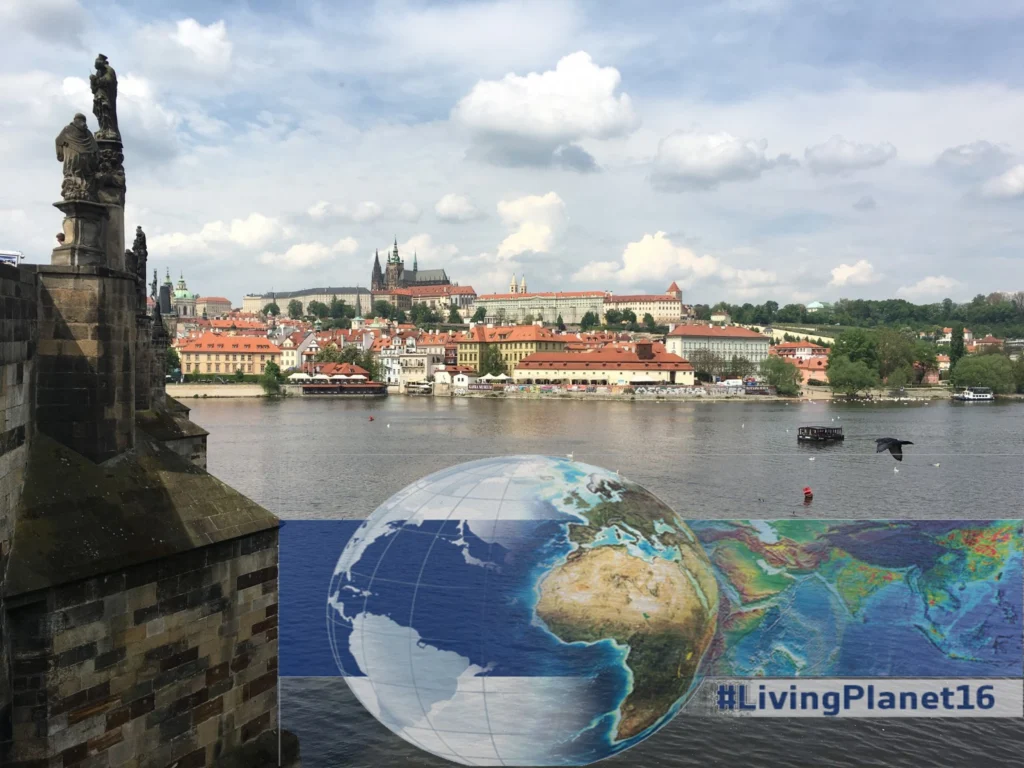
Living Planet Symposium Between the 9th and 13th May, Prague played host to the European Space Agency’s (ESA) fourth Living Planet Symposium. The event, the largest in its history with over 3300 attendees, brought together the earth observation community across multiple disciplines to discuss significant scientific results and the future developments of earth observation missions. …[Read More]
The new and exciting face of waterunderground.org
by Tom Gleeson I started waterunderground.org a few years ago as my personal groundwater nerd blog with the odd guest post written by others. Since I love working with others, I thought it would be more fun, and more interesting for readers, to expand the number of voices regularly posting. So here is the new …[Read More]
Writing boost: Being a reviewer
I don’t know how you feel … but after a stressful month to prepare for EGU and a month relaxing and getting back to work, it is now time for the last part of tips for writing, submitting, and reviewing. The last two times we have talked about scientific writing and the submission process. Today, I will …[Read More]
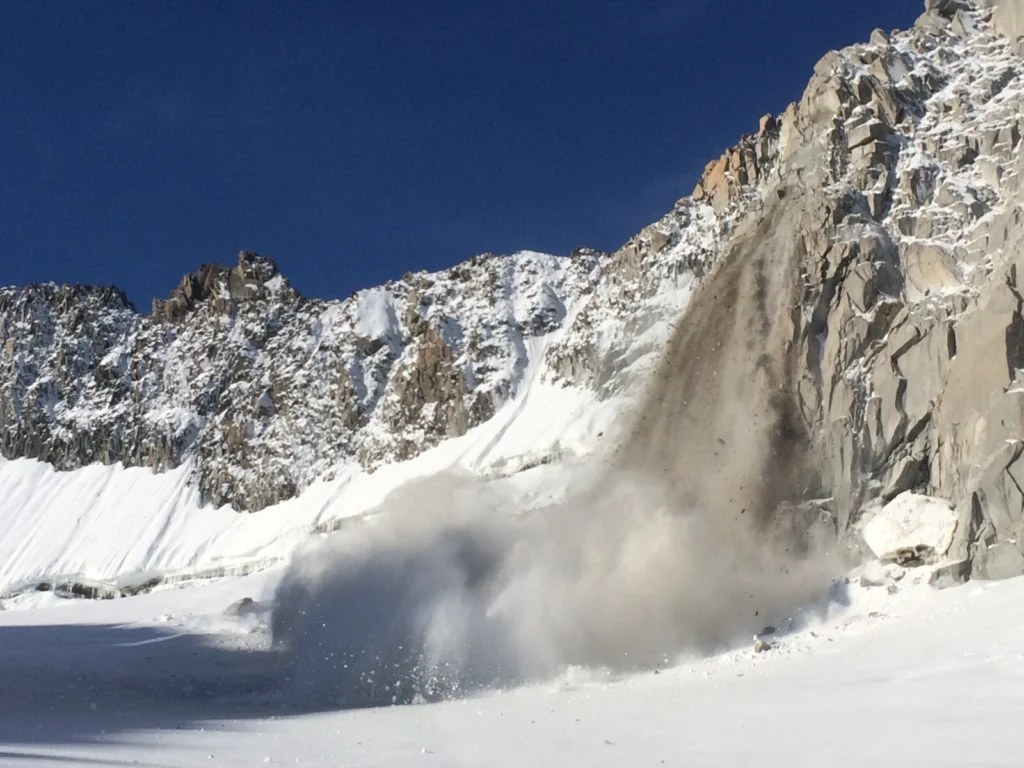
Image of The Week – Tumbling Rocks
This photo captures a rockfall at the summit of Tour de Ronde, 3792 m above sea level in the Mont Blanc Massif. On 27 August 2015, around 15000 m3 of rock fell from the steep walls of the mountain. Why do mountains crumble ? Rockfalls such as the one on the photo have been linked …[Read More]
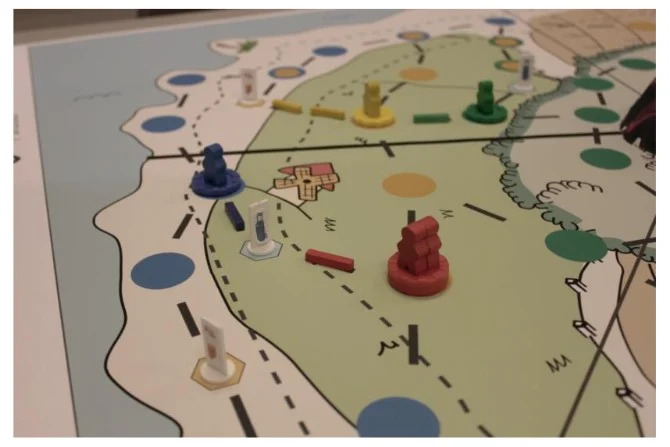
GeoSciences Column: Hazagora – will you survive the next disaster?
There is no better thing, on a cold and stormy winter’s evening, than to gather your friends for a night of games / board games. Fire blazing (if you have one), tasty snacks laid out and drinks poured, you are all set to indulge in a night of scheming (if you are playing battle ship), …[Read More]