In 2023, EGU offered Peer Review Training for the first time, over three virtual sessions in September and October 2023, with a little homework in between. With more than 100 applications, from which we chose 57, mostly Early Career Scientists (ECS) to fill the available places, the desire for this kind of training in the …[Read More]
6025 search results for "6"
If you didn't find what you were looking for, try searching again.
Rotational seismology in short
Always wanted to know the basics of rotational seismology? Follow us into this short blogpost written by our ECS team member Andreas Brotzer. Let’s spin it … or rather rotate it. Most of us enjoy a good spin on a carousel or rollercoaster. Well, we are actually doing this permanently since we live on a …[Read More]
GeoPolicy: Science-Policy Pairing Schemes in Europe – a regularly updated list
Pairing schemes are a great way for researchers to learn more about policymaking processes and how science is used in political decision-making! This month’s GeoPolicy Blog post highlights various European-based science-policy pairing scheme opportunities that researchers can apply for. Science-policy pairing schemes provide researchers with the opportunity to gain a better understanding about how policymakers …[Read More]
Calculating postglacial sea-level change within few seconds: a statistical emulator for GIA
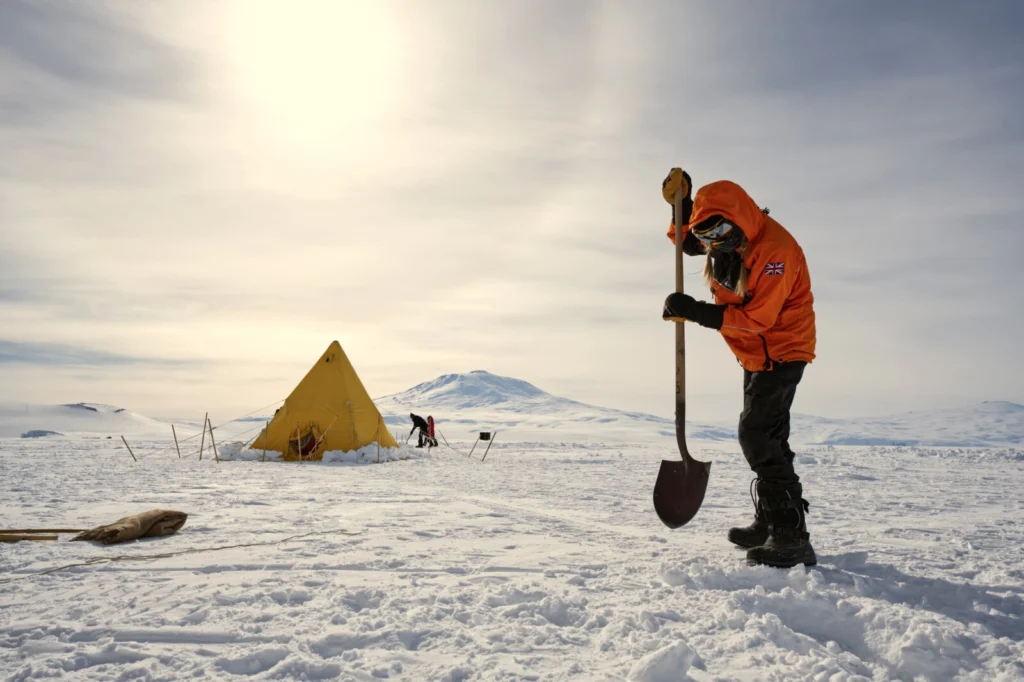
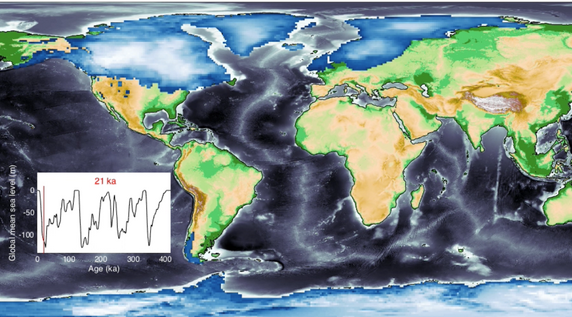
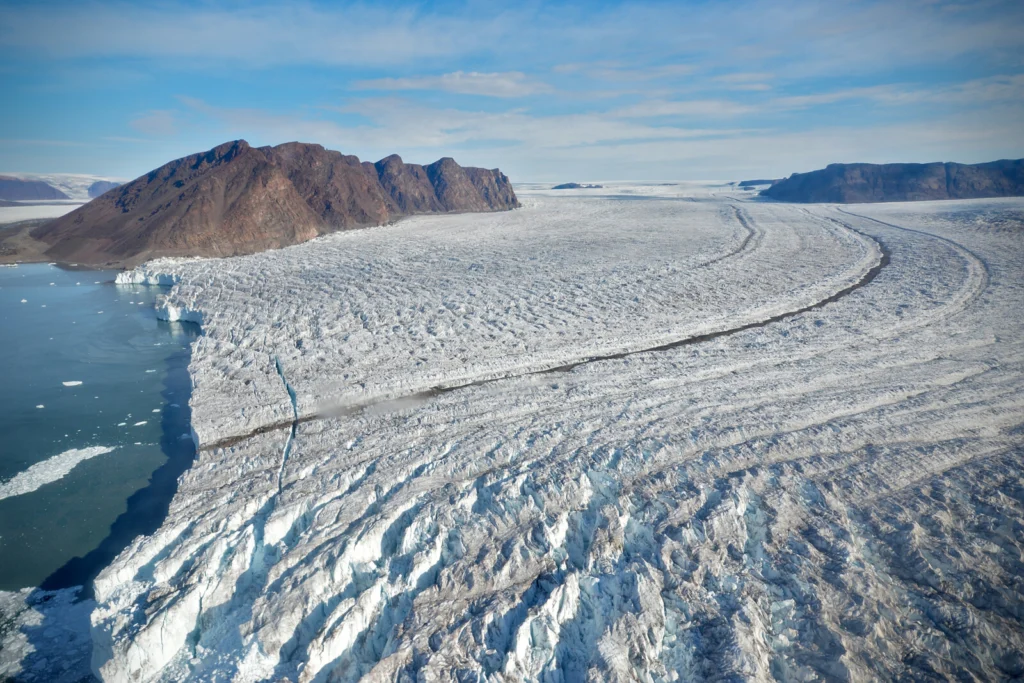
Sea-level change serves as a direct indicator of climate change with profound implications for coastal areas. Since 1900, the global mean sea level (GMSL) has risen over 20 cm, leading to beach erosion, delta inundation, and increased flooding worldwide. Over glacial cycles spanning tens of thousands of years, interactions between ocean and continental-scale ice sheets …[Read More]
The Sassy Scientist – Merry Crisis: Spark Lost, Chocolate Found
Congratulations, you resilient academic warrior! You’ve made it through the year without evaporating like a snowflake in July. Now, brace yourself for the gift I’ve carefully curated just for you. Spoiler alert: It’s not a reset button for life, though I’m sure some folks desperately need one. Now, let’s unwrap the gift of wisdom. Leena …[Read More]
May the year-end be Exceptional, not only hydrologically!
What a hydrological year it has been! From the winter drought and flash floods detailed in Matano and Avanzi‘s blog post to the remarkably warm and wet November 2023, Europe has witnessed a range of extraordinary weather phenomena. In the Alpine region, the convergence of warm and wet weather resulted in numerous rain-on-snow events (see …[Read More]
GeoRoundup: the highlights of EGU Journals published during December!
Each month we feature specific Divisions of EGU and during the monthly GeoRoundup we put the journals that publish science from those Divisions at the top of the Highlights roundup. For December, the Divisions we are featuring are: Geodynamics (GD), Geomorphology (GM) and Soil System Sciences (SSS). They are served by the journals: Biogeosciences (BG), Earth …[Read More]
The best Christmas gift you could ask for: how a rare solar event created a once-in-a-lifetime Martian experiment
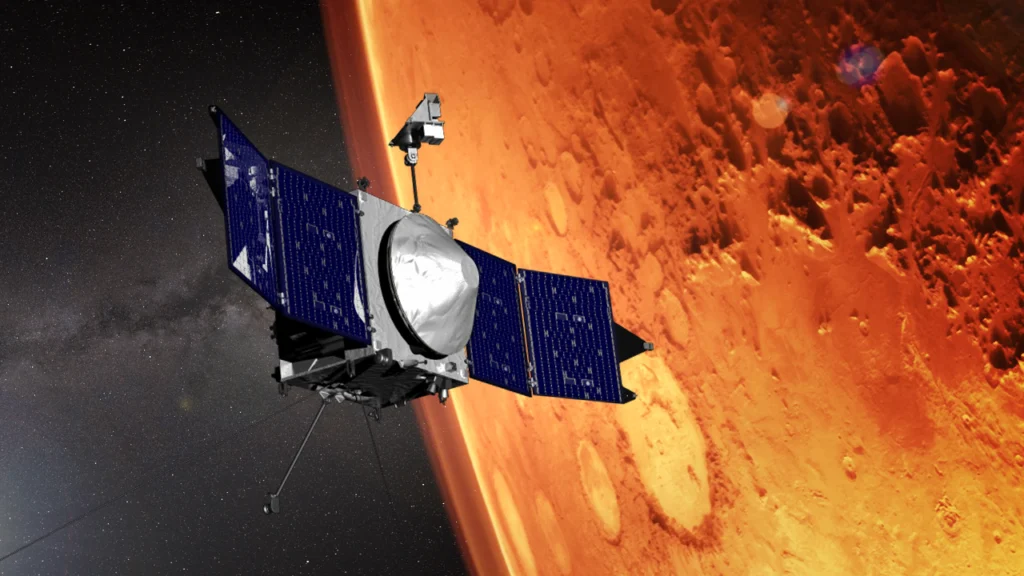
One of the realities of studying the Earth, planetary or space sciences is that we are attempting to observe an experiment that has been in progress for billions of years, with variables that are most often far outside of our control. Many researchers try to understand these systems by recreating aspects of it, either in …[Read More]
The enigmatic tectonics of the Caribbean Large Igneous Plateau
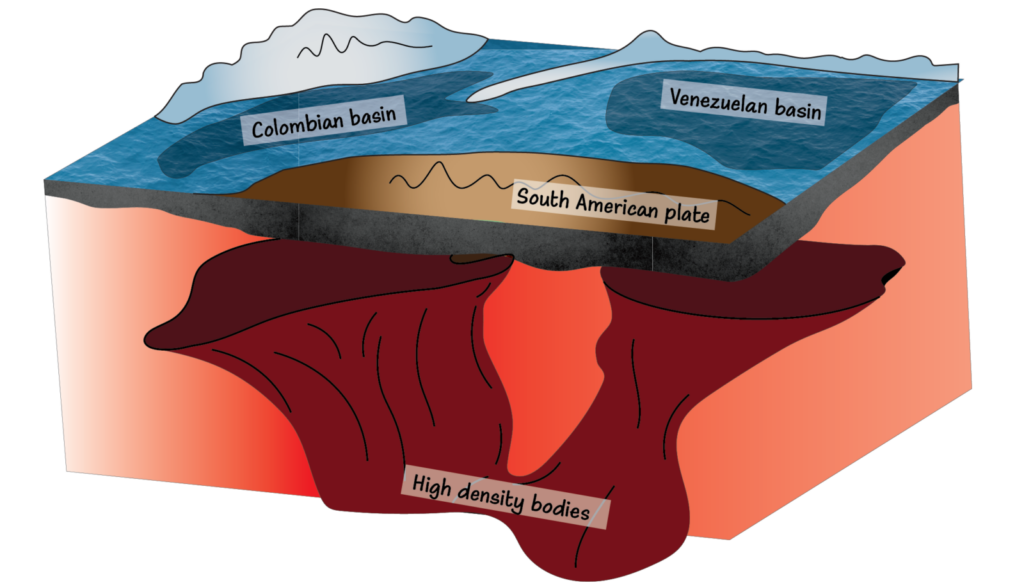
As we approach the Christmas break and the end of the year, what resonates with the concept of ‘holidays’ more than the Caribbean? In this week post, Angela Gomez-Garcia, postdoc at the Geoscience Institute of Barcelona, and Eline Le Breton, professor at Freie Universität Berlin, take us on a geodynamic journey through the Caribbean Large …[Read More]
Reshaping Earth: GIA and its far-reaching effects
As the Geodesy blog team (we are growing, horaay!), we wanted to create a space for researchers to talk about their work/papers in a more simplified language. For the first post in this series, we said “Wouldn’t it be cool if we learn more about Glacial Isostatic Adjustment (GIA) models?” then we realised that we …[Read More]