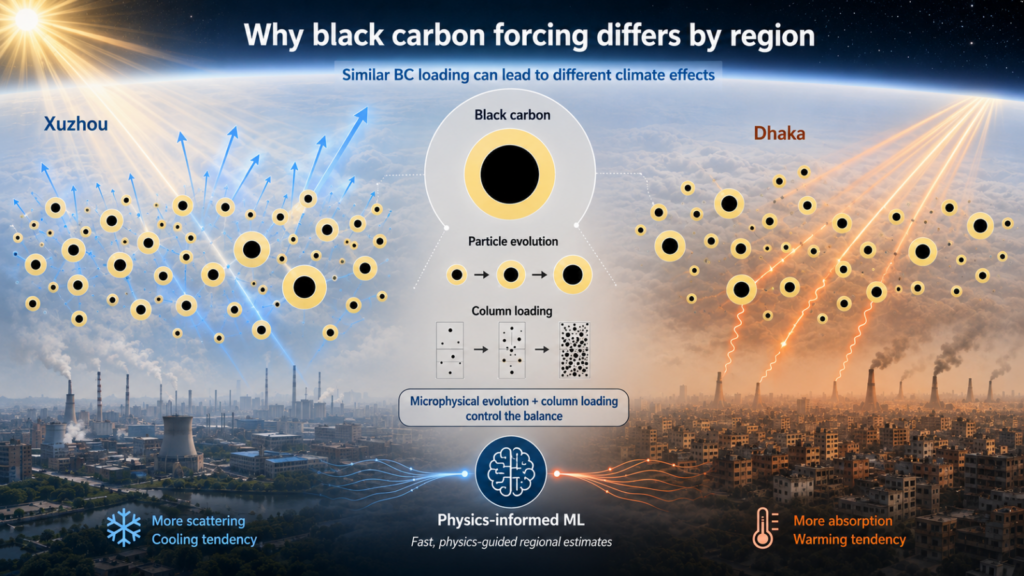
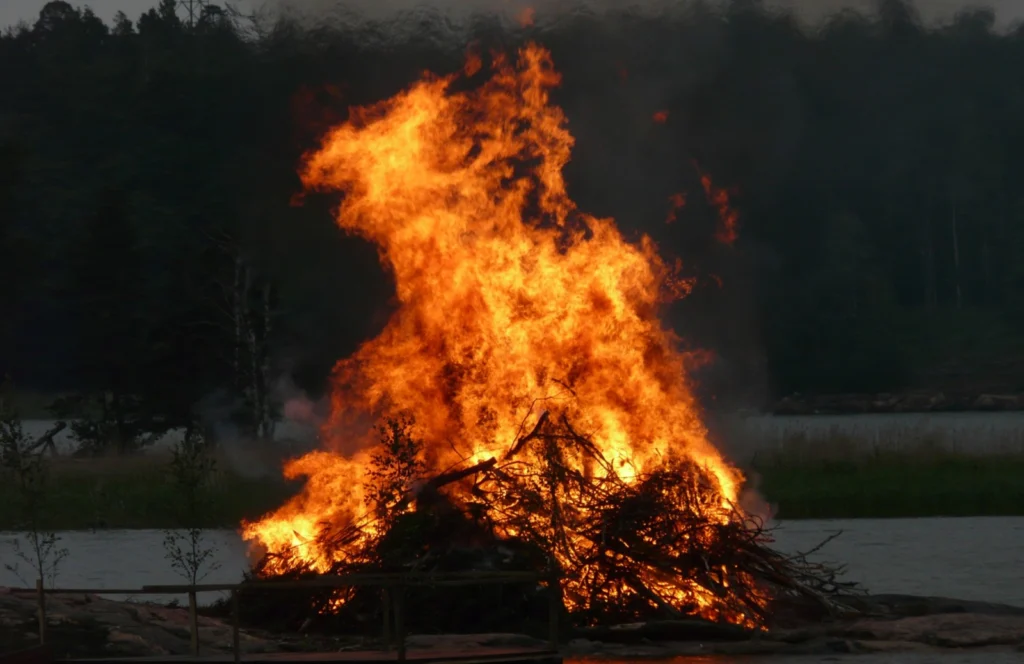
Every time something burns incompletely —whether in a car engine, a factory furnace, a cooking fire, an agricultural field set alight after harvest, or a vast wildfire sweeping through savanna grasslands— tiny particles of black carbon are released into the atmosphere. You might know these more simply as soot. These particles are so small that …[Read More]
1727 search results for "network"
If you didn't find what you were looking for, try searching again.
Why do Earth’s hidden stress fields matter for our future? Let’s explore the latest insights from the World Stress Map database
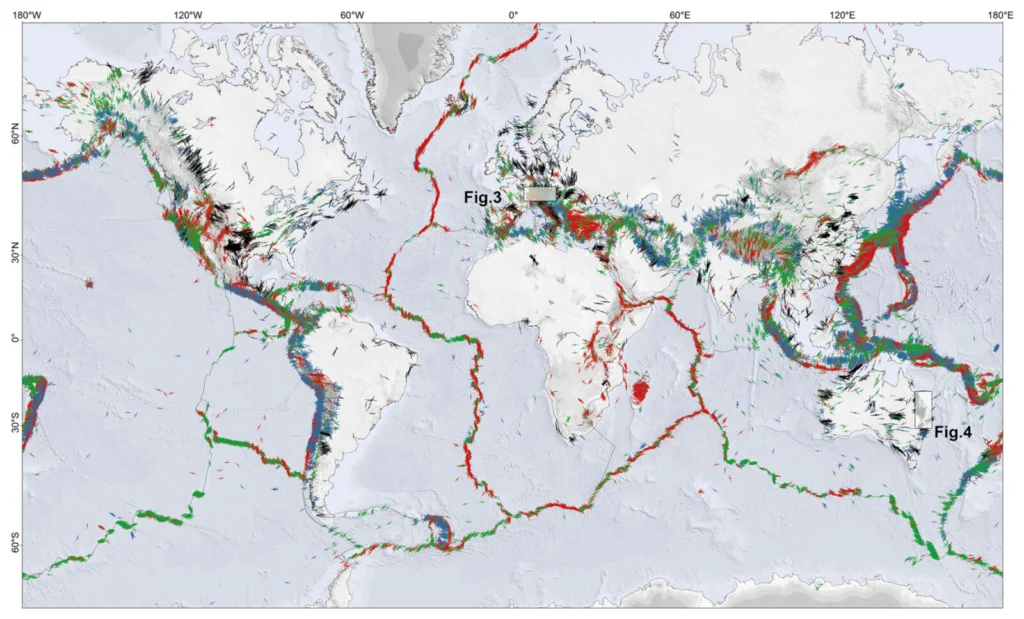
Beneath the serene landscapes we inhabit, the Earth’s crust is a battleground of constant, immense, and invisible tectonic forces. While humanity typically only notices this deep-seated stress when it violently releases in the form of an earthquake and volcanoes, these forces have always been shaping the structural bedrock of our planet. Understanding this hidden architecture …[Read More]
The truth about The Odyssey: Geodynamics, lies, cries and the hunt for Ithaca
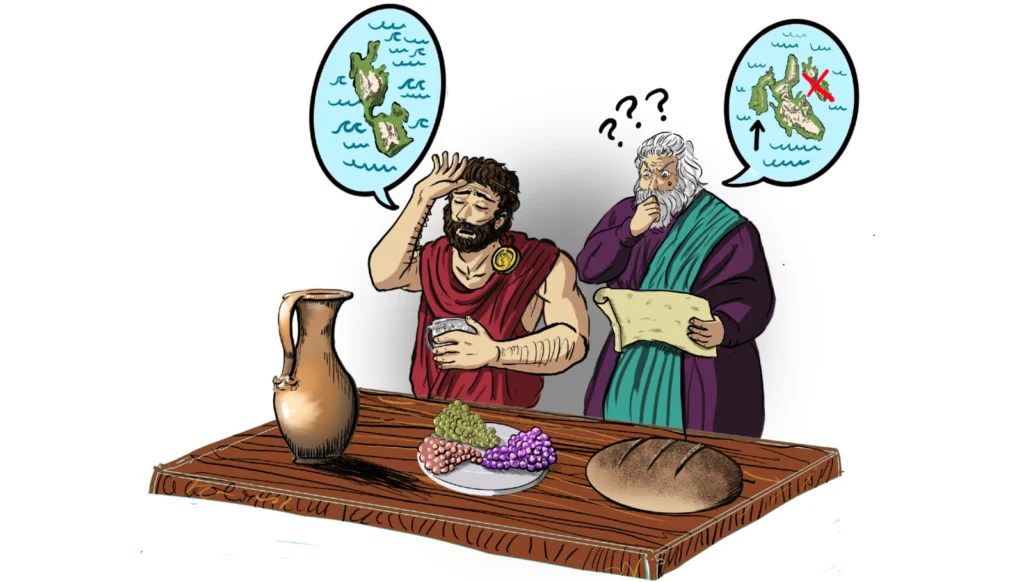
If you have ever tried to draw a geological cross-section under a fantasy map, Homer is surprisingly cooperative (and if you remember my Middle-earth geology post, you already know I live for this). The Odyssey is full of real places and real people—Troy, Mycenae, Sparta—stitched together with storms, monsters and divine interventions that would make …[Read More]
How to get involved with EGU throughout the year
If you recently attended the European Geosciences Union (EGU)’s General Assembly, you may have discovered that EGU is much more than an annual conference. Or perhaps, you recently joined EGU as a member, and are now wondering: How can I become more involved in the EGU community? My name is Josephine Cakuru, and I am the Community …[Read More]
EGU Campfire Geodesy – Share Your Research – 20th Edition
We are excited to announce the 20th edition of Geodesy Campfire – Share Your Research in July. The Geodesy EGU Campfire Events “Share Your Research” give (early career) researchers the chance to talk about their work. We have two exciting talks by our guest speakers, Pierre Sakic and Iwona Kudłacik. Below, you can find the …[Read More]
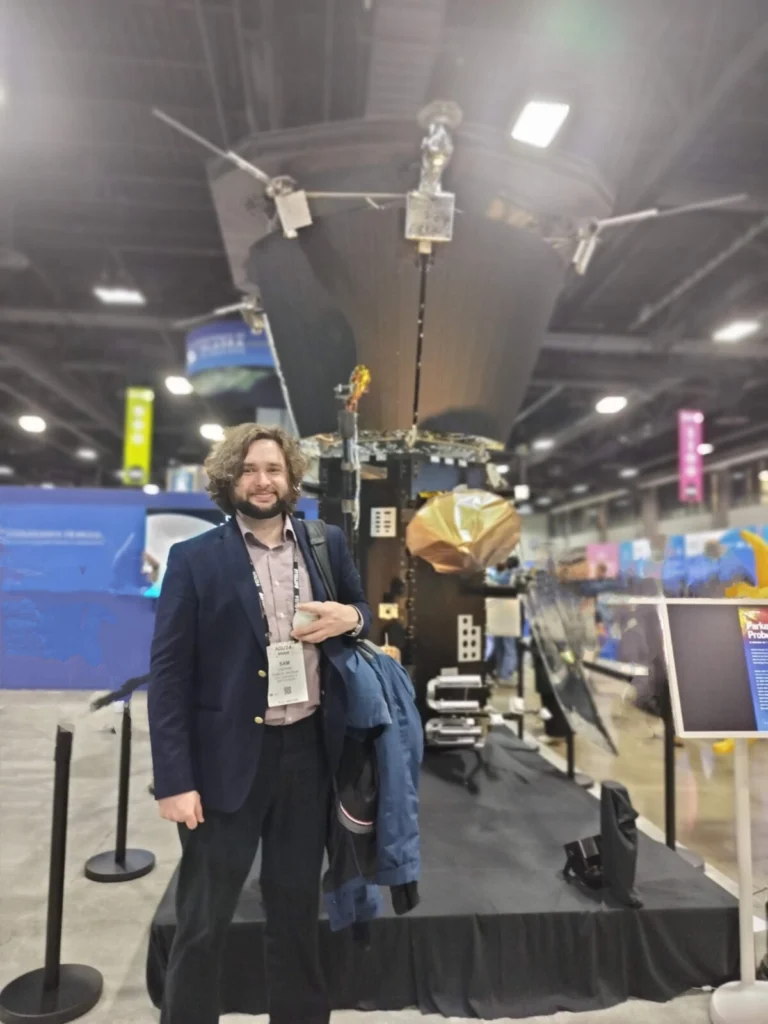
Meet Samuel Badman, the 2026 Outstanding Early Career Scientist Awardee of the Solar-Terrestrial Division!
Congratulations on receiving the EGU 2026 ST Division Outstanding Early Career Scientist Award for your outstanding contributions to our understanding of solar wind physics through observations from the Parker Solar Probe and Solar Orbiter. What does this recognition mean to you personally, and how does it impact your work in this fascinating field? It is …[Read More]
GeoRoundup: the highlights of EGU Journals published during June!
Each month we feature specific Divisions of EGU and during the monthly GeoRoundup we put the journals that publish science from those Divisions at the top of the Highlights section. For June, we are featuring the Ocean Science Division (OS). It is represented by the journal Ocean Science. Ocean Science Estuarine mixing – 22 June 2026 …[Read More]
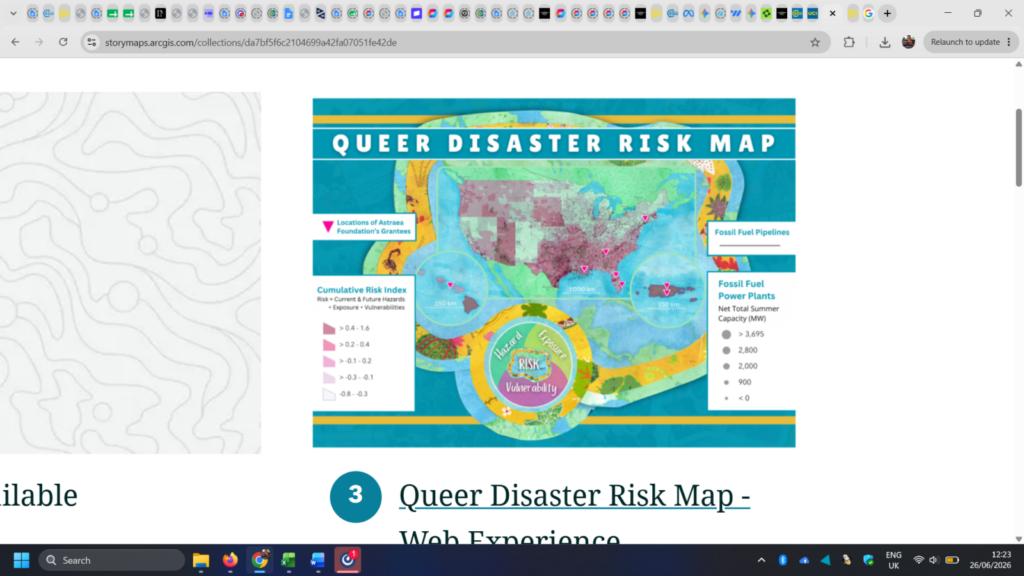
Taking Pride in our planet: Protecting oceans for queer and trans survival
In Spring of 2025, just as I was preparing to release the Queer Climate Justice StoryMap I had been building for two years, I received a difficult email from my lead community collaborator, an LGBTQ+ foundation, describing the devastating legal and financial situation the newly inaugurated Trump administration had put them in. We decided to set …[Read More]
GeoTalk: meet Delphine Urbah, space anthropologist!
Hello Delphine! Thank you for agreeing to have this GeoTalk interview. Could you briefly introduce yourself and your background? Hello, and thank you for having me! My name is Delphine Urbah, and I am a French professional working at the intersection of space, policy, ethics, and the human dimensions of space exploration. I currently work …[Read More]
From Quasars to Coordinates: How VLBI Measures Earth’s Shape and Motion
Imagine determining the position of a point on Earth with millimeter precision using radio signals from celestial objects billions of light-years away. This may sound like science fiction, but it is exactly what Very Long Baseline Interferometry (VLBI) allows scientists to do. What is VLBI? Long before satellites and digital maps, people looked to the …[Read More]