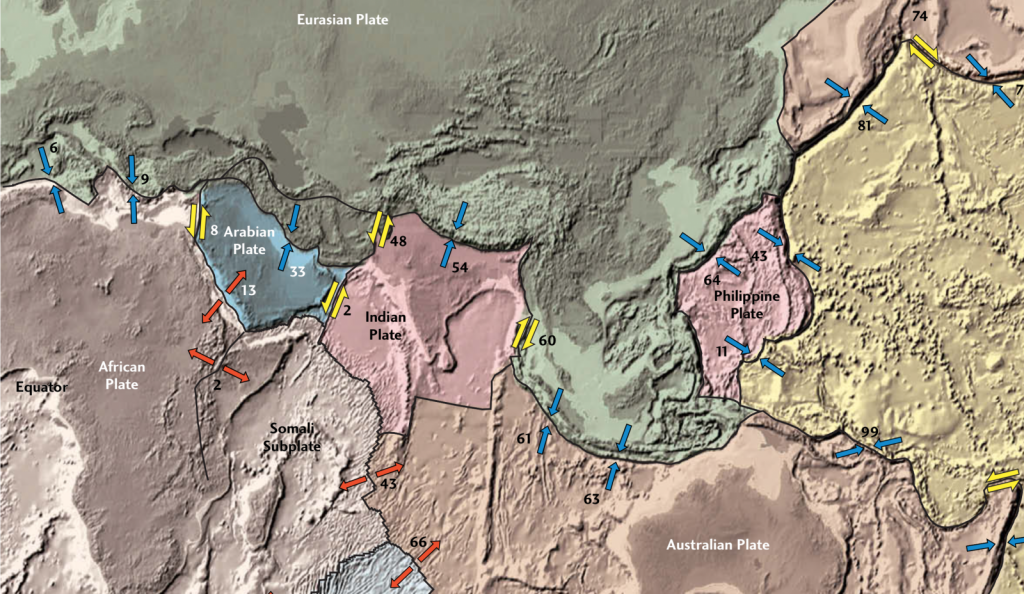
These blogposts present interviews with outstanding scientists that bloomed and shape the theory that revolutionised Earth Sciences — Plate Tectonics. Get to know them, learn from their experience, discover the pieces of advice they share and find out where the newest challenges lie! Meeting Barbara Romanowicz Barbara Romanowicz studied mathematics and applied physics and did two PhDs, one in astronomy …[Read More]
1727 search results for "network"
If you didn't find what you were looking for, try searching again.
Doing Hydrogeology in R
Post by Sam Zipper (@ZipperSam), current Postdoctoral Fellow at the University of Victoria and soon-to-be research scientist with the Kansas Geological Survey at the University of Kansas. Using programming languages to interact with, analyze, and visualize data is an increasingly important skill for hydrogeologists to have. Coding-based science makes it easier to process and visualize …[Read More]
An interview with Jenny Turton, early-career representative for the cryo-division of the EGU
The European Geophysical Union (EGU) has a number of scientific divisions or themes, such as cryosphere, atmospheric sciences and geodesy. Each division has a representative for early career scientists, and often a team of scientists who write and edit blogs and organise events. Today, Jenny Turton, the new representative for the cryo-division, explains a bit …[Read More]
Featured catchment series: The North is not forgotten!
This is the first post of “Featured Catchment”, a series of posts in the HS Blog that present experimental catchments across Europe and beyond. Here, the authors of the posts will explain the main characteristics (e.g., climate, geology, topography, land use) of their catchments, why hydrologic research is important in their study areas, describe the …[Read More]
Weathering the storm from a research vessel
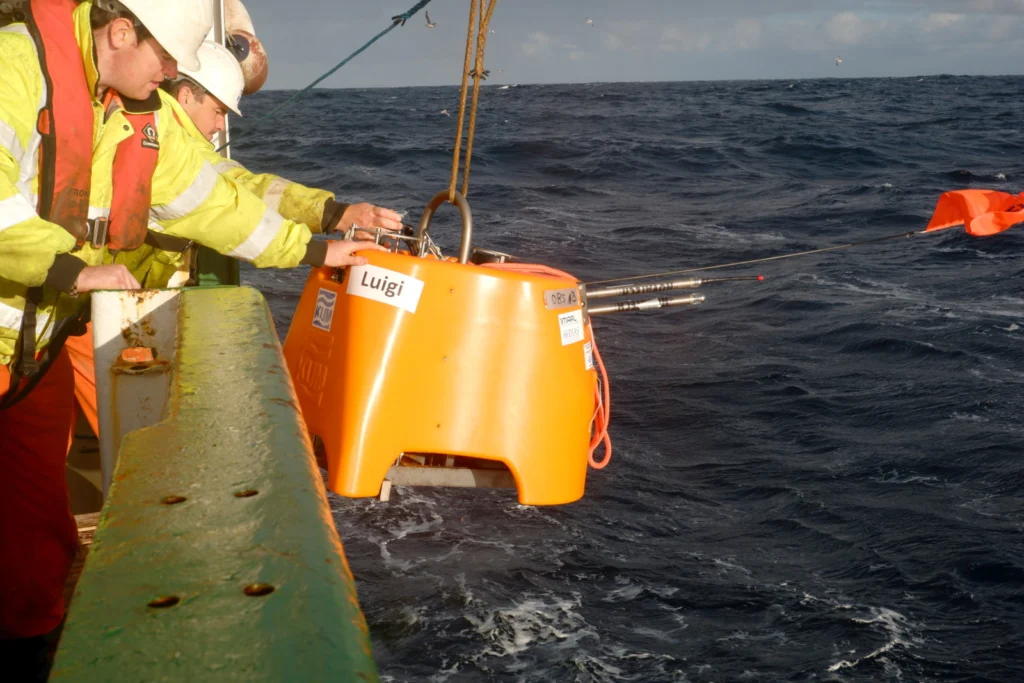
Fieldwork can take geoscientists to some of the most remote corners of the Earth in some of the harshest conditions imaginable, but stories from the field hardly make it into a published paper. In this blog post, Raffaele Bonadio, a PhD student in seismology at the Dublin Institute for Advanced Studies in Ireland, shares a …[Read More]
Sharing & talking isn’t enough – we need a change in culture around mental illness
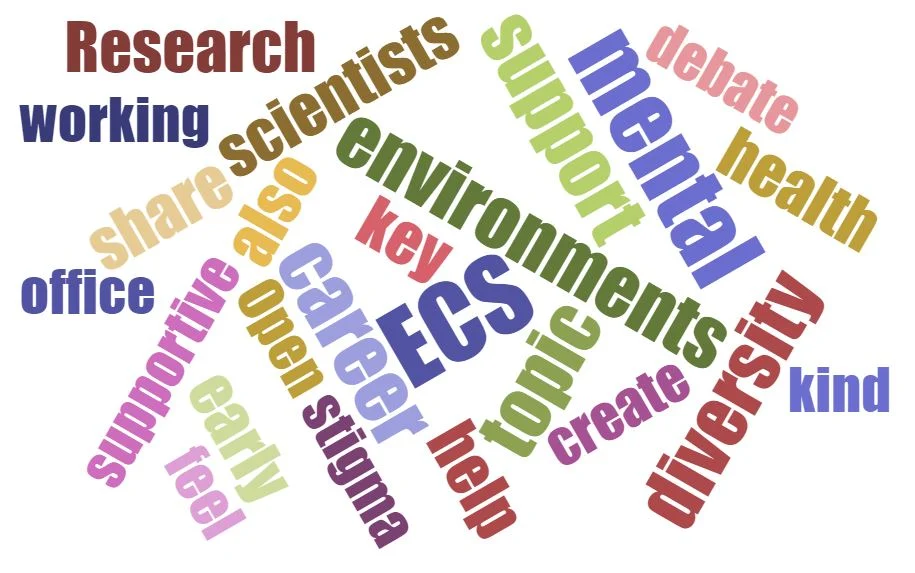
The EGU Early Career Scientists’ (ECS) Great Debates offer early career scientists at the EGU General Assembly the chance to network and voice their opinions on important topics in the format of round-table discussions. At the end of the debate, each table delivers a statement that summarises the discussion and recommendations. By publishing the results, …[Read More]
Games, games, games at the EGU 2019 meeting
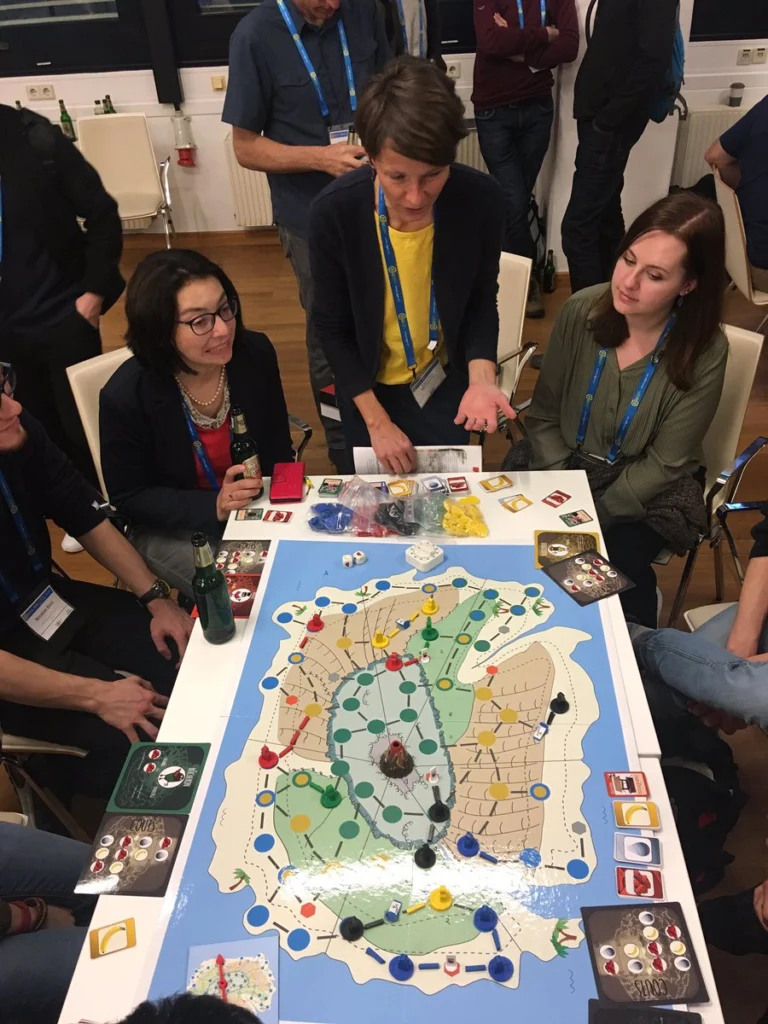
At the EGU General Assembly 2019, more than 16,000 scientists came together in Vienna to present their research, discuss the latest advances in their field, and engage in workshops. On the Wednesday evening of the EGU conference, hundreds of researchers also came together to play geoscience-based games! Games can be great tools for geoscience outreach …[Read More]
Challenging challenges in Earth science research at the EGU General Assembly!
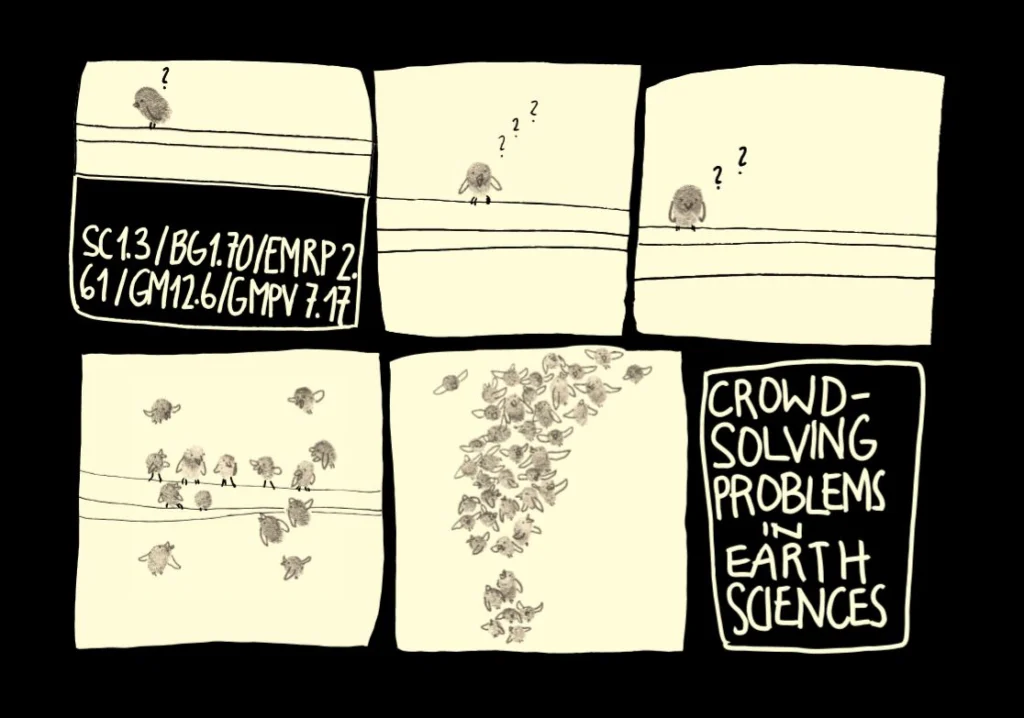
At the EGU General Assembly 2019 last month, if you walked through the dark basement and the most distant hallways of the convention centre, into room -2.62 on Wednesday evening, you may have heard people introducing themselves followed by the words “… and I have a problem.” This may have sounded like a support group. …[Read More]
Minds over Methods: The faults of a rift
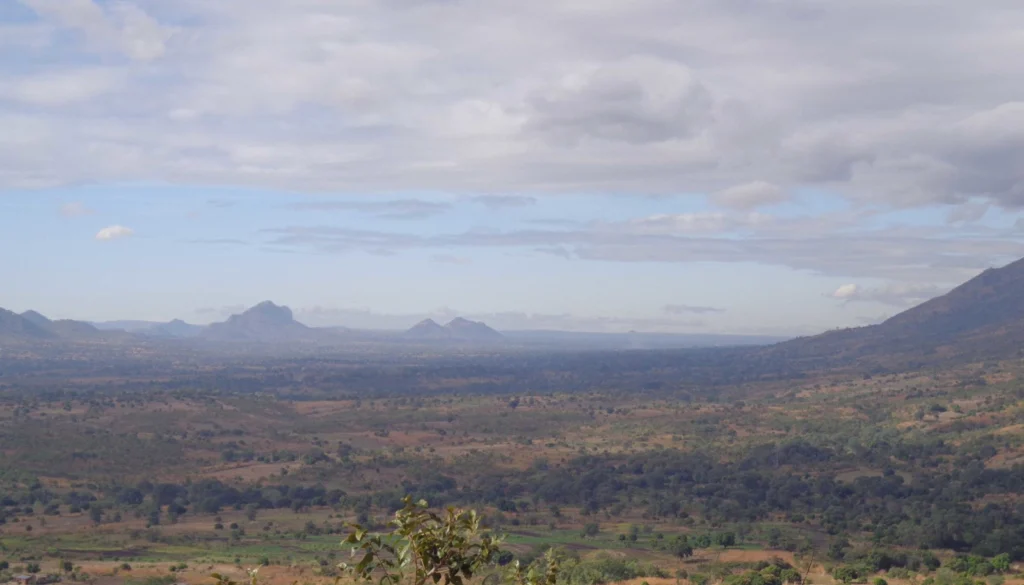
Do ancient structures control present earthquakes in the East African Rift? Åke Fagereng, Reader in Structural Geology, School of Earth and Ocean Sciences, Cardiff University For this edition of Minds over Methods, we have invited Åke Fagereng, reader in Structural Geology at the School of Earth and Ocean Sciences, Cardiff University. Åke writes about faults …[Read More]
How does a crystal become a mineral?
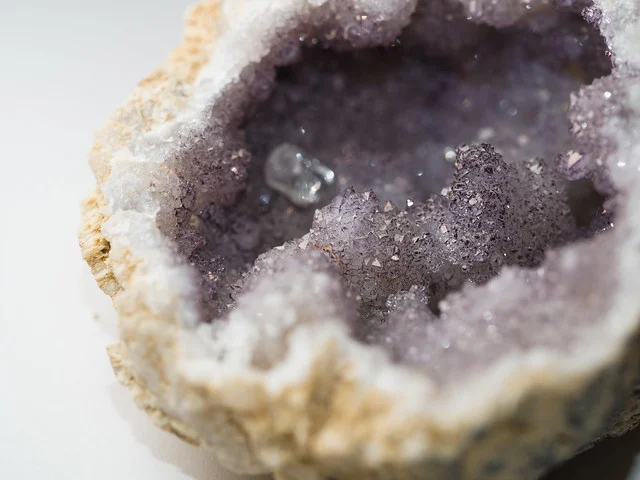
There are some crystals that we are all familiar with. Look at an analogue clock (you may need a screwdriver and/or a hammer, and the watch owner might not be too happy) and you will probably find quartz – a crystal with silicon and oxygen arranged in a well-ordered three dimensional pattern. We can also …[Read More]