
Welcome to the brand new EGU Seismology Division Blog! The European Geosciences Union administration team has been working round the clock to launching the brand new official blog network for EGU (https://blogs.egu.eu/). The EGU blogs hosts the official blog of the EGU, GeoLog, as well as a network of blogs in the Earth, planetary and space …[Read More]
Latest posts
Geology and the Autumn Statement
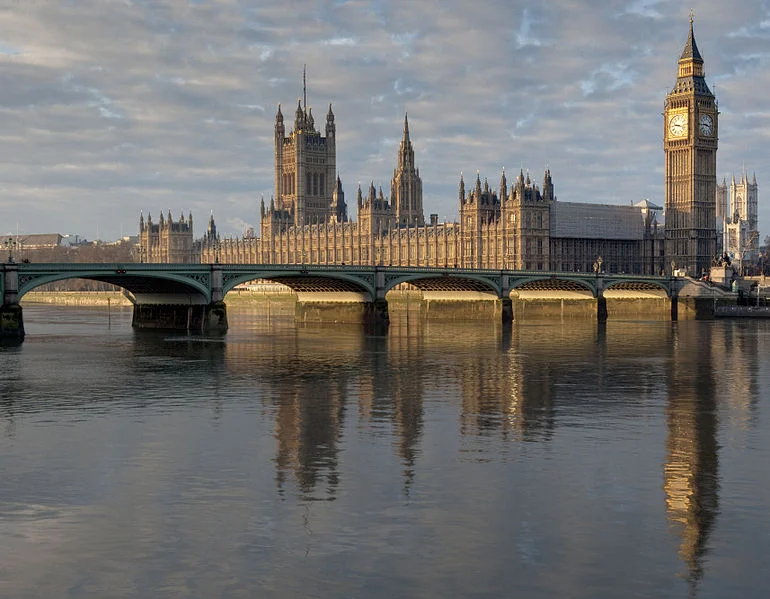
So George Osborne donned the ceremonial red briefcase on wednesday and took to the helm in the House of Commons (rather inconsiderately while I was in Brussels and couldn’t follow the news…) to deliver the Autumn Statement, one of the two statements that the HM Treasury makes each year to Parliament upon publication of economic forecasts …[Read More]
GeoEd: Citizen Geoscience
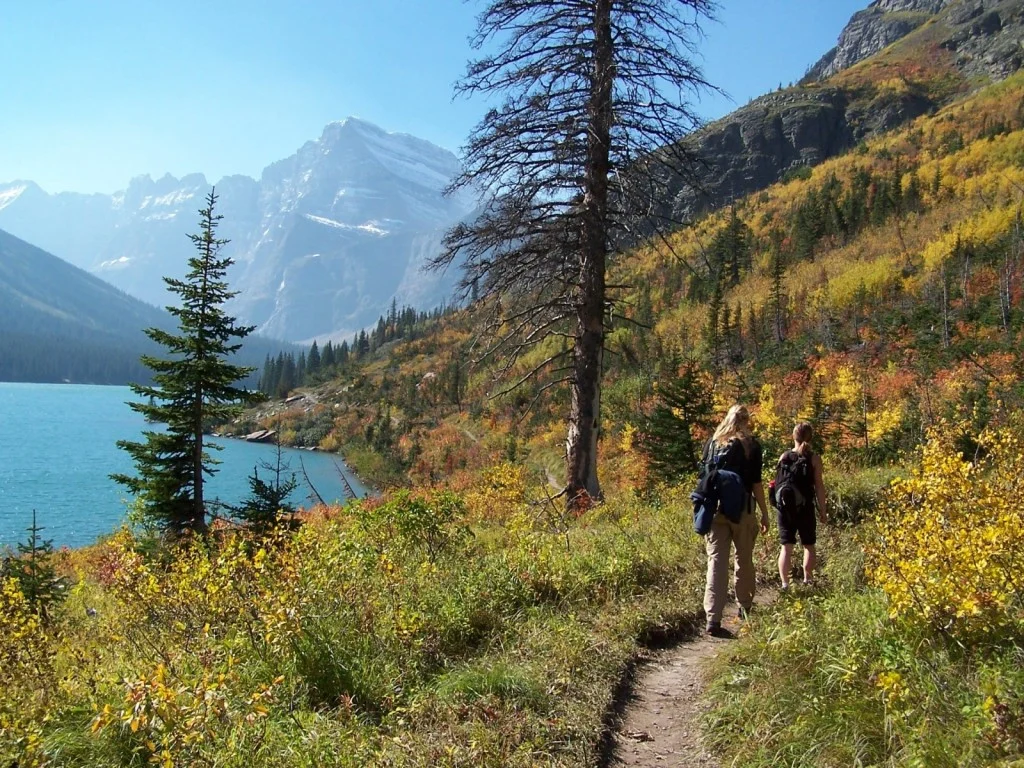
In this month’s GeoEd column, Sam Illingworth tells us about the growing use of Citizen Science within research as a means of acquiring data. Whilst the practice is novel and offers exciting opportunities as to volumes of data collected Sam highlights the importance of appropriately crediting the work of the willing volunteers. Citizen Science is …[Read More]
Images of Guatemala (7) – Volcano Art
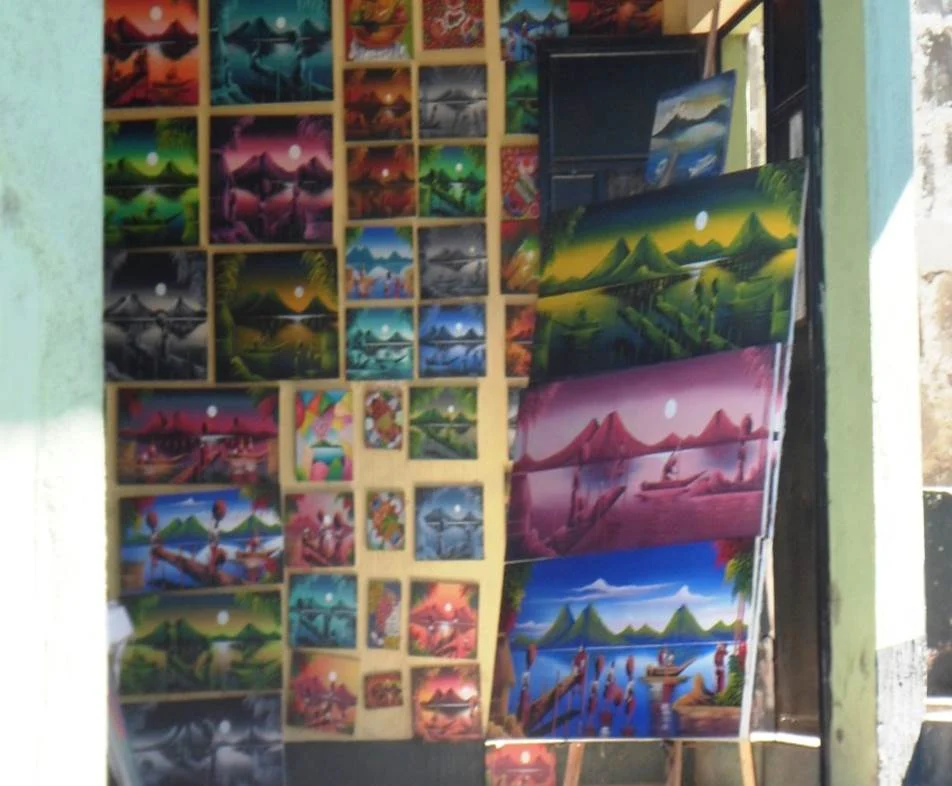
The dramatic landscapes of Guatemala are an important source of inspiration for some of the creative arts being produced in Guatemala. The images above (from top to bottom) a shop selling paintings aimed at the tourist market, a wall painting as part of a commercial advertisement, and my own purchased collection of three hand painted ‘volcano’ …[Read More]
Sharing my new discovery – aquatic plants are (sometimes) suitable for radiocarbon dating!
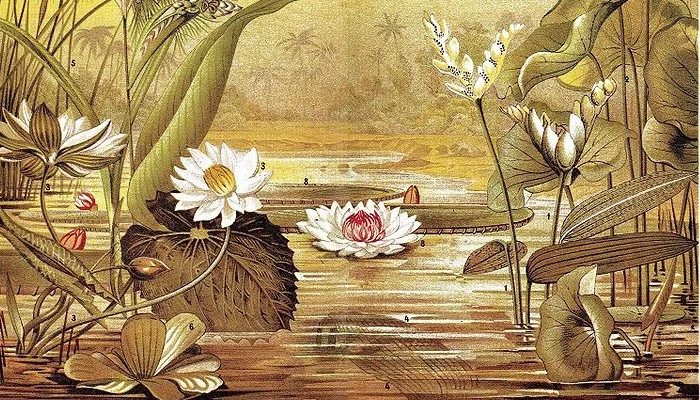
Radiocarbon dating is probably the most well-known chronological technique regularly employed by archaeologists, geomorphologists and researchers analysing sediment cores. Palaeolimnologists (those who study lake sediments) hoping to determine the age of a sample extracted from a long sediment core traditionally seek terrestrial plant macrofossils (fragments of organic matter visible without a microscope), as these are …[Read More]
The fate of volcanic ash in the environment
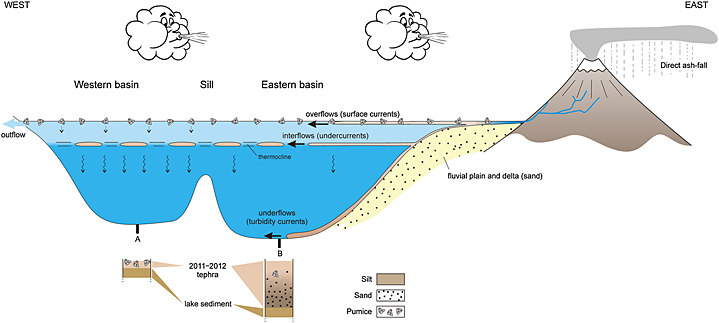
Over the past few years, we have been working to piece together the record of major post-glacial volcanic eruptions in southern Chile that have occurred over the past 18,000 years. This work started off with a search for volcanic ash layers that were preserved in road cuttings, or cliff faces other accessible geological locations in …[Read More]
PhD reflections: Sorcha
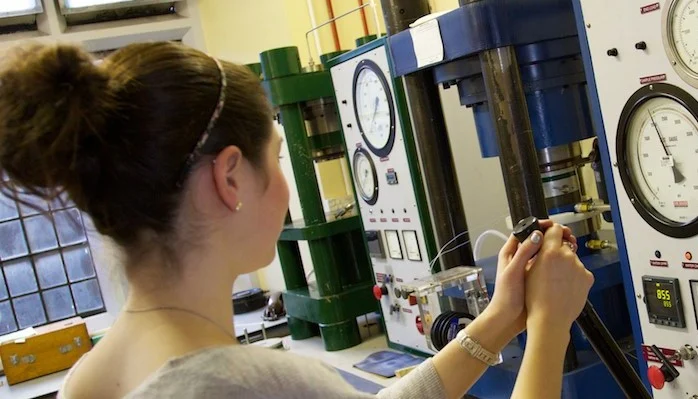
Between a Rock and a Hard Place began as an Earth Science PhD blog in February 2013, as a place to ramble on about PhD life and general science topics. Almost two years later, some of the contributors have finished, others have submitted, and the rest are nearing the end. Over the next few weeks, …[Read More]
The dark side of the atmosphere: the blog awakens
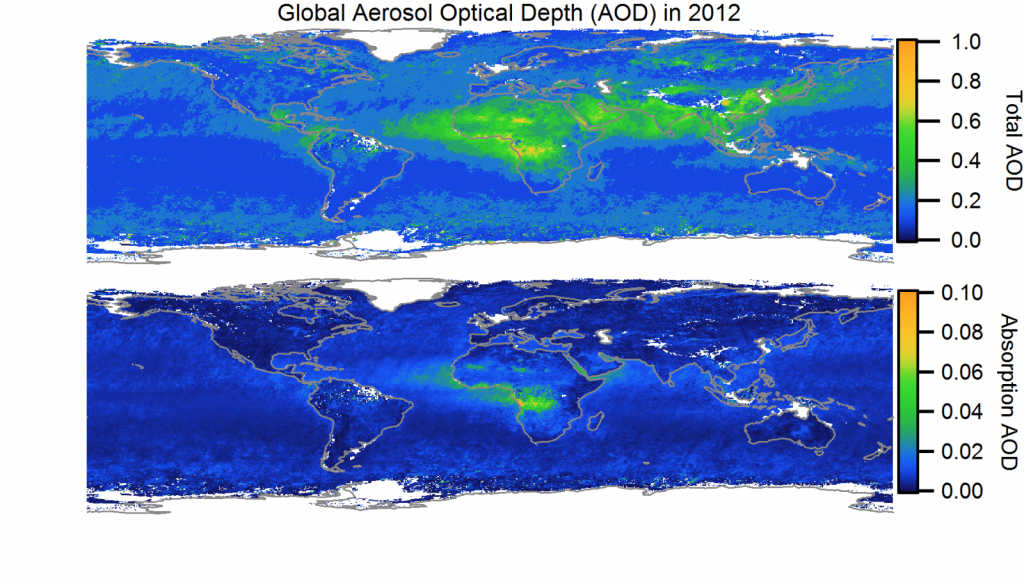
Aerosol particles come in lots of different flavours and one of their most important properties is how they deal with incoming sunlight. Some are rather unwelcoming and send sunlight back to whence it came (space), which leads to a cooling of the atmosphere as the sunlight doesn’t reach the surface of the Earth. Others offer sunlight …[Read More]
Welcome to the world of climate: past, present and future!
Just like the Earth’s ocean-climate system itself, the climate of climate science is ever evolving and changing, both politically and scientifically. On the 21st of December 1872, HMS Challenger set sail from Portsmouth on a three year long voyage of discovery. The pioneering work that happened during those intrepid months aboard, laid the foundations for …[Read More]
Shades of L’Aquila: Italian Geochemists avoid Huge Miscarriage of Justice

On rare occasions I hear about a story that must be told. This story is one of those and I feel that it deserves attention from the broader geoscience community. We have all heard of the L’Aquila verdict against the Italian seismologists concerning the devastating earthquake in 2009. If you haven’t, read these articles by Chris Rowan. At the time …[Read More]