
The call for sessions for the General Assembly 2016 are now open. We invite you, from now until 18 Sep 2015, to take an active part in organizing the scientific programme of the conference by suggesting new sessions or getting involved with those in the skeleton programme. In particular we would like to encourage Early …[Read More]
Latest posts
I JUST SUBMITTED MY THESIS!!
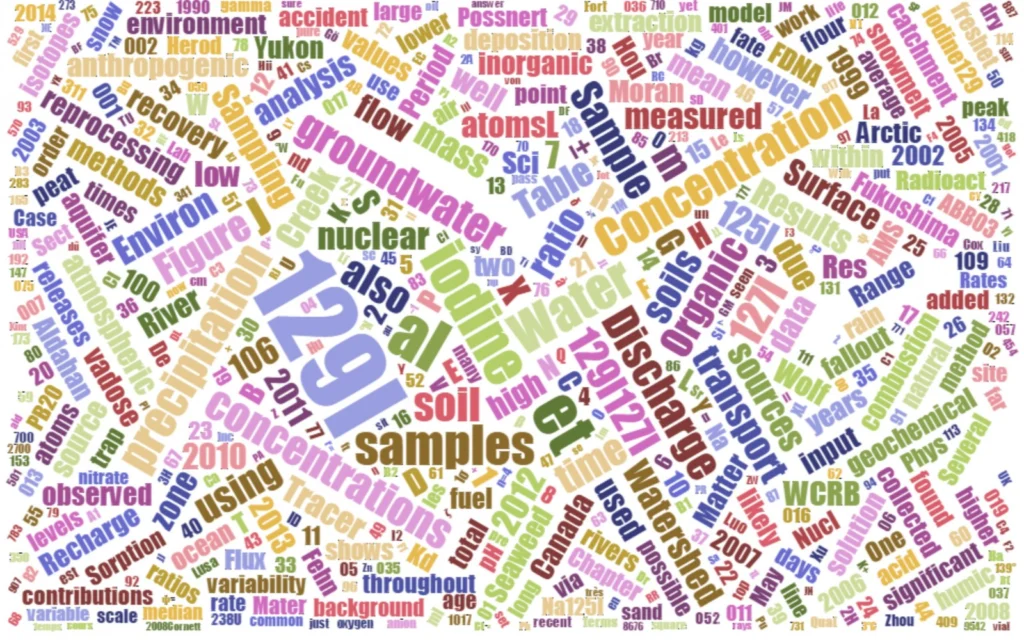
As you may have gathered from my enthusiastic title I just submitted my thesis! After 6 years of hard work it’s been passed in. To celebrate I decided to make this really cool word cloud showing the most frequently occurring words in the thesis, which currently contains a total of 55,713 words. The bigger the …[Read More]
Workshop: Software Writing Skills for Your Research
Helmholtz Centre Potsdam – GFZ German Research Centre for Geosciences, has just opened the registration for the workshop ‘Software Writing Skills for Your Research – Workshop for Novices’ planned on September 23-25, 2015. The workshop addresses the passing of software writing skills to young scientists, the next generation of researchers in the Earth, planetary and space sciences. …[Read More]
Can climate data help to better predict floods?
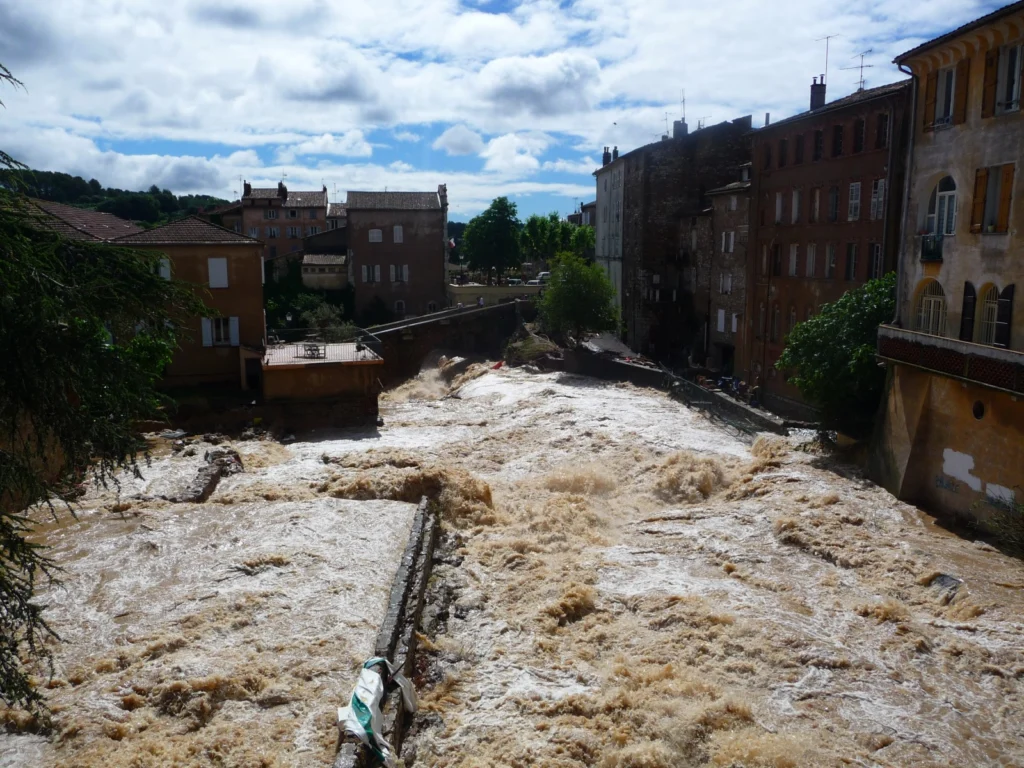
Many studies report that hydrologic regimes are modulated by large-scale modes of climate variability such as the El Niño Southern Oscillation (ENSO) or the North Atlantic Oscillation (NAO). Climate-informed frequency analysis models have therefore been proposed to condition the distribution of hydrologic variables on climate indices. However, standard climate indices may be poor predictors in …[Read More]
Geology Photo of the Week #45
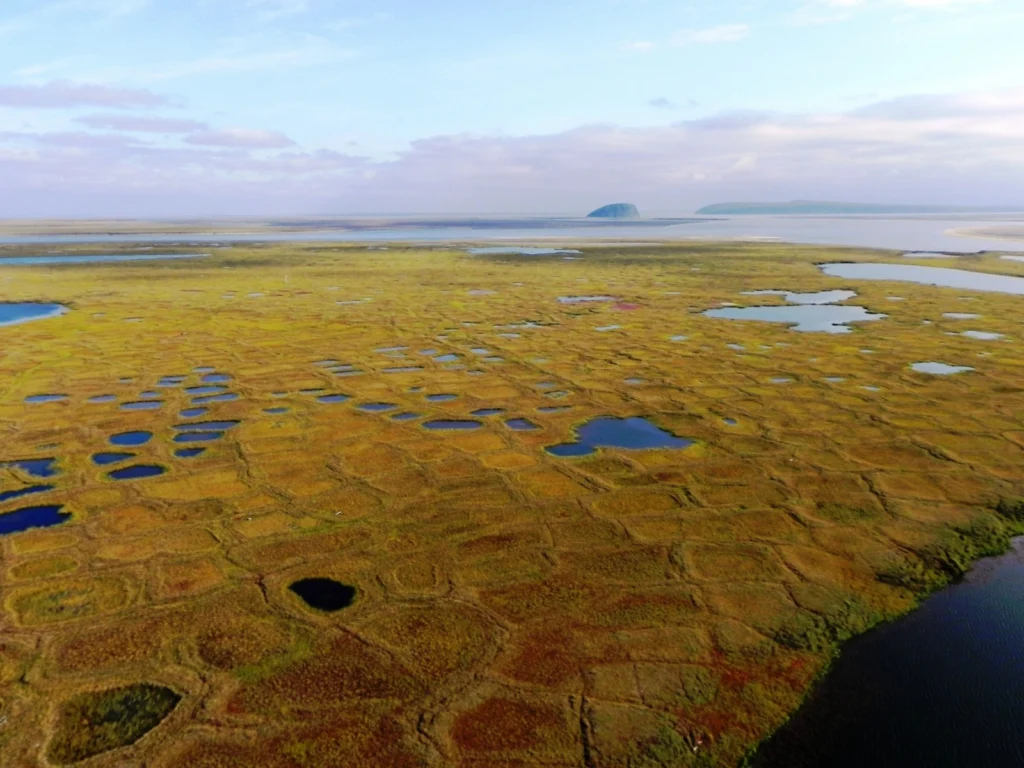
This weeks photo is once again related to permafrost and the Arctic….something tells me I miss being there. Anyway, the gorgeous photo below shows a terrific example of polygonal patterned ground from Siberia. Patterned ground is a phenomenon that occurs frequently in cold regions and is caused by the seasonal freeze-thaw of the active layer/soil. …[Read More]
Words on Wednesday: River flood risk in Jakarta under scenarios of future change
Words on Wednesday aims at promoting interesting/fun/exciting publications on topics related to Energy, Resources and the Environment. If you would like to be featured on WoW, please send us a link of the paper, or your own post, at ERE.Matters@gmail.com. *** Budiyono, Y., Aerts, J. C. J. H., Tollenaar, D., and Ward, P.: River flood risk in Jakarta under scenarios of future change, Nat. …[Read More]
Row, Row, Row Your Boat: Predicting Flood Impact with Aqueduct Global Flood Analyzer
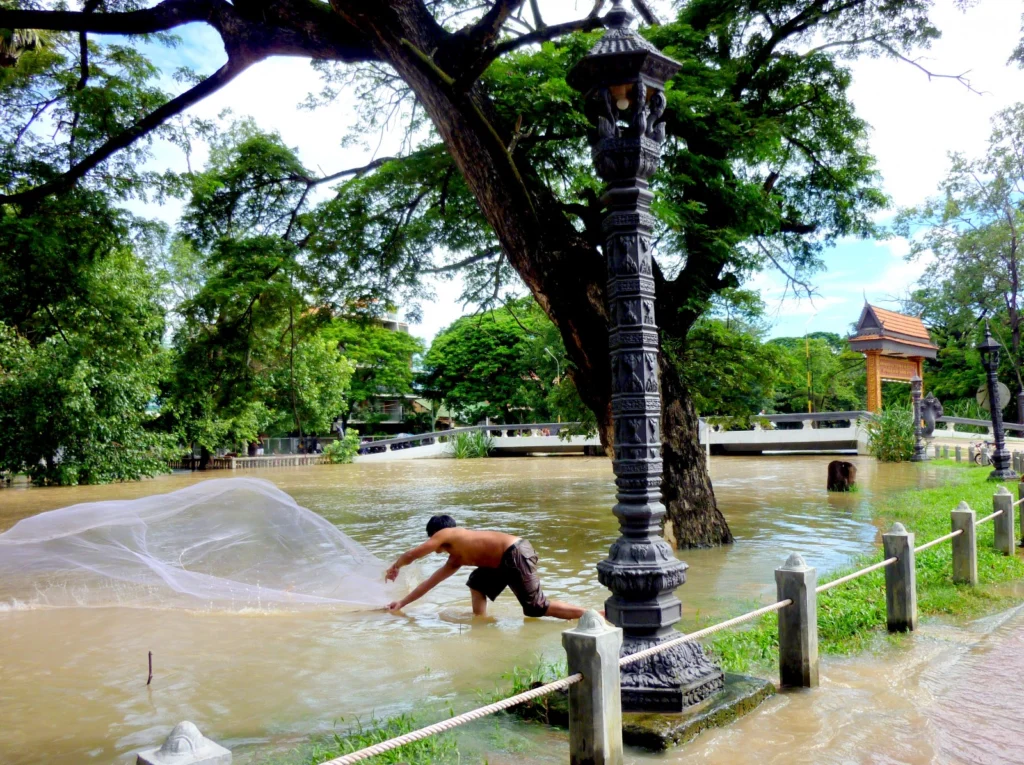
The Aqueduct Global Flood Analyzer of the World Research Insitute is a web-based interactive platform which measures river flood impacts by urban damage, affected GDP, and affected population at the country, state, and river basin scale across the globe. It aims to raise the awareness about flood risks and climate change impacts by providing open …[Read More]
Imaggeo on Mondays: Mesopotamia, the ancient land between rivers
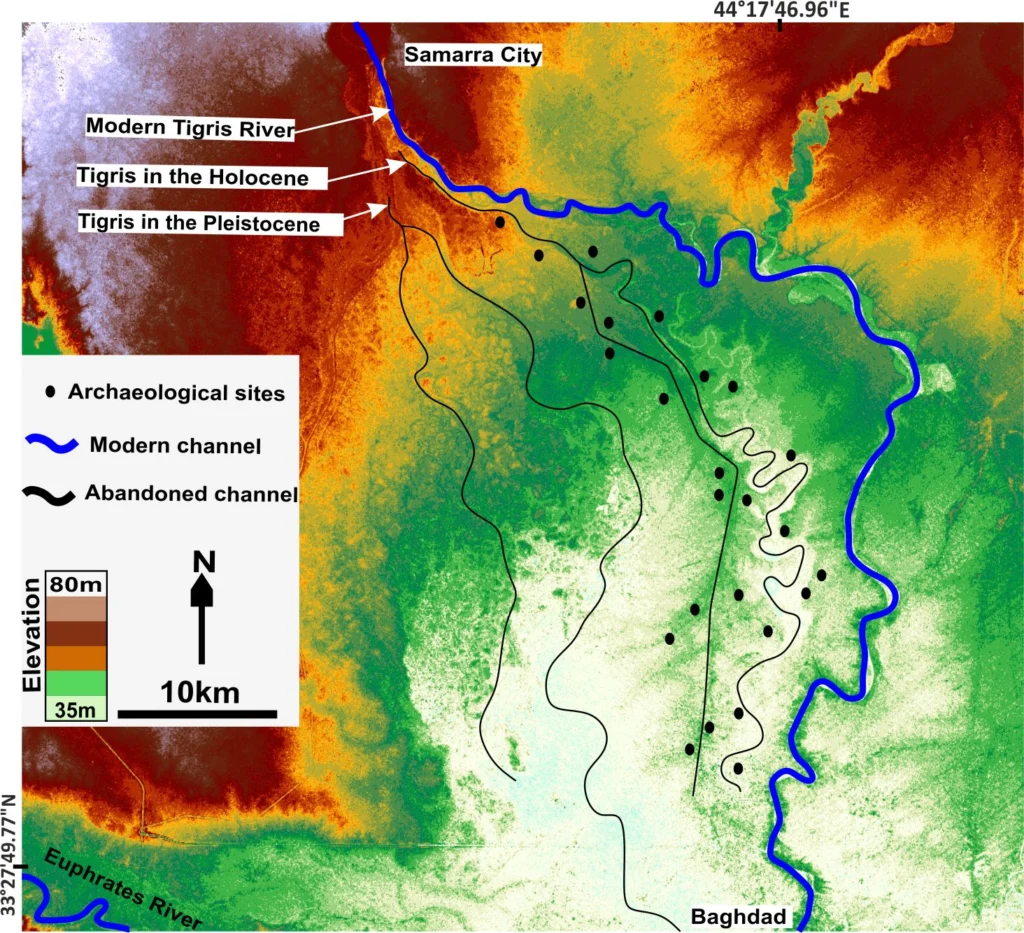
Mesopotamia, an area rich in history and considered as the cradle of civilisation, with the first populations establishing themselves in the region some 6000 years ago,lies between two great rivers: the Euphrates and the Tigris. The ancient territory spans areas of modern-day Iraq, Kuwait, the northeastern section of Syria and small sections of southeastern Turkey …[Read More]
Living with water: Floods in the Netherlands
Rising sea levels due to climate change. Natural climatic cycles, like El Niño. Land subsidence due to fluid pumping. There are many reasons that can increase the risk of flooding of cities and other areas. We might not always be able to control it, but is there a way to better predict and prepare for …[Read More]
Geosciences Column: The calamity of eruptions, or an eruption of benefits?
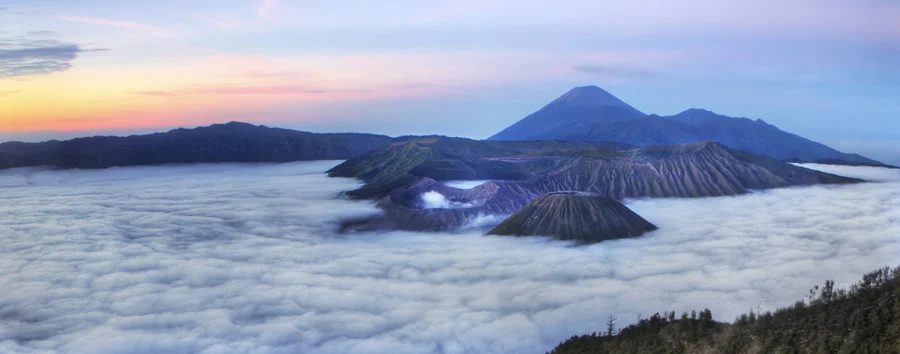
So here is a question: why would anyone want to live in the vicinity of an active volcano? The risks are well known, with hazards arising from lava flows, lahars, ash falls, debris avalanches, and pyroclastic density currents, with many often having deadly consequences. But despite the danger, more than half a billion people live …[Read More]