

Words on Wednesday aims at promoting interesting/fun/exciting publications on topics related to Energy, Resources and the Environment. If you would like to be featured on WoW, please send us a link of the paper, or your own post, ERE.Matters@gmail.com **** Citation: Fabre, J., Ruelland, D., Dezetter, A., and Grouillet, B.: Sustainability of water uses in managed hydrosystems: human- and climate-induced changes for the …[Read More]
Latest posts
Postdoctoral Research Assistant in Planetary Seismology
Applications are invited for a two-year Post-doctoral Research Assistant in Planetary Seismology, within Bristol University’s School of Earth Sciences. The post will focus on NASA’s InSight geophysics mission, which lands on Mars in late 2016. NASA InSight aims to probe the detailed internal structure of Mars for the first time by deploying two tripod-mounted seismometers …[Read More]
ATTA and the Curious Case of Krypton-81
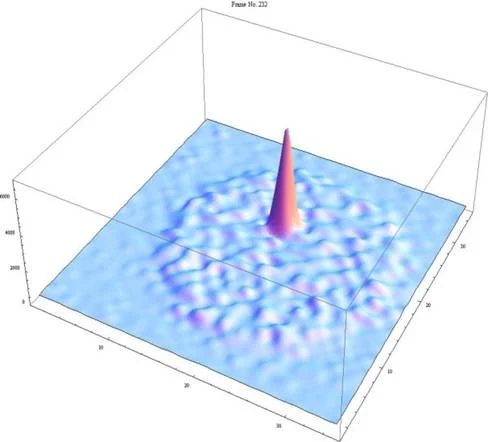
Ok, so I took some license with the title. This isn’t really a curious case and neither Krypton-81 nor ATTA are actually people. In fact, Krypton-81 (81Kr) is a radioisotope of the noble gas krypton and ATTA, which stands for atom trap trace analysis, is the revolutionary technique that has made its analysis possible. I …[Read More]
Imaggeo on Mondays: Tombstones Mountains
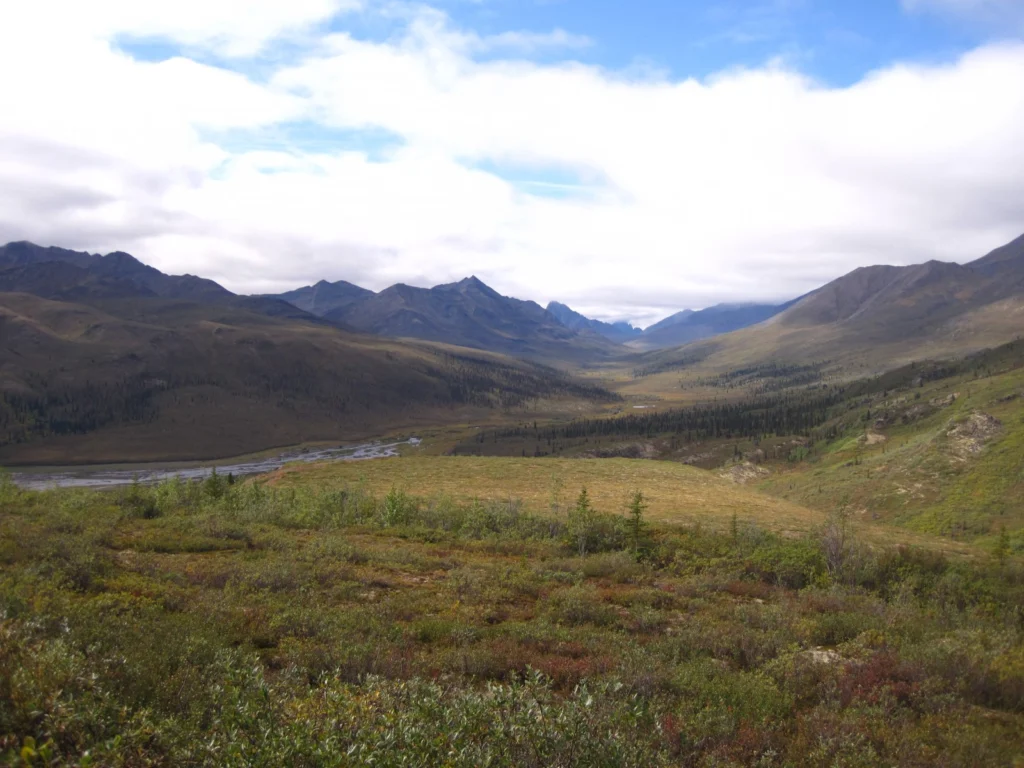
This week’s Imaggeo image is brought to you by one of our network bloggers, Matt Herod. Of the image, Matt said ” this particular one is one of my all time favourites. I have even blown it up and hung it on my wall at home,” and we couldn’t agree more; this Canadian landscape is …[Read More]
What if everyone jumped at once?

One person’s jump is practically negligible when compared to Earth’s internal forces. But, what if everyone jumped together at the same time? There are roughly 7 billion people on Earth, with a total weight of approximately 350 billion kilogram. What if we all jumped together at once? Are we able to shake the planet? Are we …[Read More]
Young Scientists renamed Early Career Scientists
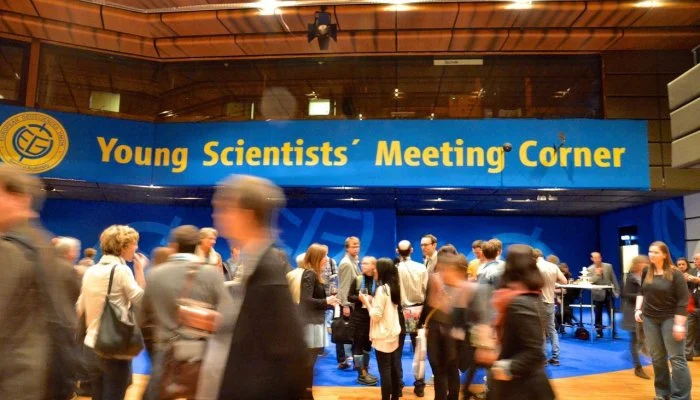
A message from Laura Roberts the EGU Communications Officer (early career scientists’ contact person at the EGU Office) Following feedback from the 2014 young scientists survey, supported by the findings of the Young Scientist Forum at the EGU General Assembly 2014, the EGU Council has decided to replace the term Young Scientist (YS) by Early Career Scientist …[Read More]
Nessie dwarfed by new Scottish crocodile
Yes, Nessie had to be in the title. Am I sorry? A little. But not enough to not use it. Colleagues from the University of Edinburgh and myself have described the first Scottish crocodile fossil! It’s from the Isle of Skye, from a time known as the Middle Jurassic, and dates back around 160 million …[Read More]
A guide to convening a session at the General Assembly – Part II
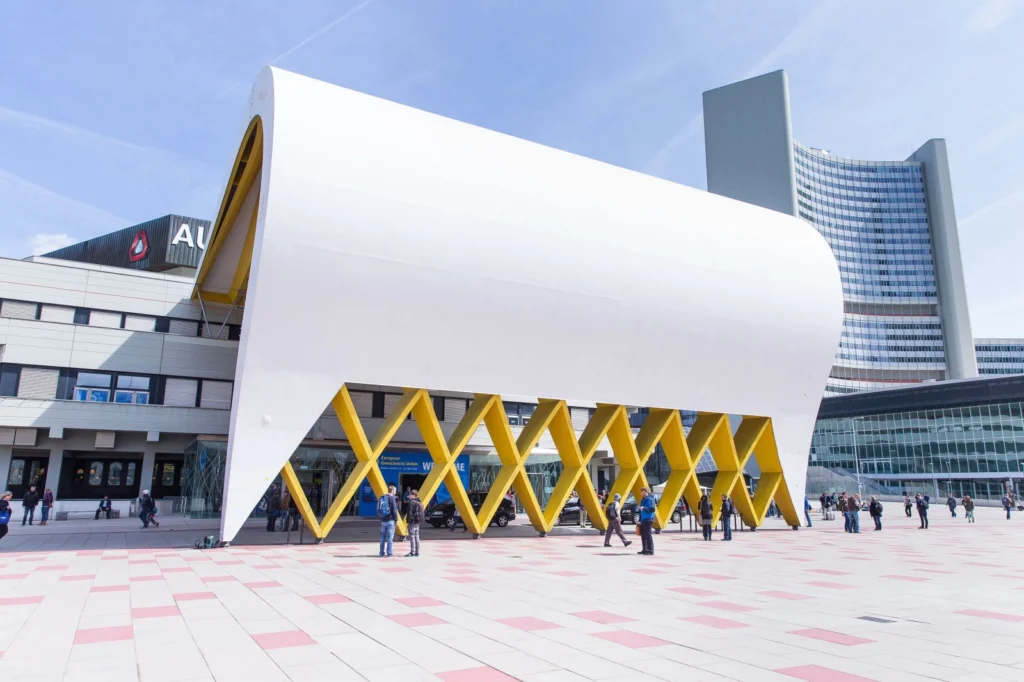
Convening a session at a conference can seem daunting, especially if you are an early career research and a first-time convener. That’s why we’ve put together this two part series to outline the main steps of the process, with more detailed instructions to be published on the 2016 EGU General Assembly in due course. Remember, …[Read More]
Molecular clocks and the End-Permian mass extinction
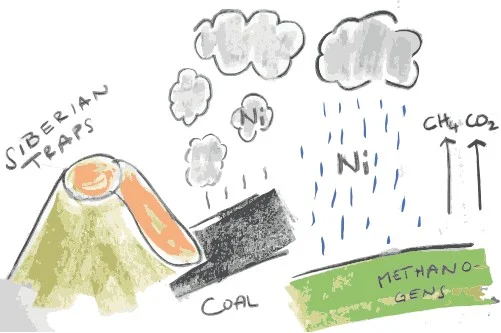
Earth’s history is punctuated by extreme events known as mass extinctions. The End-Permian extinction, 252 million years ago, is believed to be the biggest, killing 90 % or more of all species – no wonder it is also called “The Great Dying”. The big question out there is to understand what caused it, but it …[Read More]
Image of the Week: GISP II Borehole
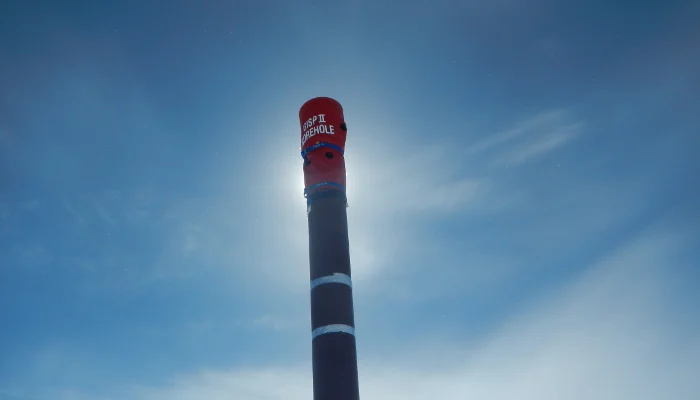
Climate records from ice cores have helped scientists understand the past changes in climate.The GISP II (Greenland Ice Sheet Project Two) ice core was more than 3km long and was drilled during a five year period in the 1990s. After the drilling ended the casing of the borehole was extended above the surface, so that …[Read More]