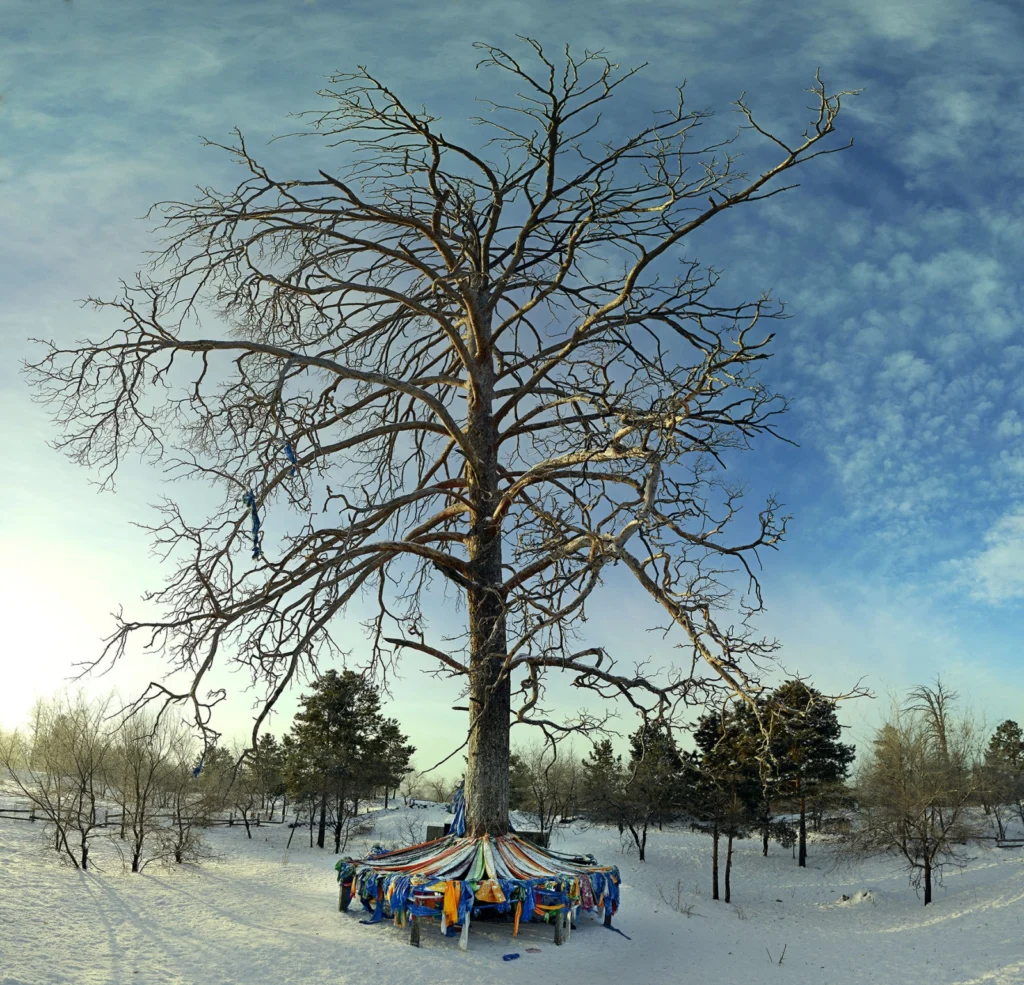
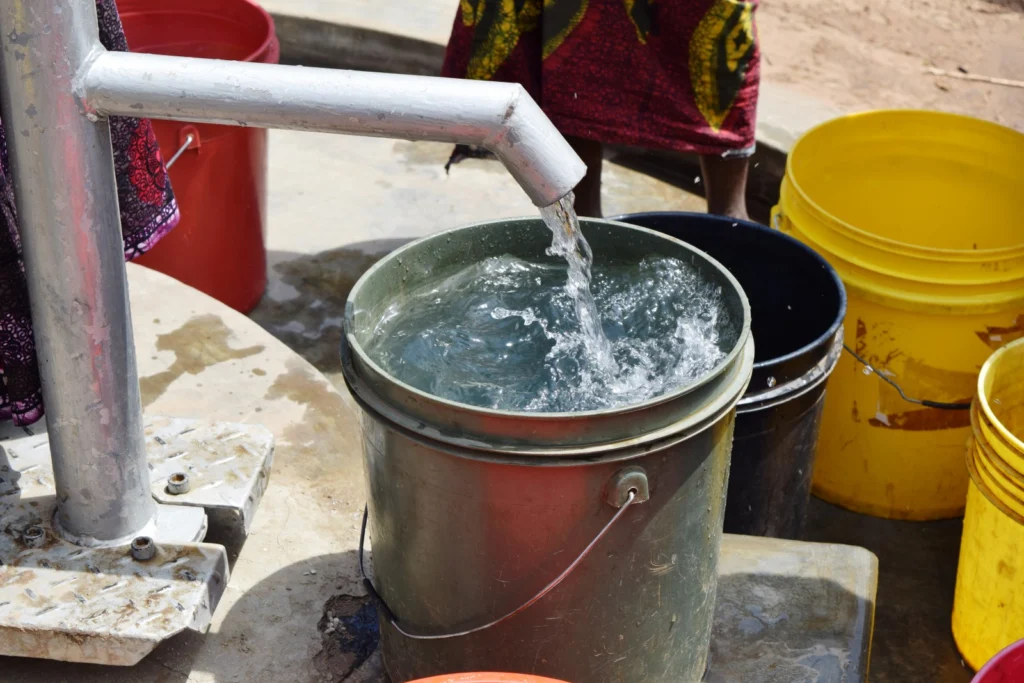
Landlocked, home to mountains, deserts and the southernmost permafrost territories, Mongolia’s climate is harsh. Warm, often humid summers, give way to freezing winters where temperatures dip as low as -25°C. Rainfall is restricted to a short period in the summer months of June and August. These climatic factors, combined with the lack of a strong …[Read More]
Latest posts
Image of The Week – When Glaciers Fertilize Oceans
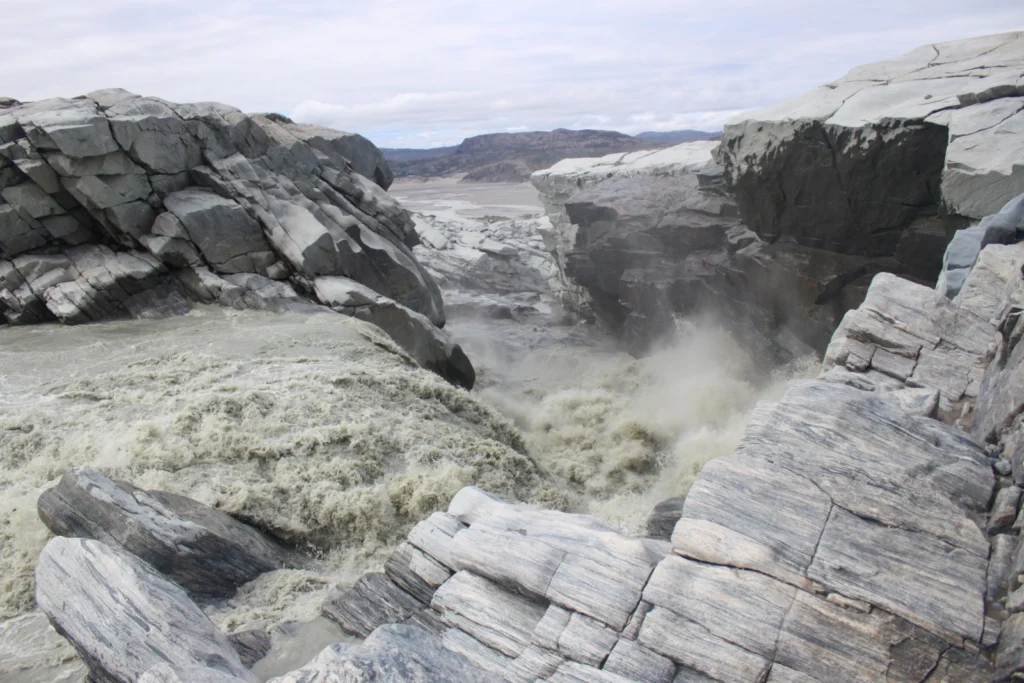
Today’s Image of the Week shows meltwaters originating from Leverett Glacier pouring over a waterfall in southwest Greenland. We have previously reported on how meItwater is of interest to Glaciologist (e.g. here) but today we are going to delve into how and why Biologists also study these meltwaters and how the cryosphere interacts with biogeochemical …[Read More]
Digging up bones for science – looking into 48 million years old blood vessel-like structures
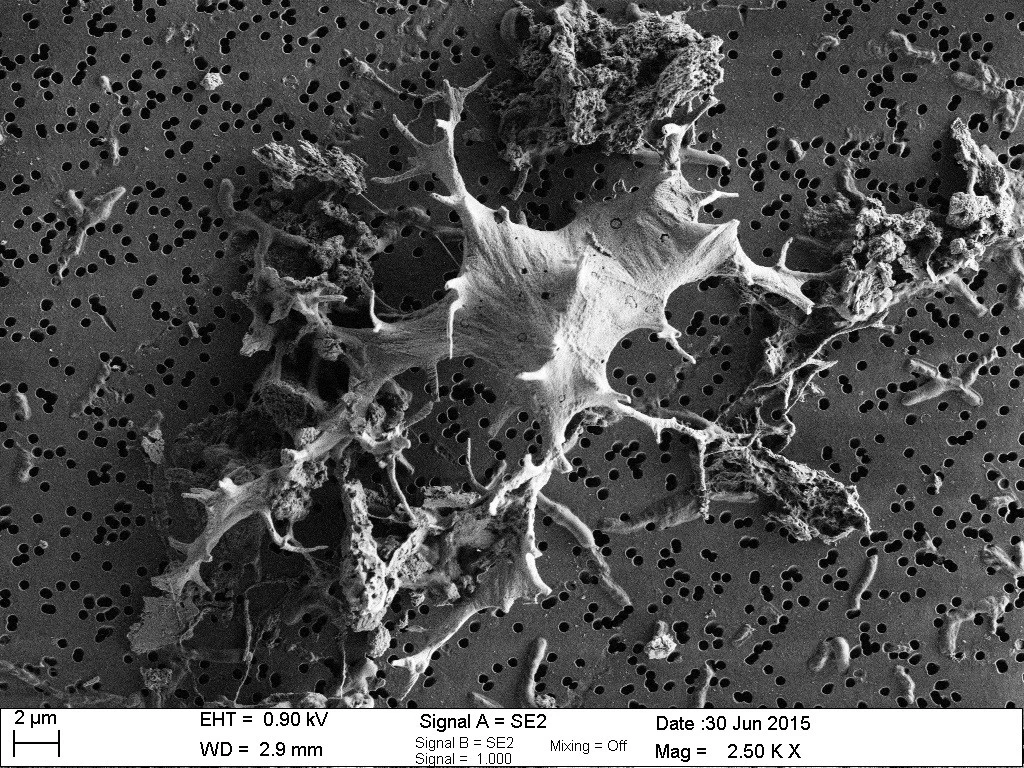
The Messel Pit is a worldwide famous fossil site recognized by UNESCO as a World Natural Heritage Site because of the exceptional preservation, as well as the diversity of its fossils from the early-middle Eocene (~48 Ma). The Messel Pit, located in an old Quarry in Germany near Frankfurt am Main , includes fossils from …[Read More]
Living with volcanoes, and learning from the past.
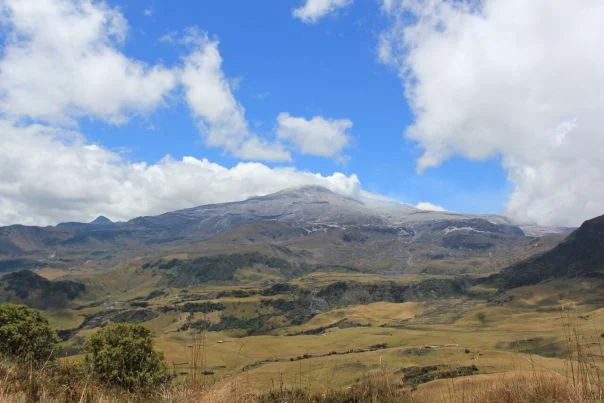
November 13th, 1985, is a date that is still etched in my memory. This was the day that the Colombian town of Armero was submerged beneath a catastrophic flood of volcanic rocks, mud and water; a lahar that had swept down from the summit of the volcano Nevado del Ruiz, erupting about 40 kilometres away. For days, terrible …[Read More]
GeoPolicy: Hazards, climate impacts, resources – Supporting science-based policy at EGU16
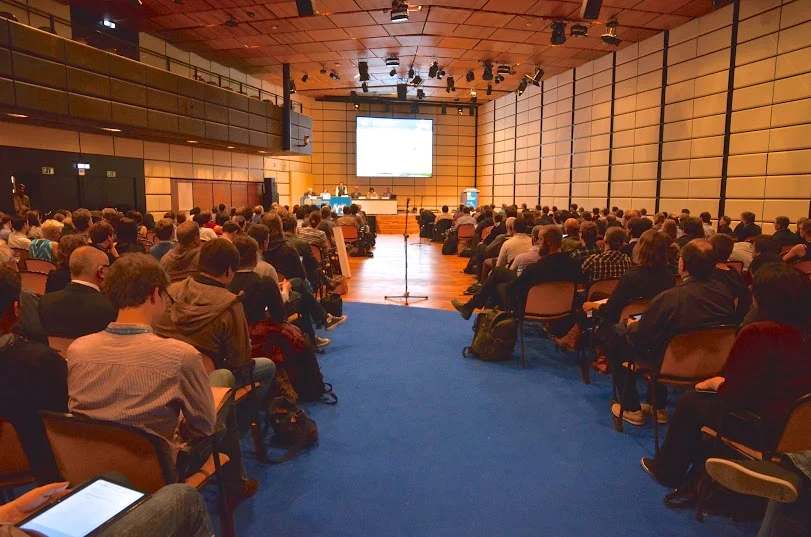
As researchers, we spend a lot of time and energy trying to extend the limits of our scientific knowledge, but how much of our new findings can be translated into policies, and what are the best practices for doing this? A multitude of science-policy-related sessions are scheduled at this year’s general assembly (GA), spanning most …[Read More]
EGU 2016: Getting to Vienna, getting to sleep and getting to know the city
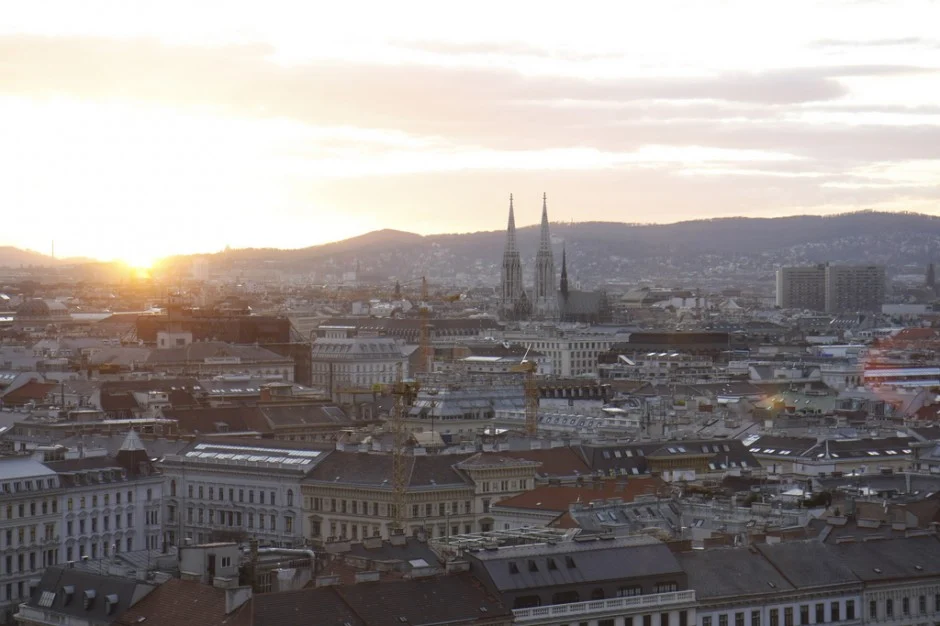
With the conference less than a month away here is a brief, and by no means comprehensive, introduction of how to get to Vienna and what to do when you’re there! Getting here Vienna’s International Airport is served by many of the major European airlines. If you would like to consider overland you’ll find more information on …[Read More]
Short courses at EGU 2016
This year there are more short courses than ever to choose from at the General Assembly. You can supercharge your scientific skills, broaden your base in science communication and pick up tips on how to boost your career – be it in academia or outside. There are also a range of courses aimed at making …[Read More]
EGU International Young Geomorphologists Social Event
Written by Julia Meister (FU Berlin) The EGU 2016 General Assembly is getting closer and like for the past two years there will be a social evening for Young Geomorphologists (and those that still feel young!) from all over the world to promote scientific discussions and collaborations while enjoying a beer. We are happy to …[Read More]
Blast from the Past: It’s all about scales
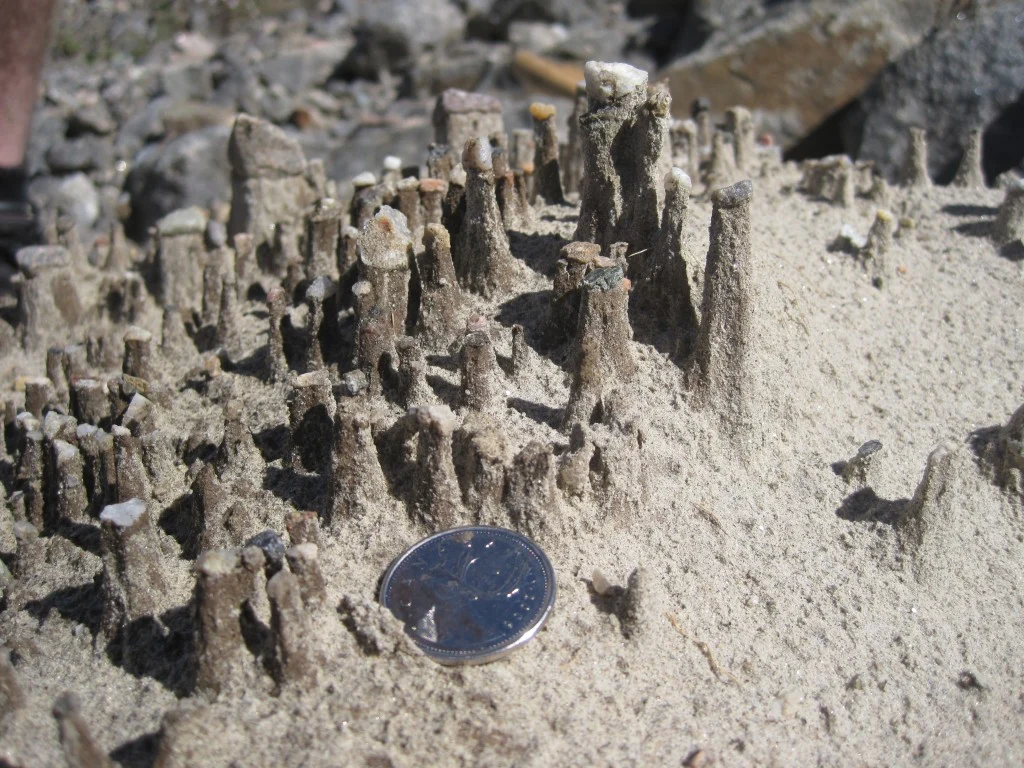
It has often been said that geology is the study of scales. Time scales, large scales, small scales and many others. Indeed, one of the most crucial parts of any photo or map is the scale. Furthermore, geologic concepts can be applied from the planet scale to the atomic scale and every size in between. …[Read More]
World Water Day 2016
The 22nd March 2016 is World Water Day, an annual event organised by the United Nations to promote the vital importance of ensuring universal access to clean, safe water. Around 10% of the world (650 million people) still lack access to clean water. Water is essential for life. When communities don’t have clean water they …[Read More]